The Family Atlas |
| Processing Status: | ||
| 25 / 26 | 96% | |
| Size of Species: 1 - 15 mm |
| Tarsal Formula: 5-5-5 (pseudotetrameres with a highly reduced fourth segment) |
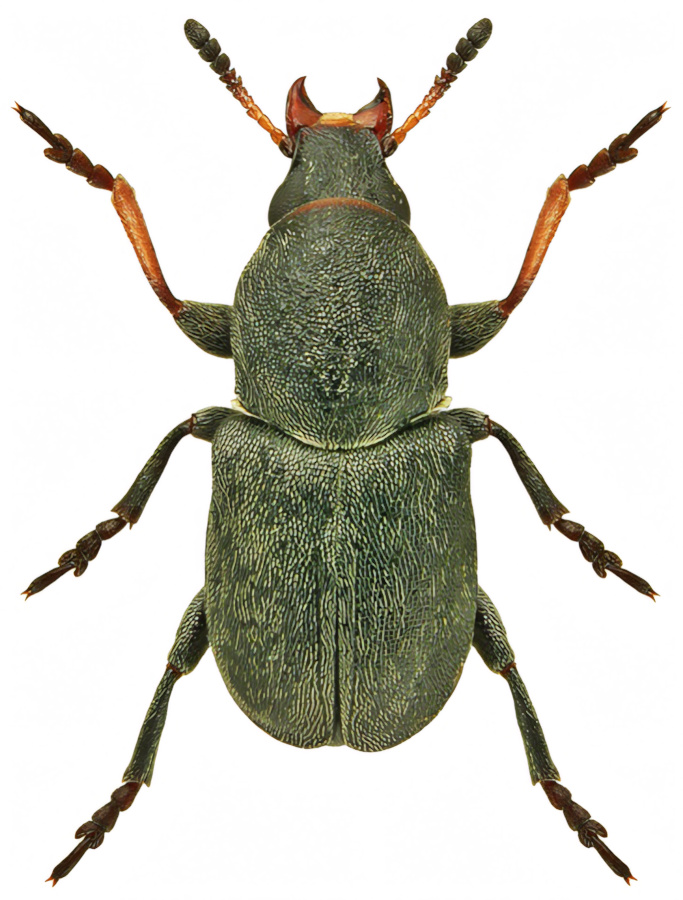
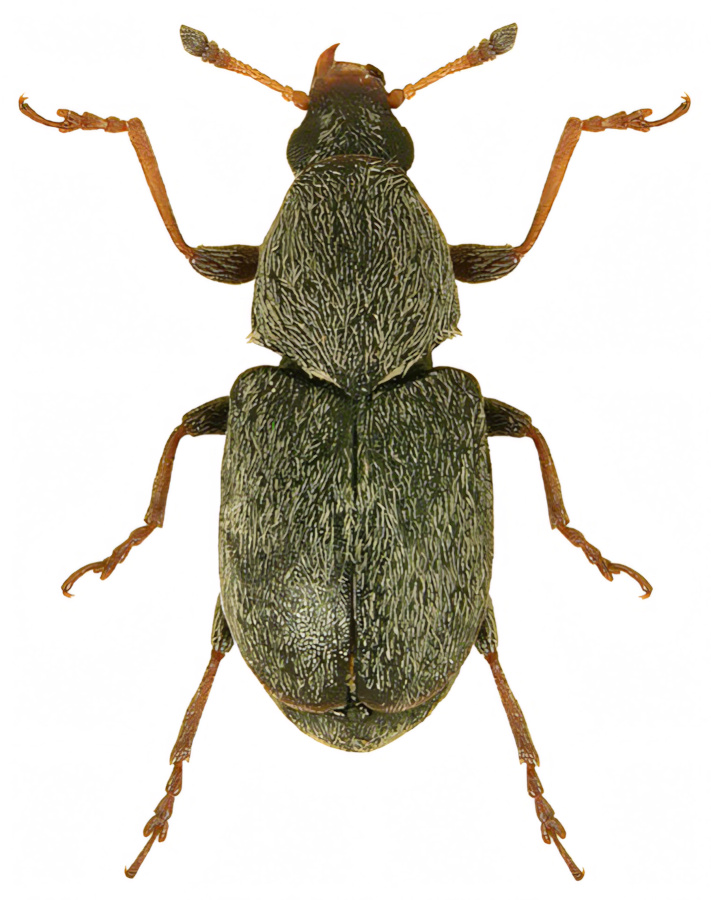
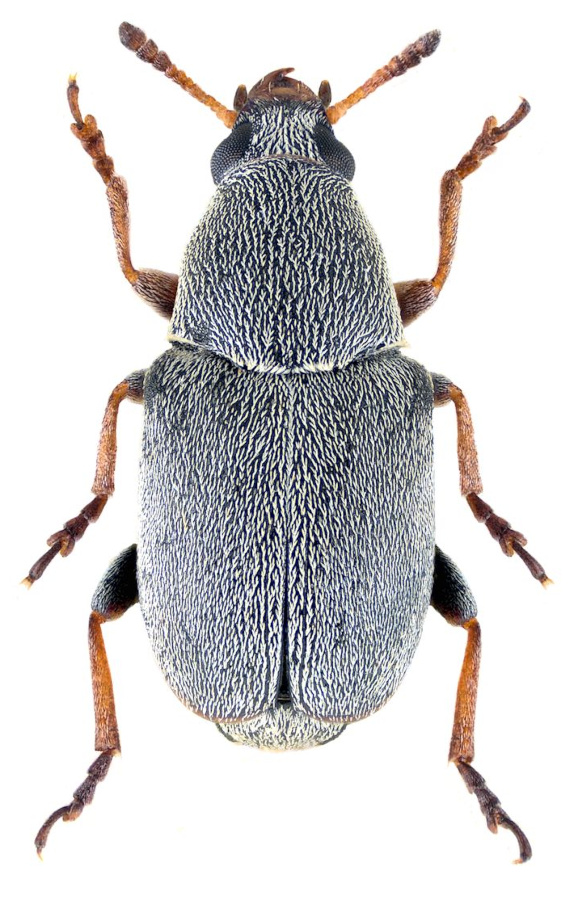
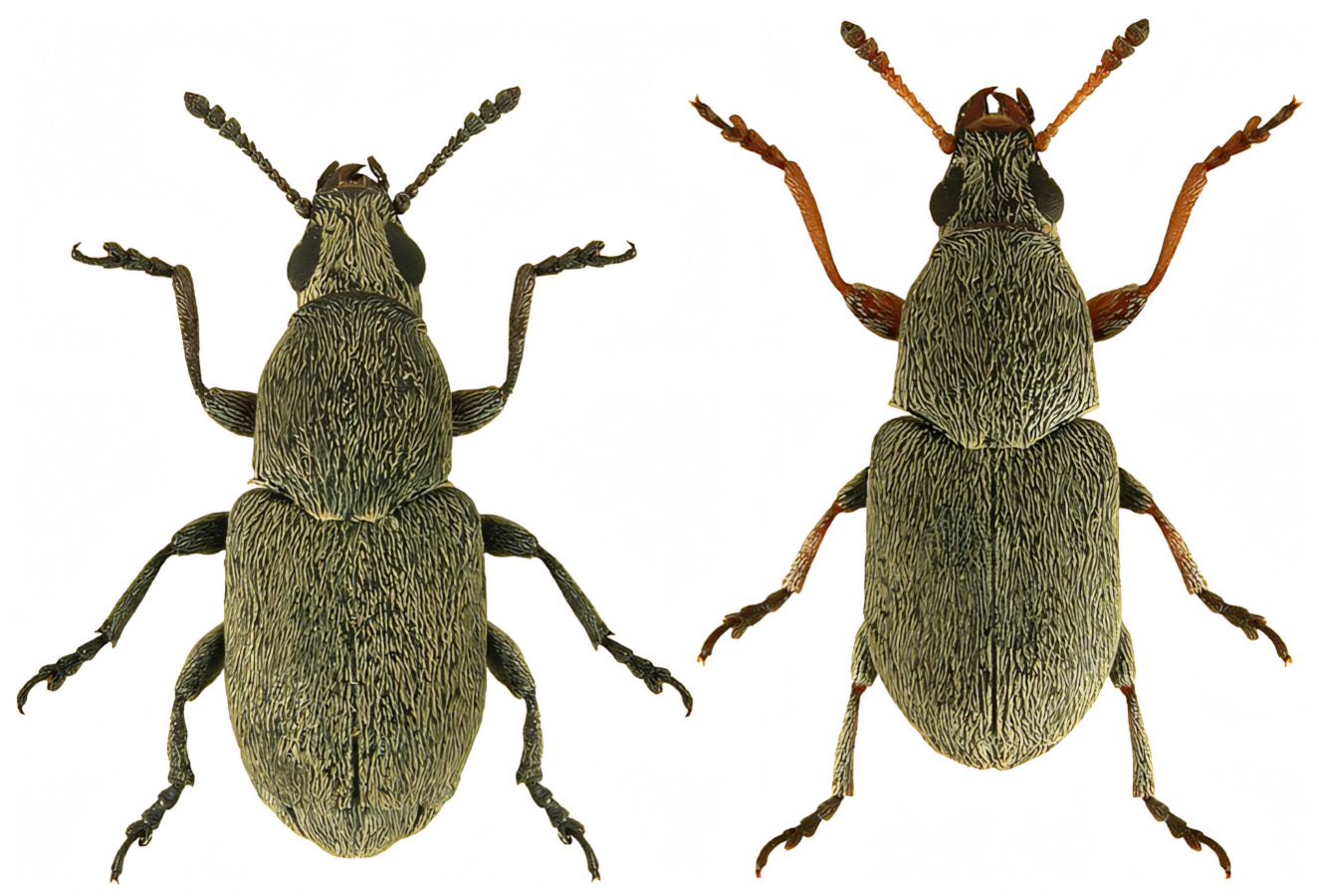
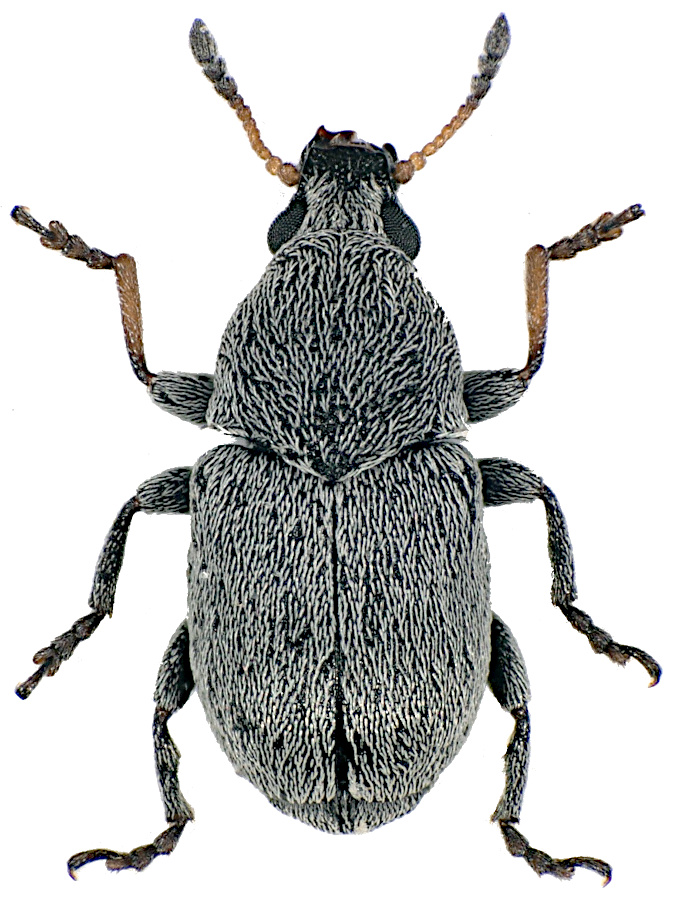
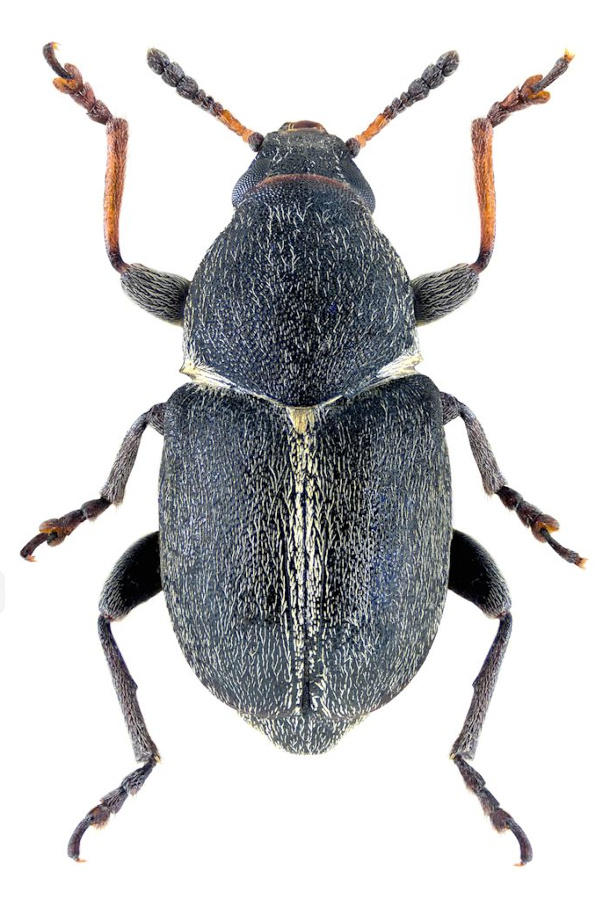
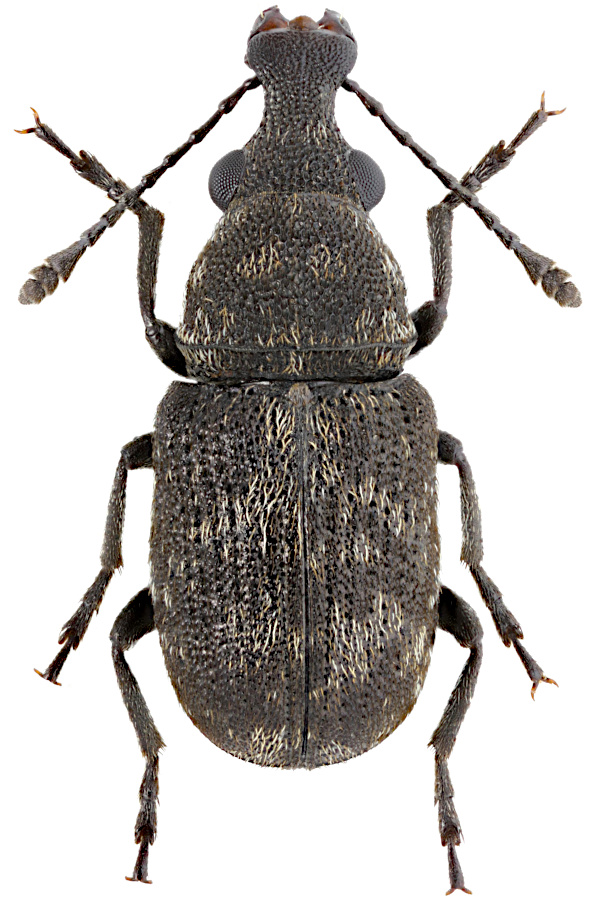
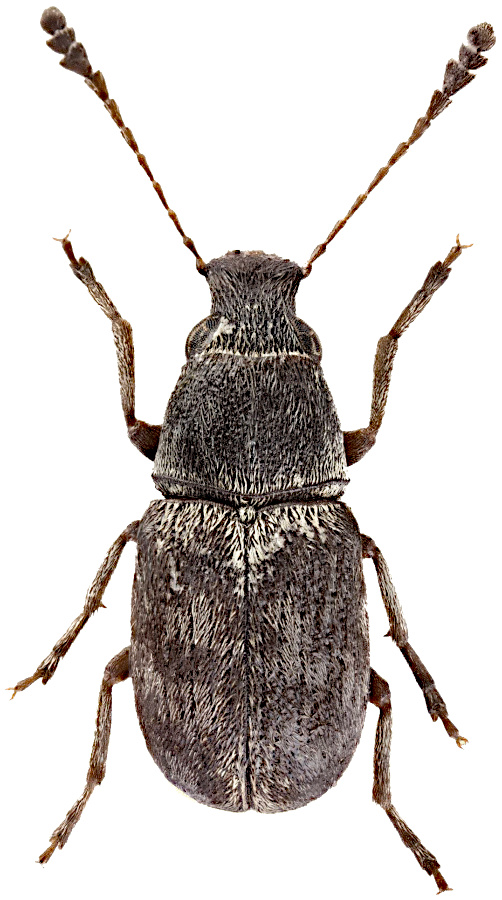
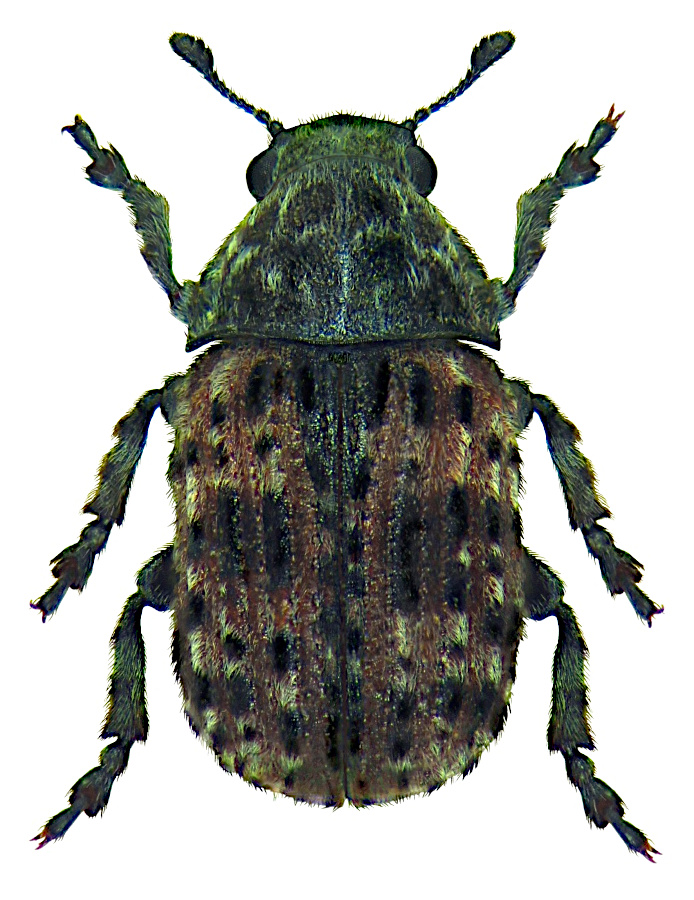
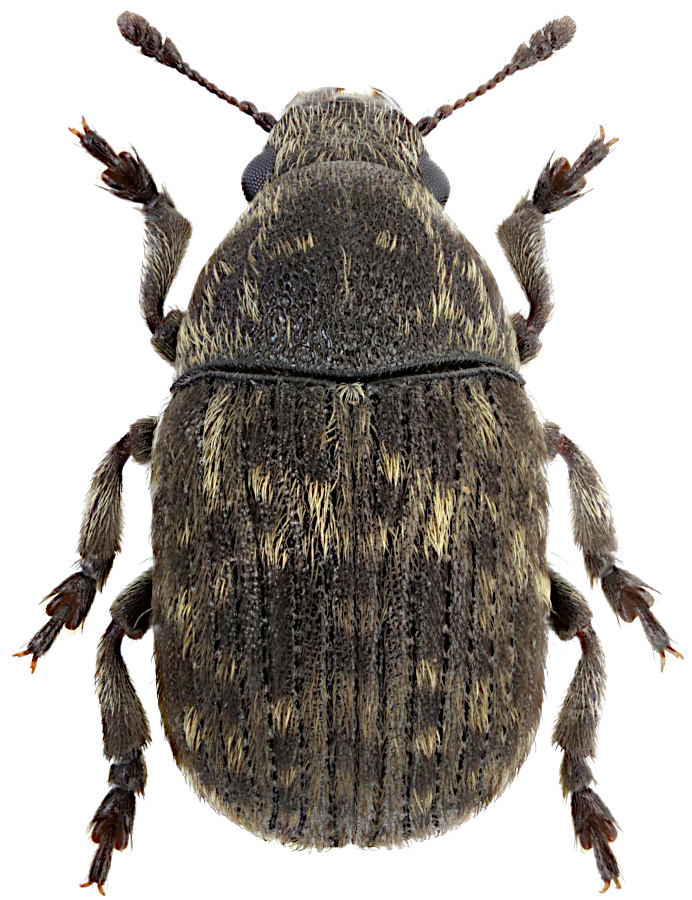
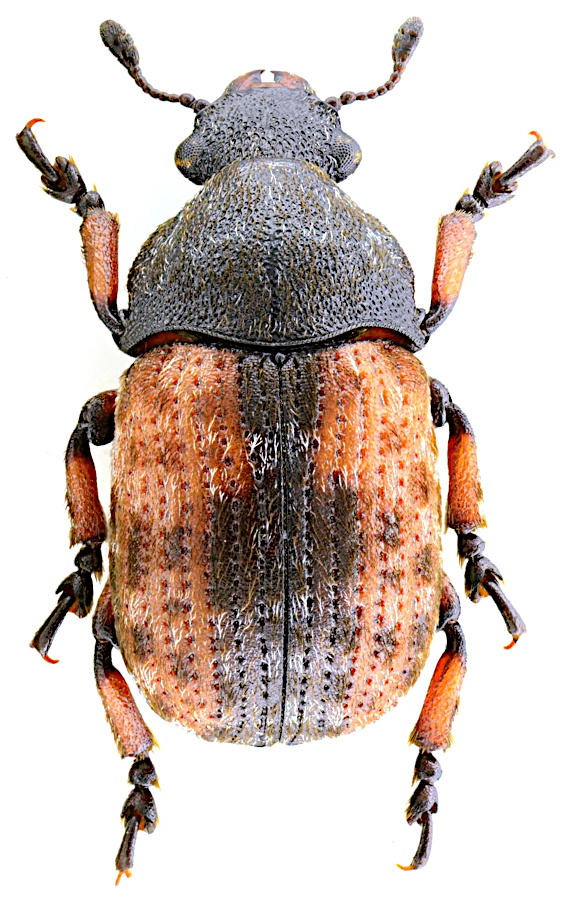
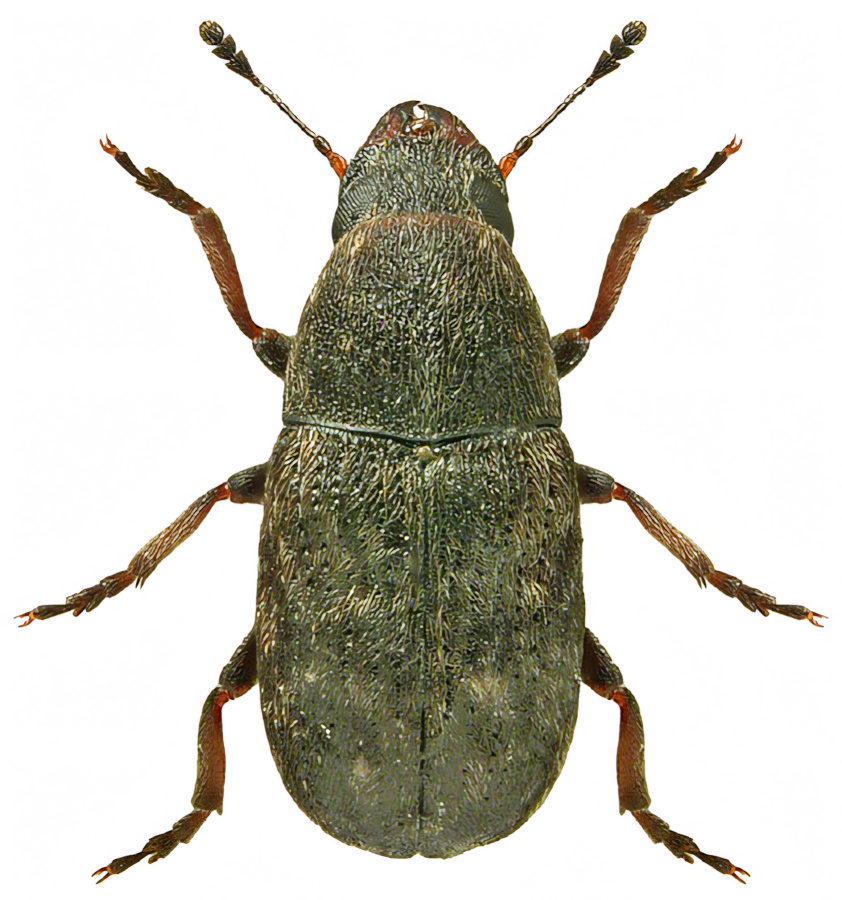
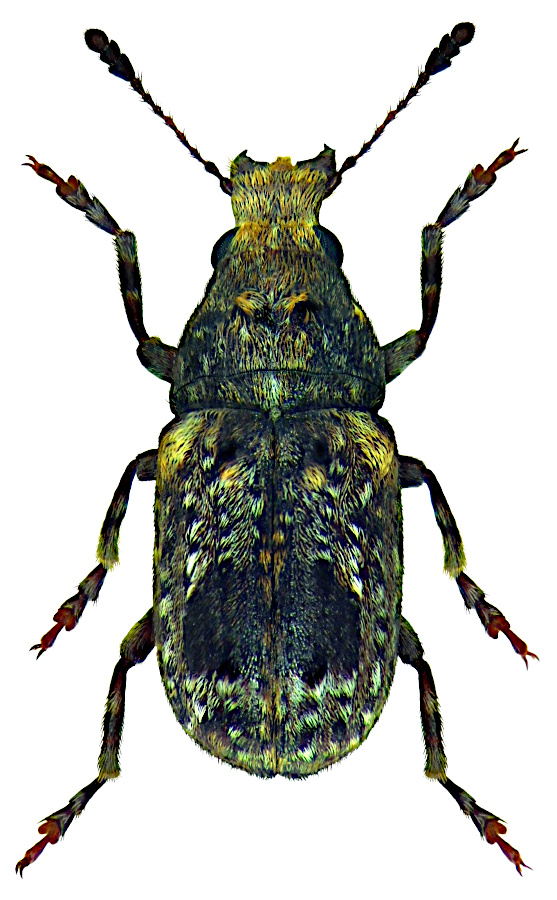
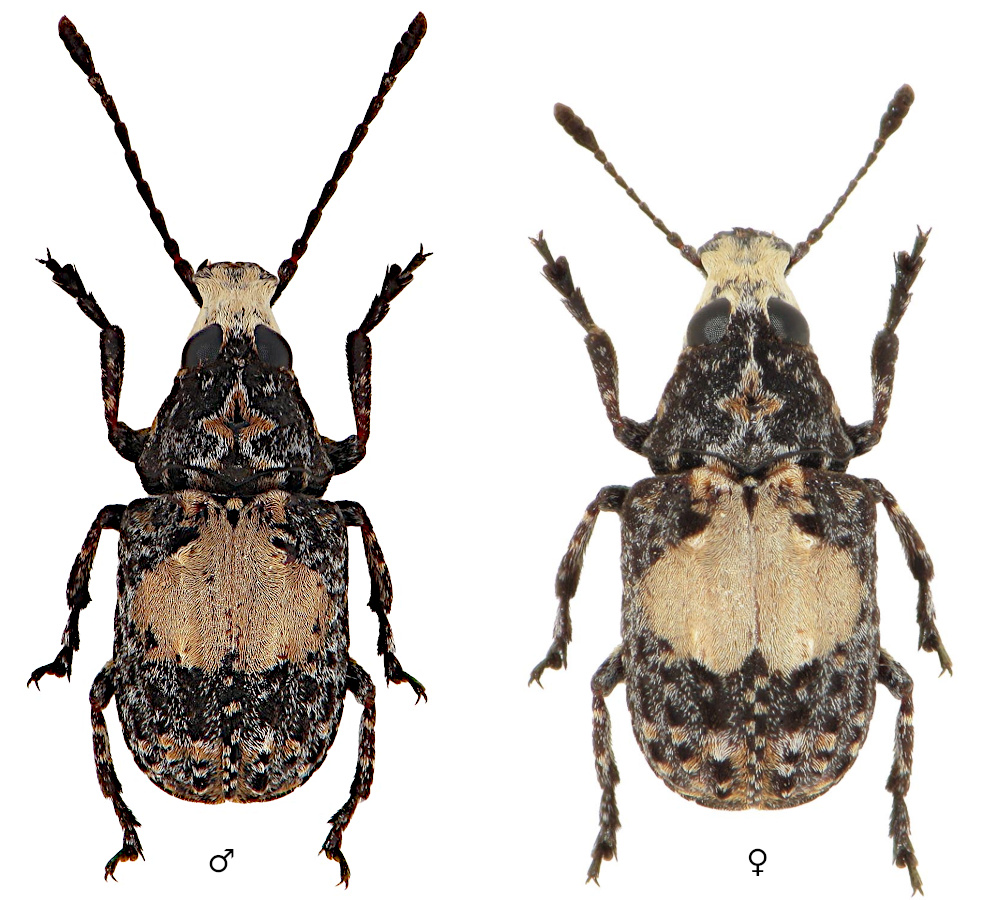
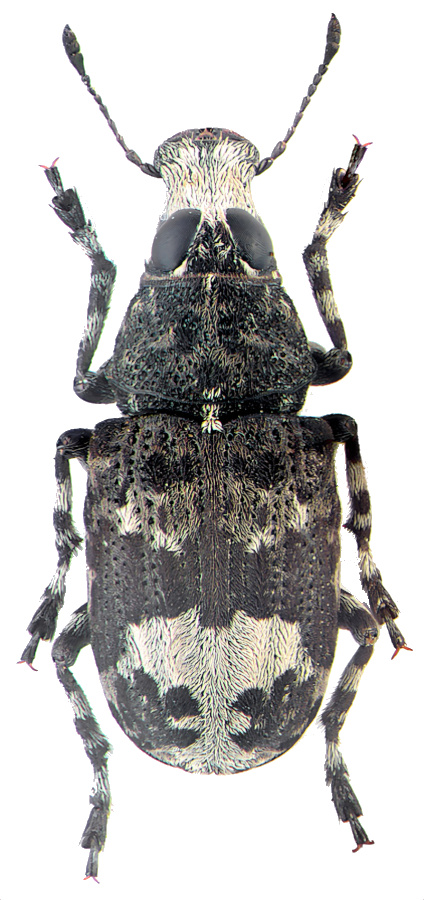
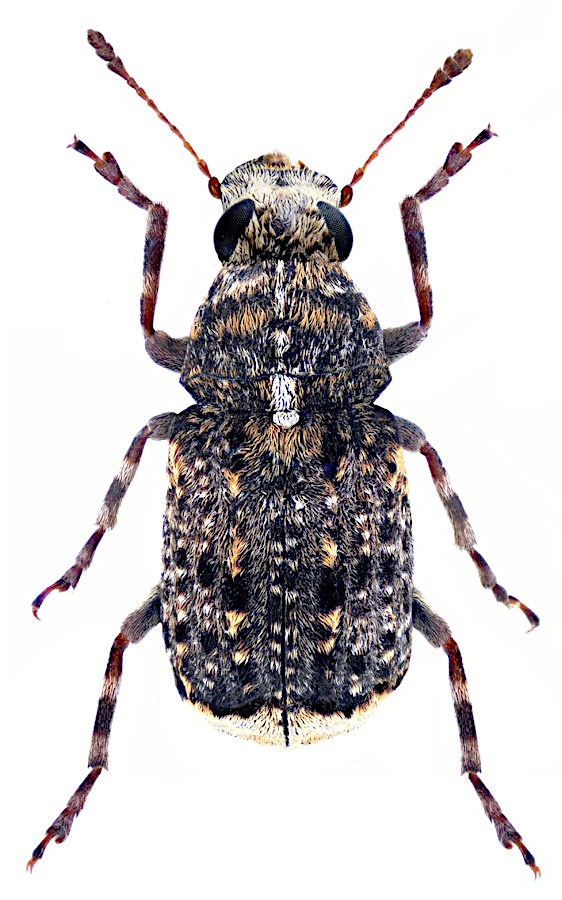
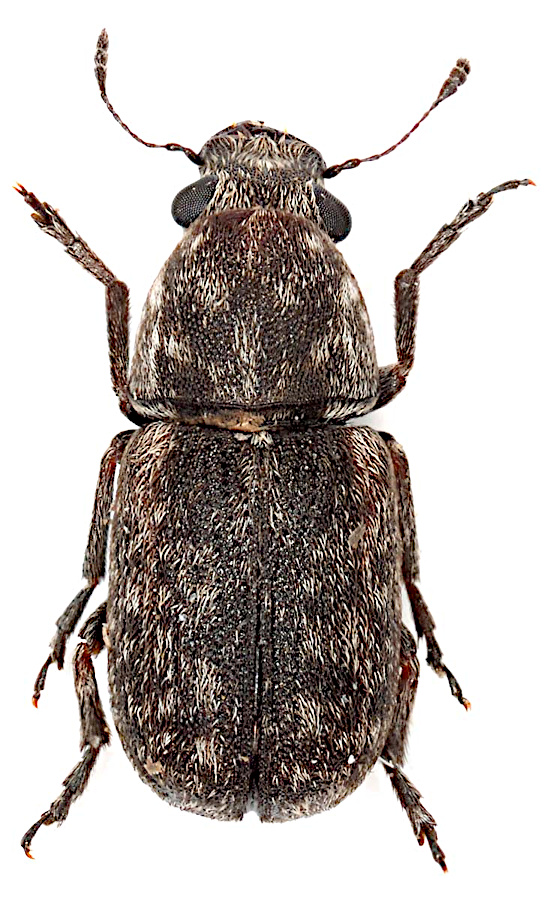
Anthribidae are relatively small to medium-sized beetles of the superfamily Curculionoidea, known primarily as ‘fungus weevils’. At first glance, they differ from true weevils of the family Curculionidae mainly in their broad, usually short and dorsoventrally flattened rostrum, unfused upper lip (labrum) and antennae that are not bent. The body is usually stocky, oval to oblong, and is often covered with dense scales or hairs, forming conspicuous spots, bands or marbling. Most species are mycetophagous, meaning they feed on fungi, with the larvae developing in decaying wood infested with fungal mycelium. Some species develop within seeds, and several notable representatives are predatory or kleptoparasitic on mealybugs. The family is distributed worldwide, with a significant centre of diversity in the tropics.
Number of Species:
| World | 3 900 | |
| Palaearctic Region | 549 |
| Europe | 86 | |
| Central Europe | 32 |
 |
Family Card |
ANTHRIBIDAE (Billberg, 1820) |
Anthribinae (Billberg, 1820) |
Allandrini (Pierce, 1930) |








Anthribini (Billberg, 1820) |
Discotenini (Lacordaire, 1865) |
Platystomini (Pierce, 1916) |
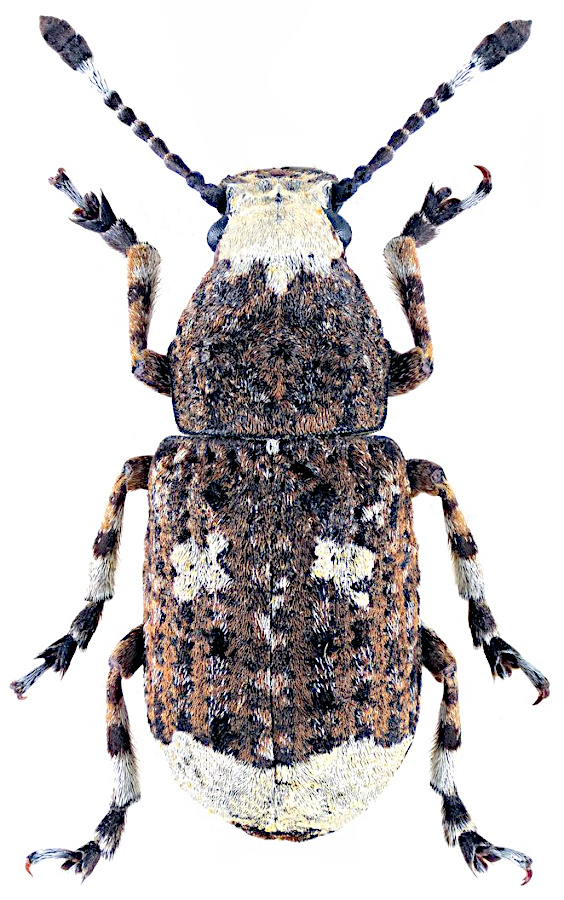
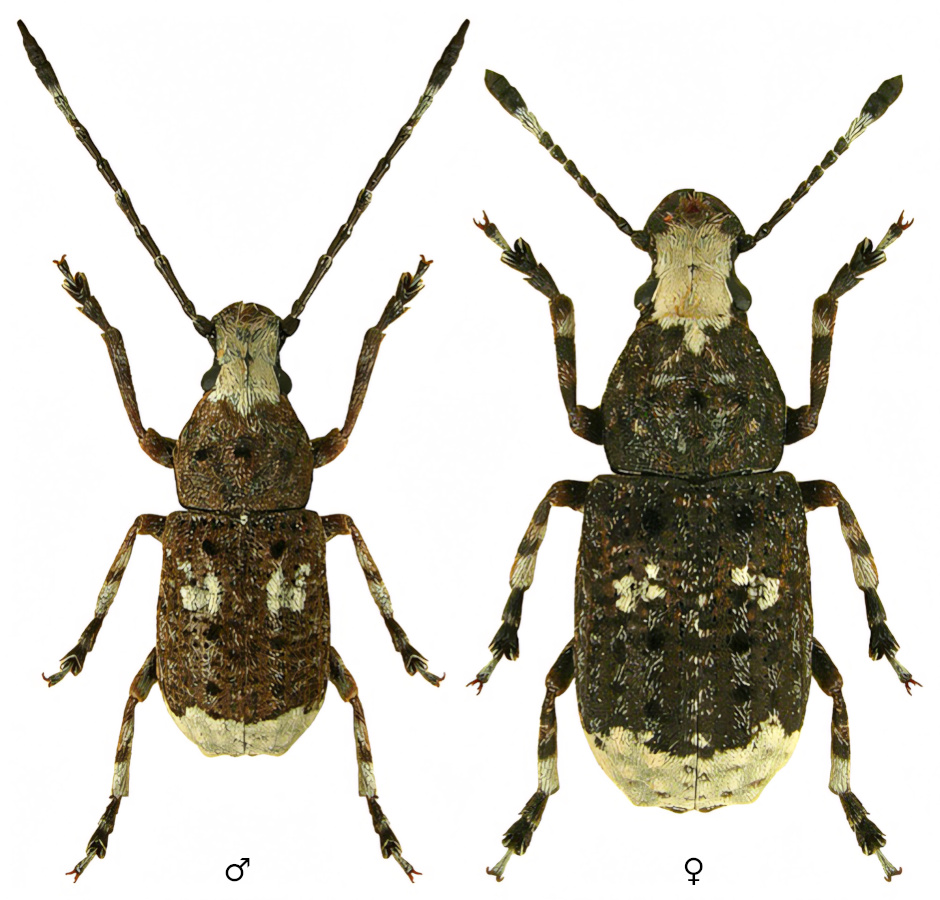
Tropiderini (Lacordaire, 1865) |
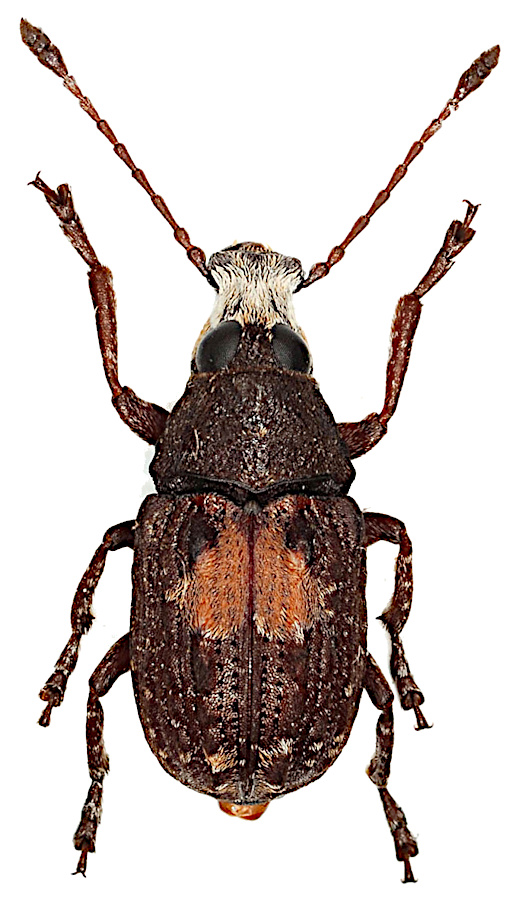
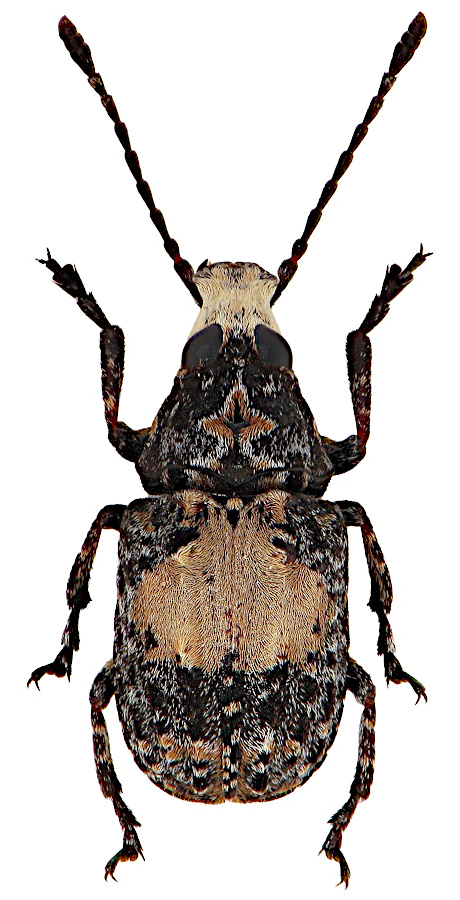
Zygaenodini (Lacordaire, 1865) |
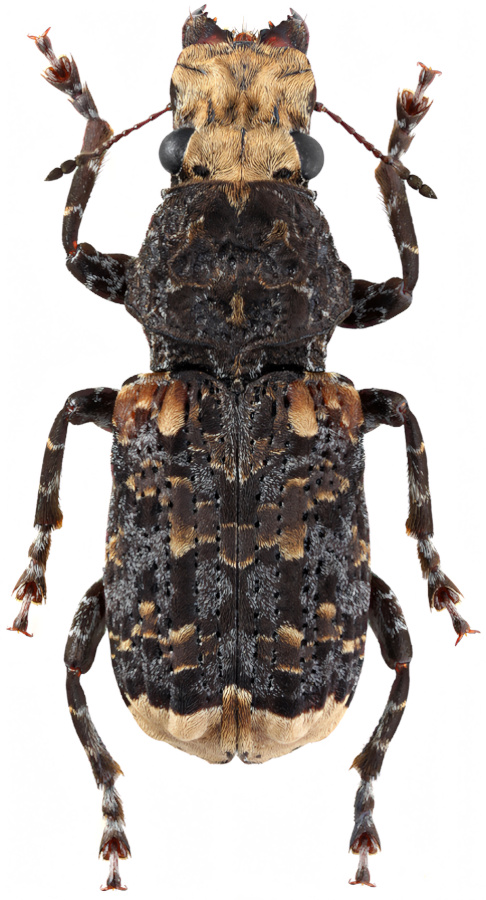
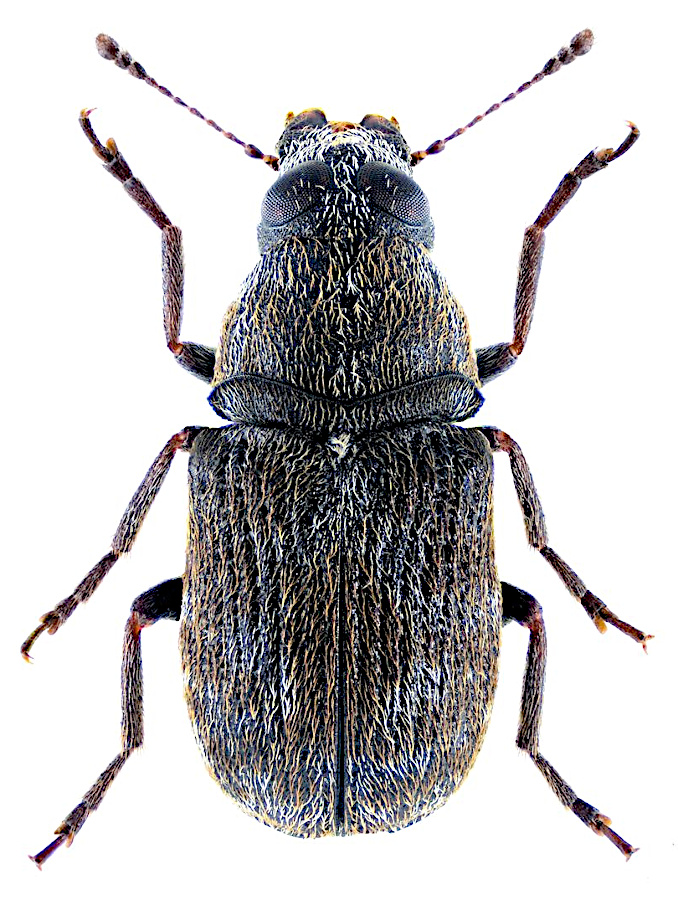
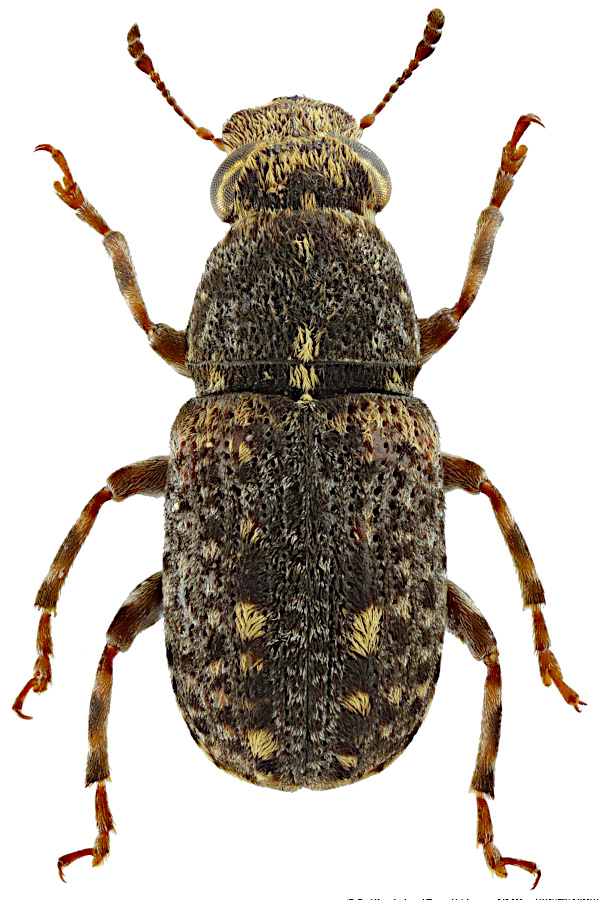
Choraginae (Kirby, 1819) |
Araecerini (Lacordaire, 1865) |
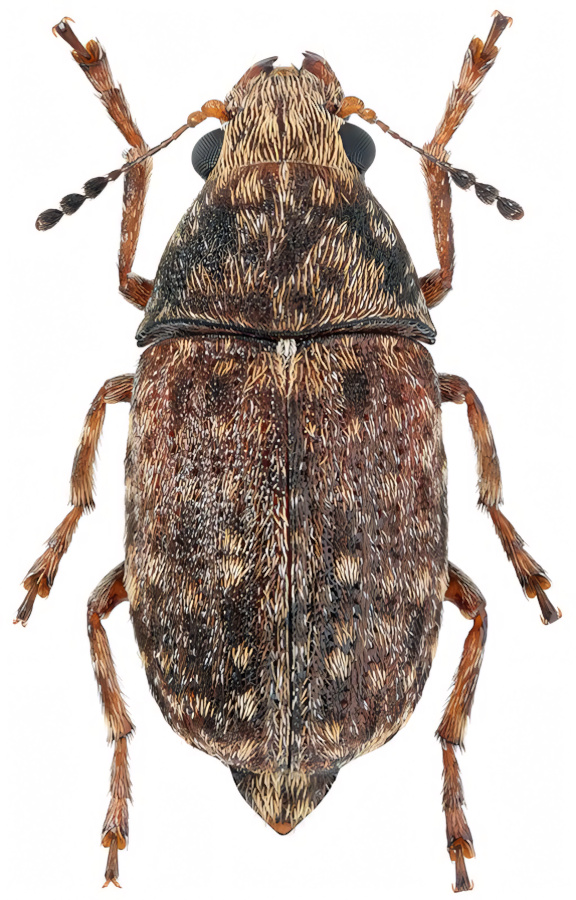
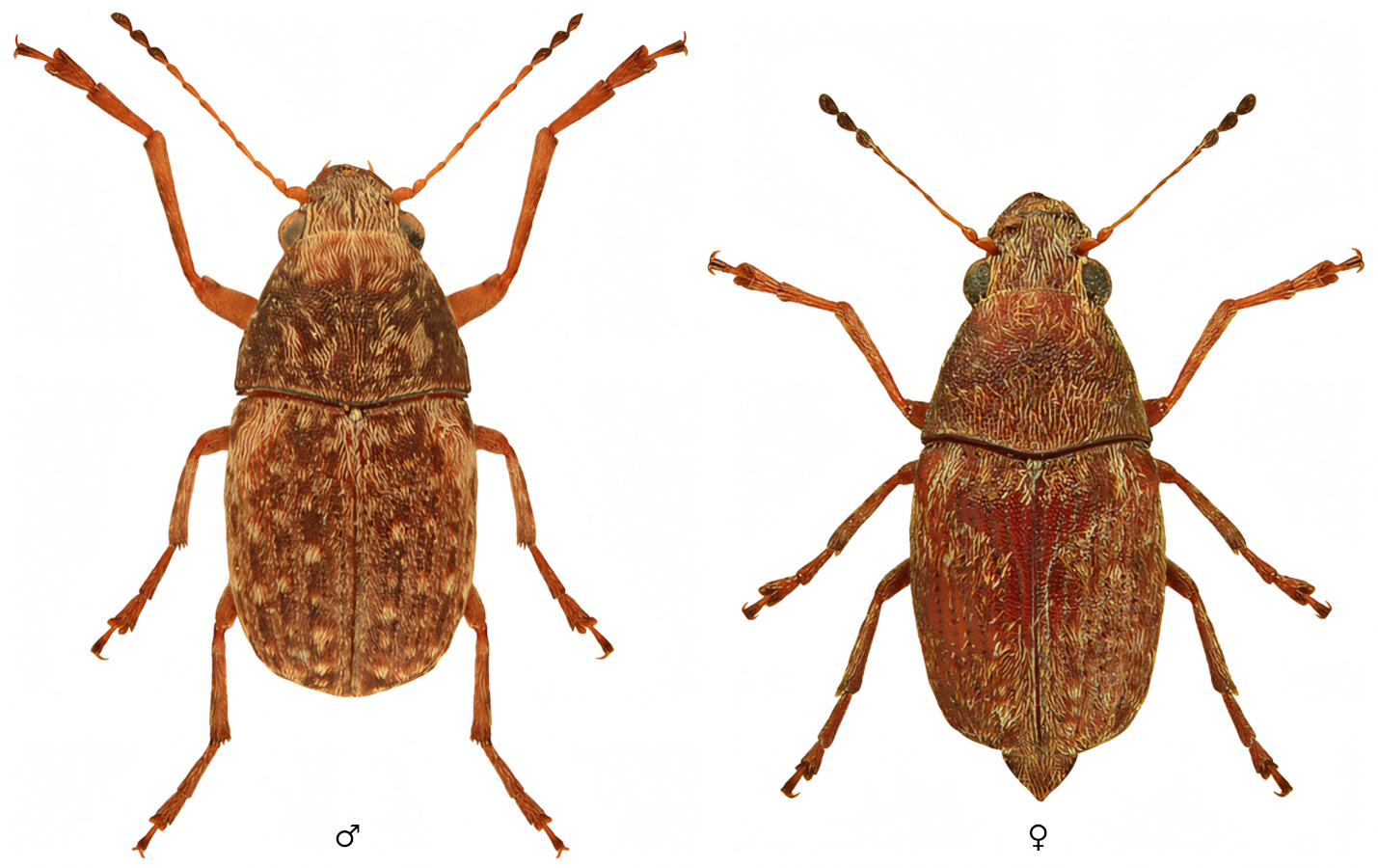
Choragini (Kirby, 1819) |
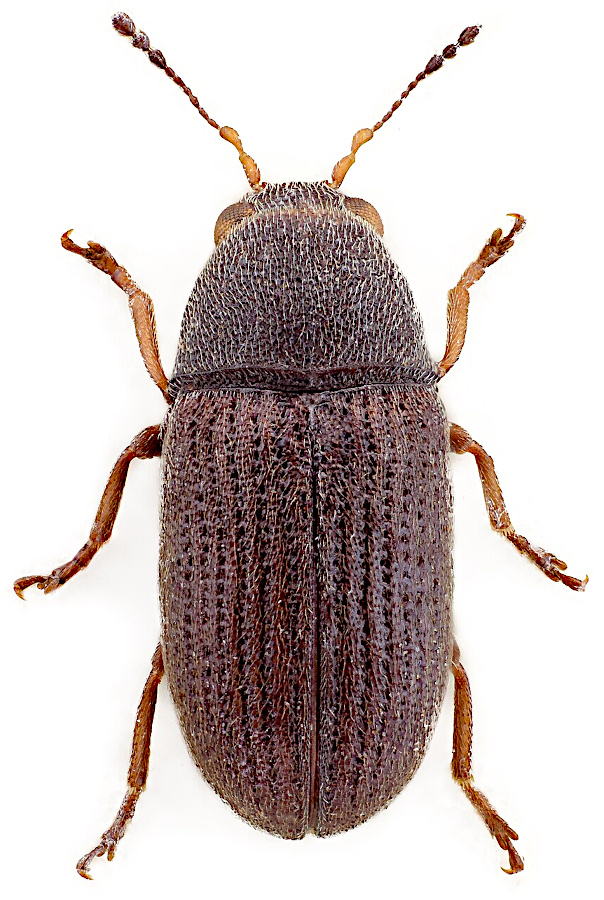
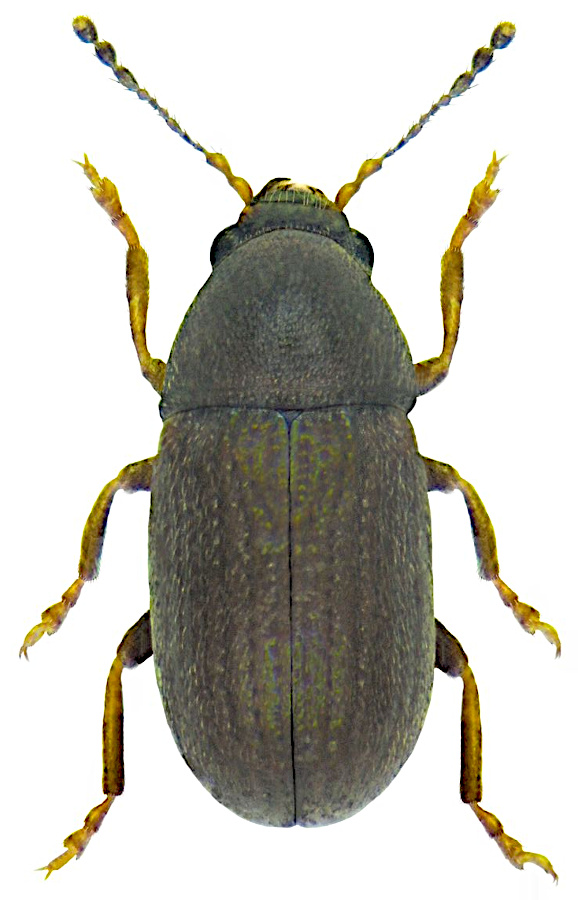
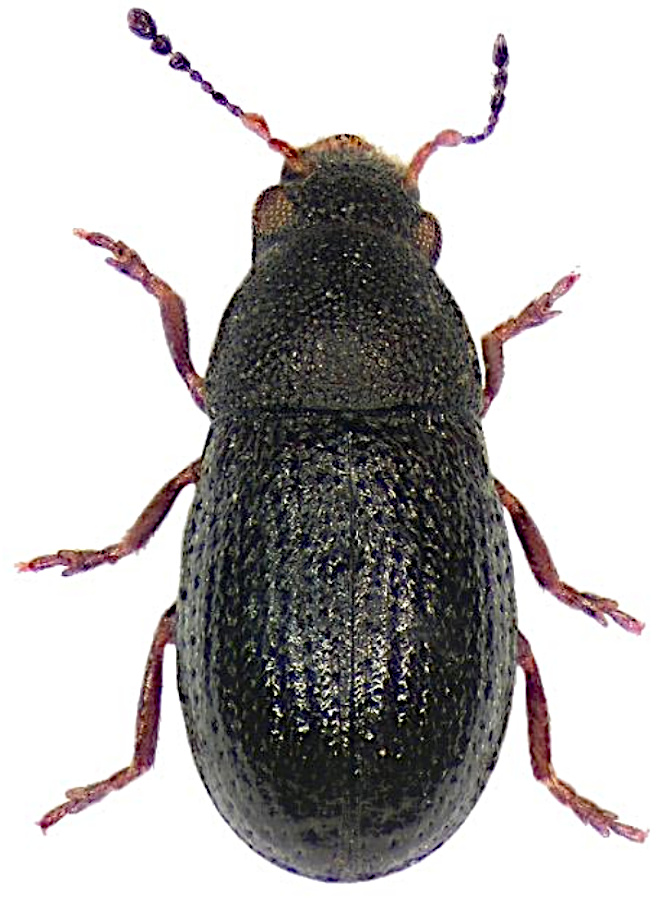
Urodontinae (C.G. Thomson, 1859) |