The Family Atlas |
| Processing Status: | ||
| 20 / 20 | 100% | |
| Size of Species: 1.2 - 14.0 mm |
| Tarsal Formula: 5-5-5 (exceptionally 4-4-4) |
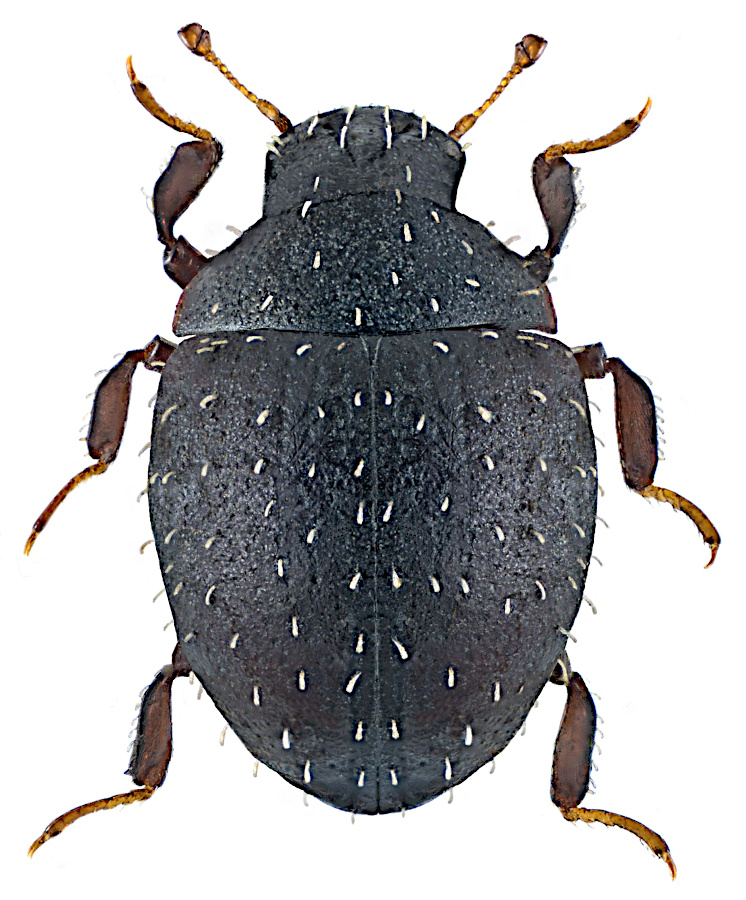
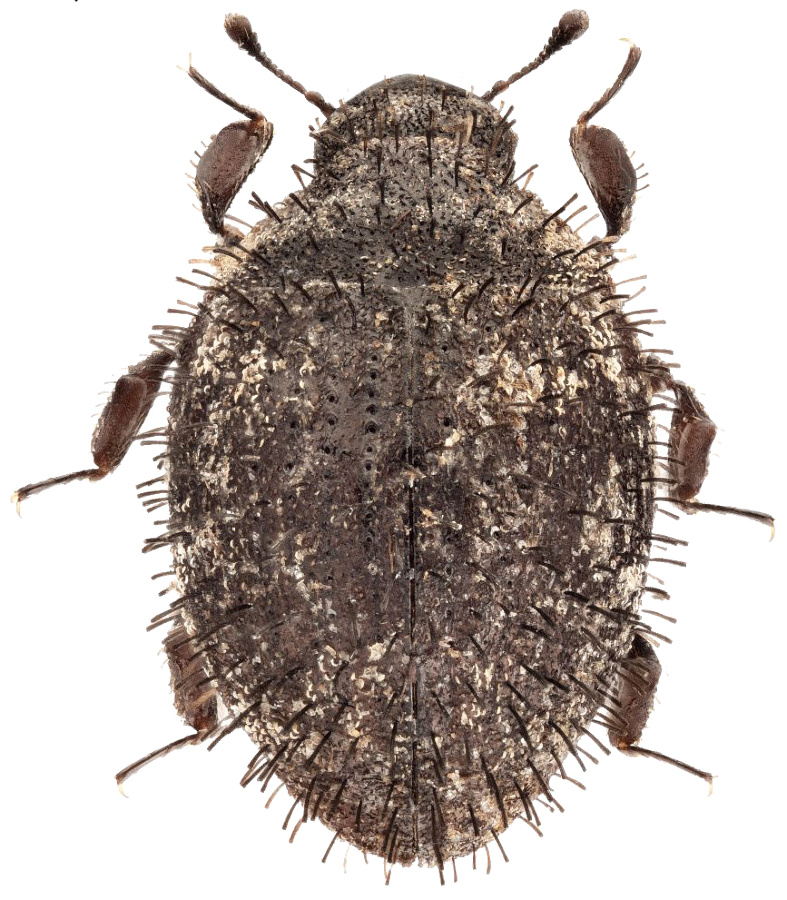
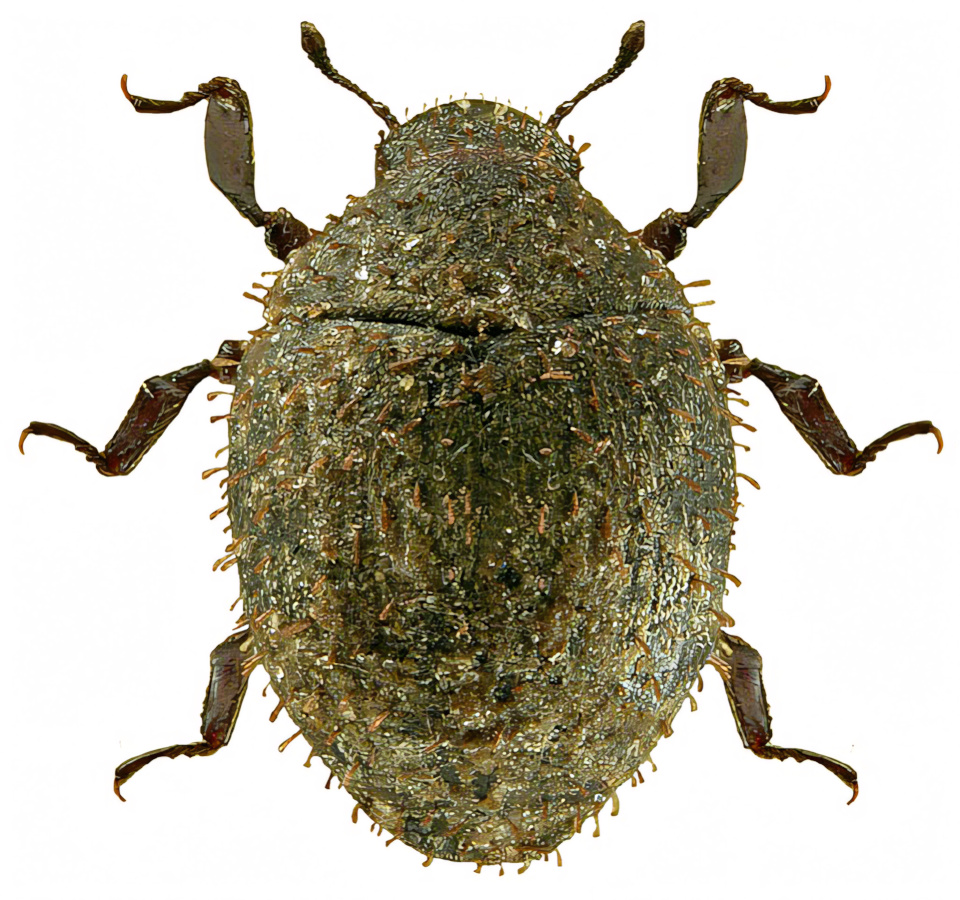
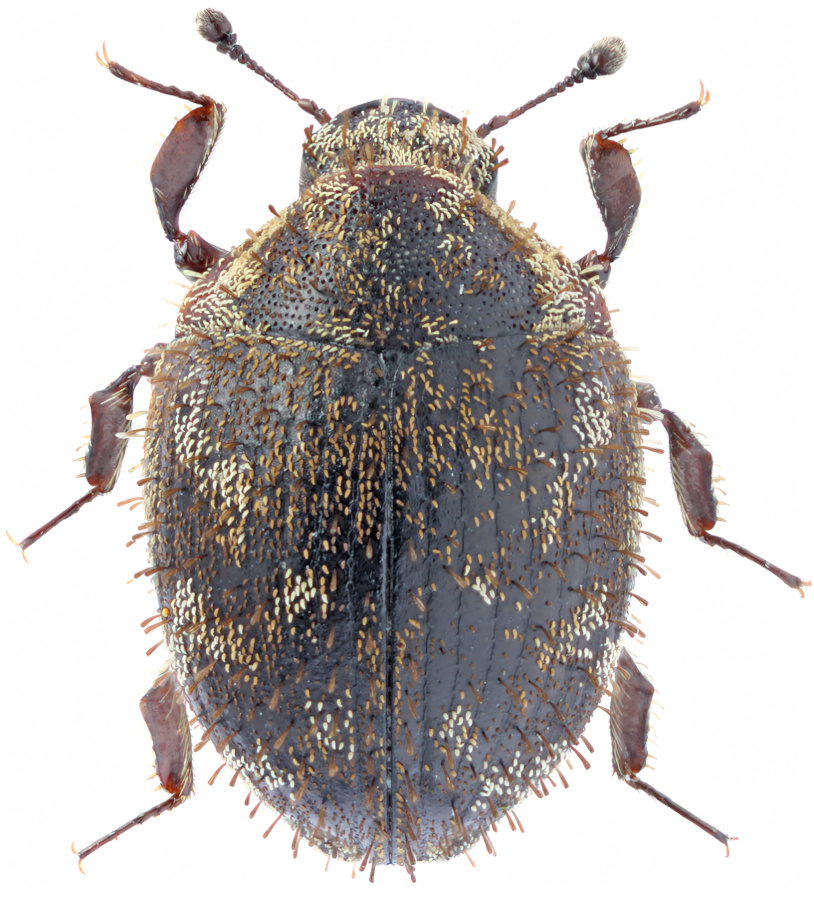
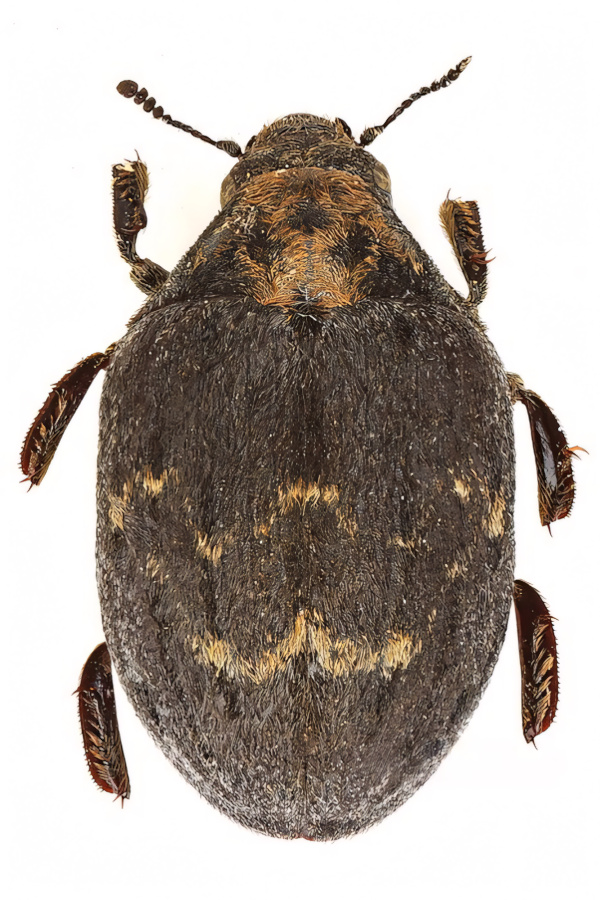
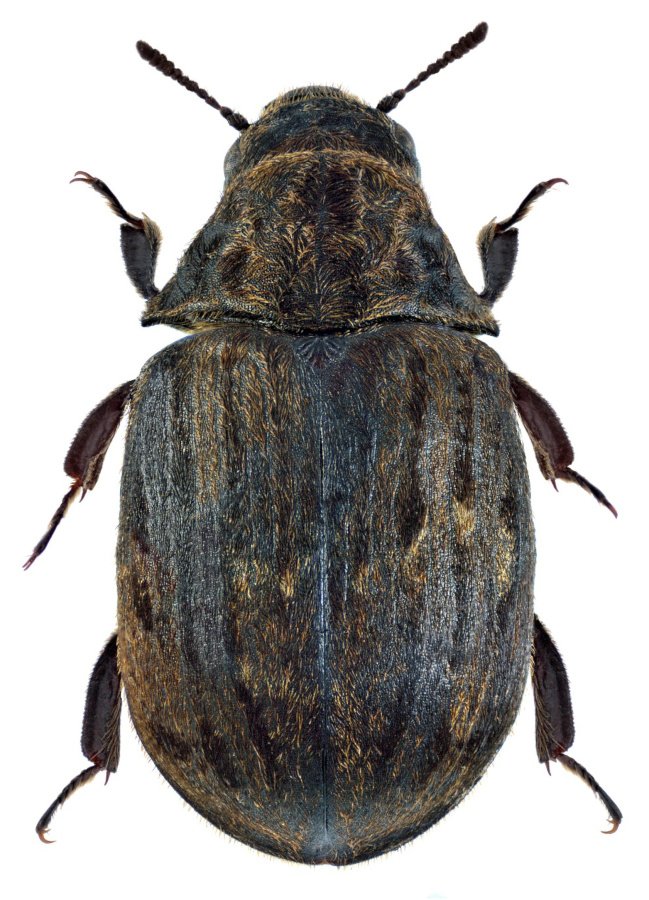
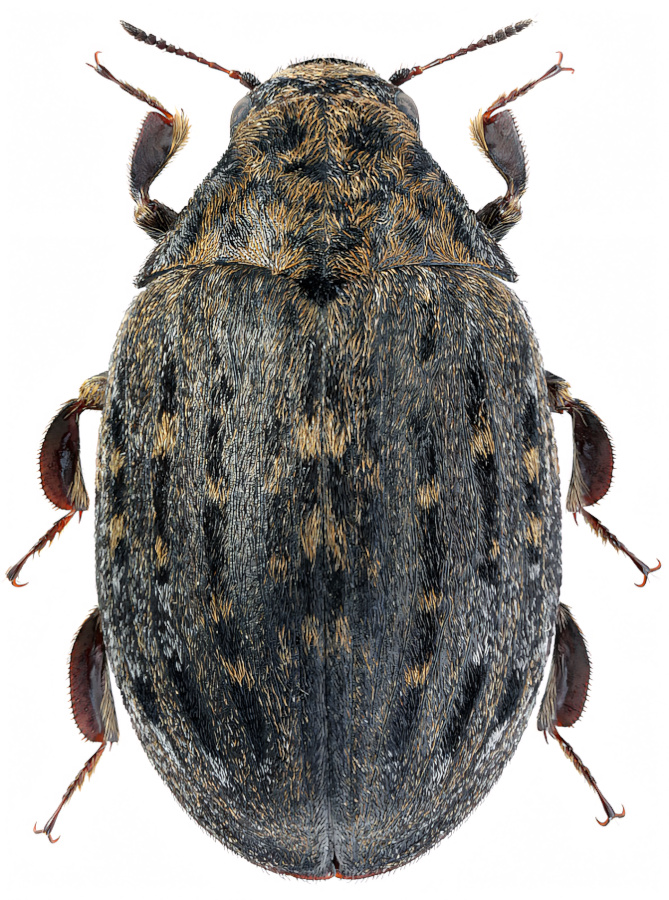
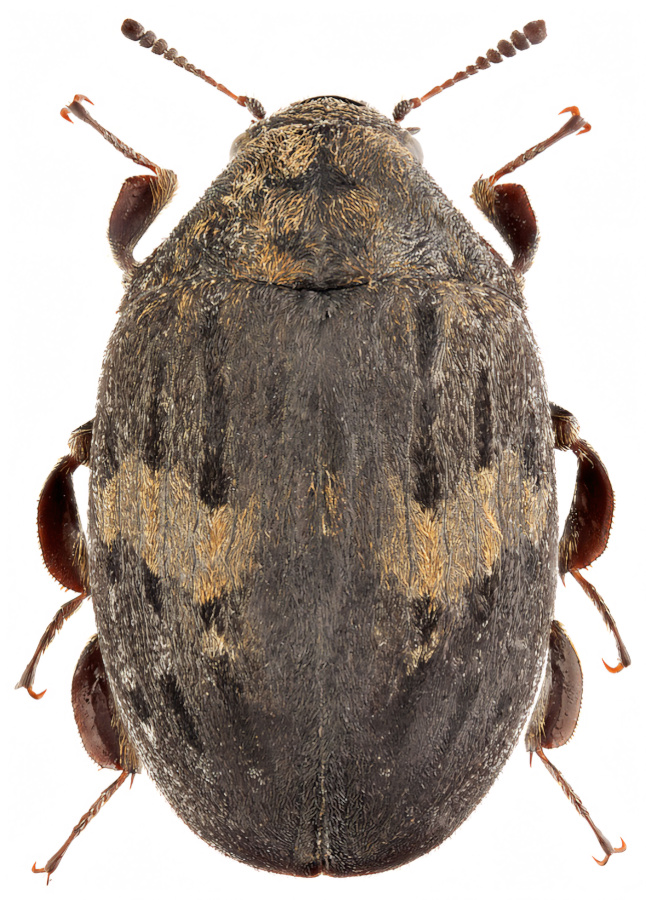
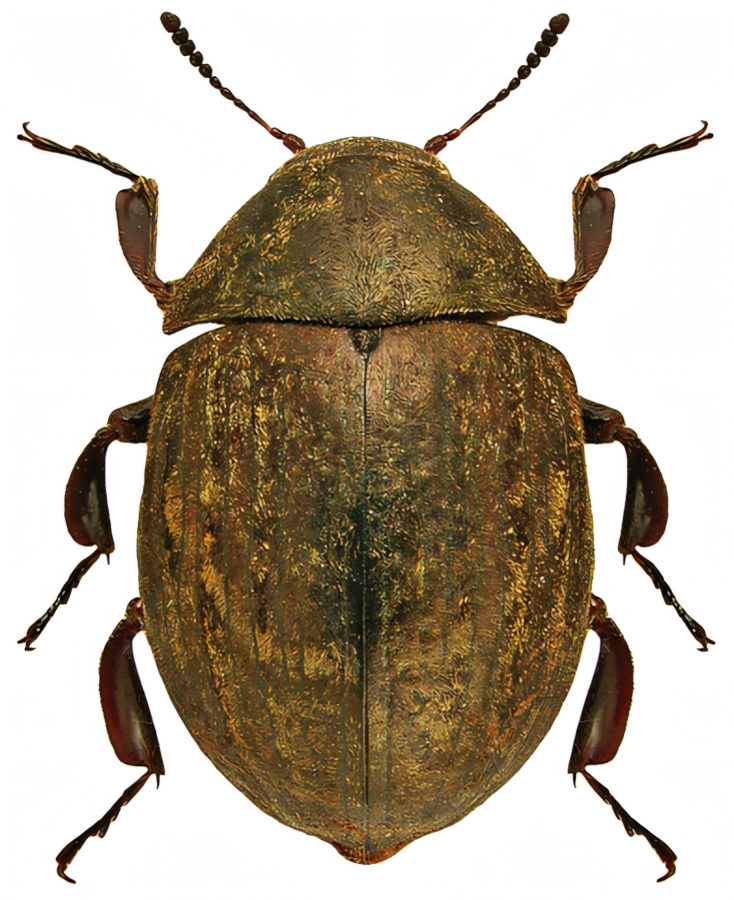
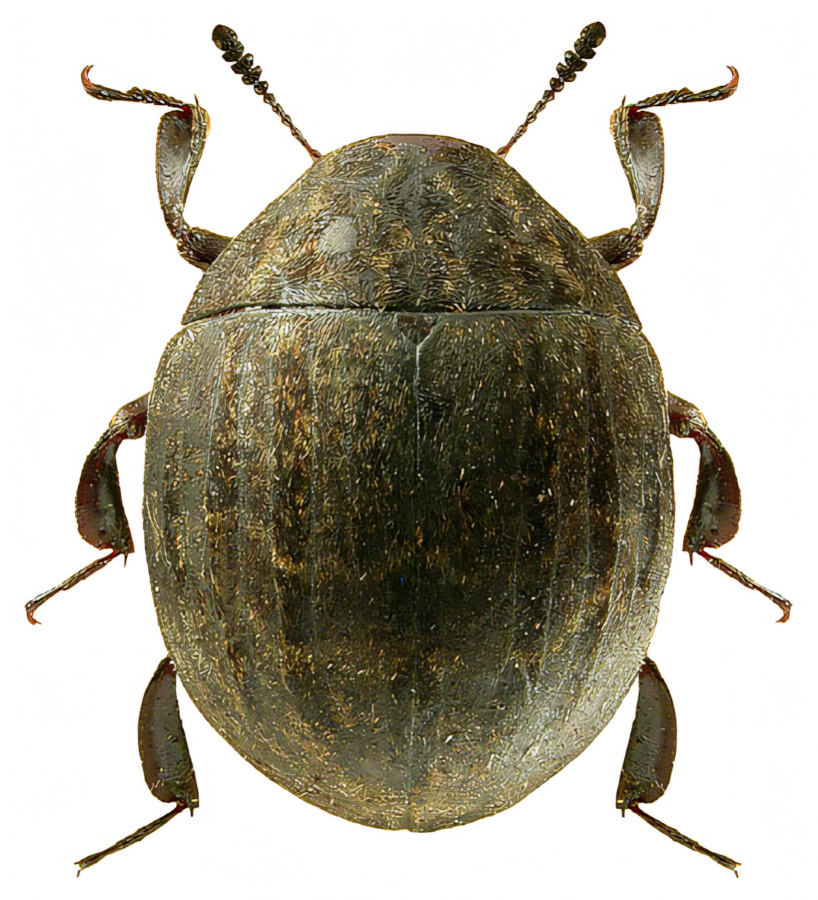
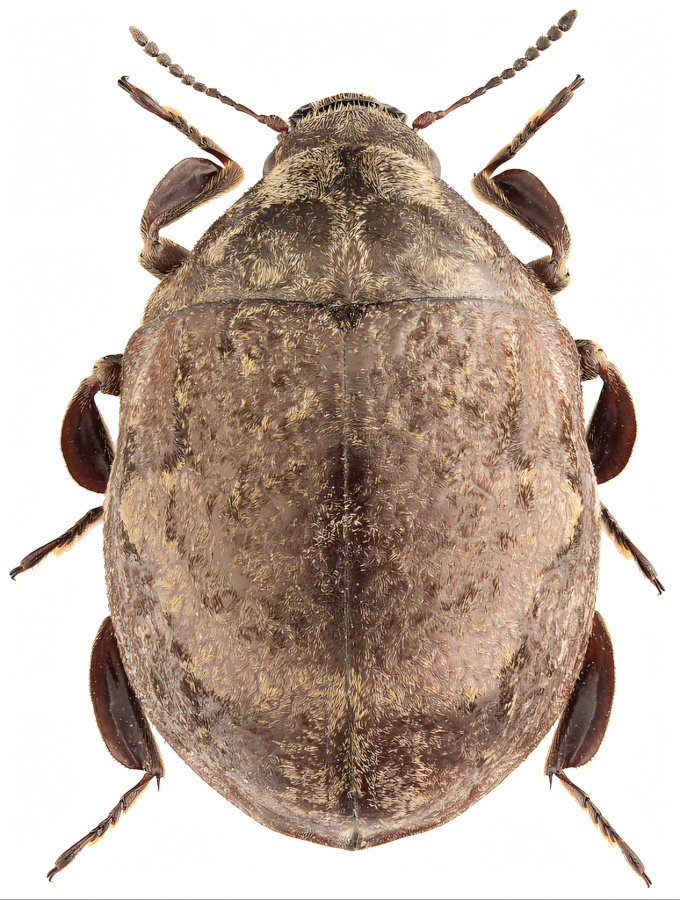
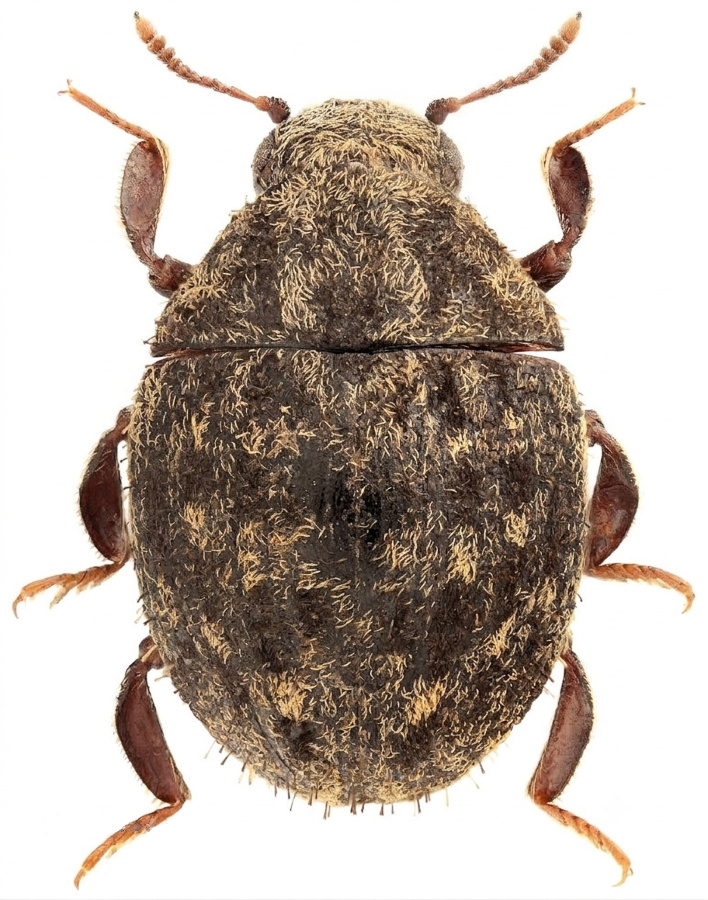
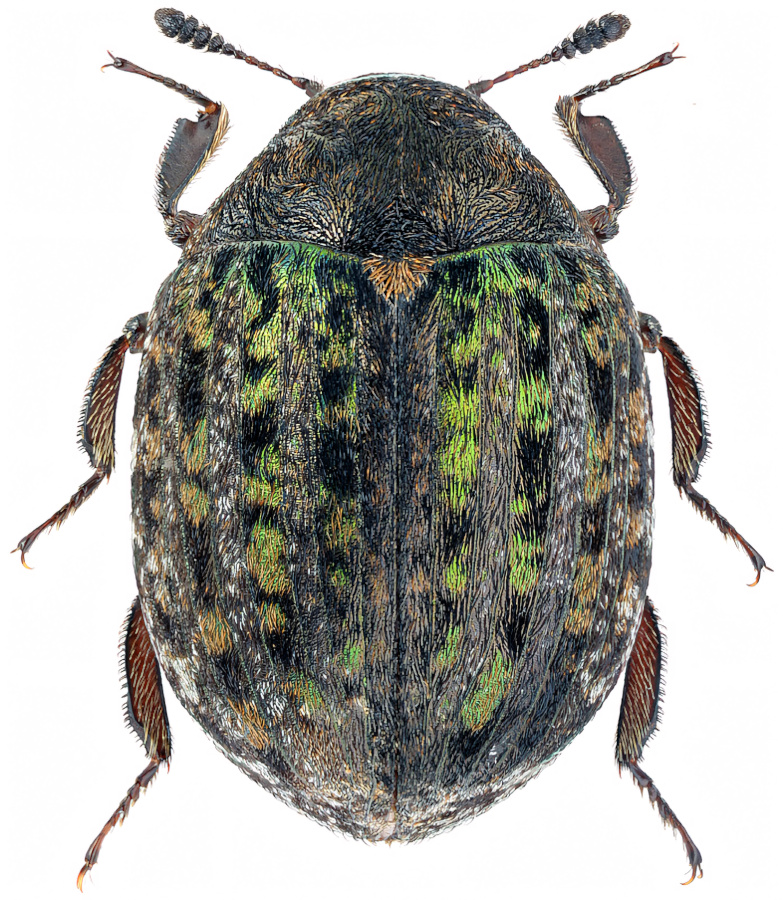
The family Byrrhidae comprises small to medium-sized beetles with a strikingly oval and strongly domed body. Most species inhabit damp habitats in the temperate and colder zones of both the northern and southern hemispheres. Byrrhids are closely associated with cooler and more humid habitats, where they form a stable component of the fauna of moss cushions, lichens and detritus; a smaller proportion also feeds on the remains of higher plants. When threatened, they are able to perfectly retract their head, antennae and all their limbs into specially adapted grooves on the underside of their body, thereby transforming themselves into what appears to be an inanimate ball or a plant seed. This strategy of passive defence (thanatosis) is characteristic of them. Although they are not an economically significant group of beetles, they form an important part of moss communities and the soil surface, and some species are regarded as indicators of well-preserved natural habitats or stages of succession following environmental disturbance.
Number of Species:
| World | 500 | |
| Palaearctic Region | 350 |
| Europe | 115 | |
| Central Europe | 38 |
 |
Family Card |
BYRRHIDAE (Latreille, 1804) |
Byrrhinae (Latreille, 1804) |
Byrrhini (Latreille, 1804) |






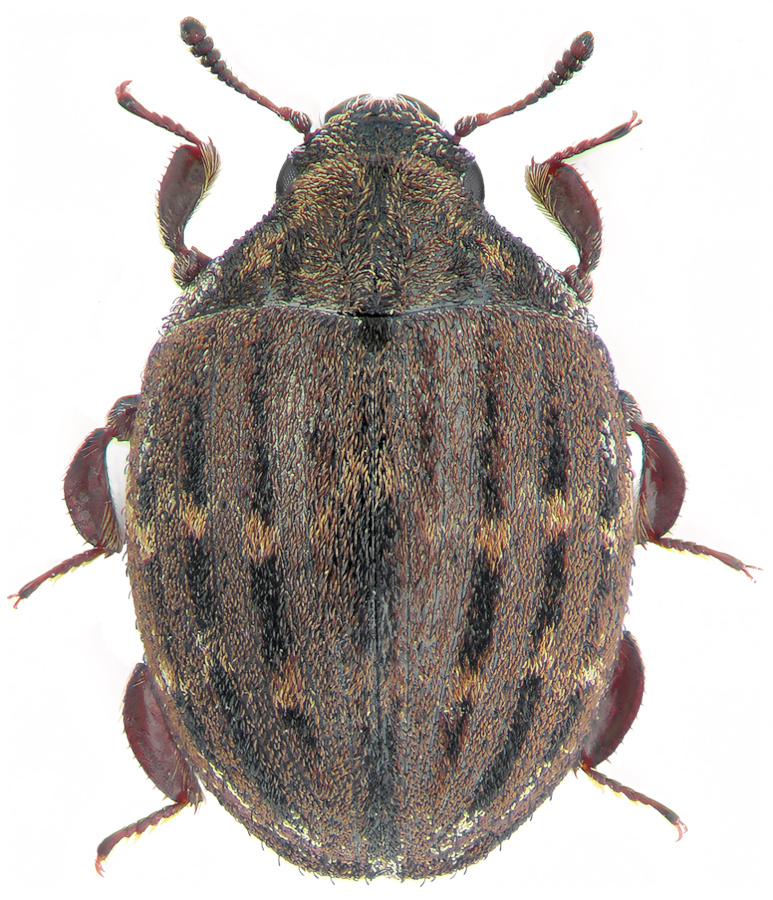
Morychini (El Moursy, 1961) |
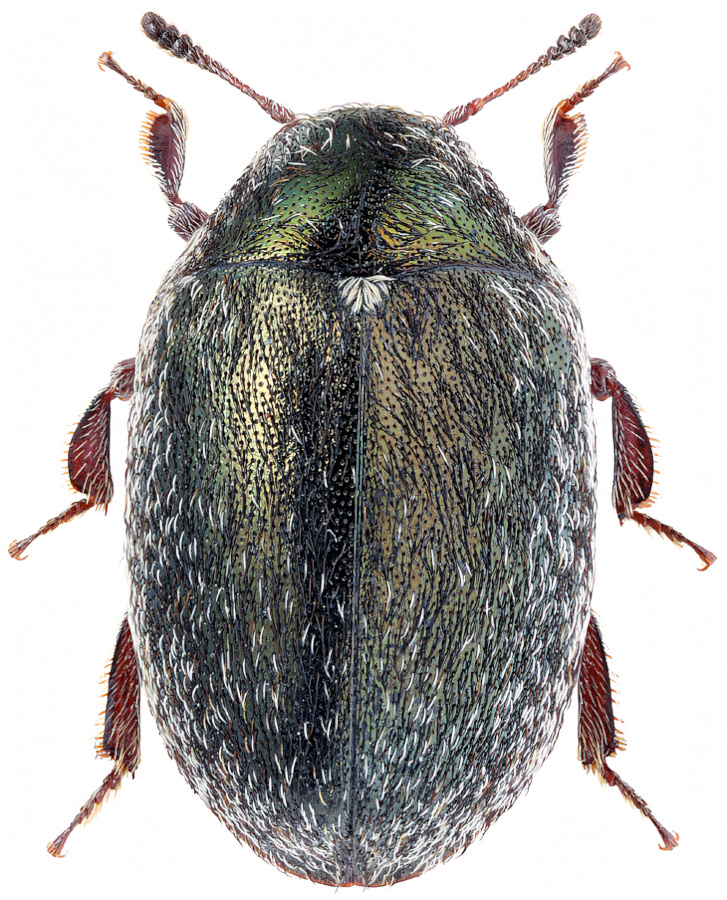
Pedilophorini (Casey, 1912) |
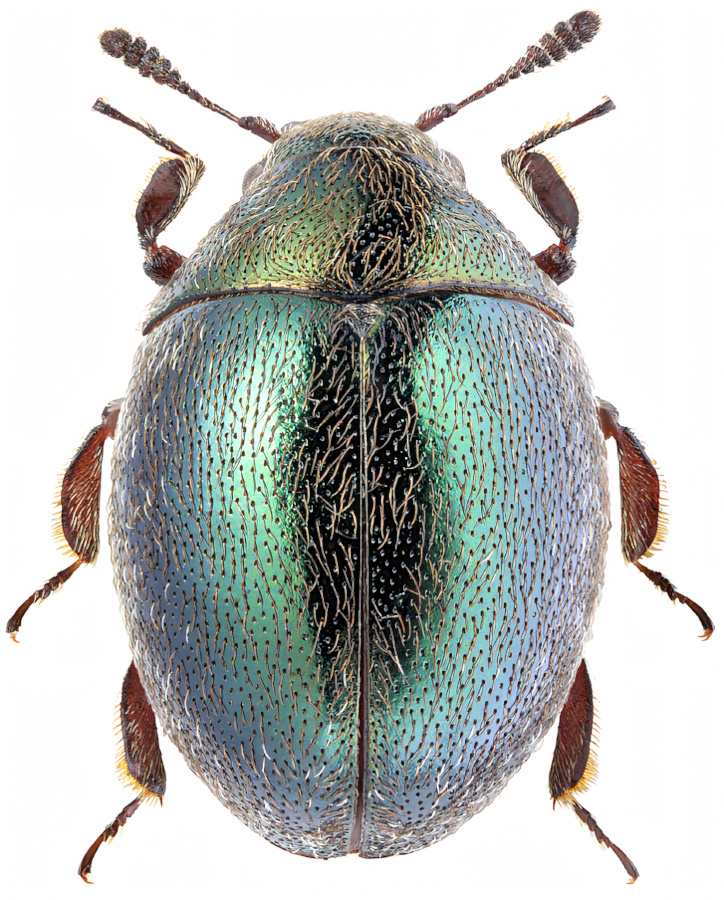
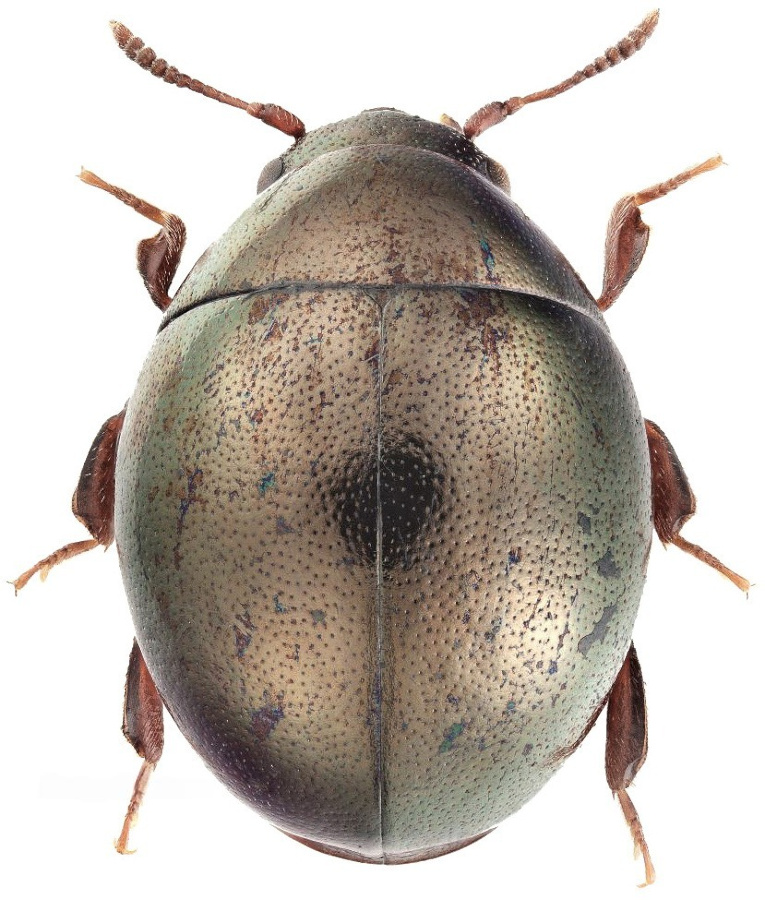
Simplocariini (Mulsant & Rey, 1869) |
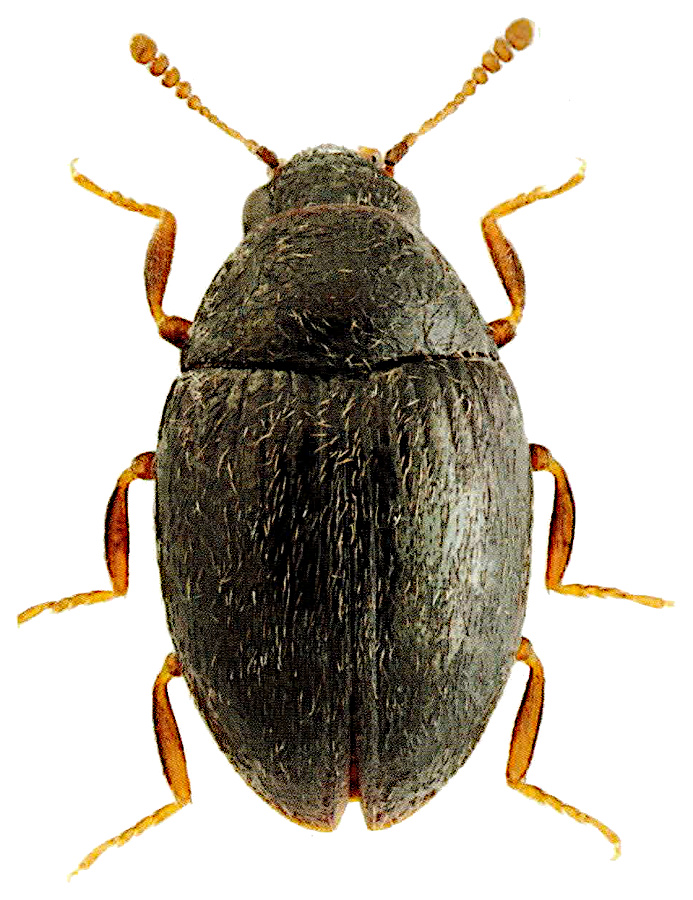
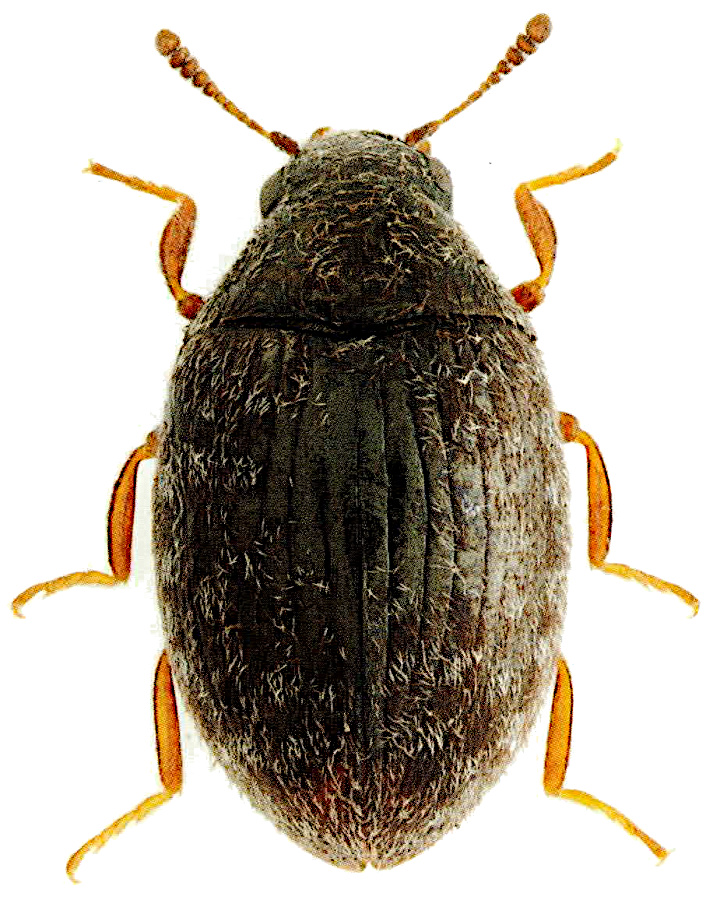
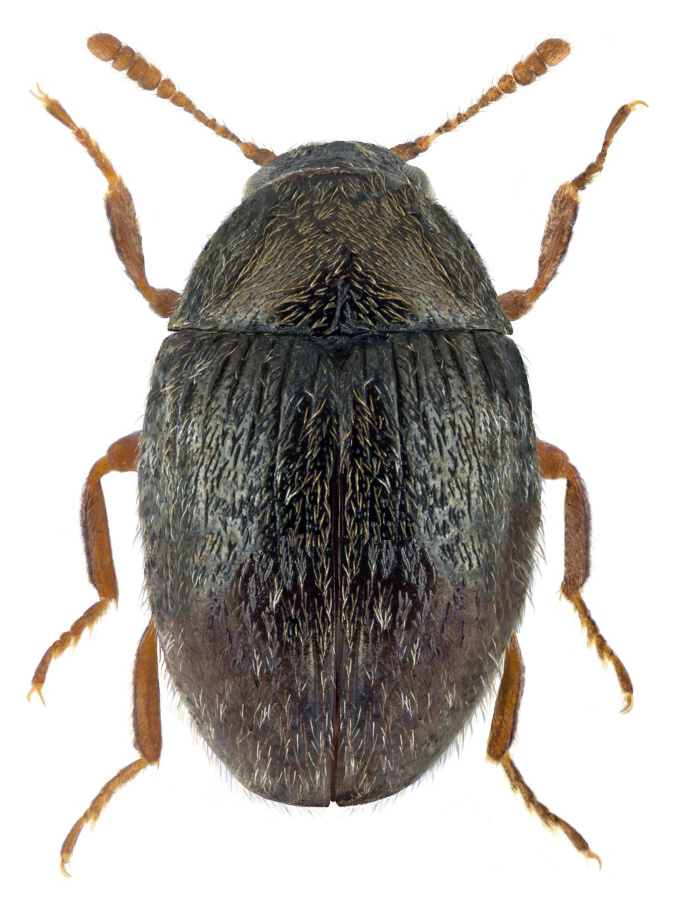
Syncalyptinae (Mulsant & Rey, 1869) |
Syncalyptini (Mulsant & Rey, 1869) |