The Family Atlas |
| Processing Status: | ||
| 22 / 22 | 100% | |
| Size of Species: 2 - 18 mm |
| Tarsal Formula: 5-5-5 |
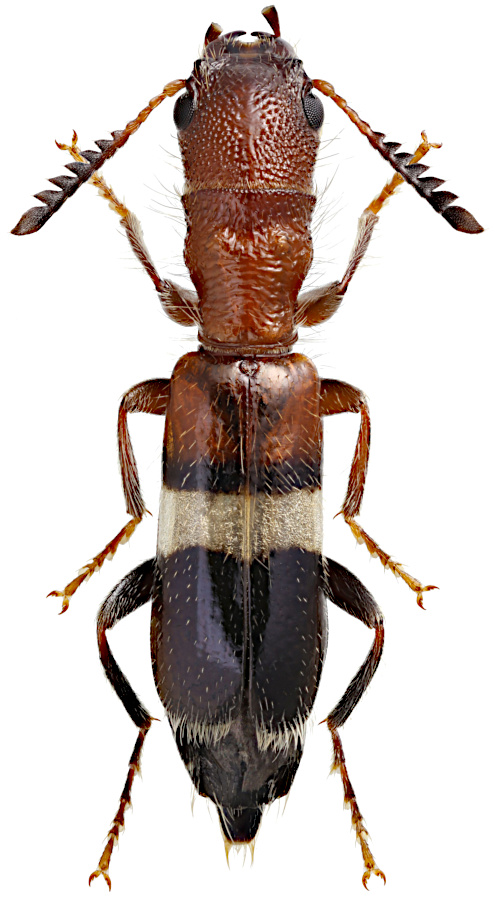
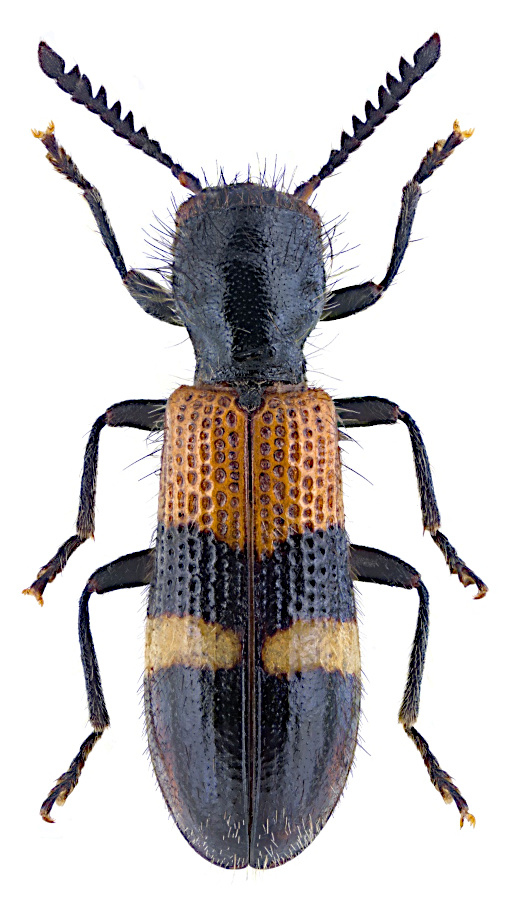
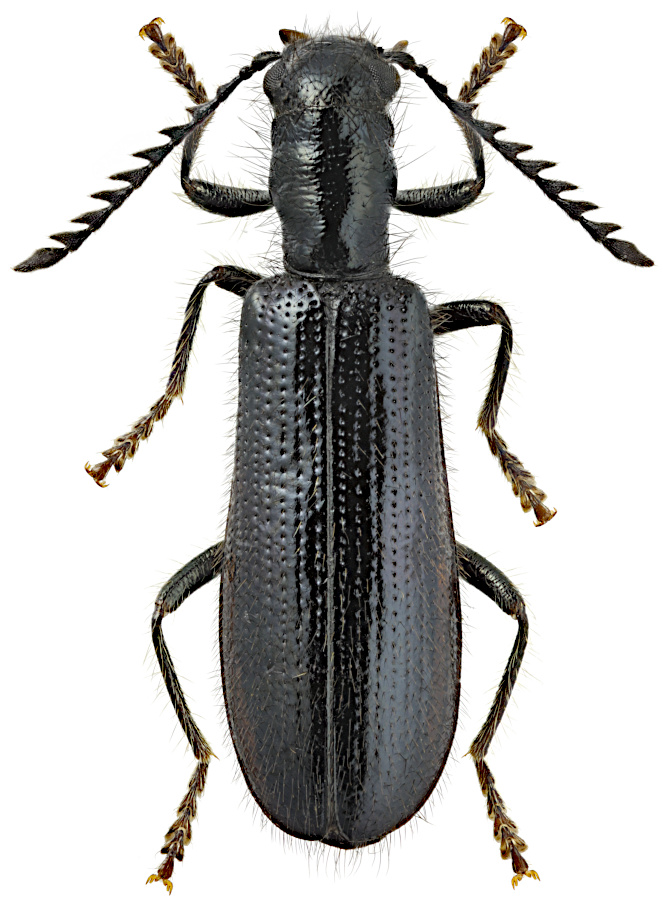
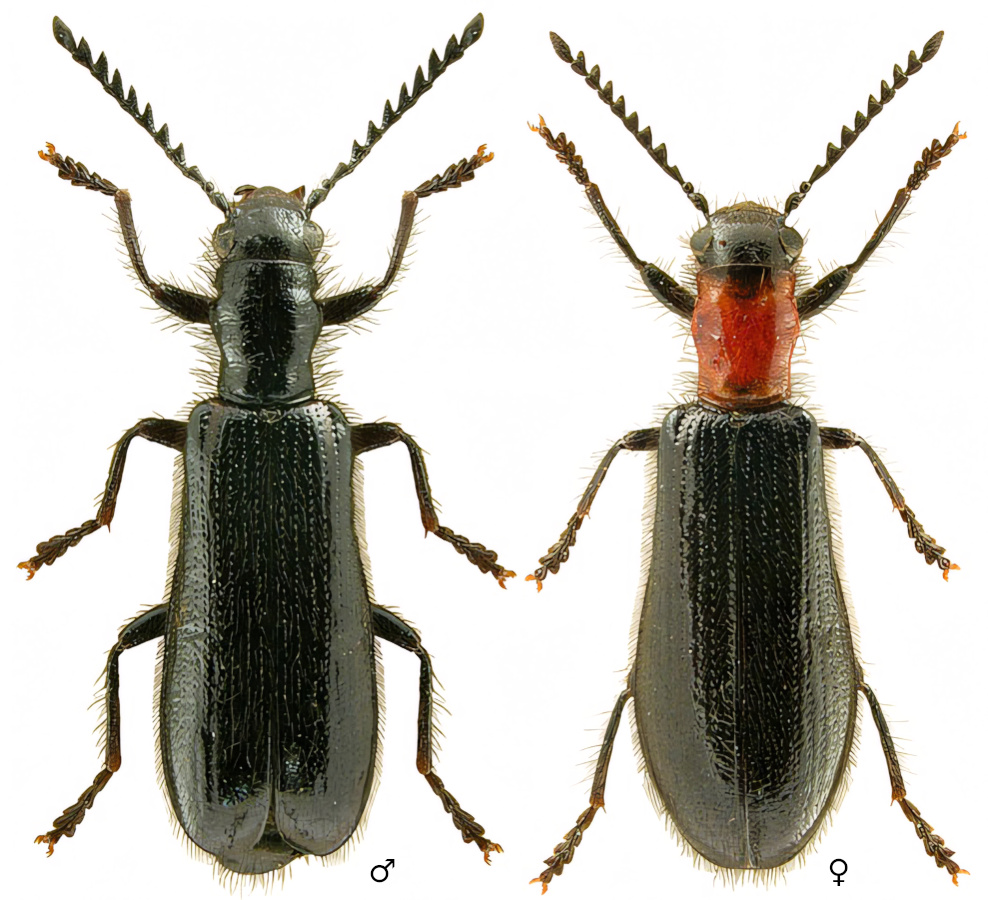
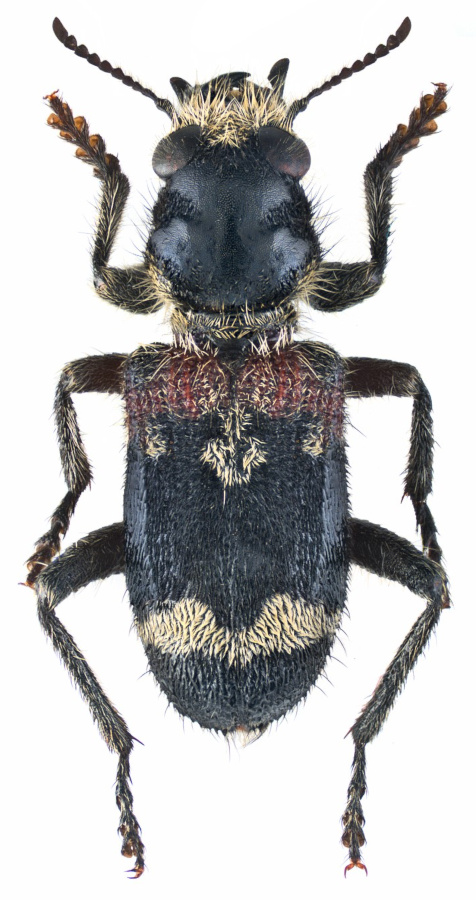
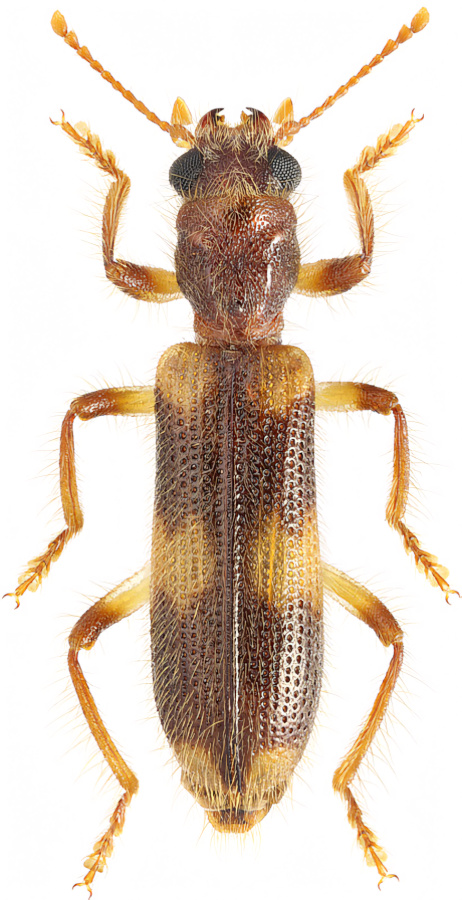
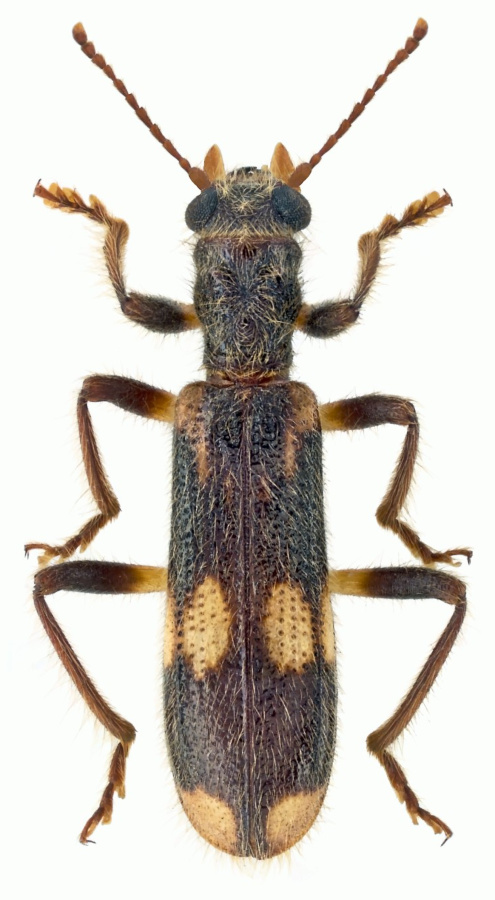
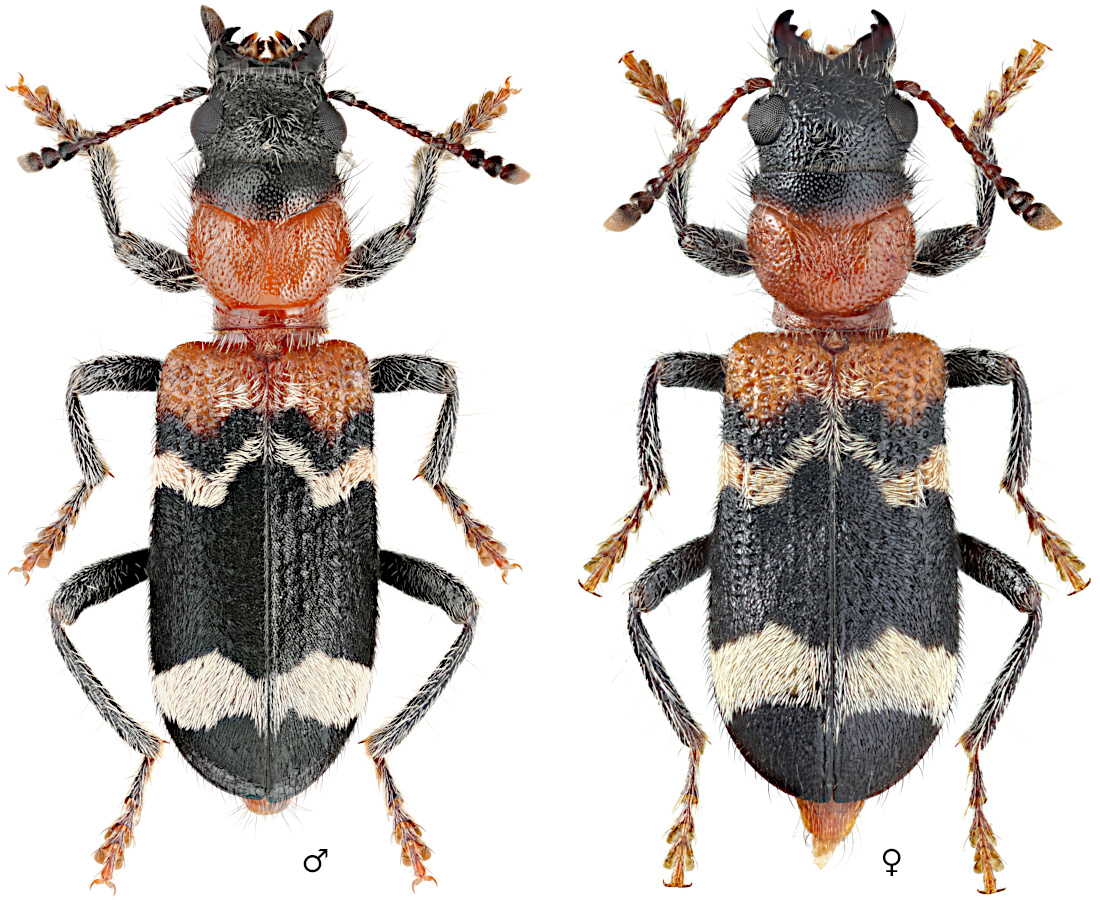
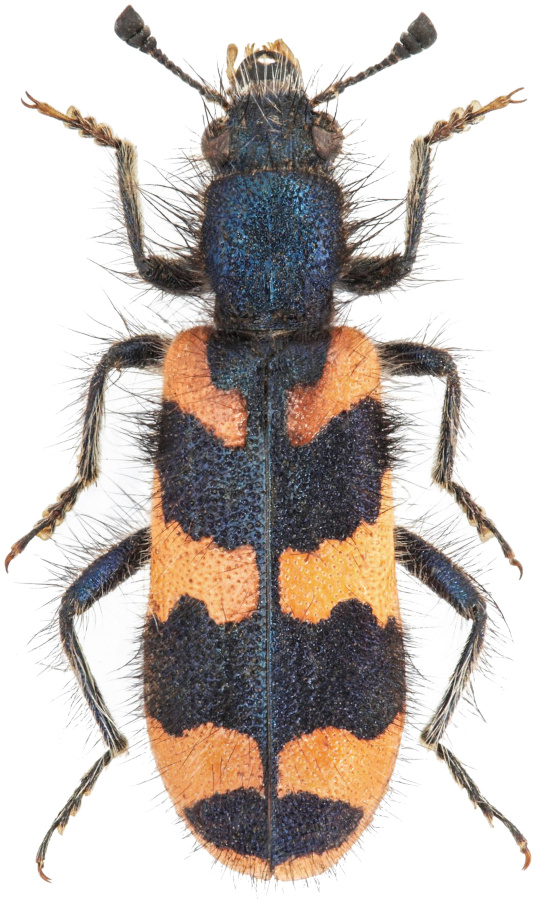
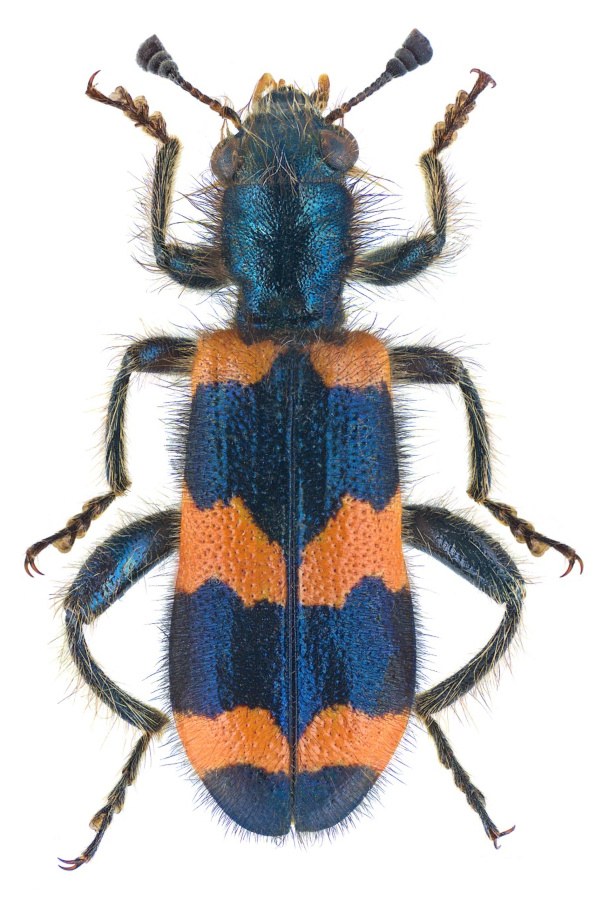
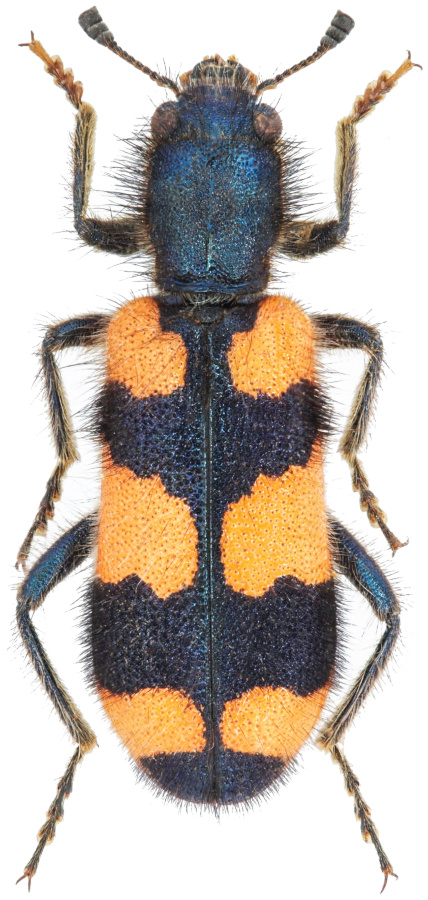
Cleridae are predominantly medium-sized to small predatory beetles of the superfamily Cleroidea, characterised by an elongated to slightly oval body, often striking colouration and dense hairiness. Typical features include a relatively mobile head, antennae of various shapes, powerful mandibular mouthparts and tarsi equipped with pads (pulvilli). In most species, both the larvae and adults are predators. Many species live under bark or in the galleries of wood-boring insects, where they prey mainly on bark beetles, longhorn beetles, carpenter beetles and other beetles. Other species visit flowers, where they feed on prey, pollen or nectar, or develop as commensals or parasites in the nests of solitary bees. Further species are saprophagous and develop on carrion, dried meat, hides or other animal materials. Owing to their importance as natural enemies of bark beetles, they are classified as economically beneficial insects; at the same time, they include rare, old-growth-tree-dependent and endangered species. They are utilised not only in biological forest protection but also in forensic entomology, where selected species help to determine the time of death.
Number of Species:
| World | 3 900 | |
| Palaearctic Region | 215 |
| Europe | 70 | |
| Central Europe | 28 |
 |
Family Card |
Cleridae (Latreille, 1802) |
Clerinae (Latreille, 1802) |






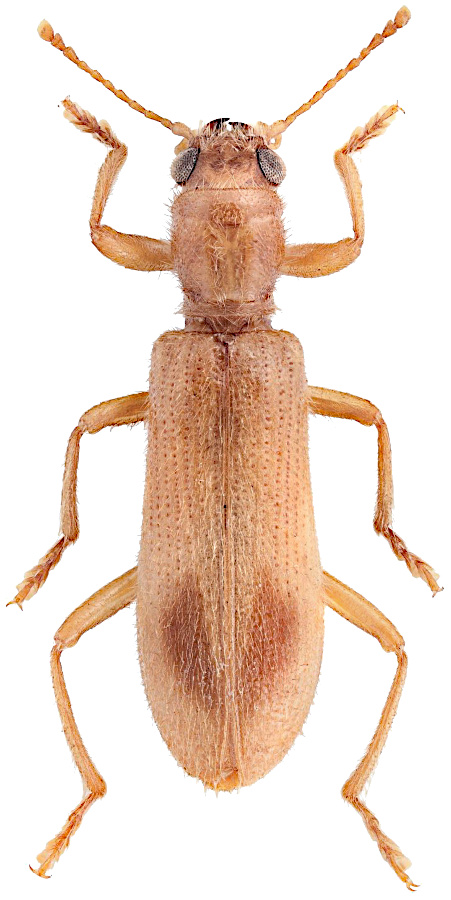
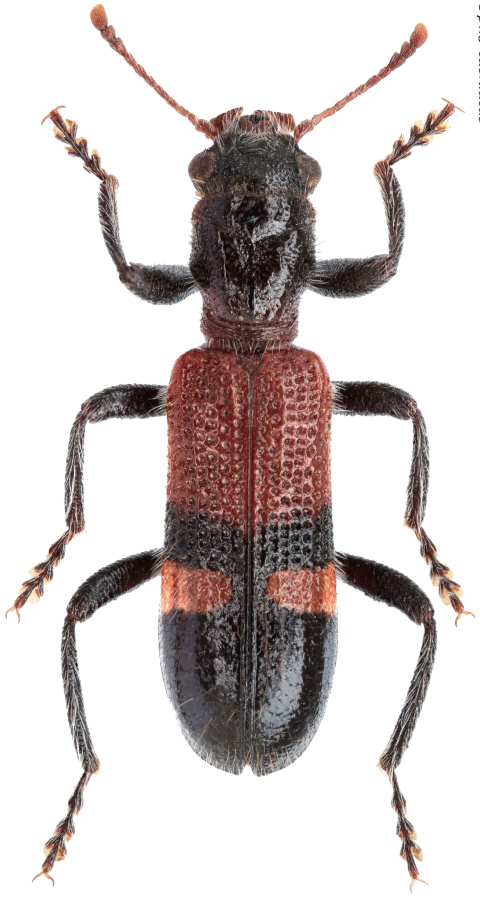
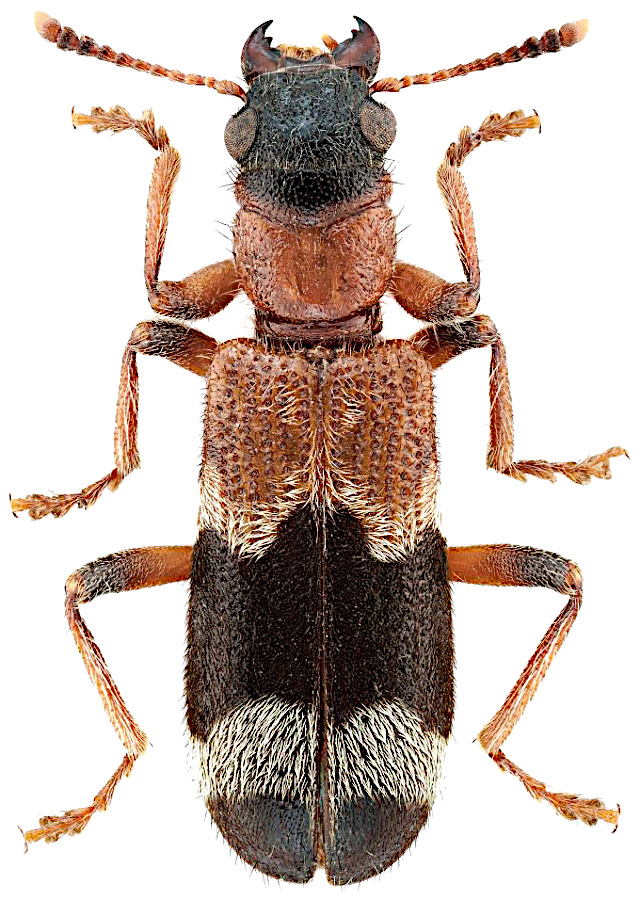
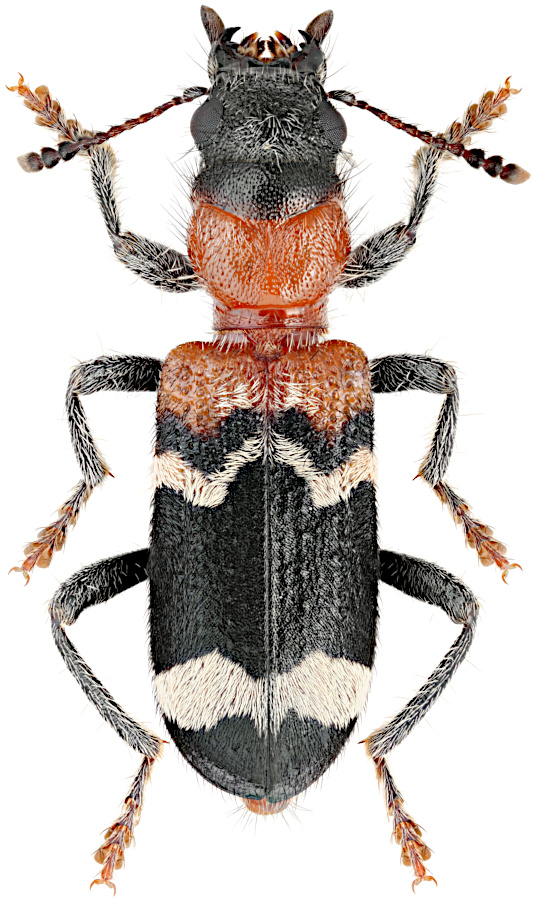
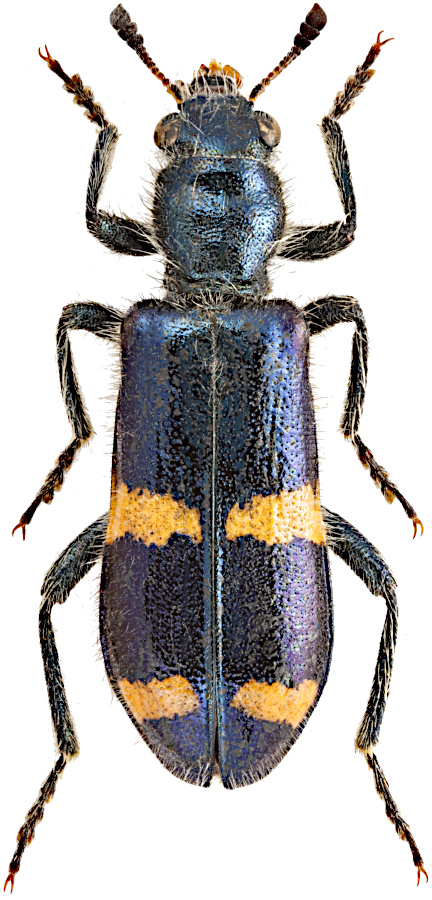
Korynetinae (Laporte, 1838) |
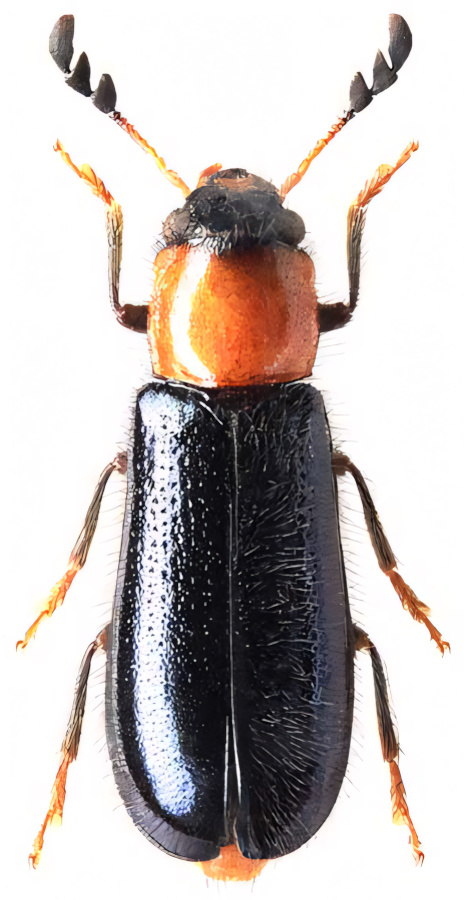
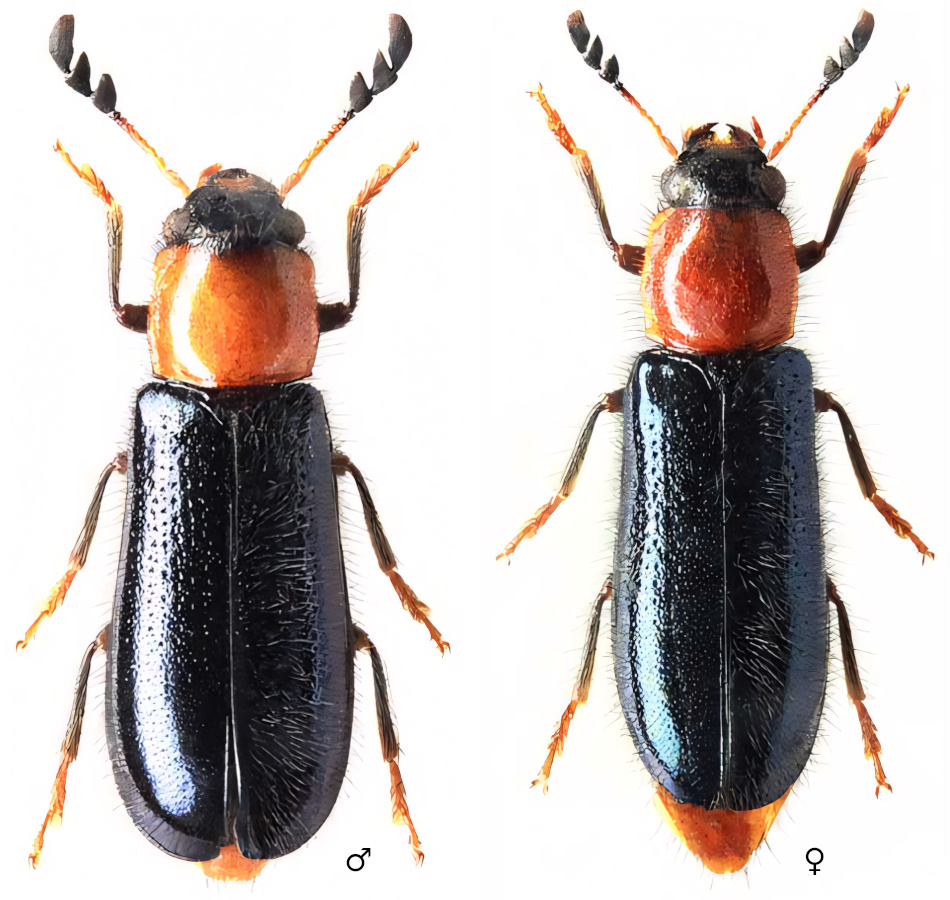
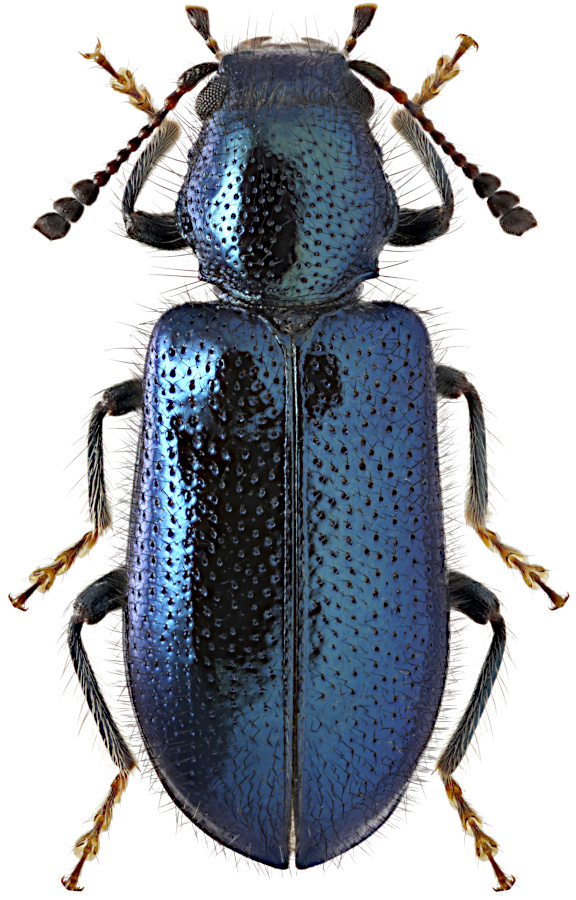
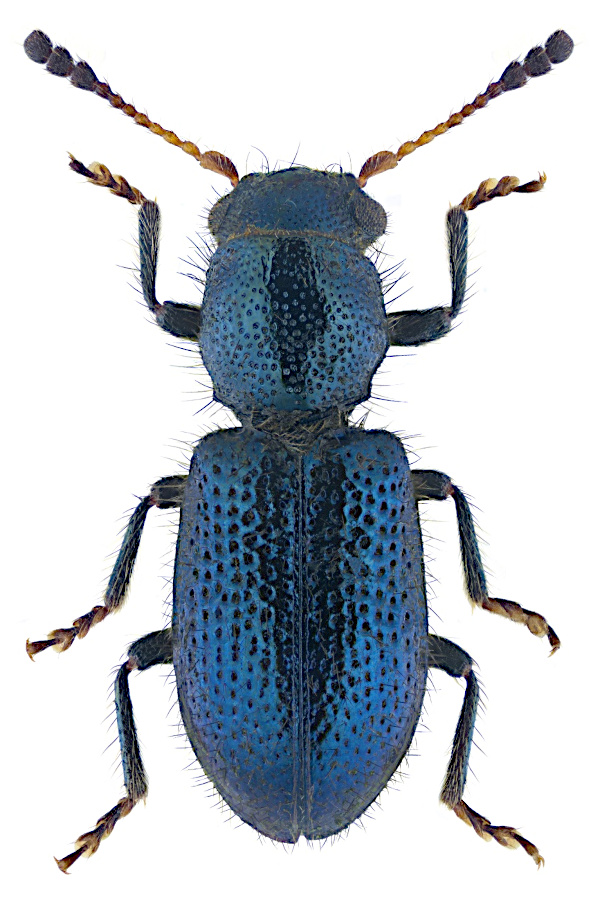
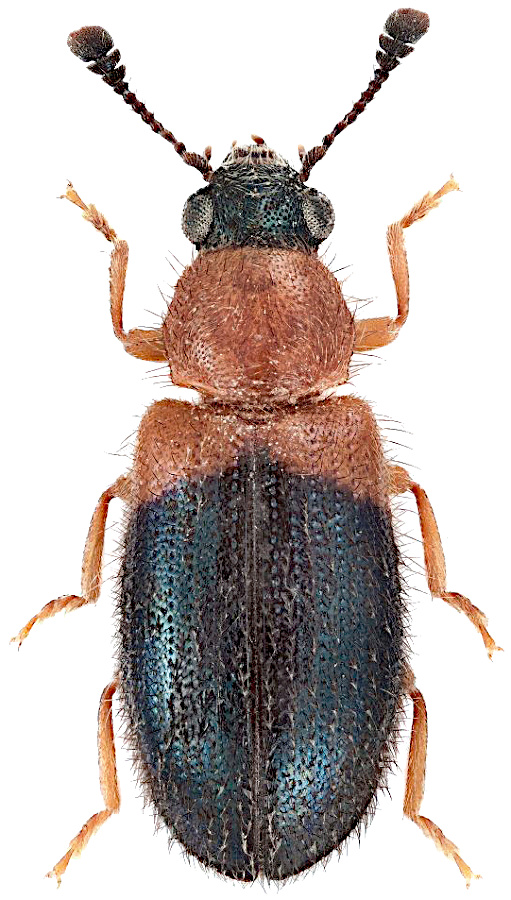
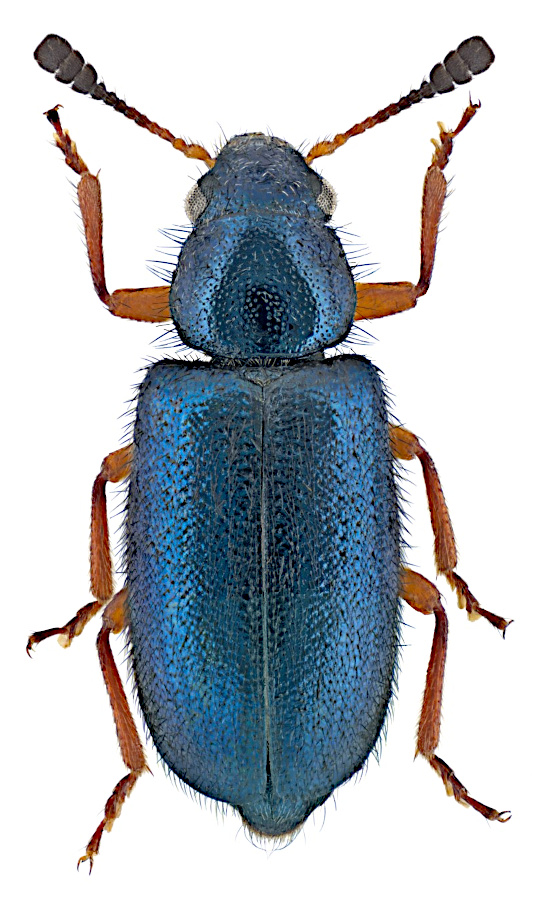
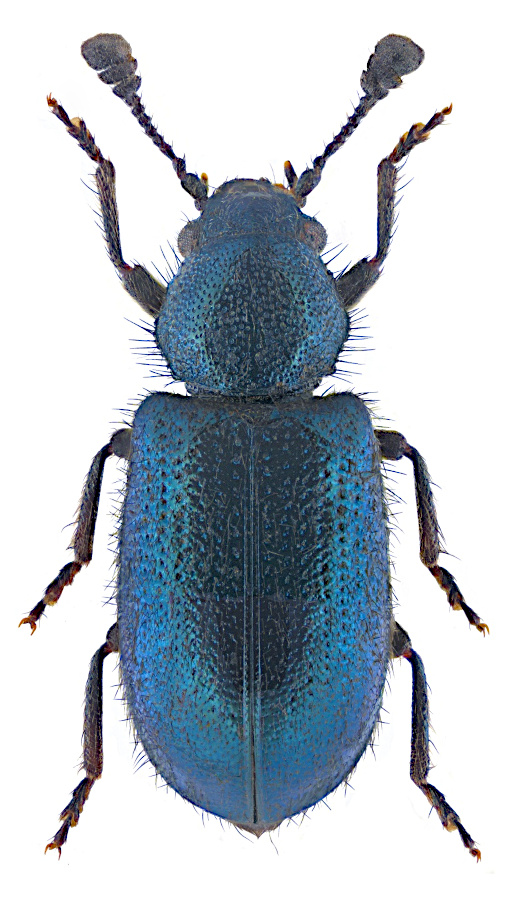
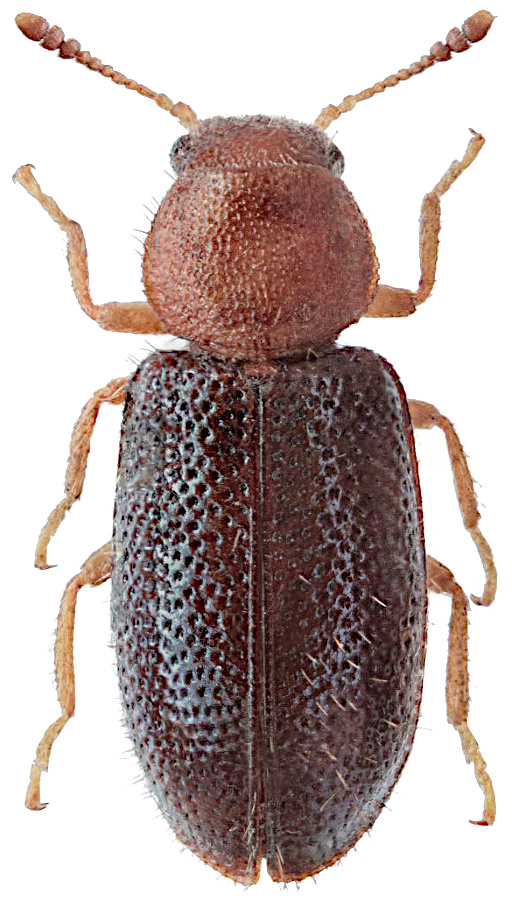
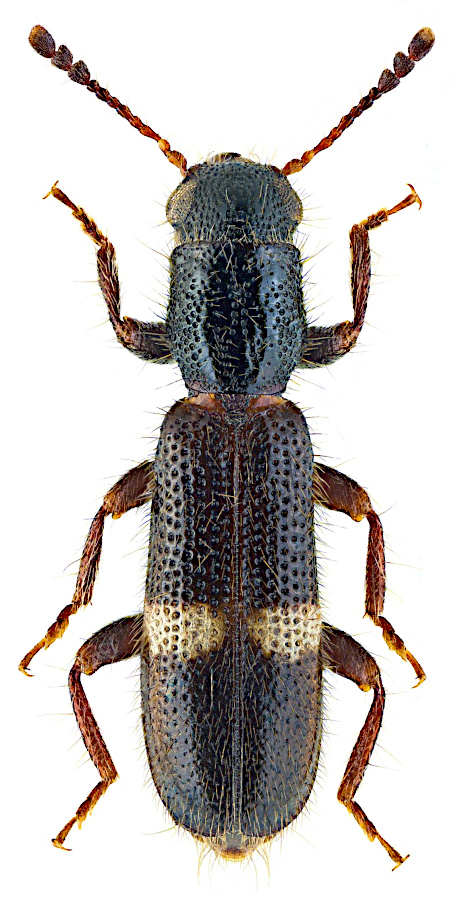
Tillinae (Fischer von Waldheim, 1813) |