| |
Processing Status: |
| |
67 / 68 |
98% |
| Size of Species: 1.3 - 10.0 mm |
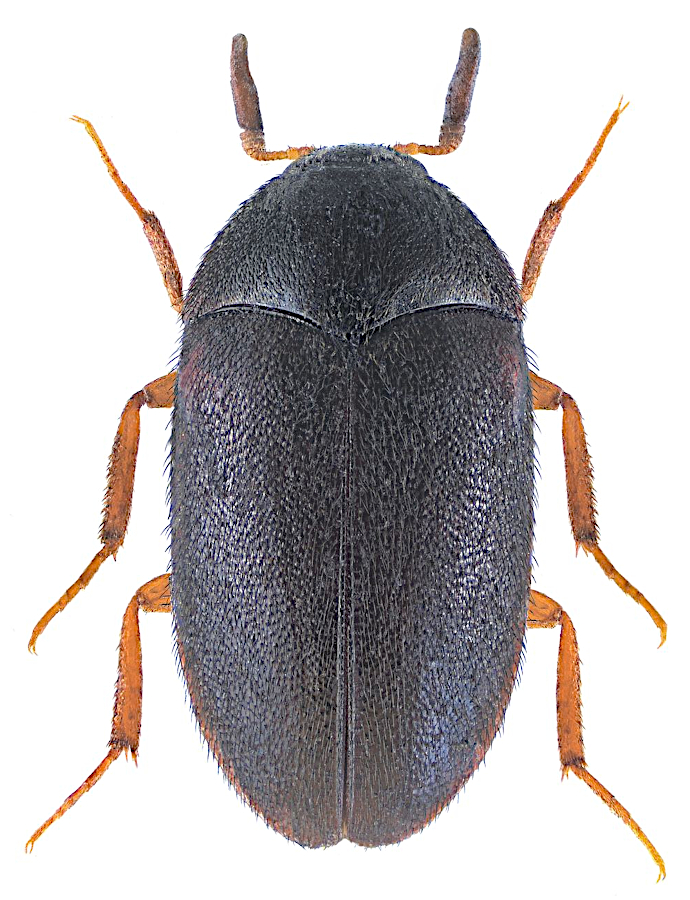
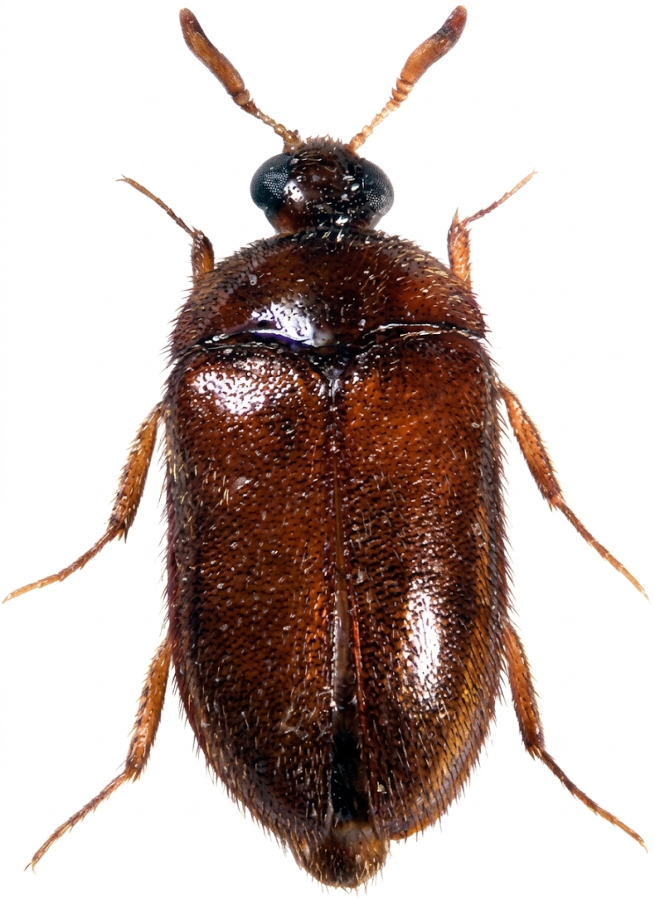
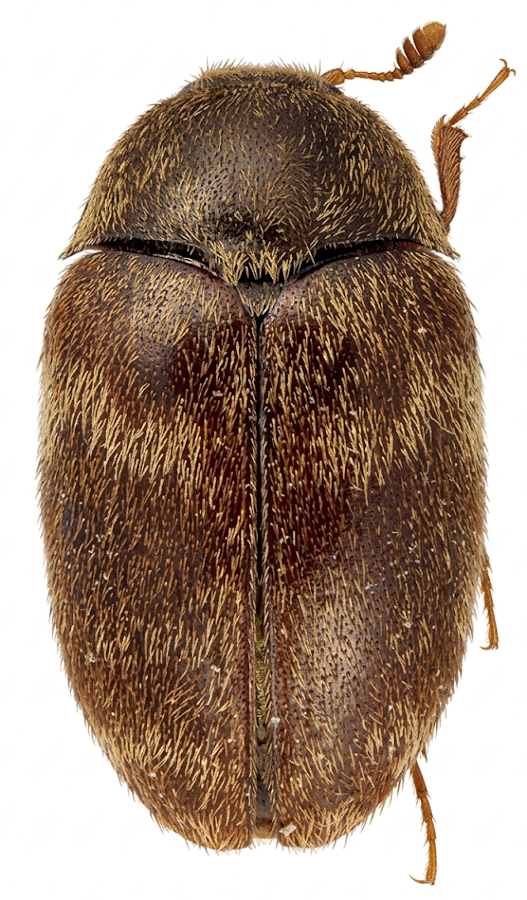
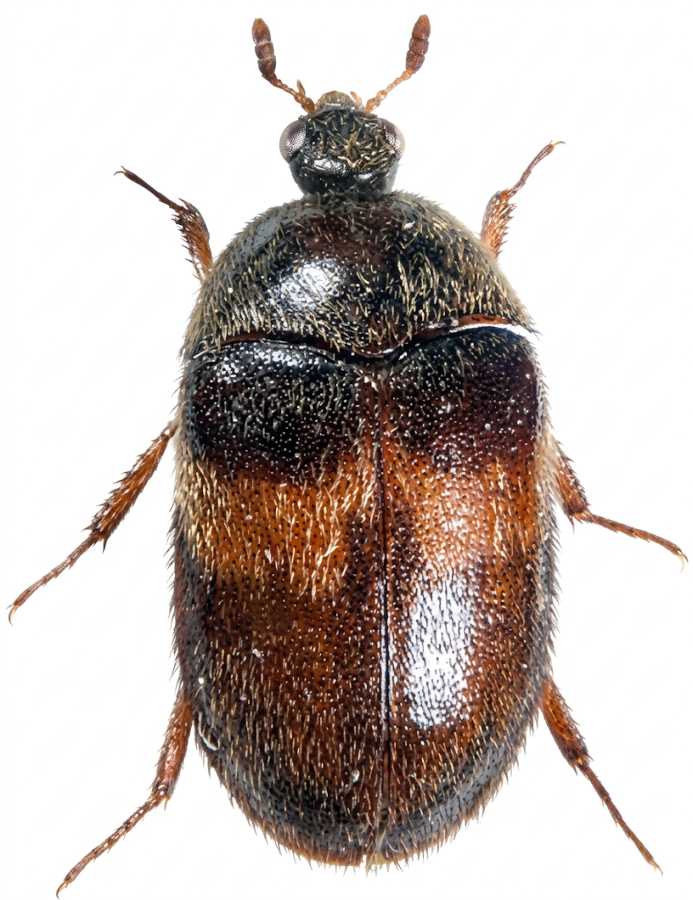
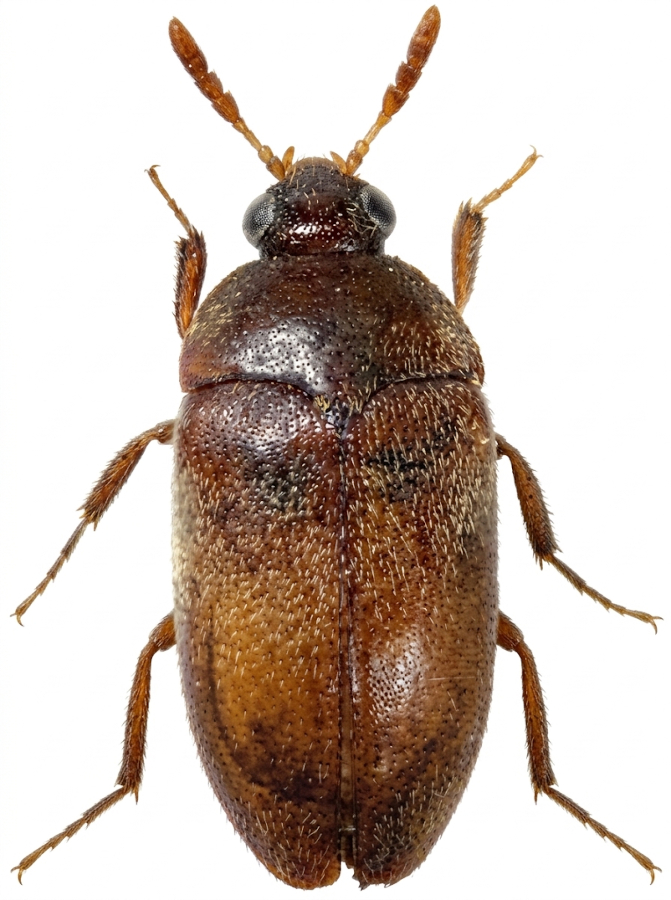
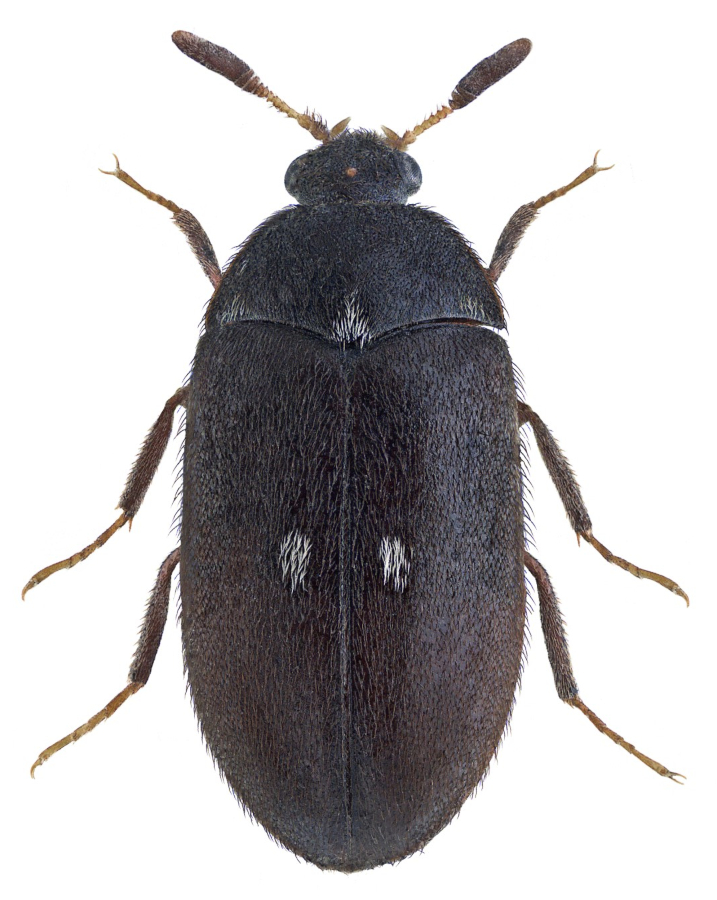
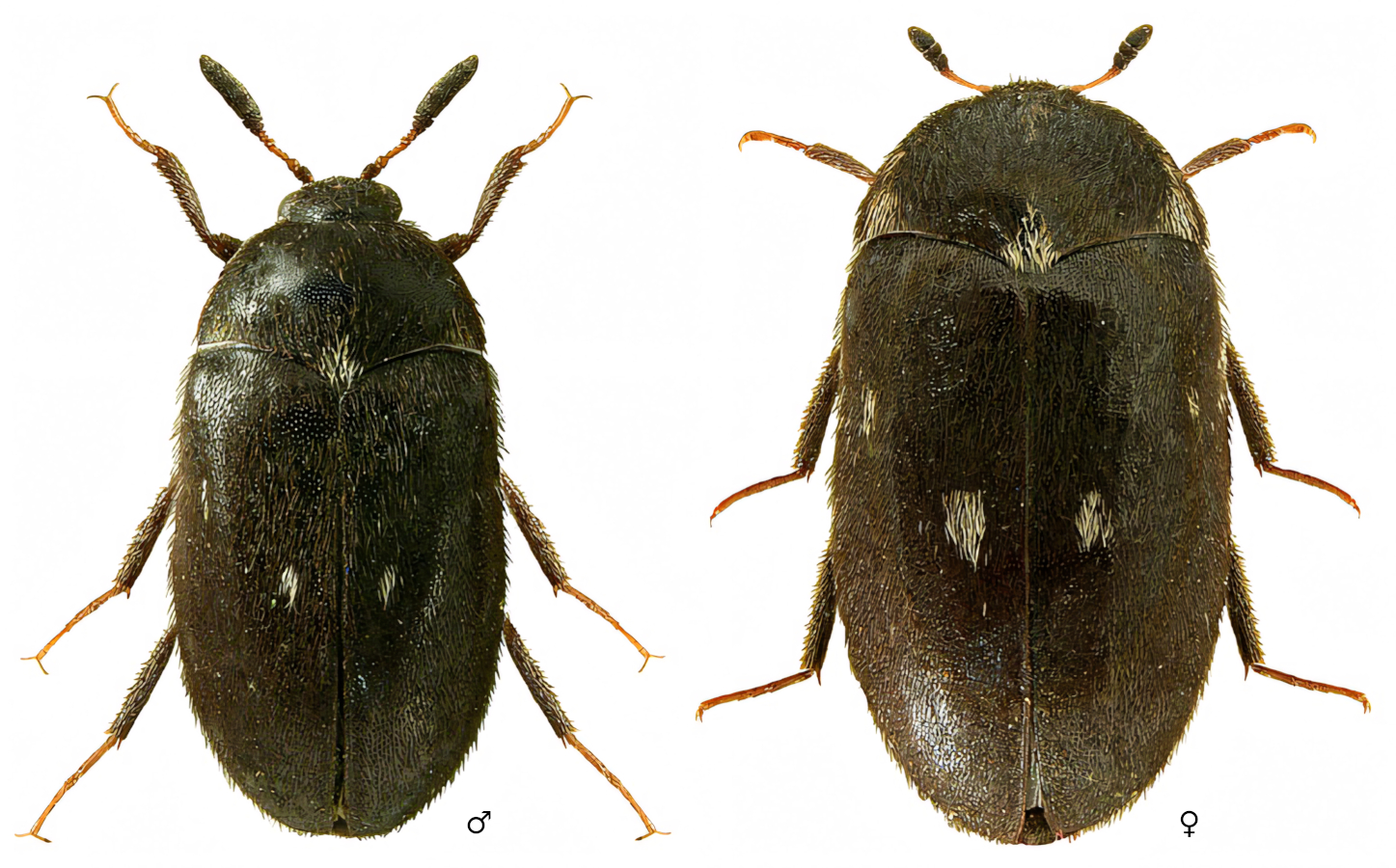
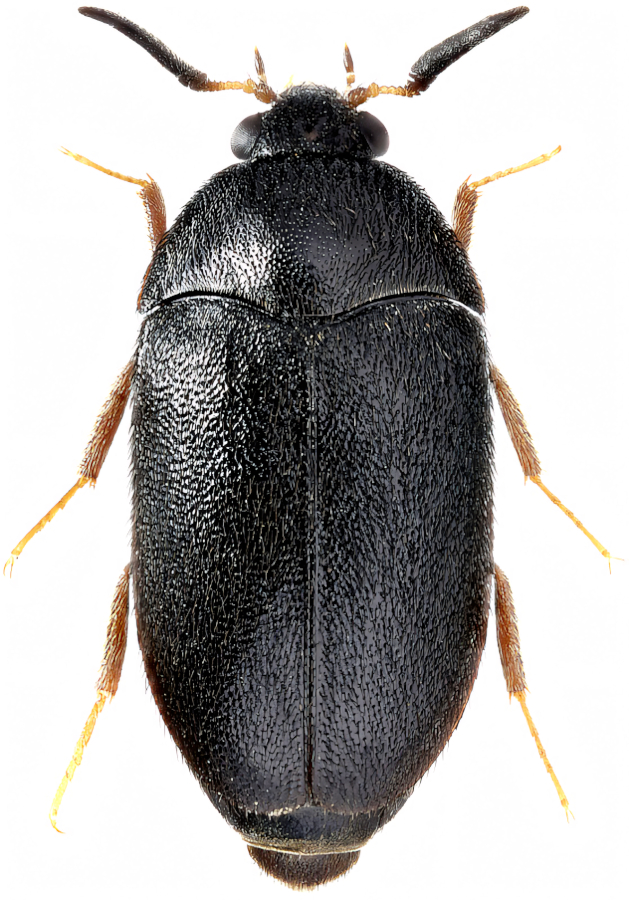
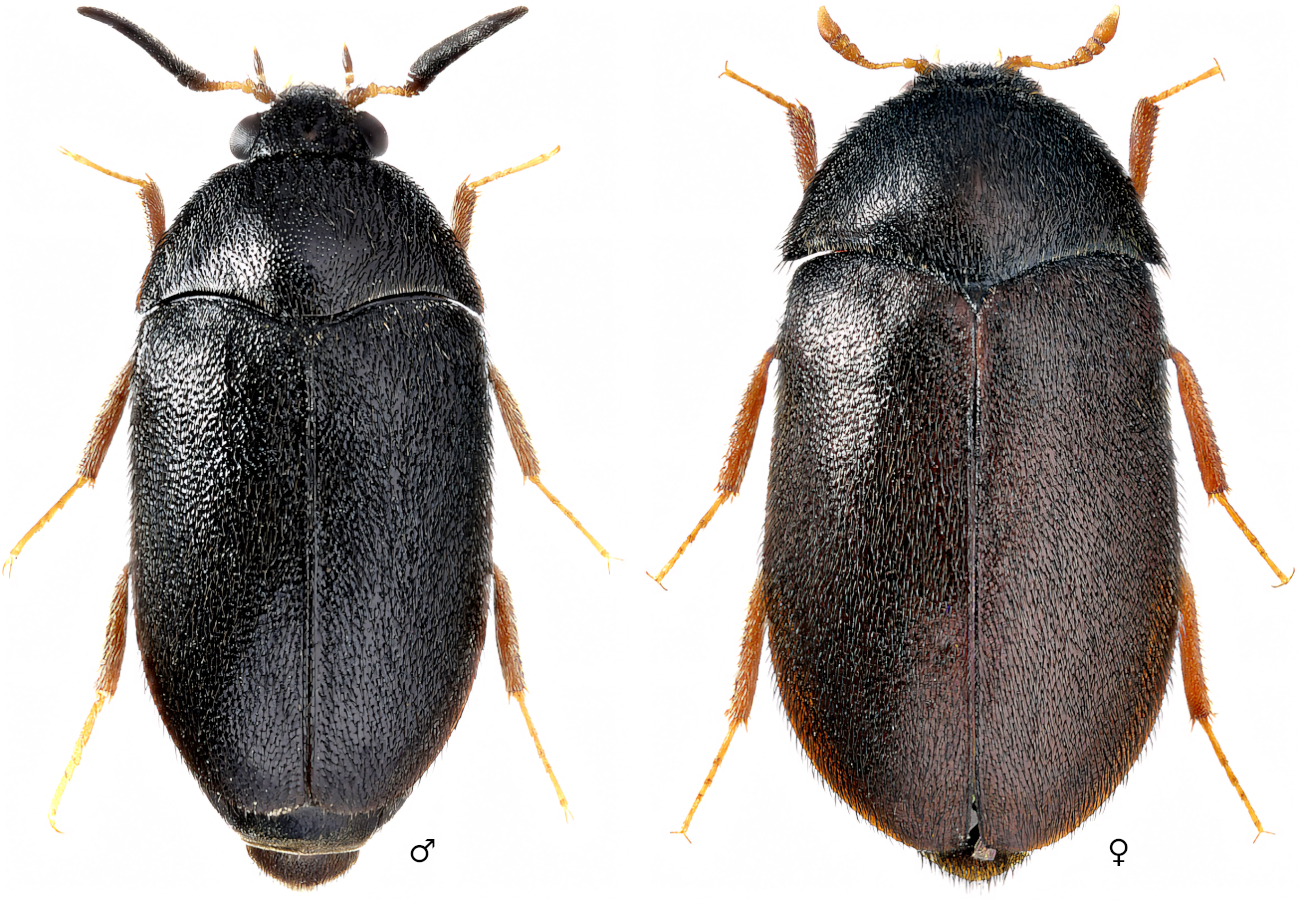
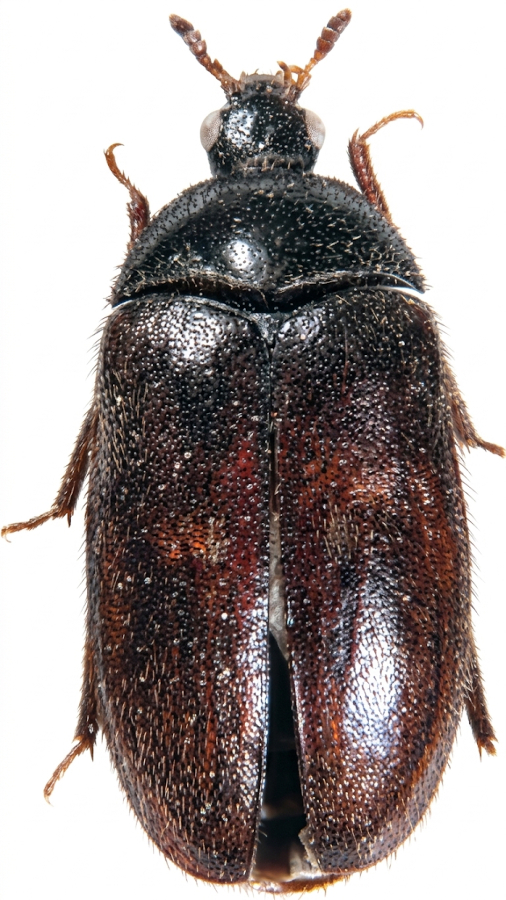
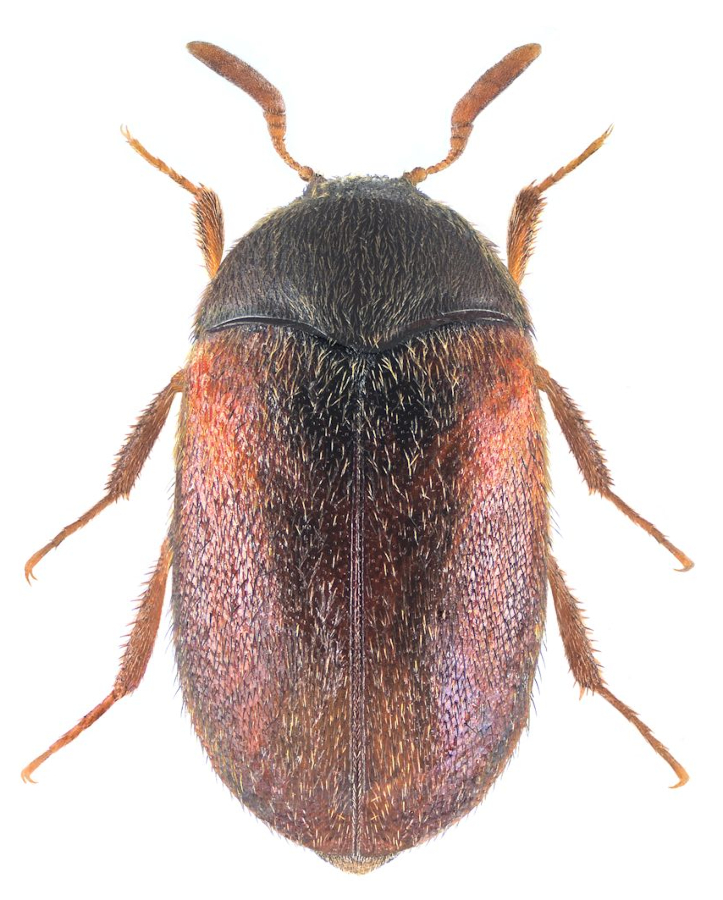
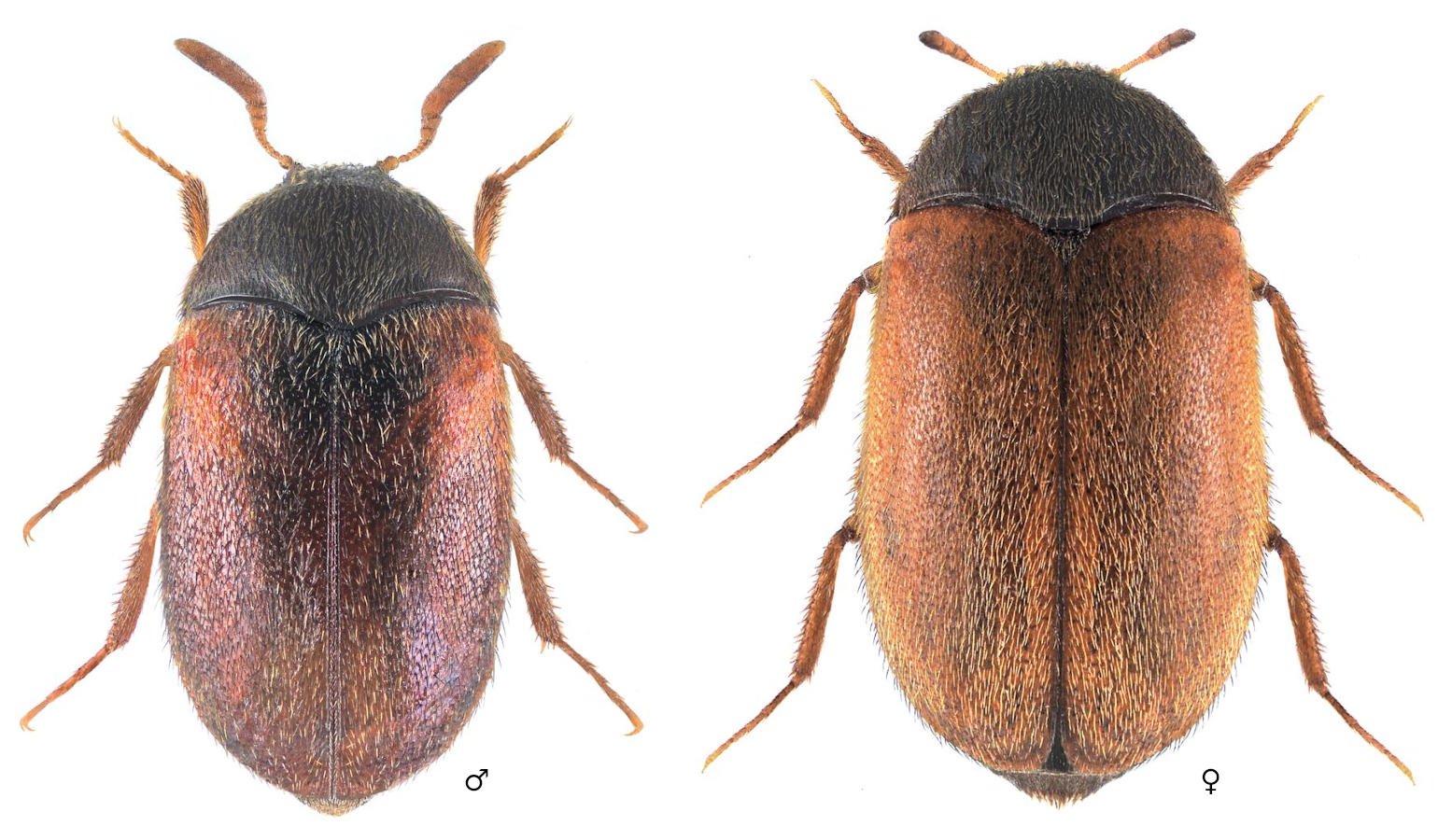
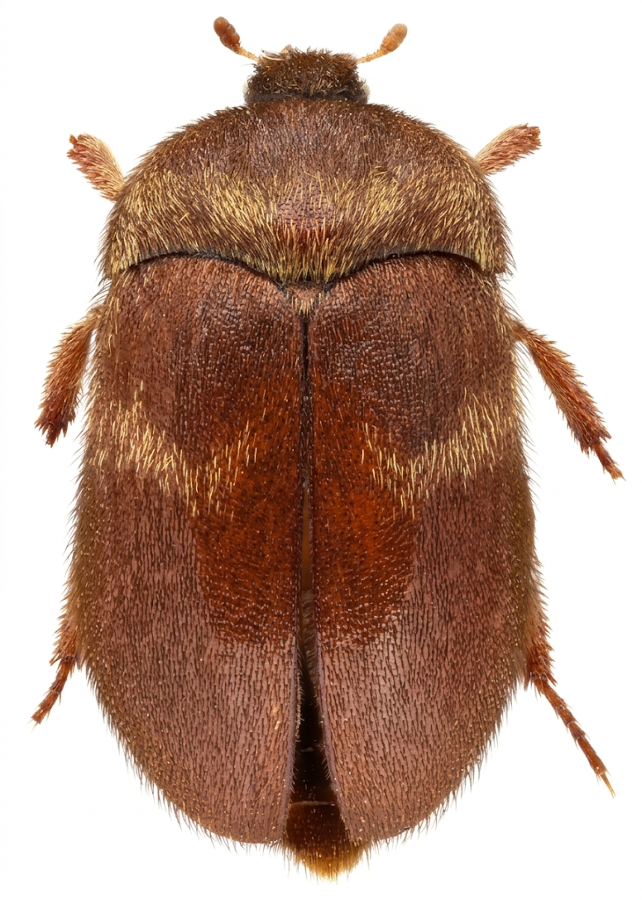
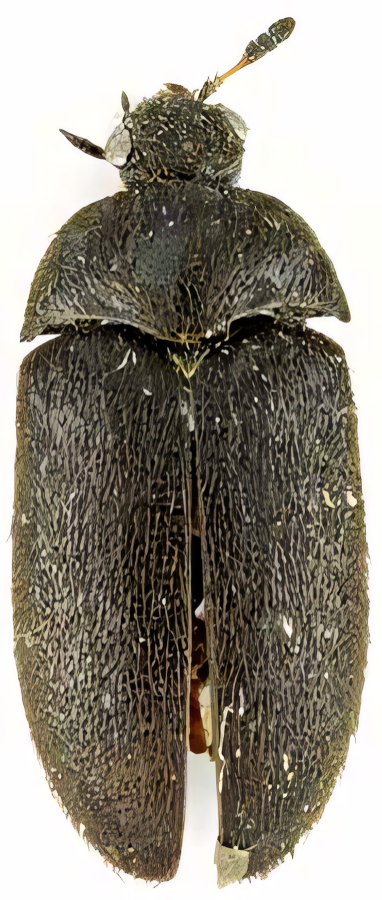
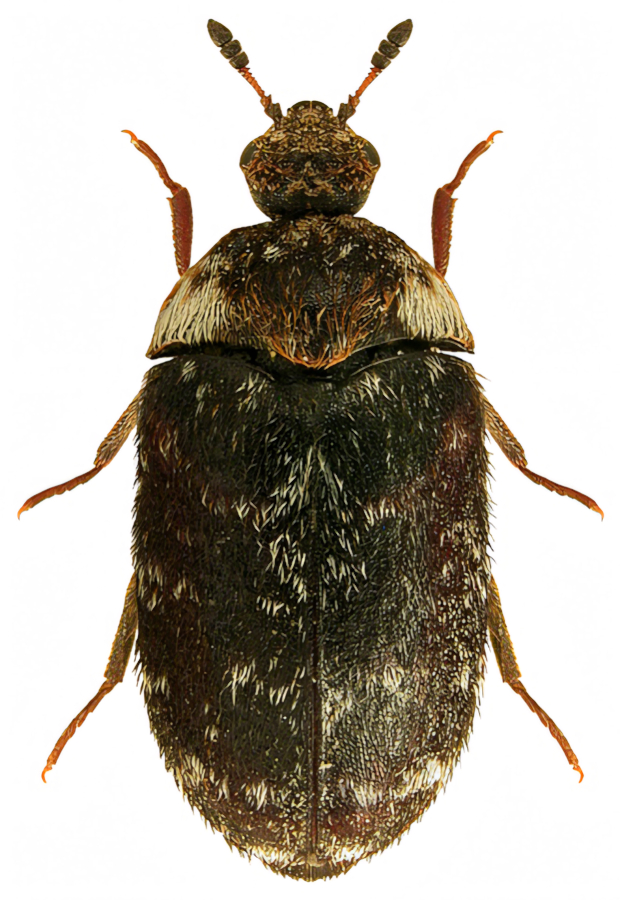
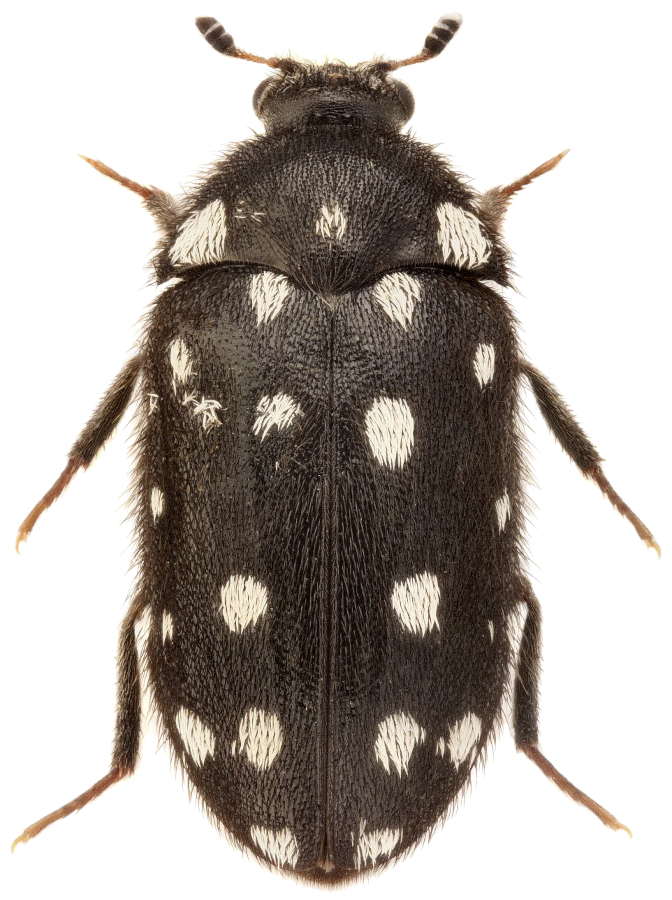
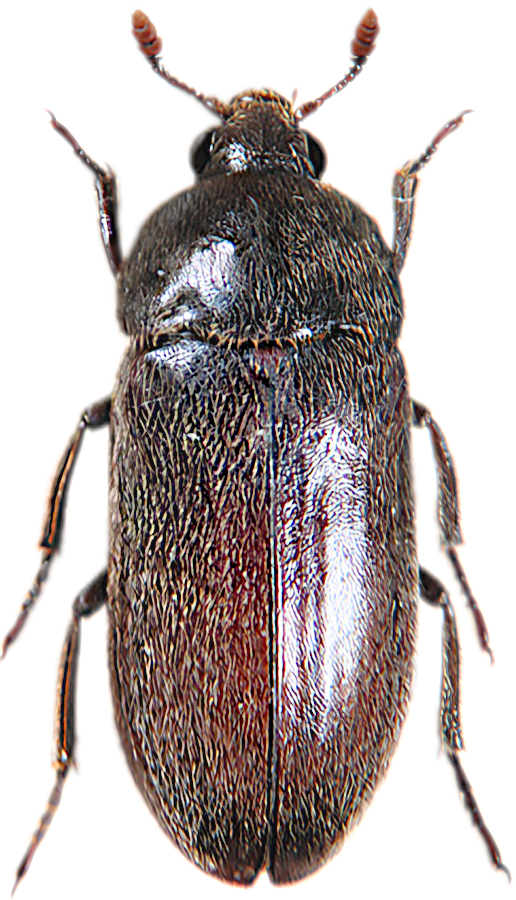
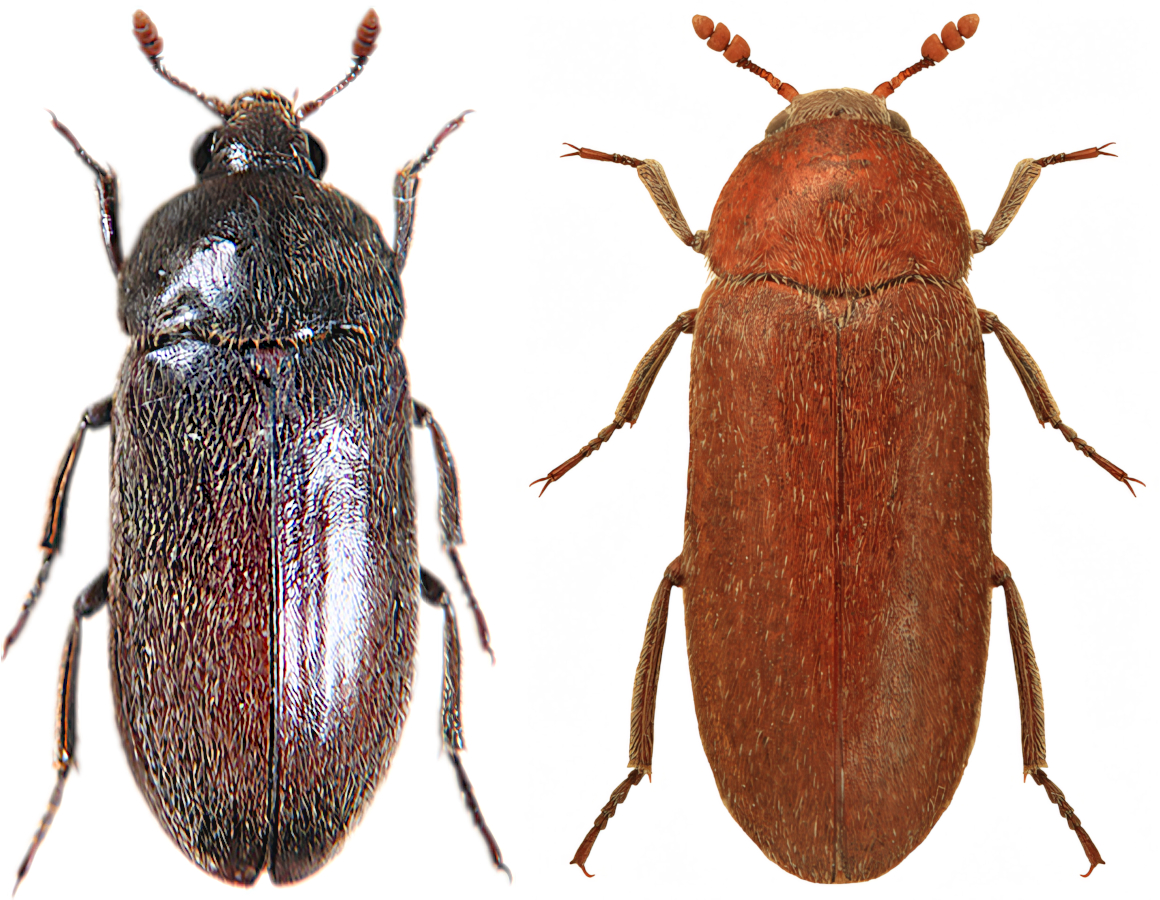
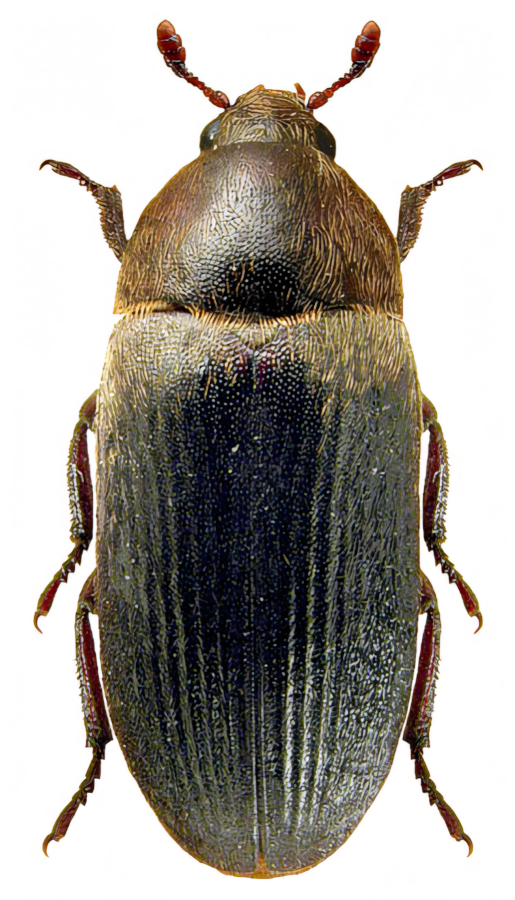
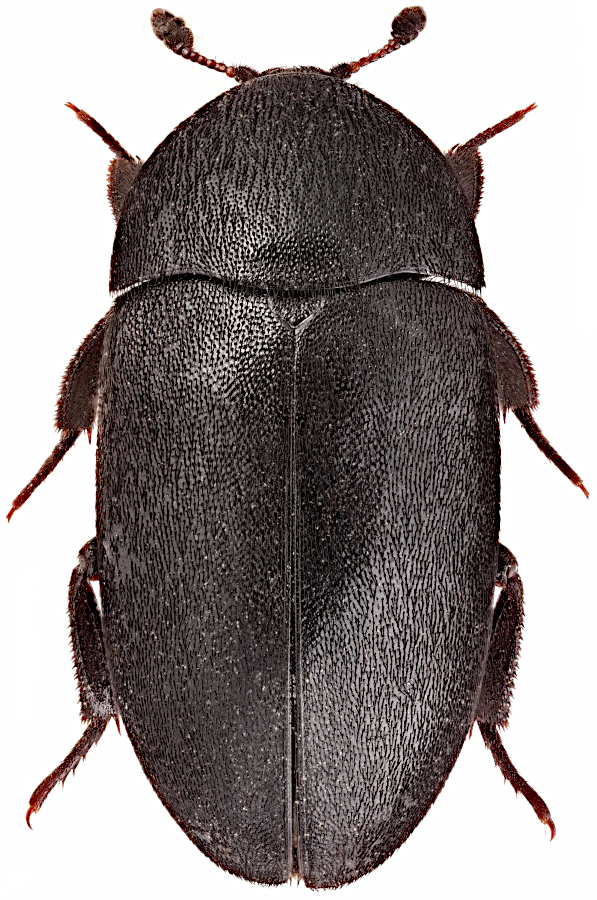
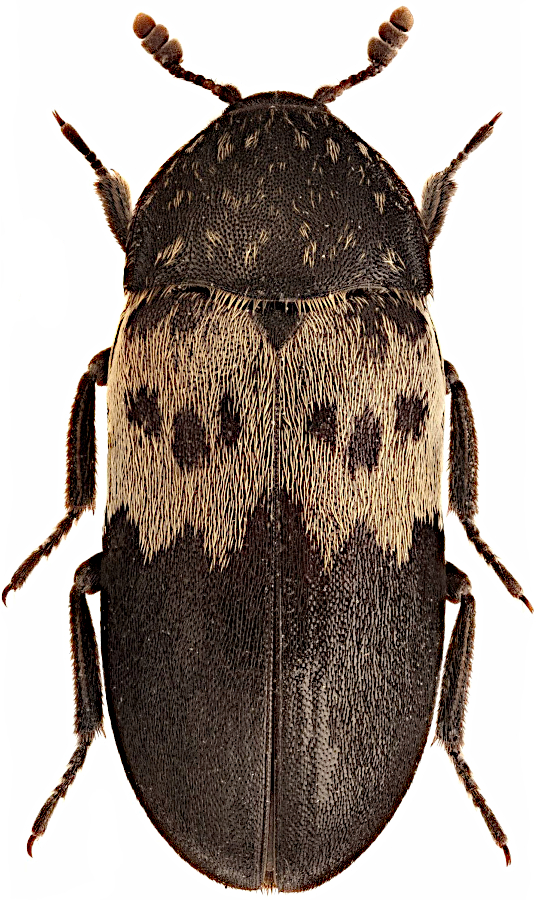
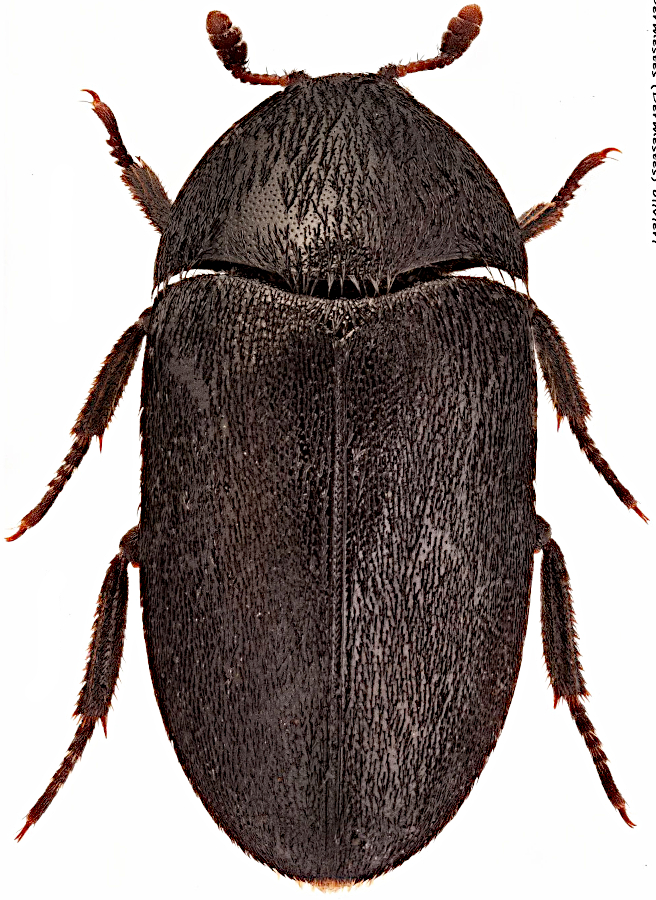
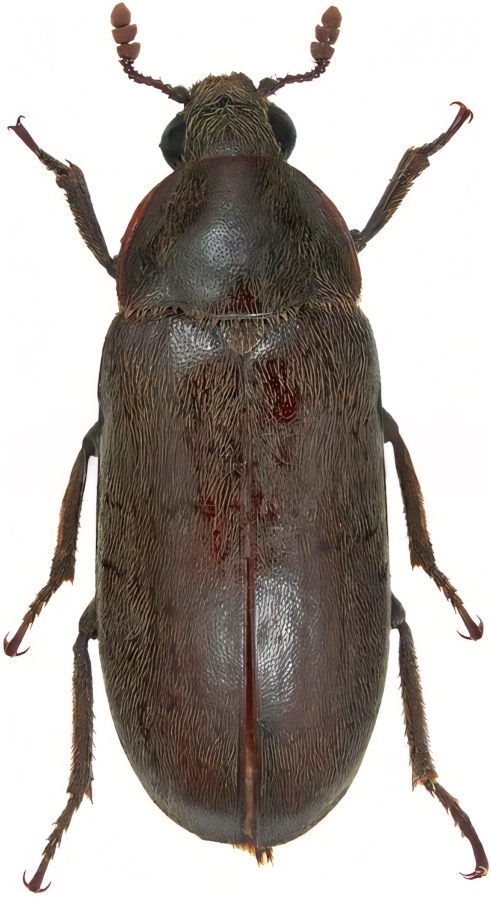
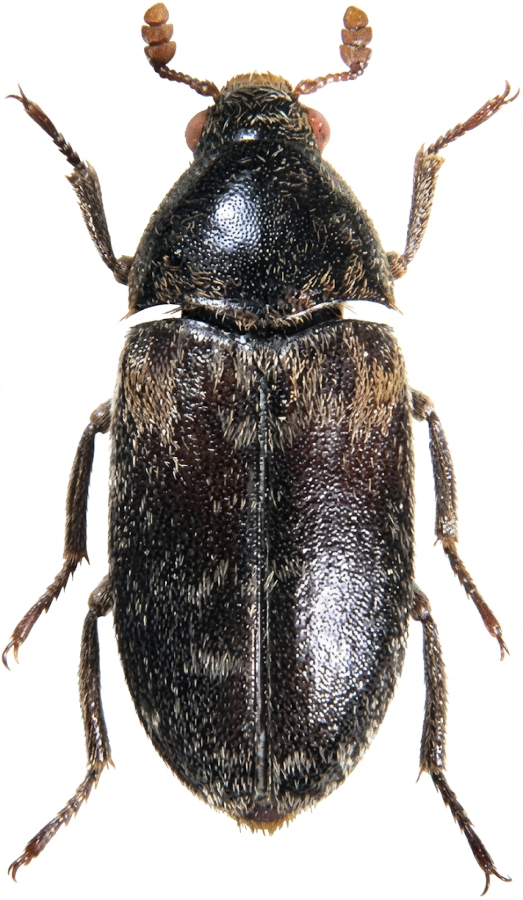
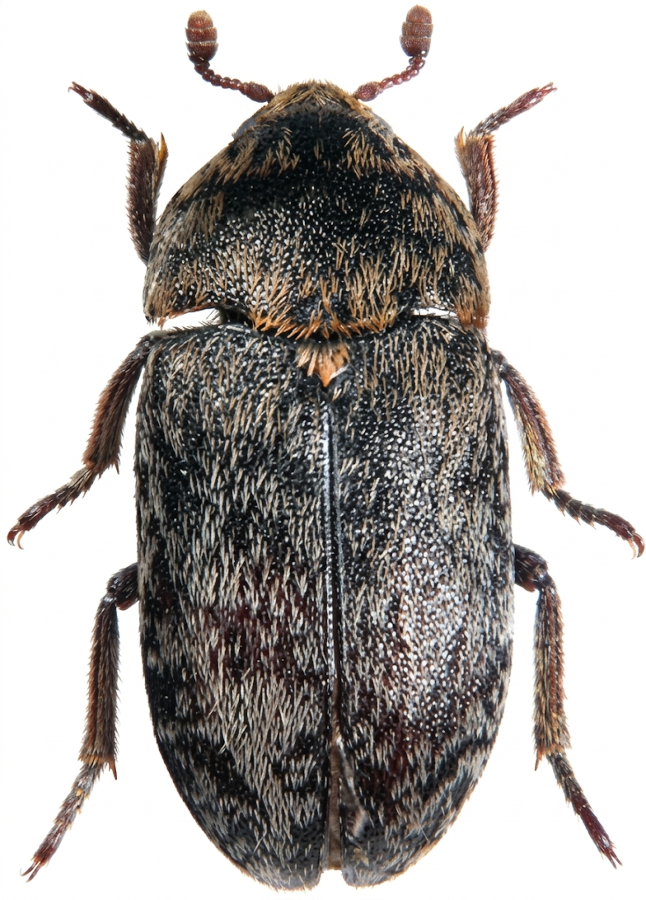
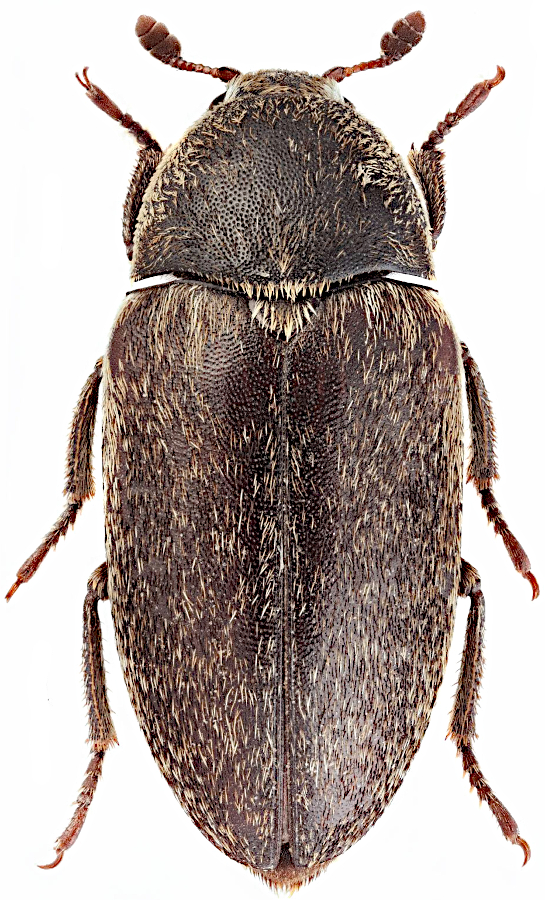
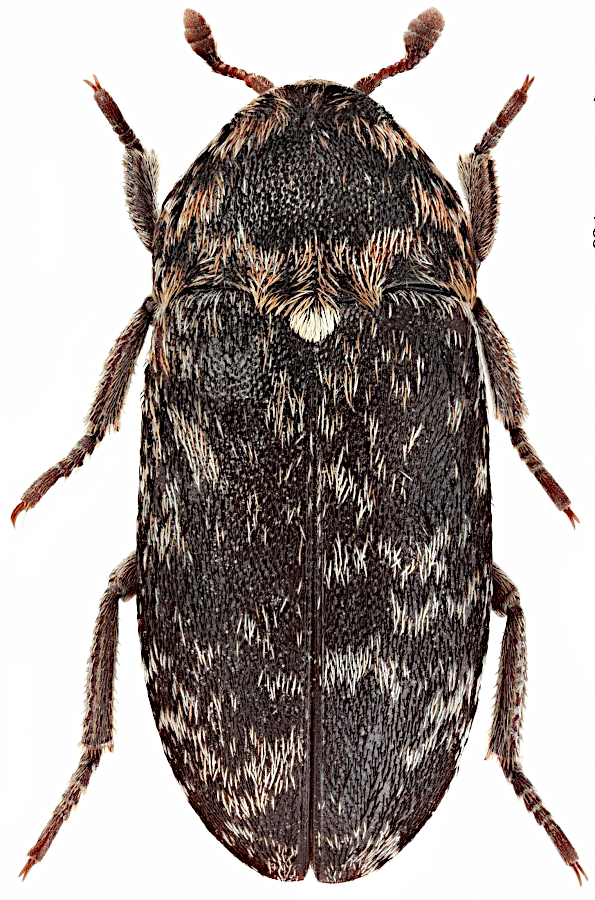
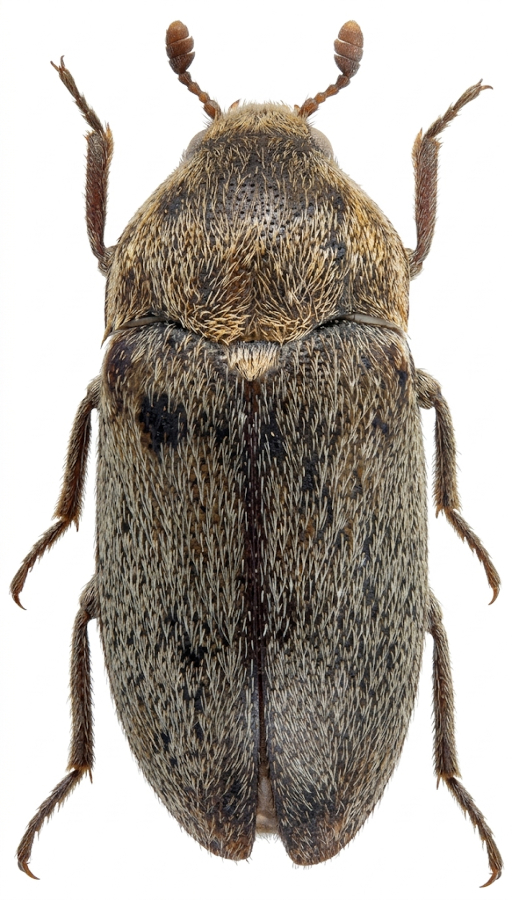
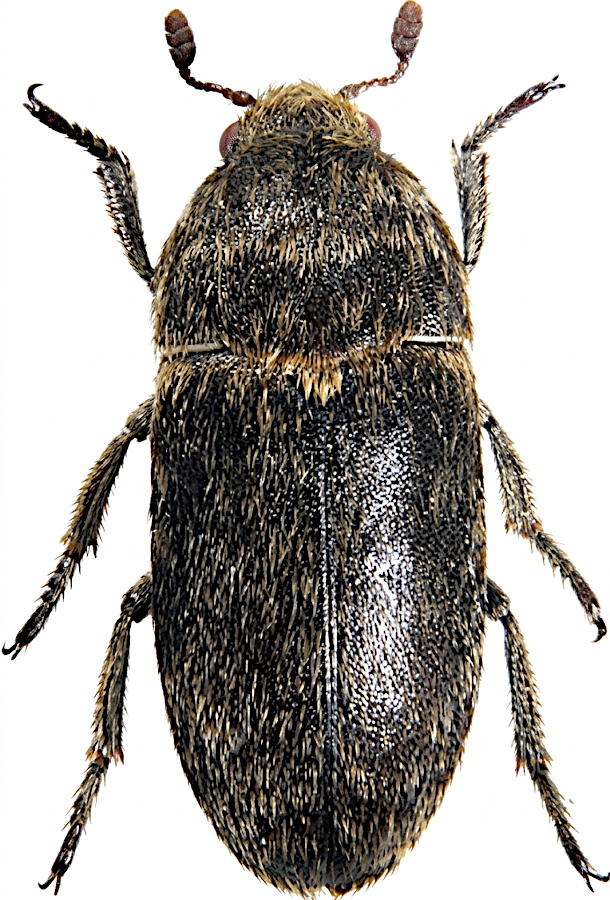
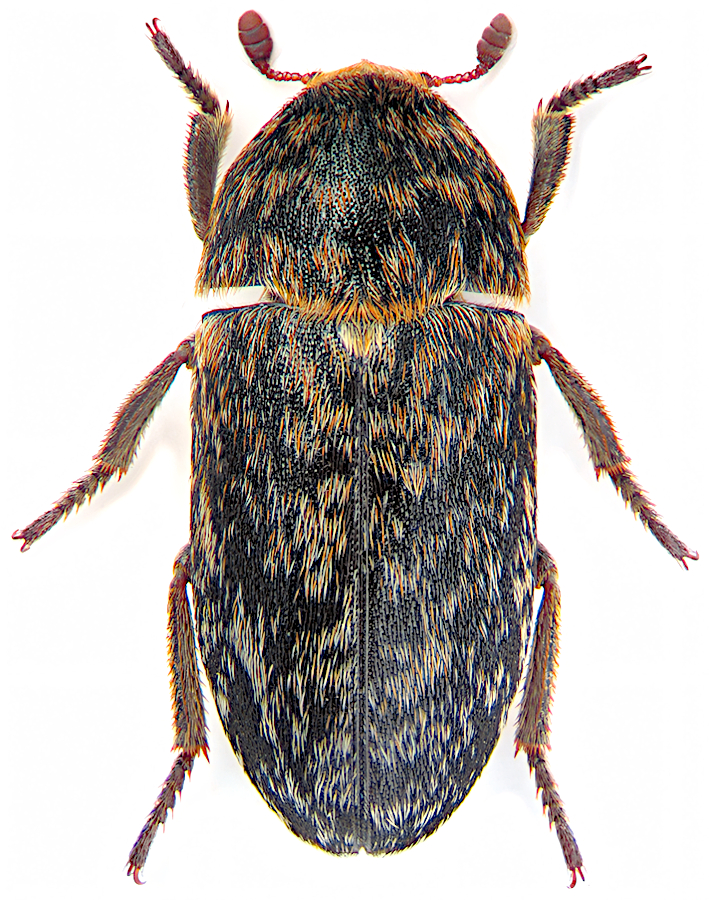
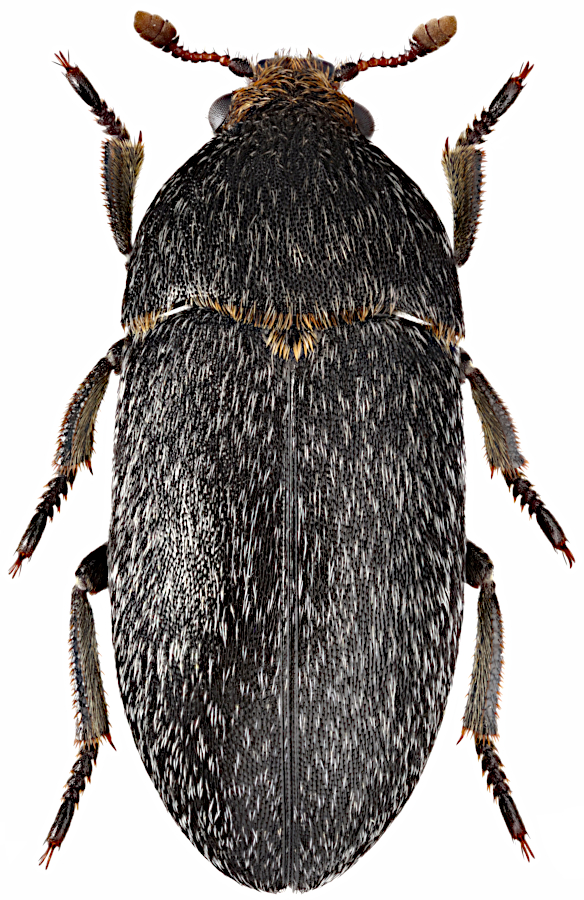
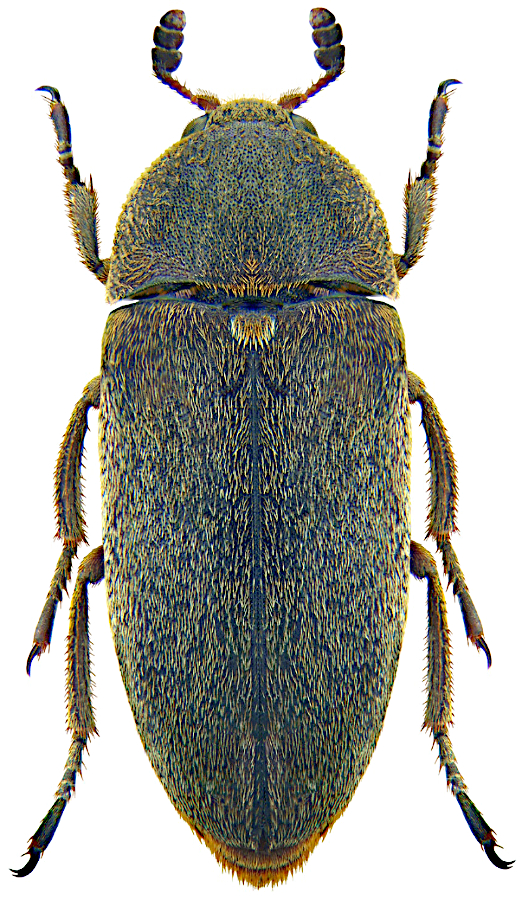
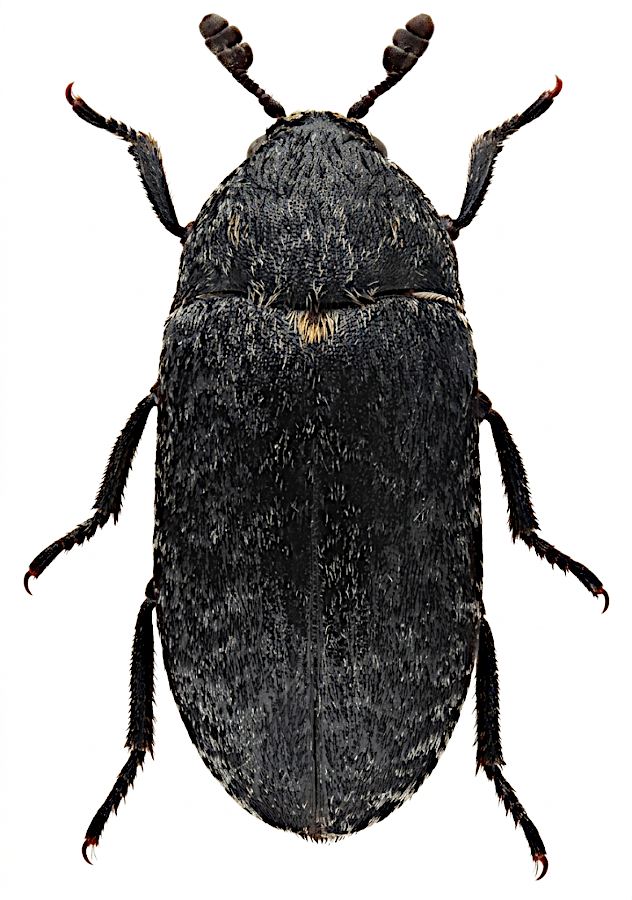
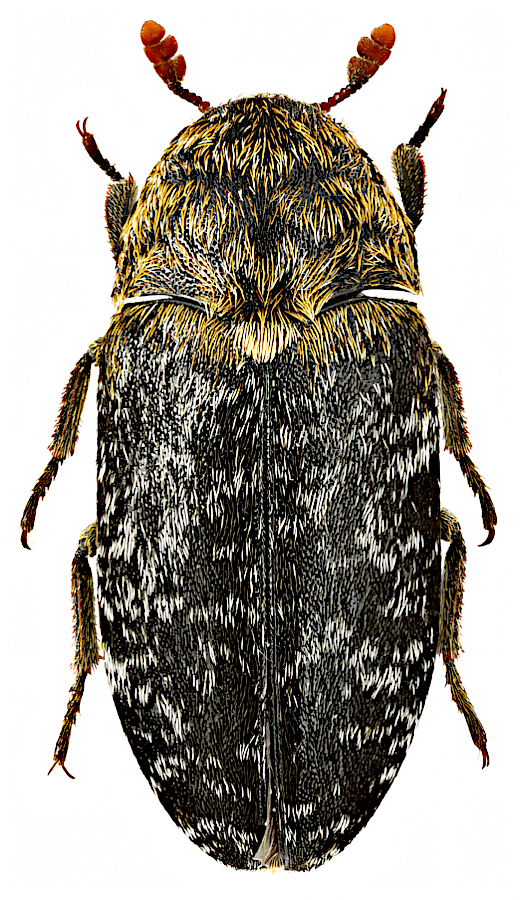
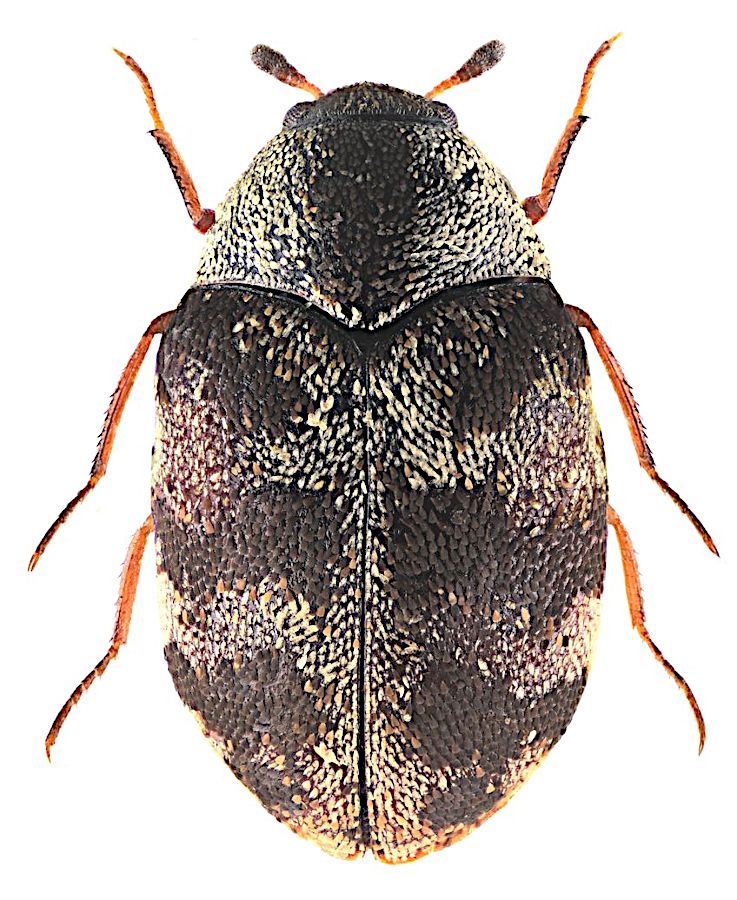
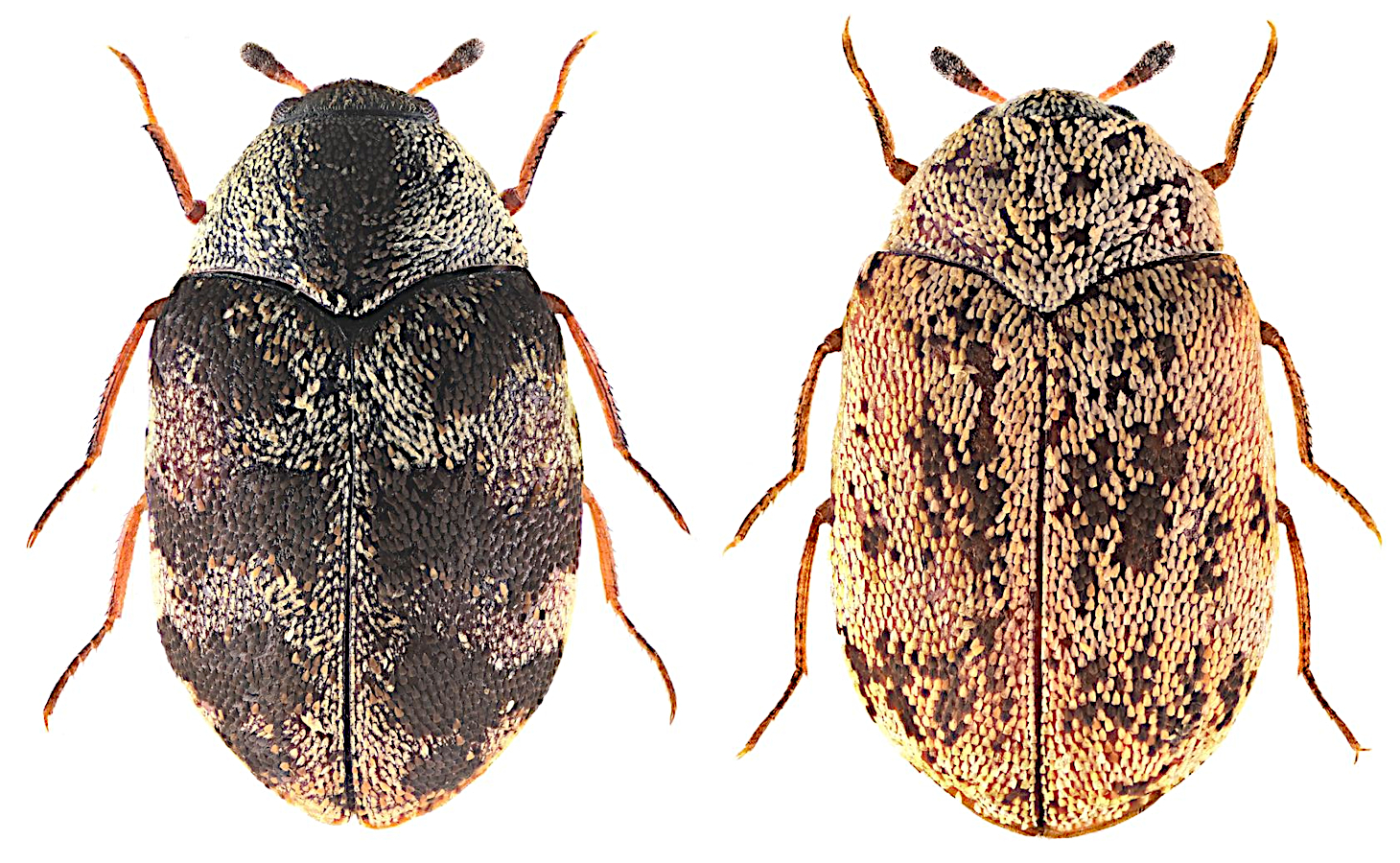
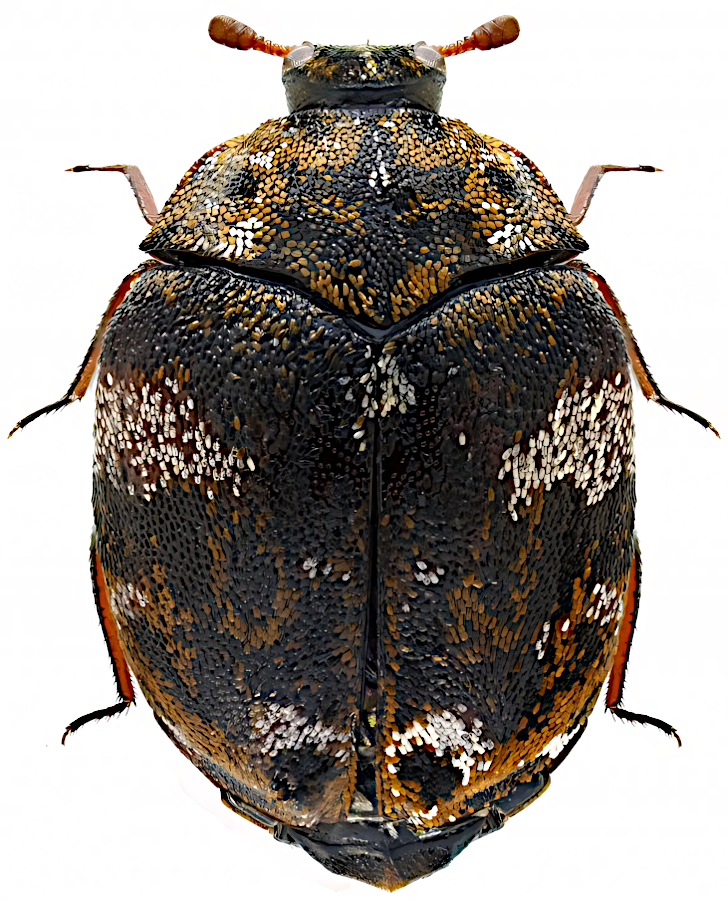
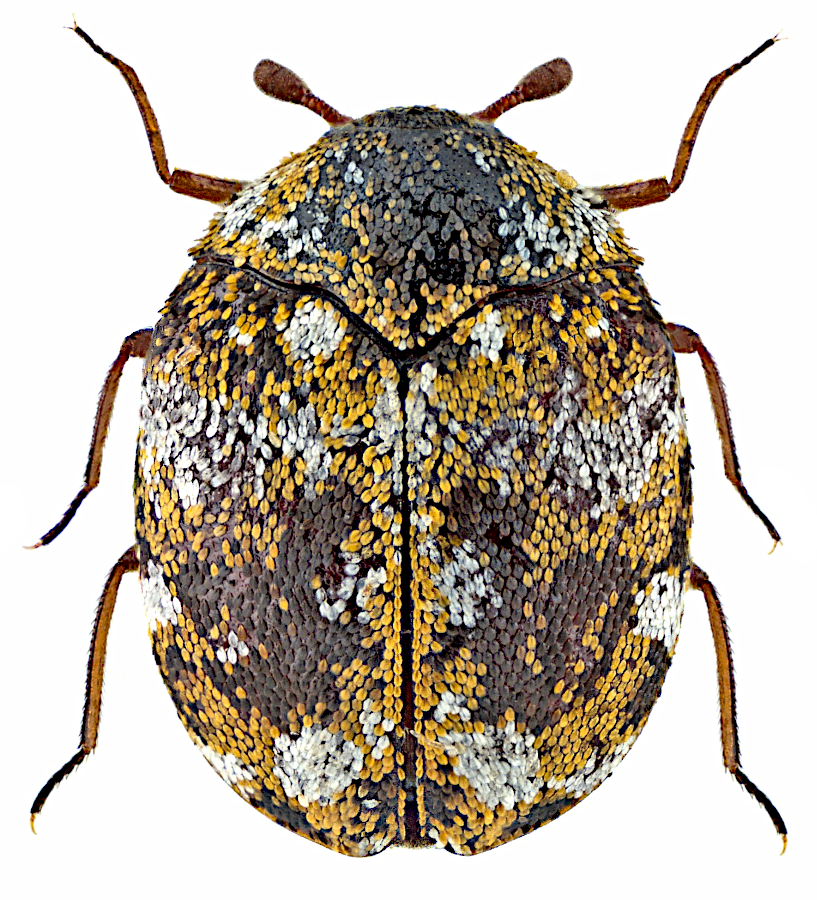
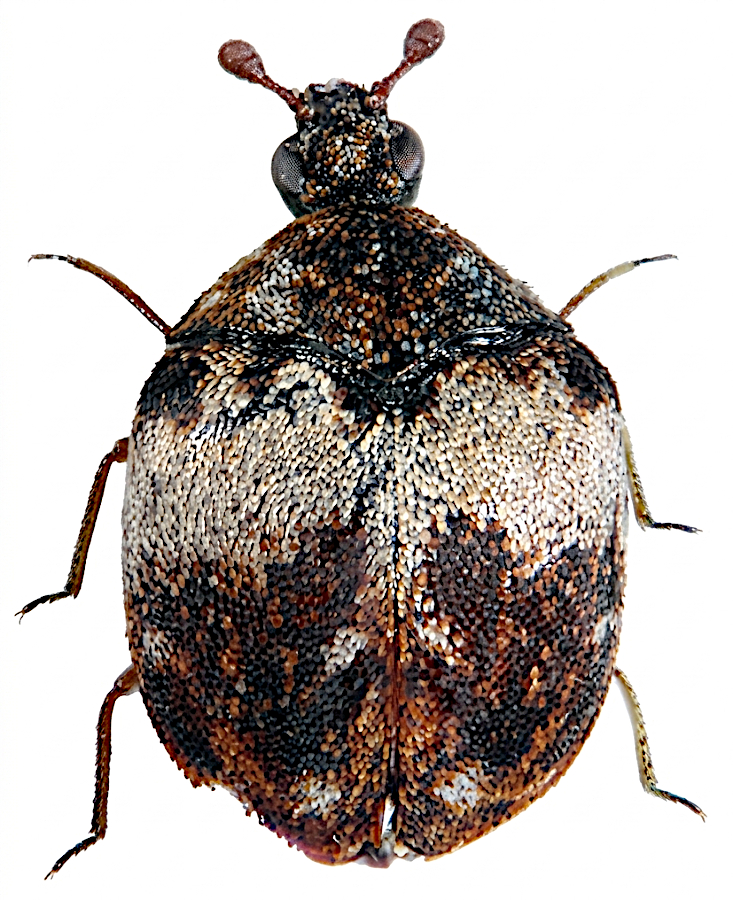
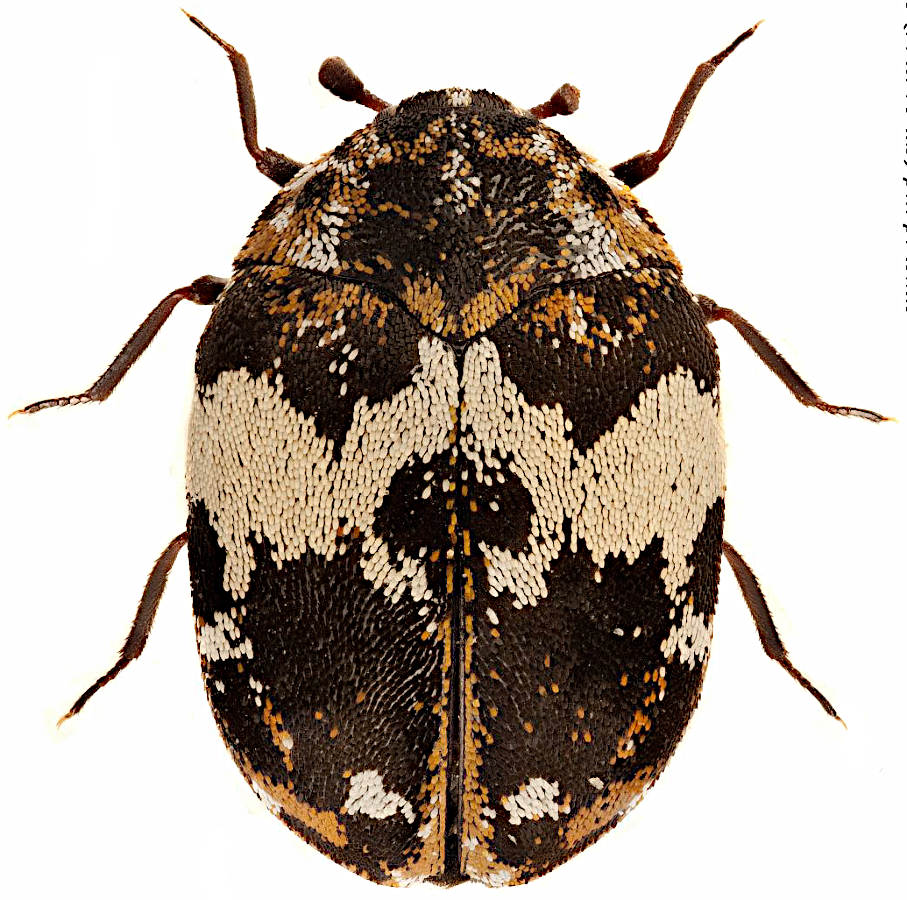
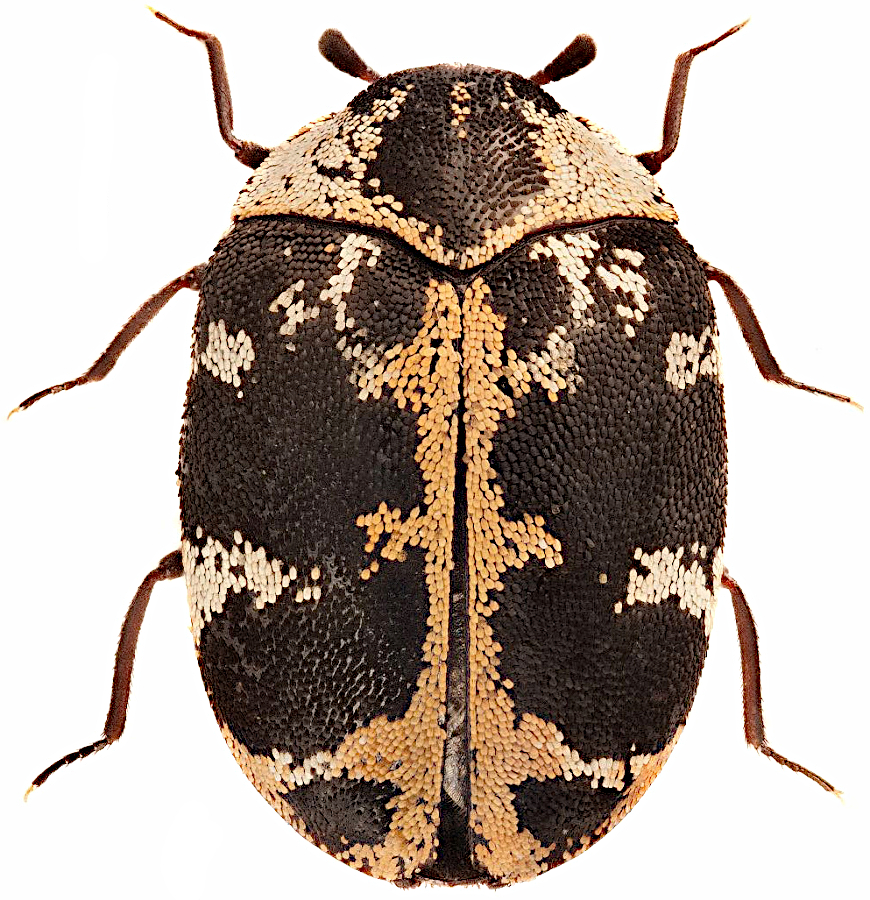
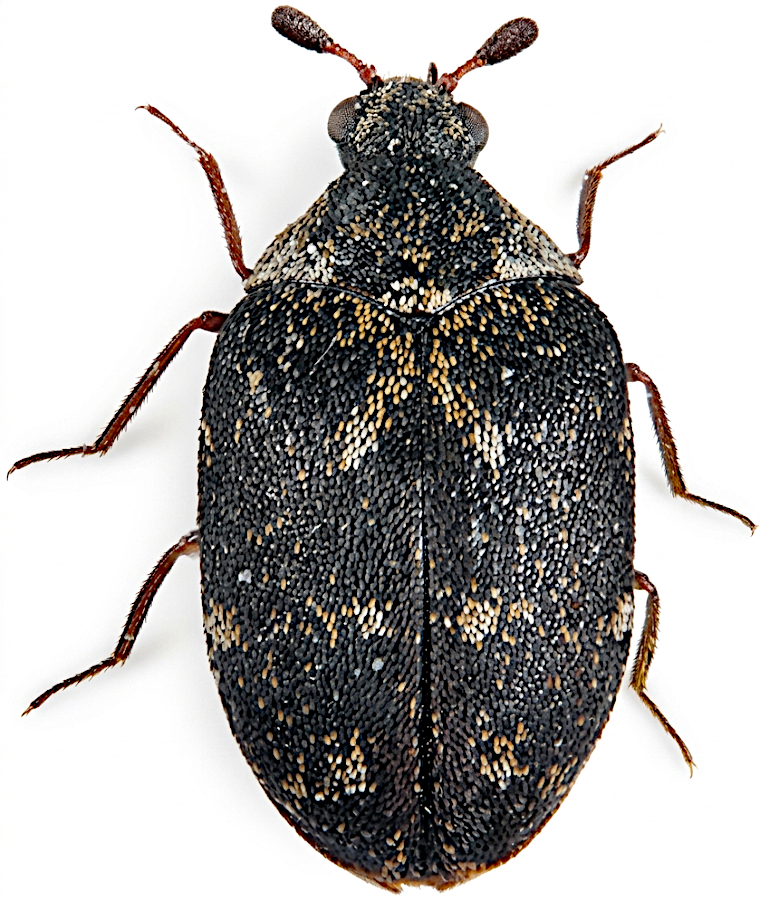
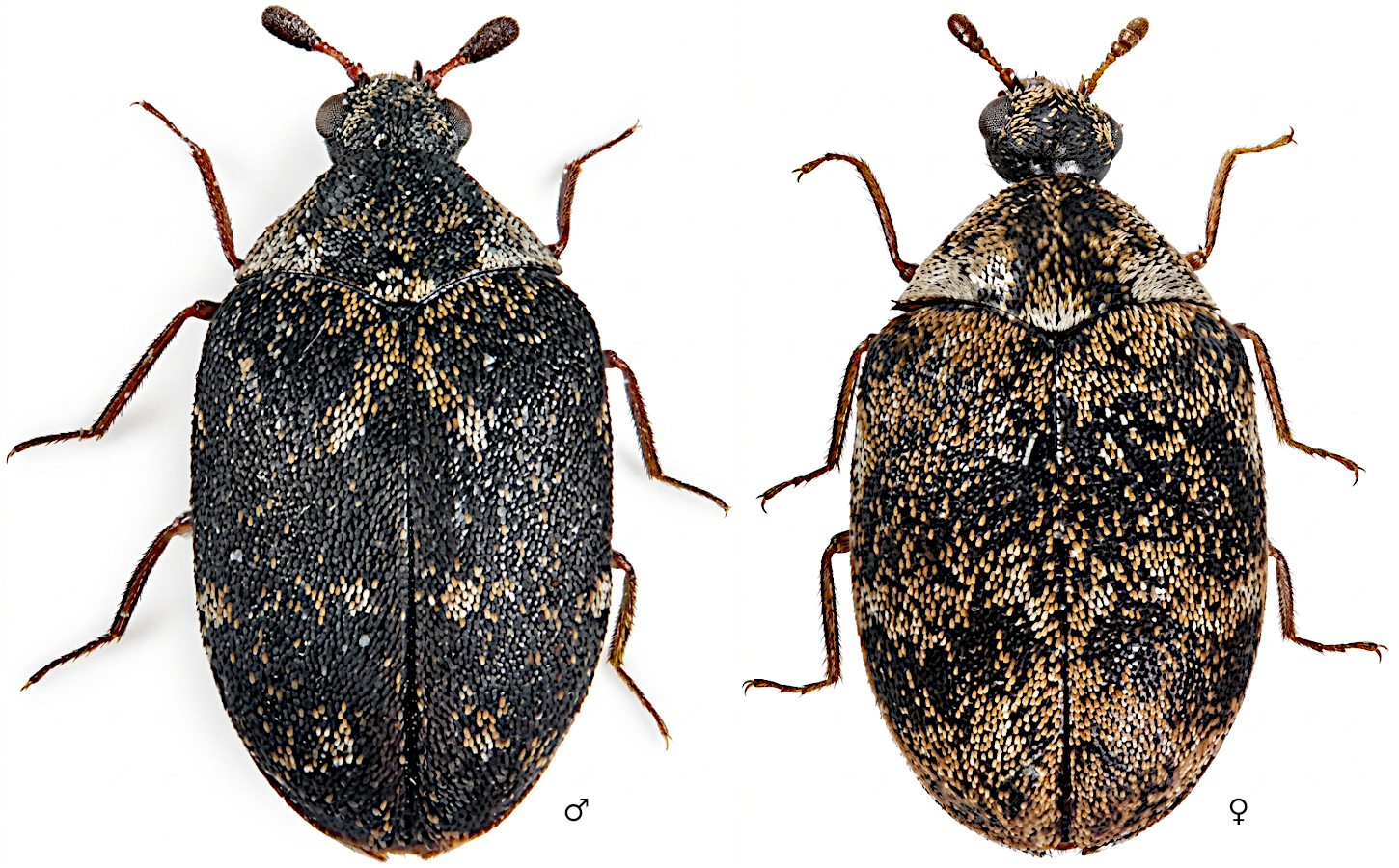
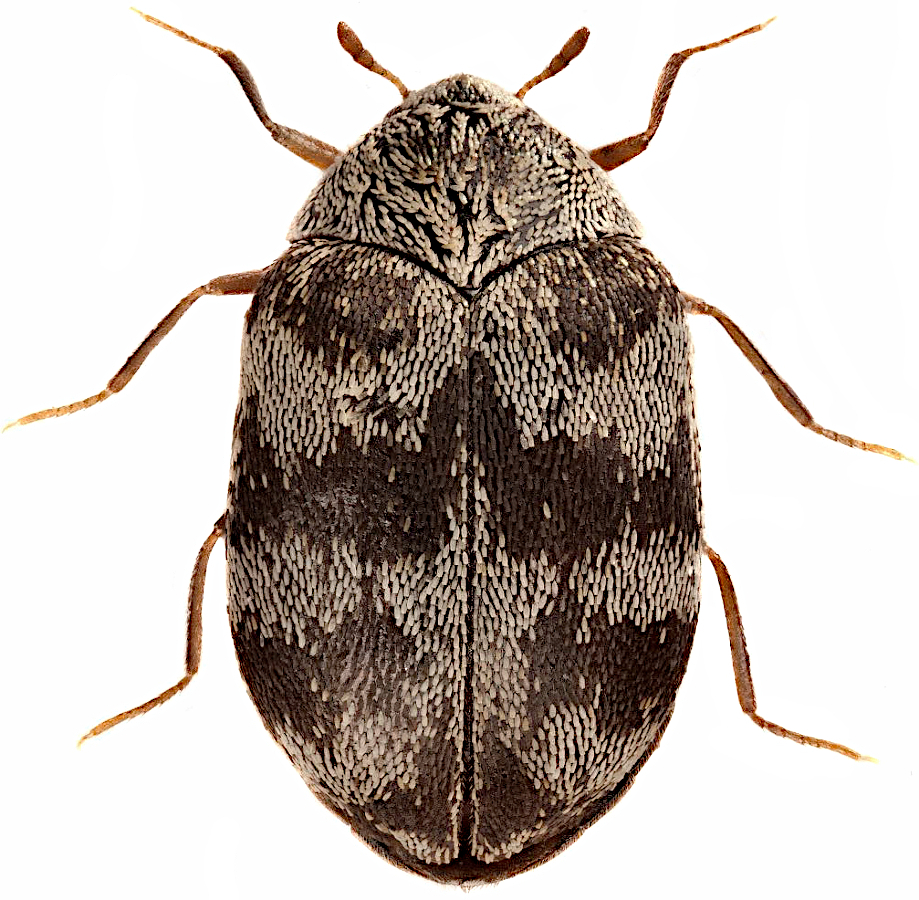
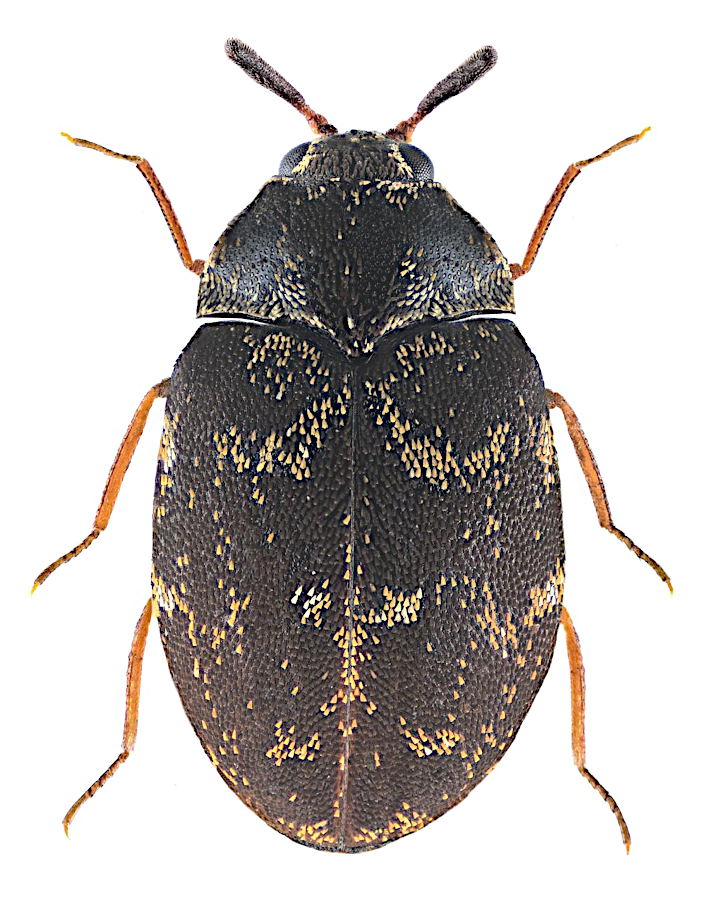
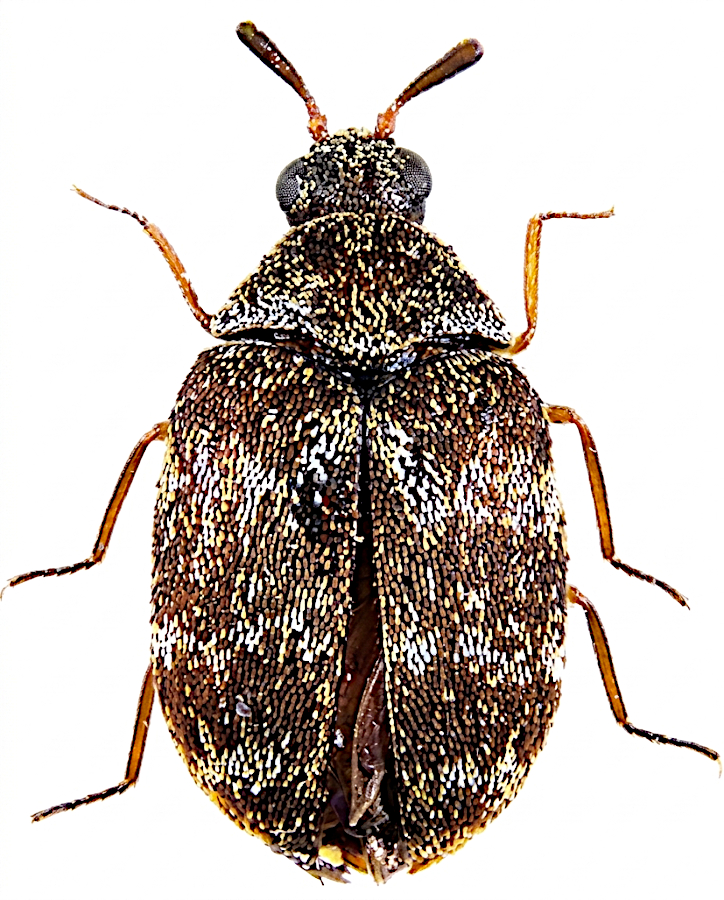
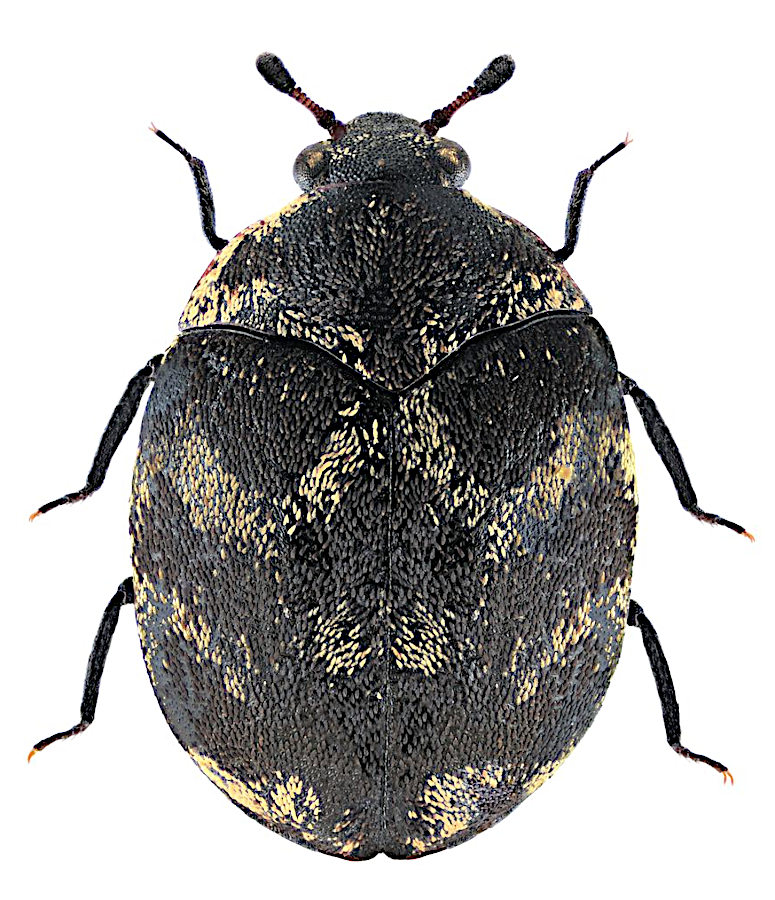
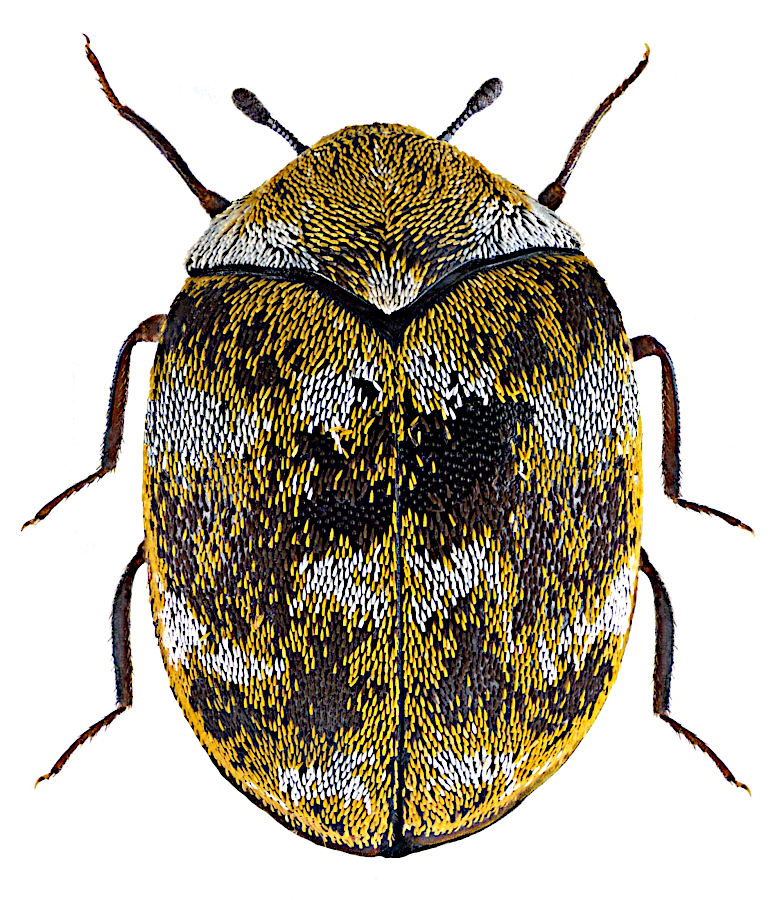
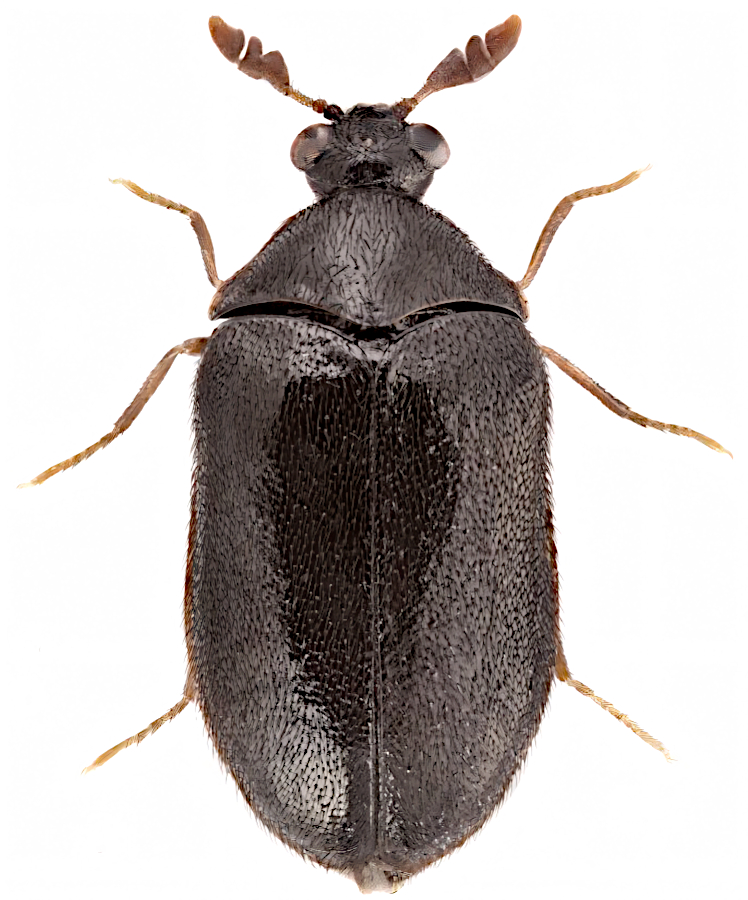
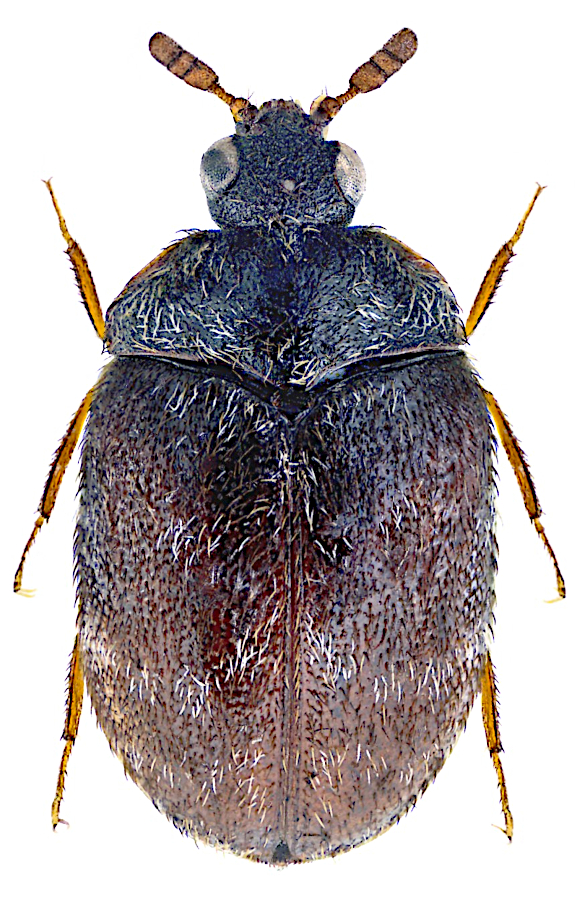
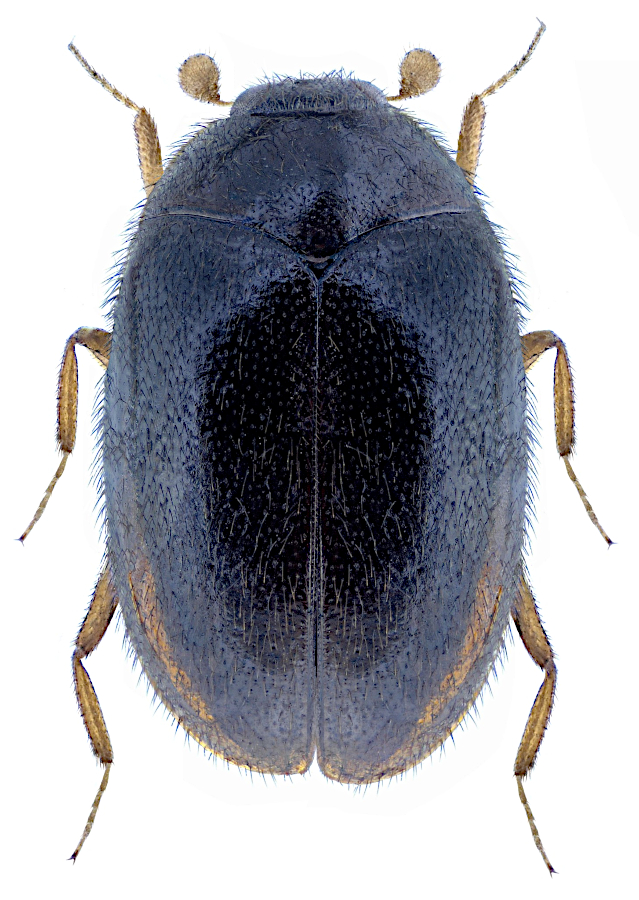
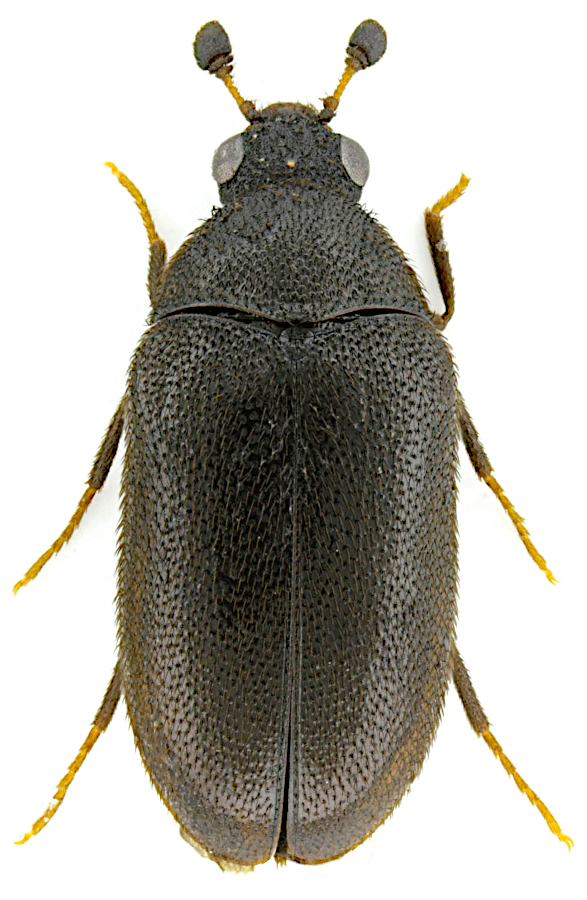
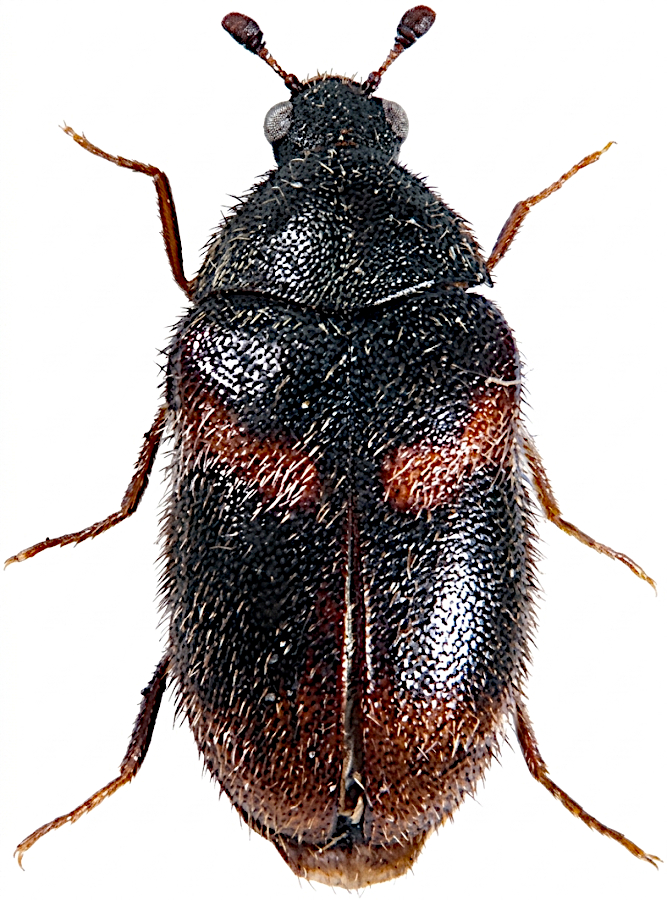
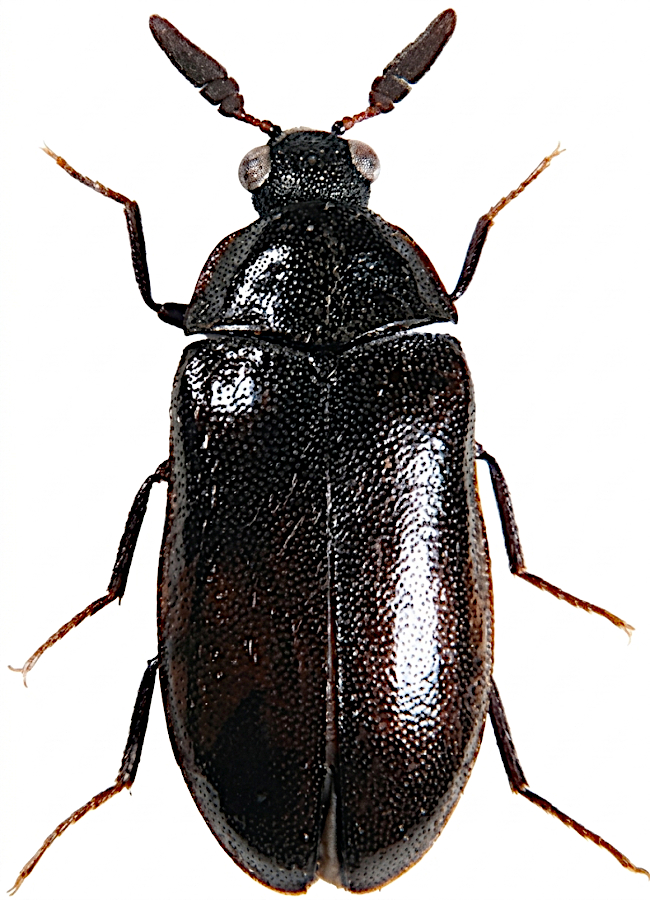
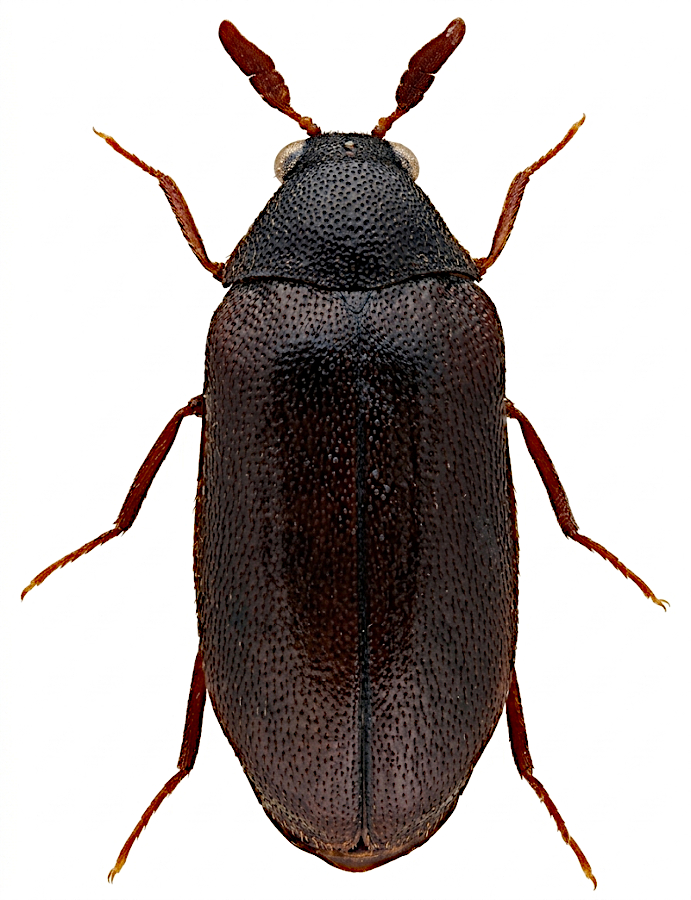
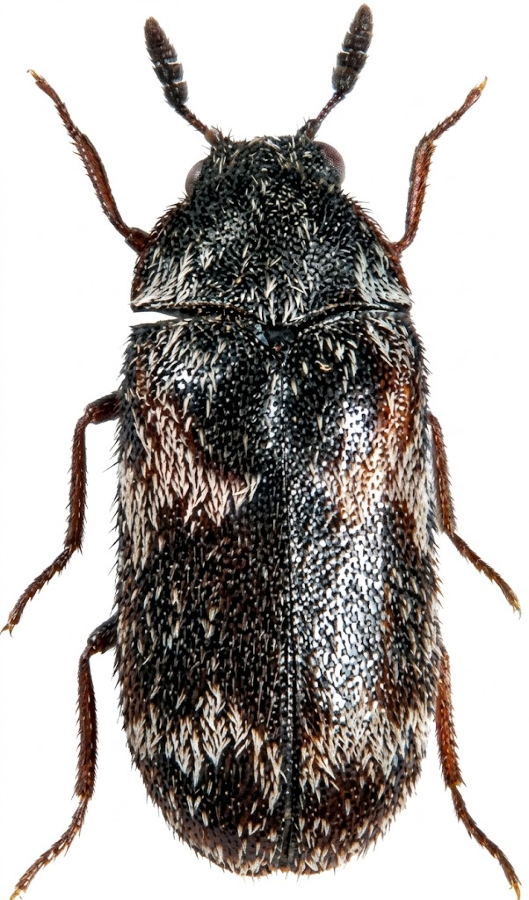
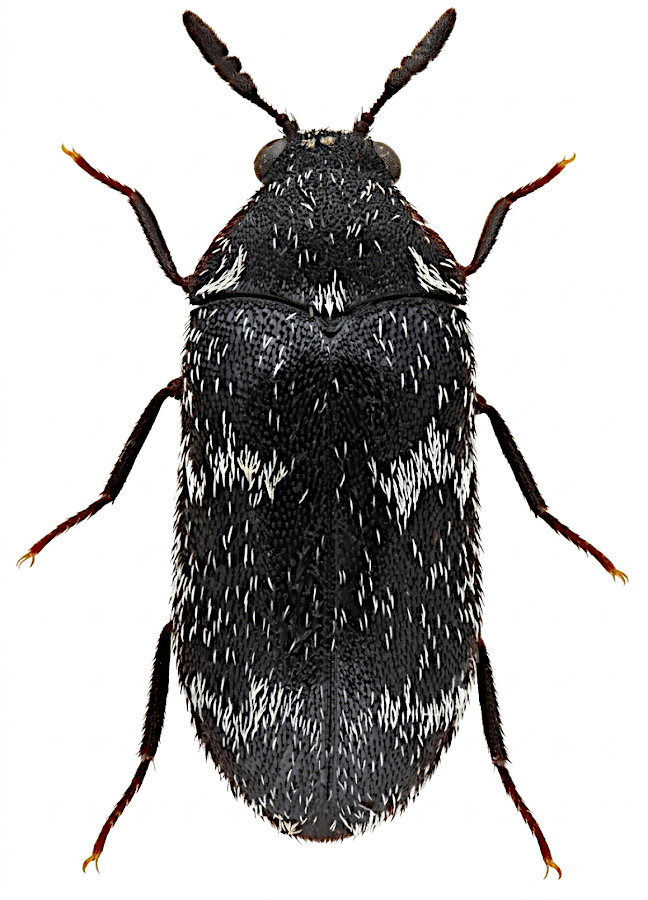
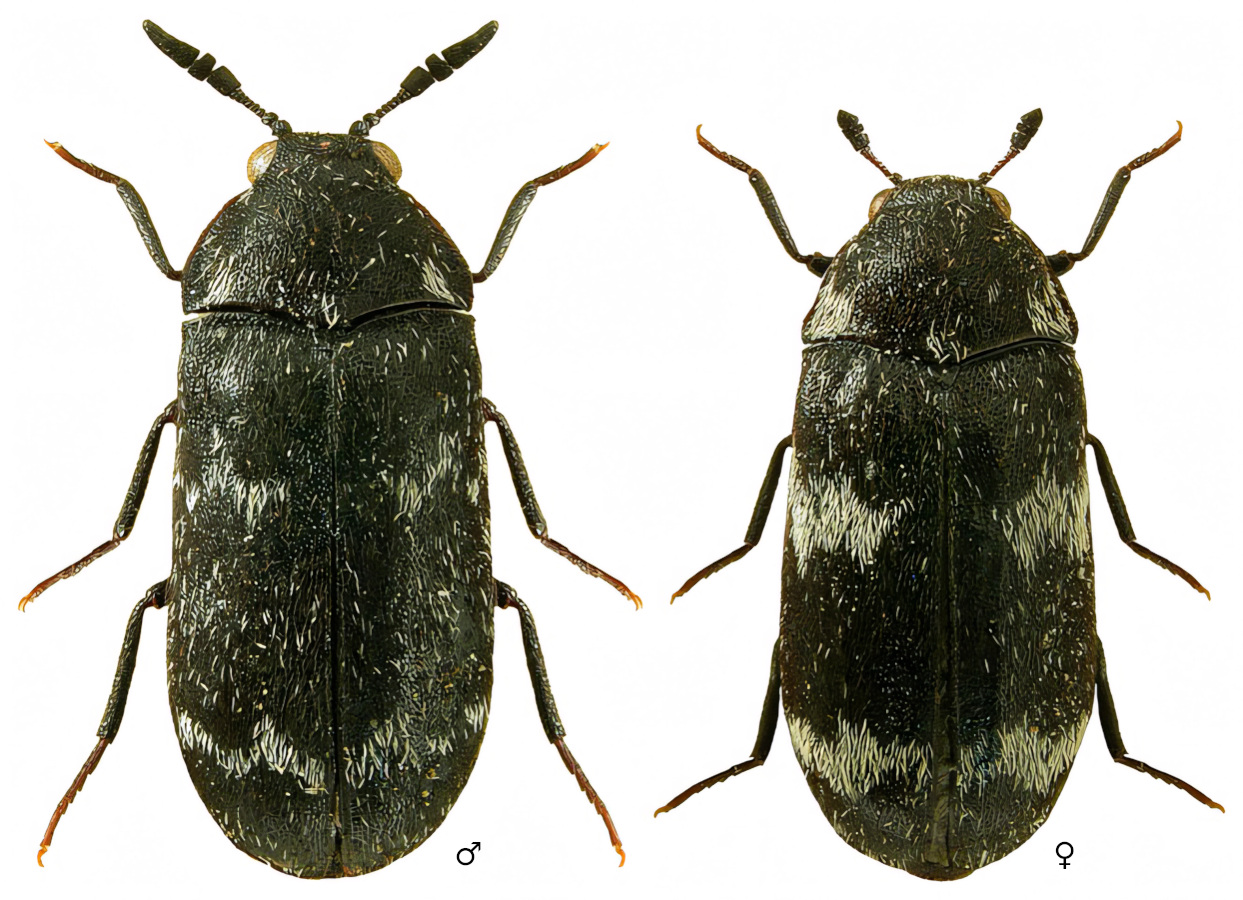
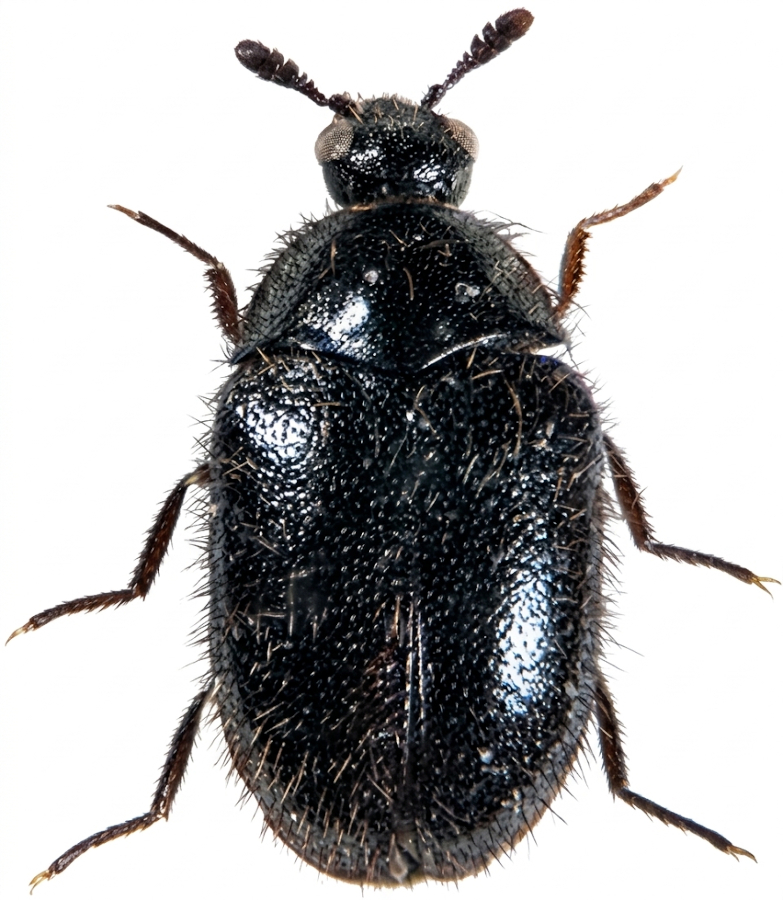
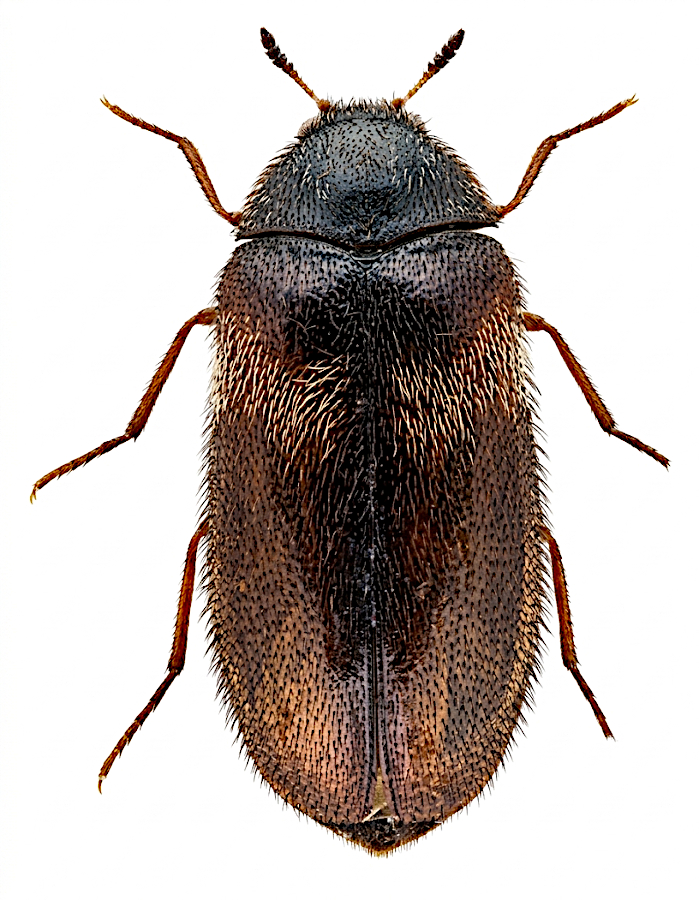
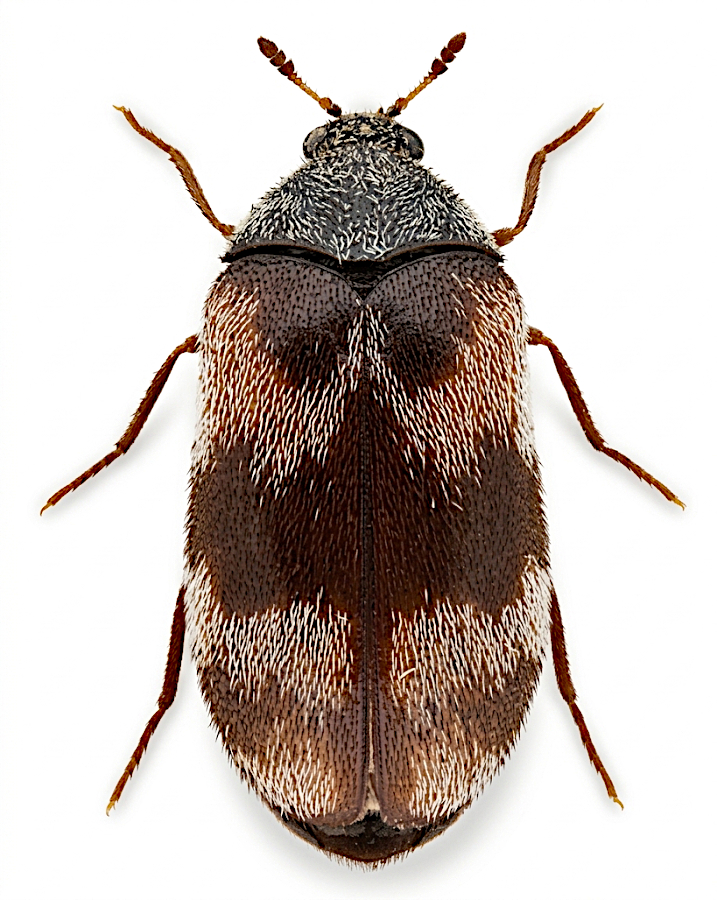
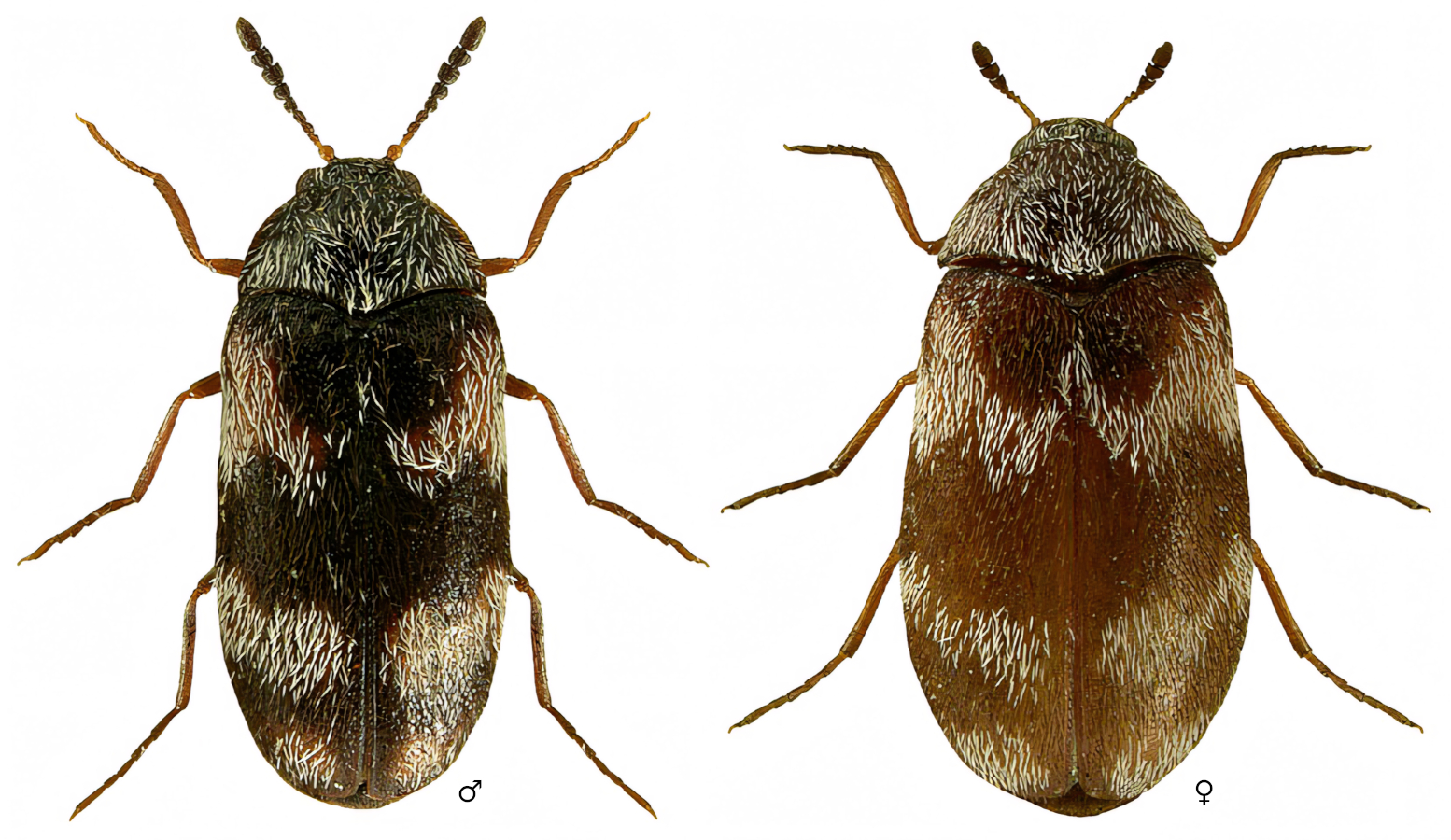
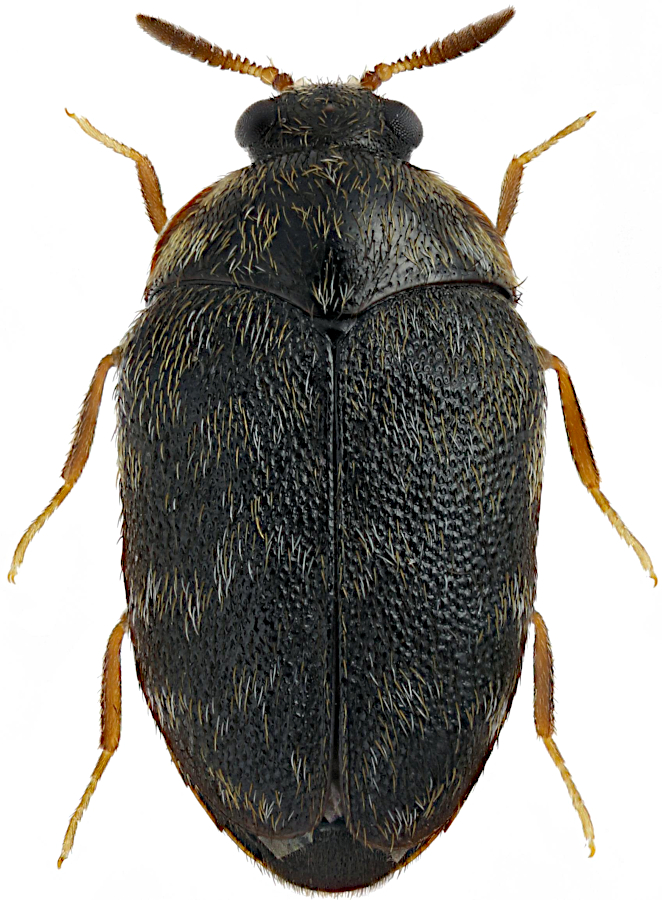
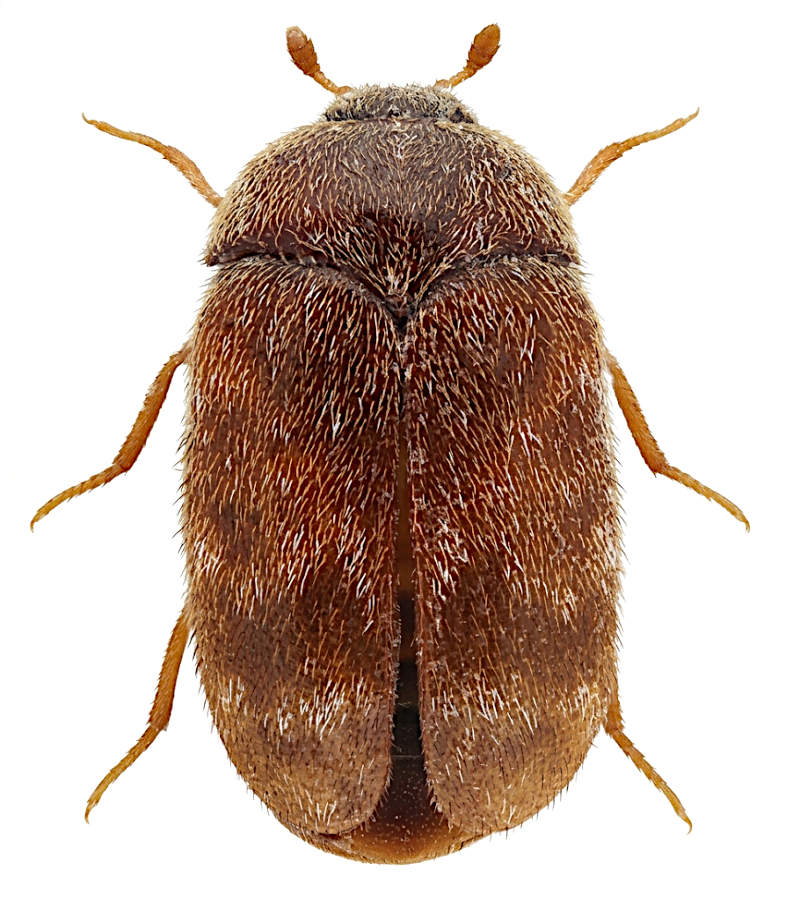
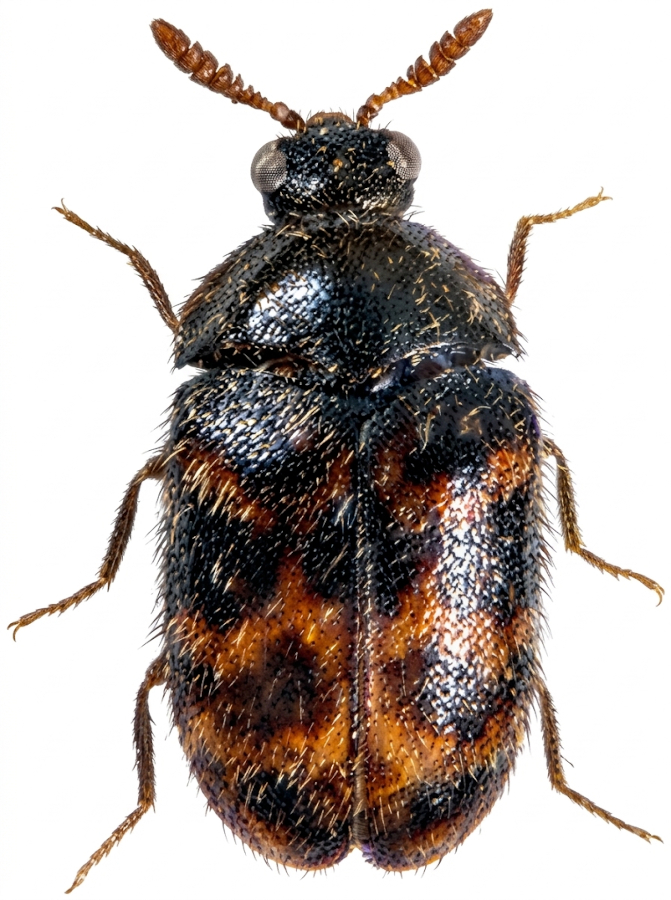
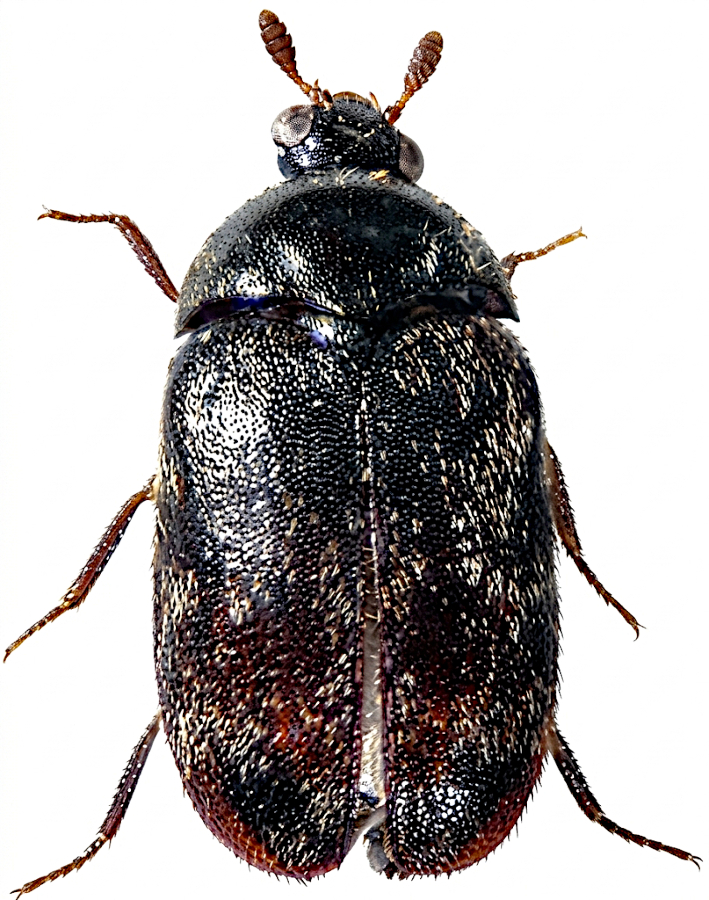
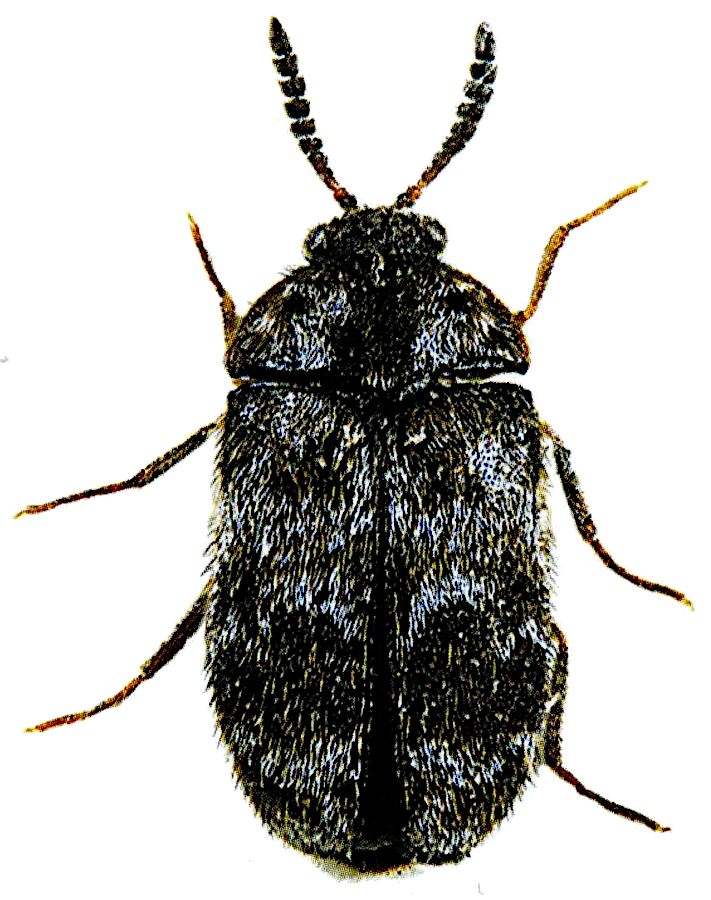
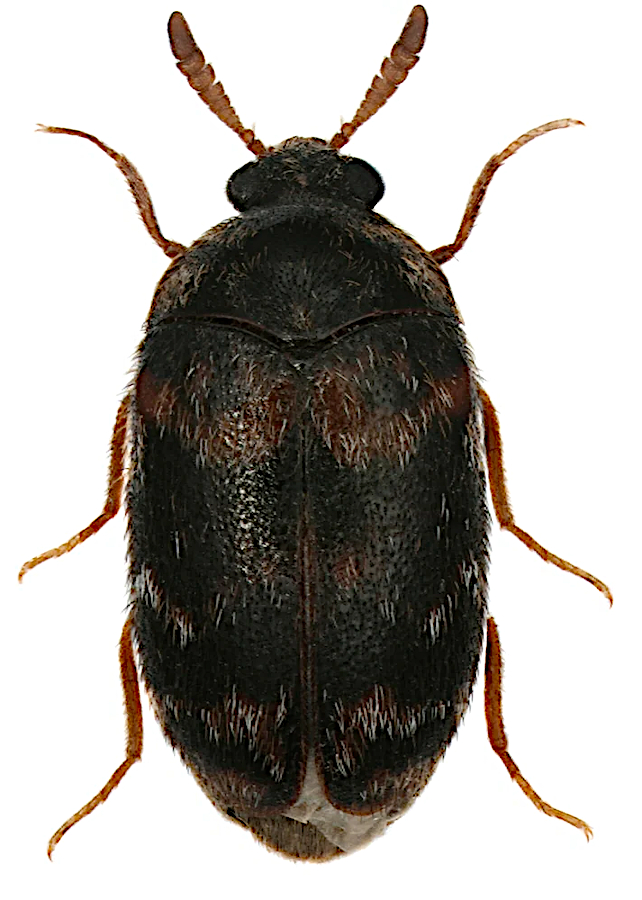
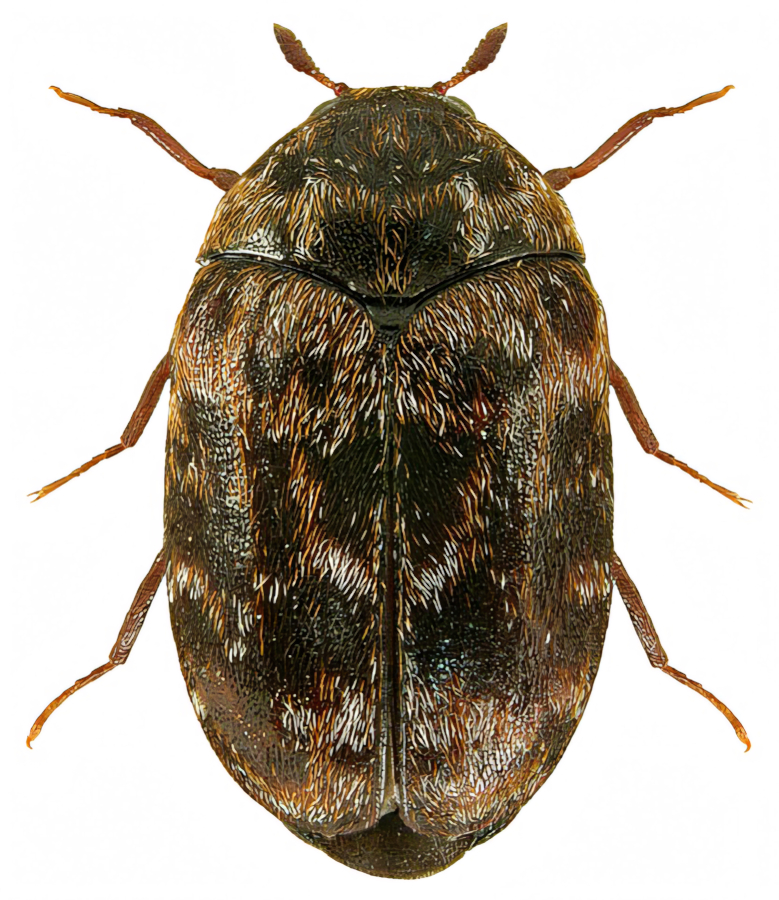
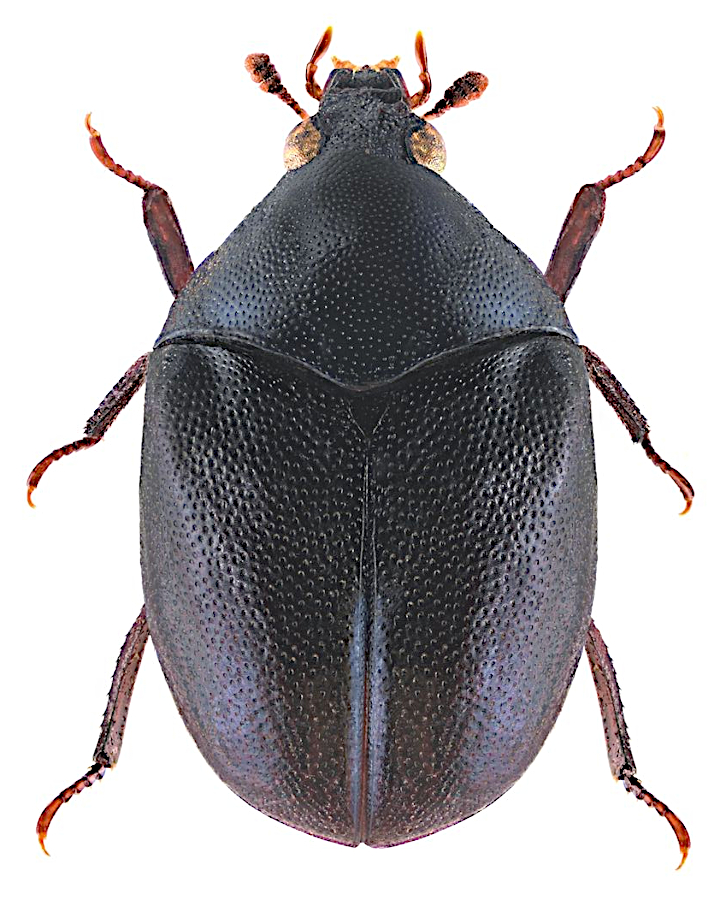
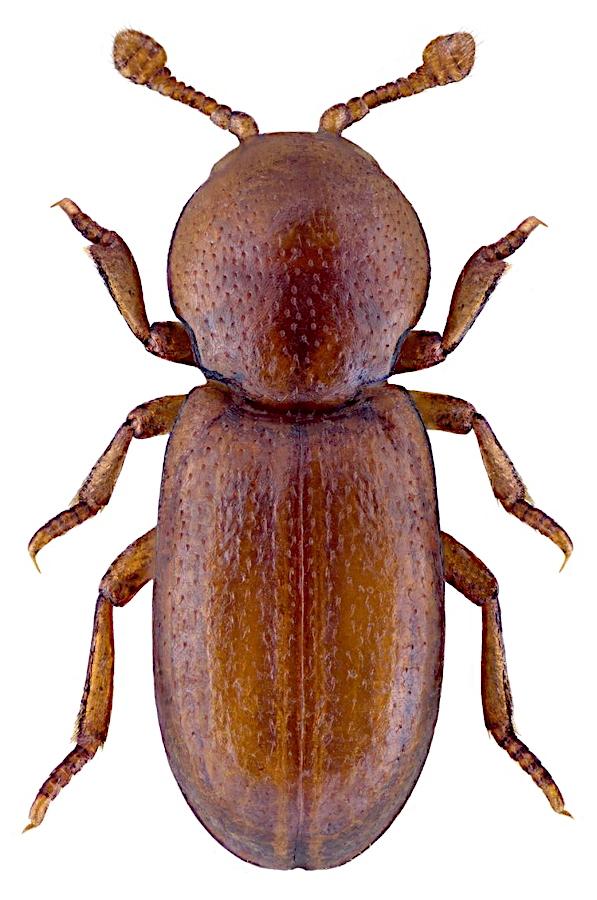
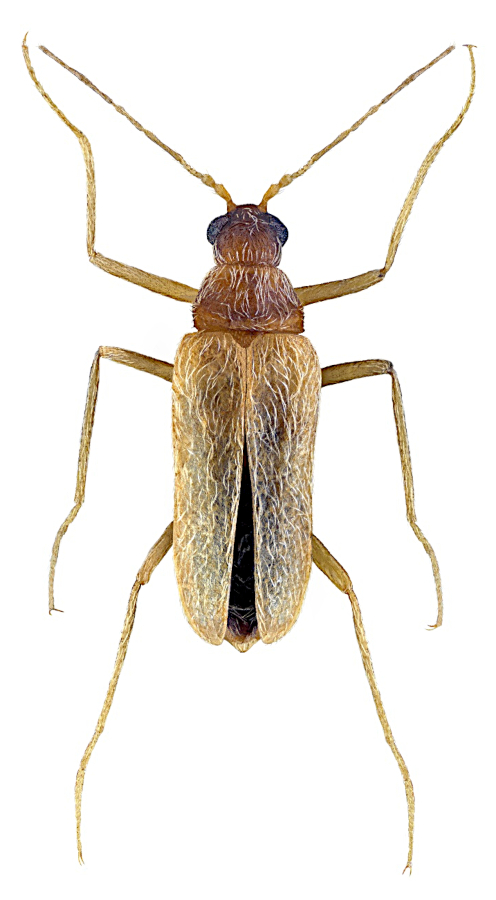
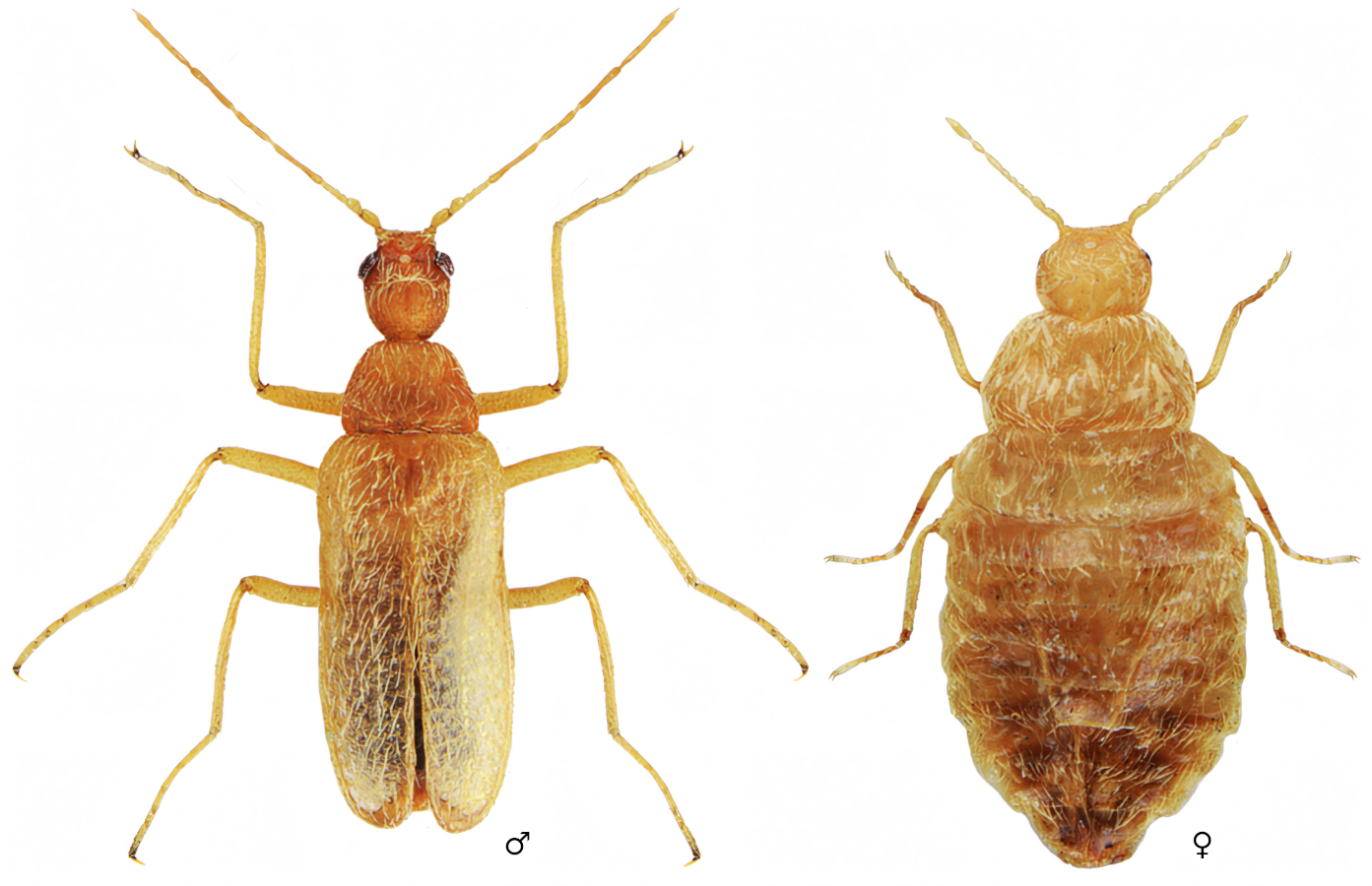
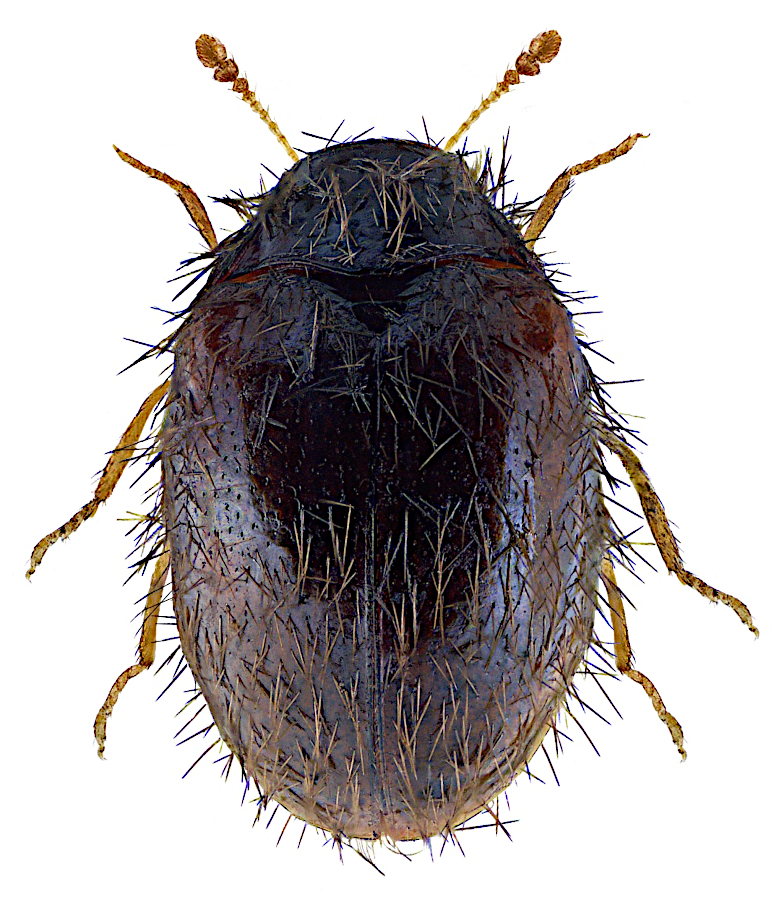
Dermestidae are small to medium-sized beetles, whose bodies are usually oval to ovoid in shape, compact and often covered with scales or dense hairs, forming characteristic spots and patterns. Their antennae usually have a club-shaped tip. The larvae, by contrast, are elongated, brownish and densely hairy, with some of the hairs capable of irritating the skin of more sensitive individuals. Both the larvae and adults of many species possess enzymes capable of breaking down hard-to-digest animal proteins, such as keratin, chitin or collagen. The larvae of most species feed on dry organic matter, primarily of animal origin, such as the remains of dead animals, feathers, fur, skin or insect remains. In the wild, they live on carrion, in the nests of birds, mammals, bees, wasps and bumblebees, under bark or on flowers, where they feed on pollen and nectar. They can also be found on dry plant debris, in feathers, fur or on hides. Several species have adapted to life in human dwellings, warehouses and museums, where they can cause damage to food, textiles, furs and zoological collections. Conversely, some species (particularly those of the genus Dermestes) are deliberately used in taxidermy and museums to clean skeletons.
Number of Species:
| World |
2 000 |
|
| Palaearctic Region |
750 |
|
| Europe |
300 |
|
| Central Europe |
96 |
|
 |
Family Card |
DERMESTIDAE (Latreille, 1804)
|
Attageninae (Laporte de Castelnau, 1840)
|
Attagenini (Laporte de Castelnau, 1840)
|
Dermestinae (Latreille, 1804)
|
Dermestini (Latreille, 1804)
|
Megatominae (Leach, 1815)
|
Anthrenini (Gistel, 1848)
|
| Anthrenina (Gistel, 1848) |
| Anthrenocerina (Háva, 2015) |
| Trogodermina (Mulsant & Rey, 1868) |
Orphilinae (LeConte, 1861)
|
Orphilini (LeConte, 1861)
|
Thorictinae (Agassiz, 1846)
|
Thaumaphrastini (Anderson, 1949)
|
Trinodinae (T. L. Casey, 1900)
|
Thylodriini (Semenov-Tjan-Shansky, 1909)
|
Trinodini (T. L. Casey, 1900)
|