The Family Atlas |
| Processing Status: | ||
| 19 / 19 | 100% | |
| Size of Species: 1.3 - 8.5 mm |
| Tarsal Formula: 5-5-5 |
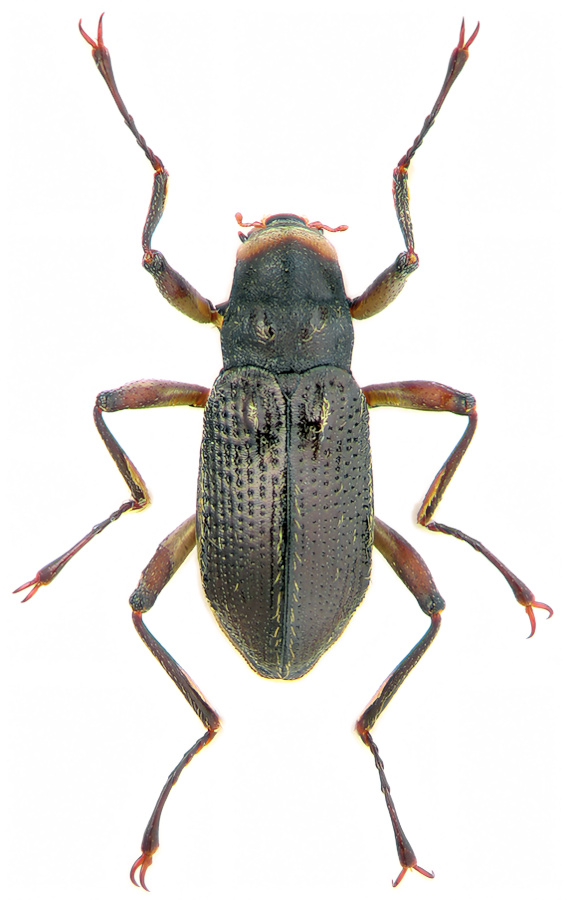
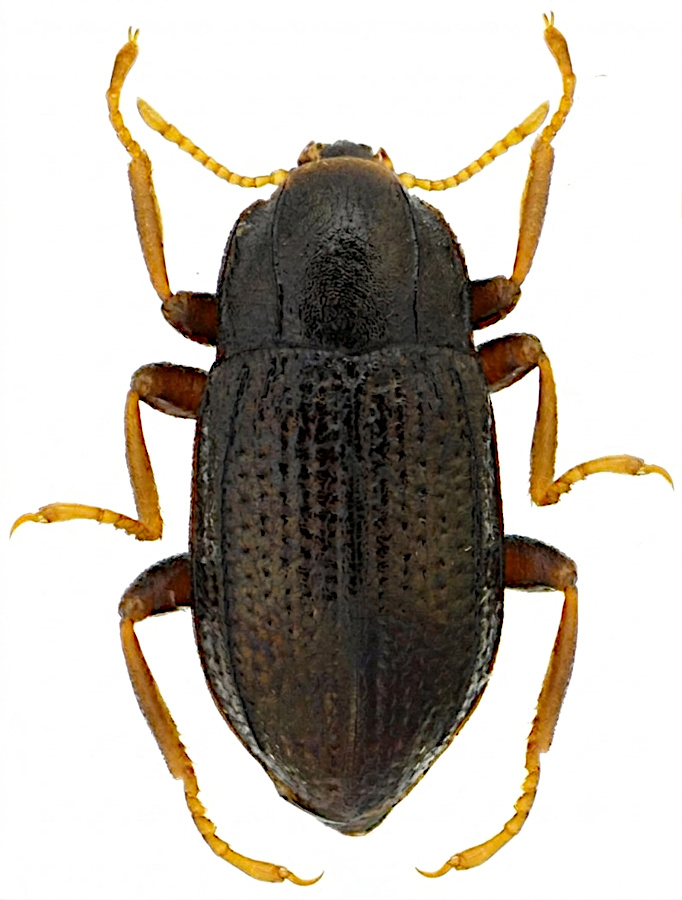
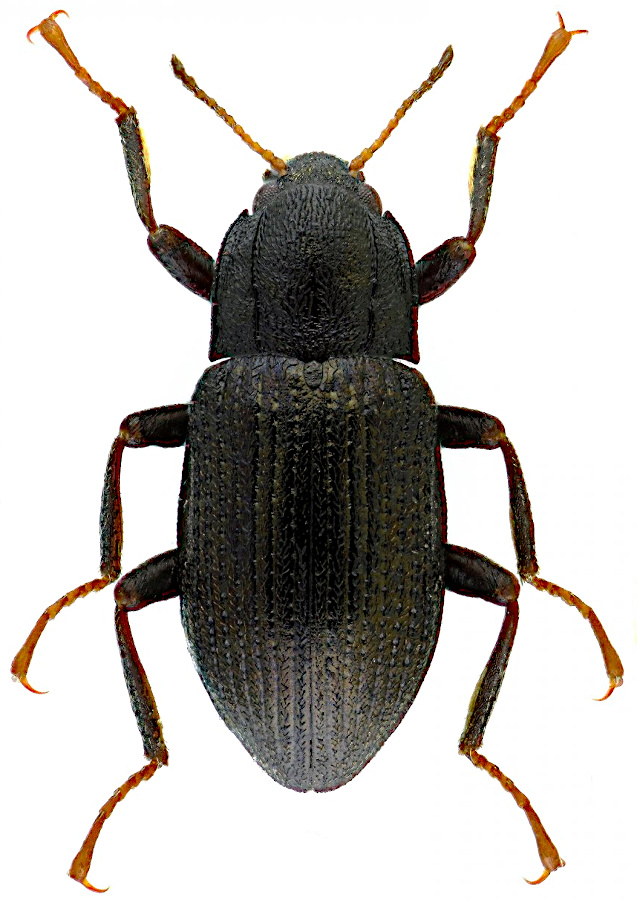
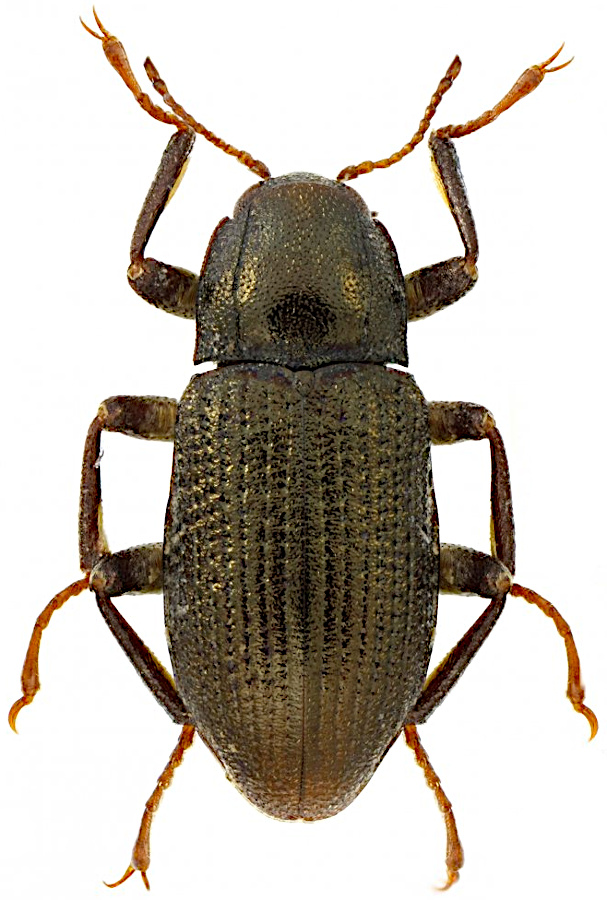
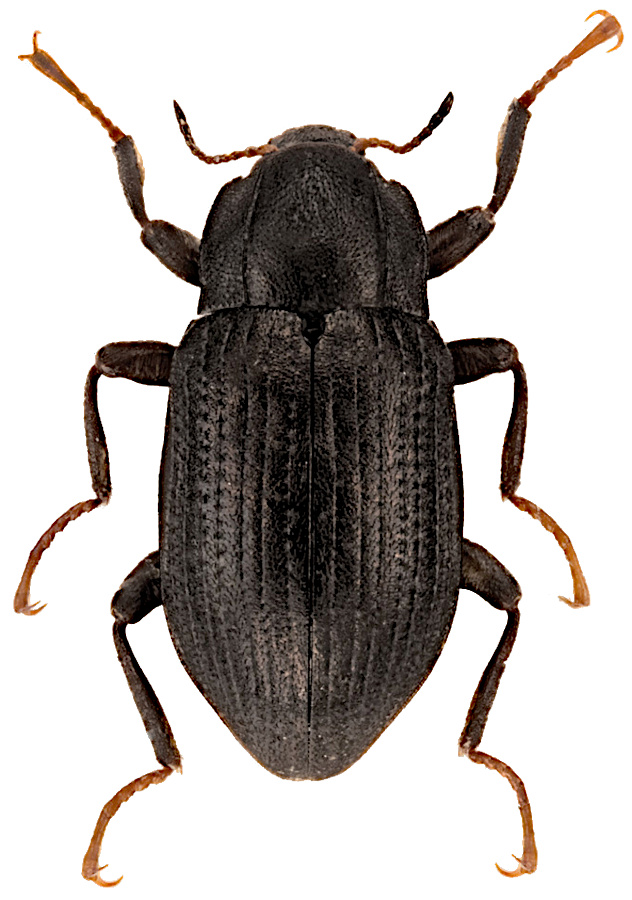
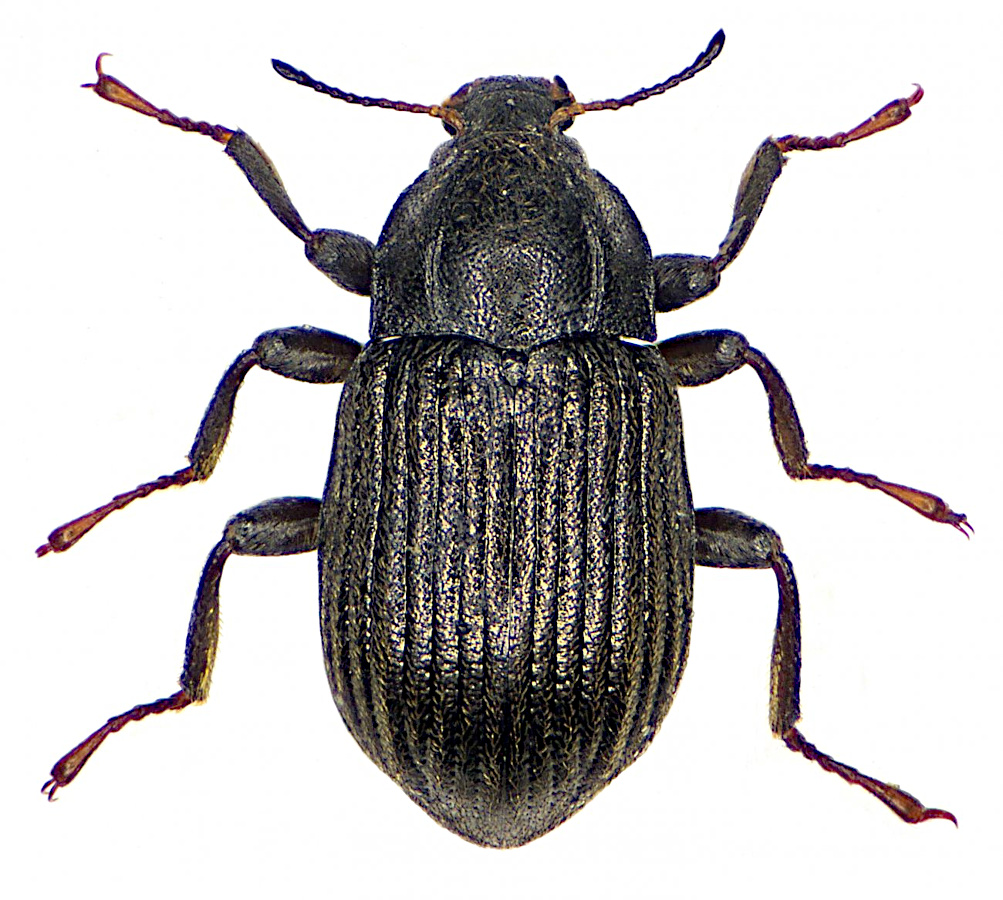
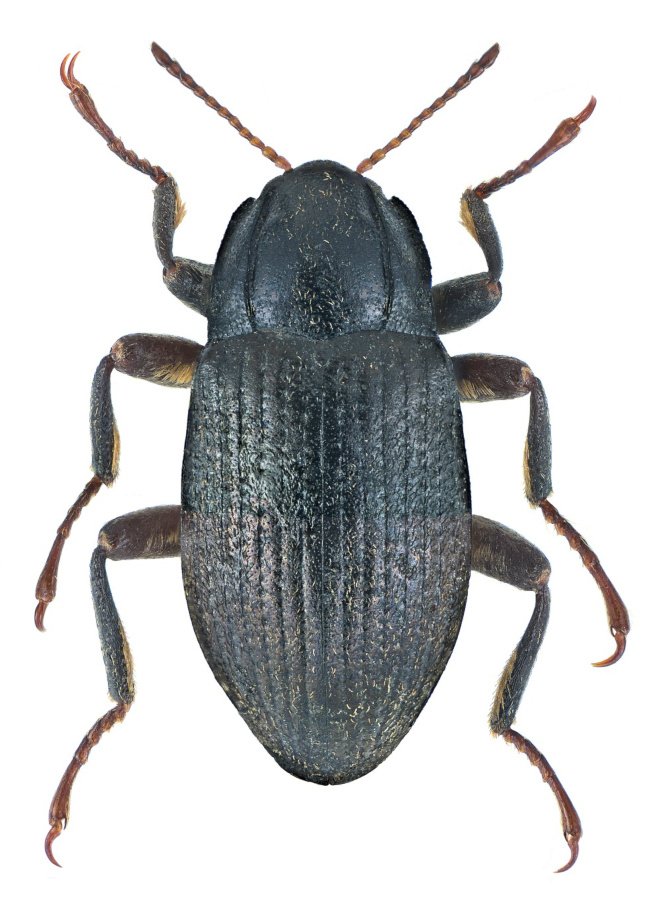
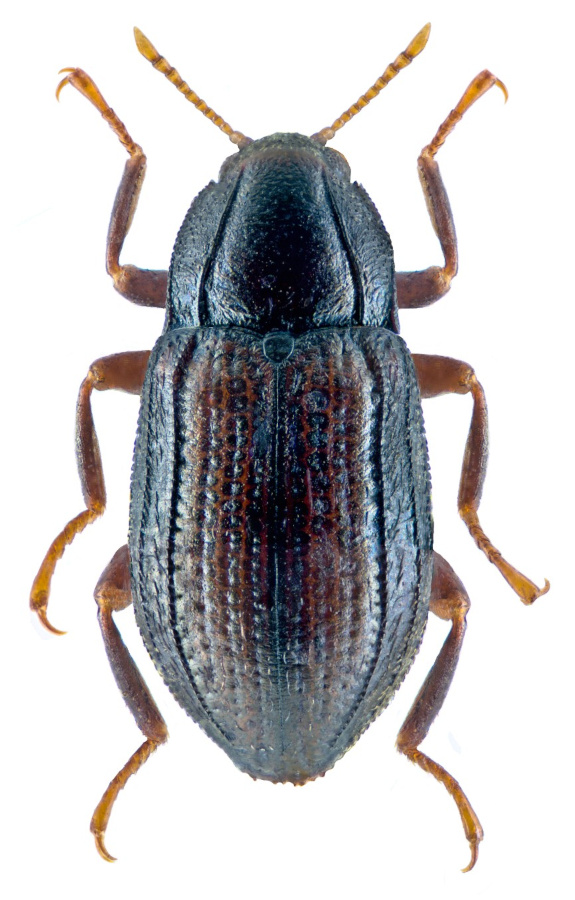
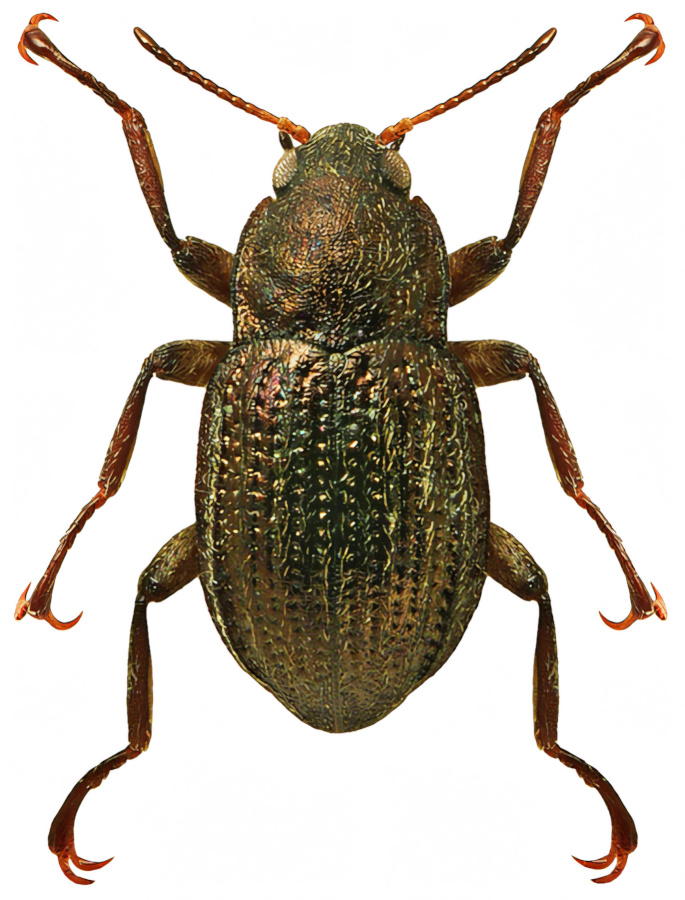
The family Elmidae represents a specialised group of aquatic beetles, whose larvae and adults spend most of their lives in clean, flowing water. They most commonly inhabit the stony beds of mountain and foothill streams, torrents and rivers with high levels of dissolved oxygen. Although they are aquatic beetles, they lack any adaptations for active swimming; instead, they move exclusively by crawling across the substrate of the riverbed, using their disproportionately long legs with strong claws. This family is distinguished by the unique breathing method of the adults, which utilises the so-called plastron – a permanent air cushion that functions as a physical gill and enables them to remain submerged throughout their lives without needing to come to the surface to breathe. Adults move across stones, submerged wood or aquatic plants, where they graze on growths of algae, bacteria and other microorganisms forming a biofilm. The larvae have a similar lifestyle and development. Most species are tiny, inconspicuously coloured and difficult to identify without detailed microscopic examination. Owing to their sensitivity to organic pollution and changes in hydrological conditions, they are among the key bioindicator organisms used in assessing the ecological status of watercourses.
Number of Species:
| World | 1 500 | |
| Palaearctic Region | 274 |
| Europe | 49 | |
| Central Europe | 27 |
 |
Family Card |
ELMIDAE (Curtis, 1830) |
Larainae (LeConte, 1861) |
Potamophilini (Mulsant & Rey, 1872) |
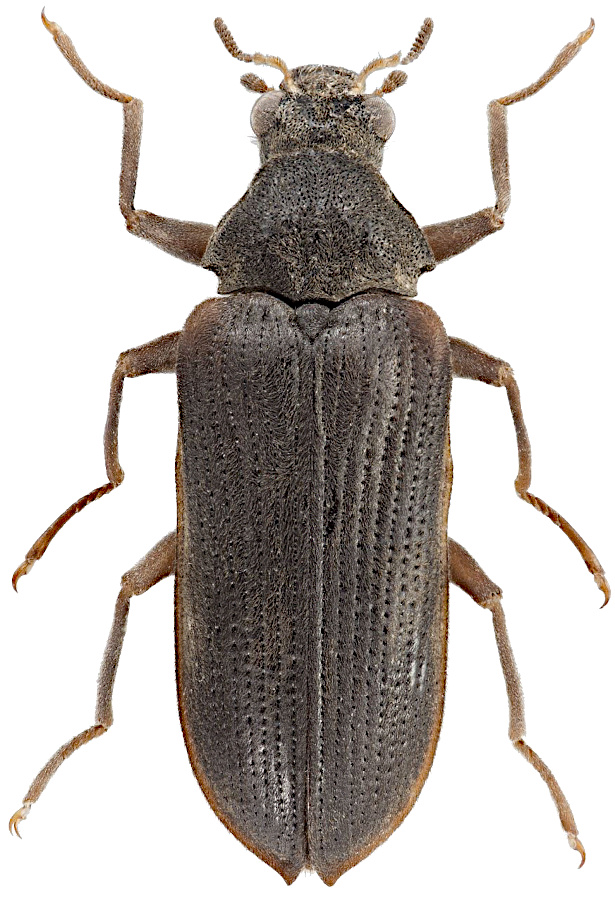






Elminae (Curtis, 1830) |
Elmini (Curtis, 1830) |
| Elmina (Curtis, 1830) |
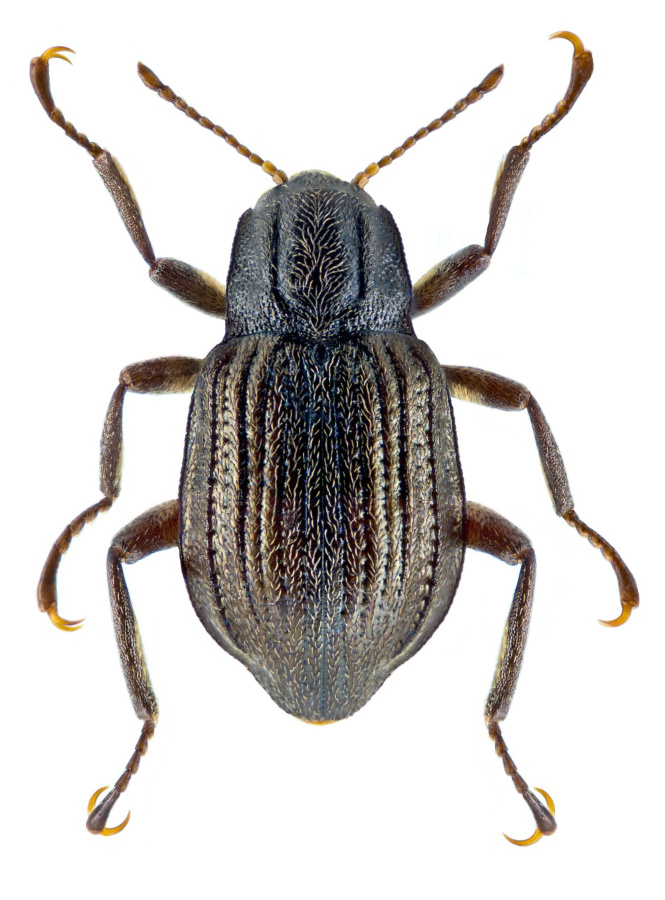
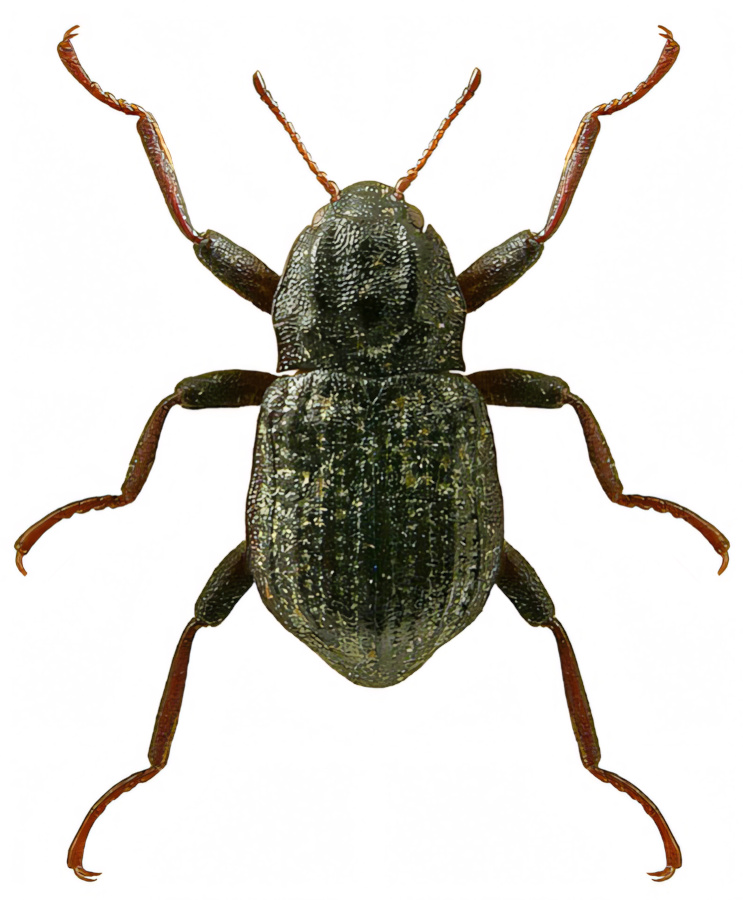
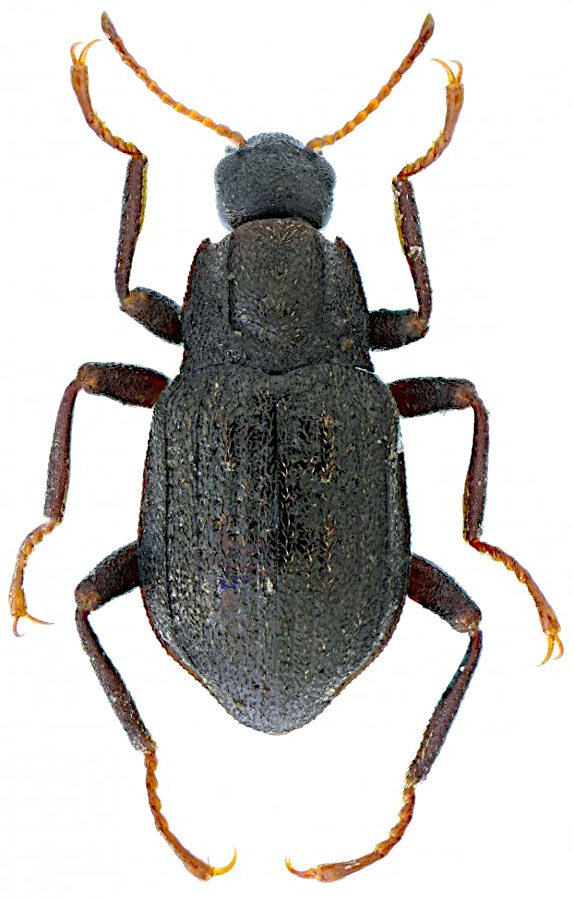
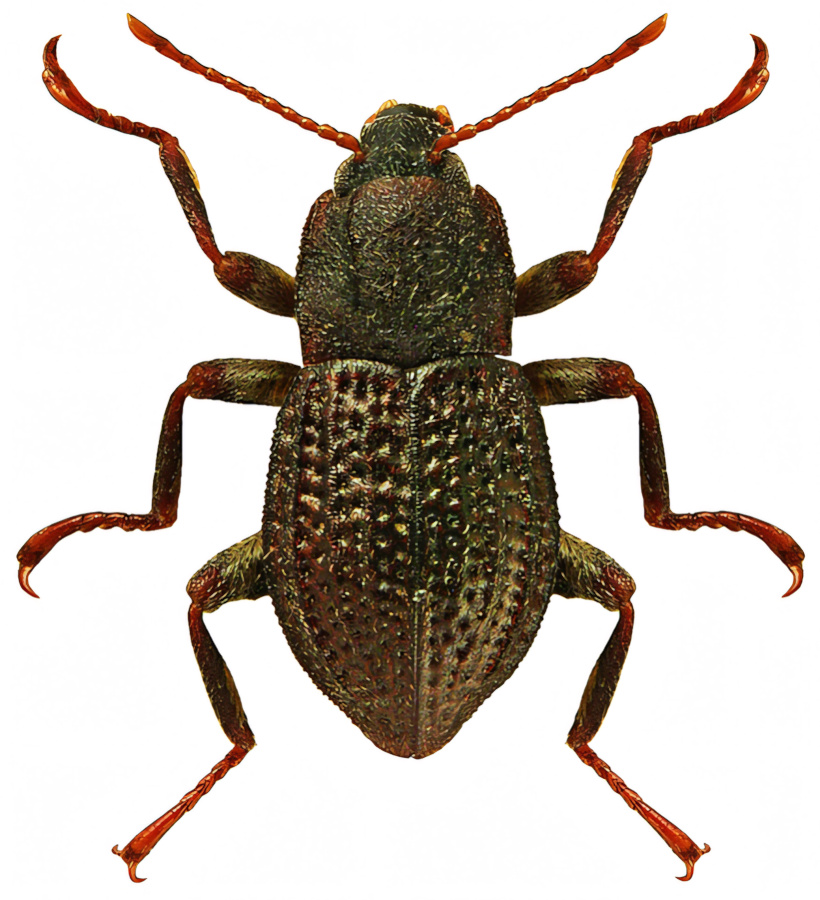
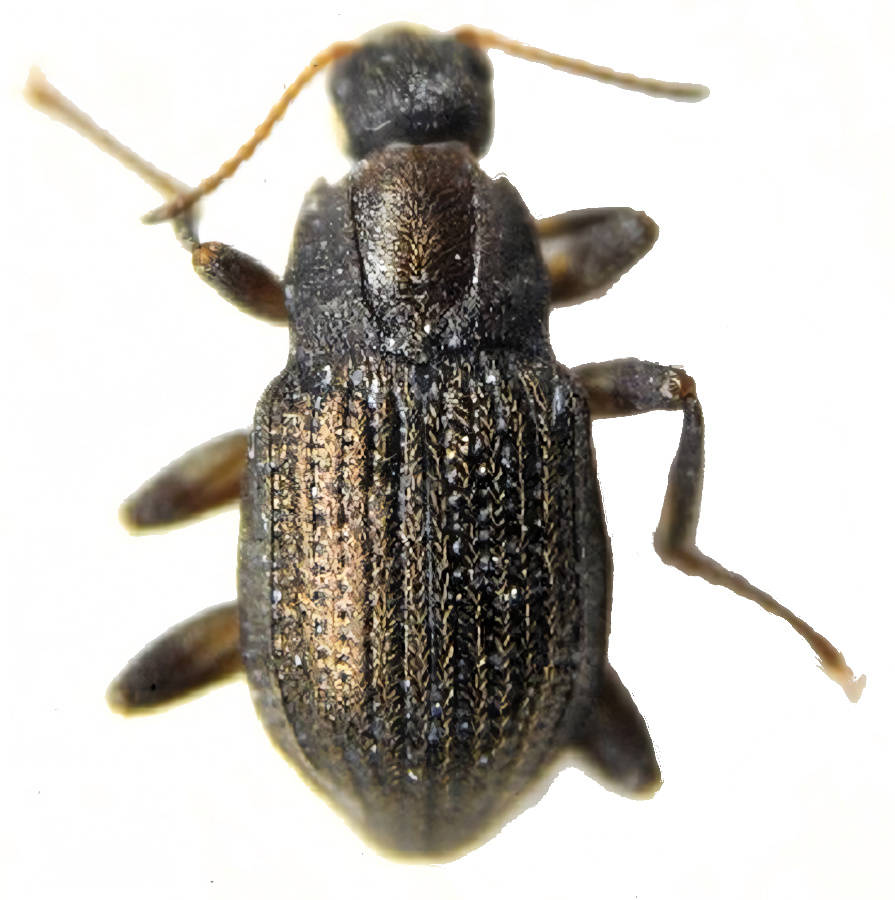
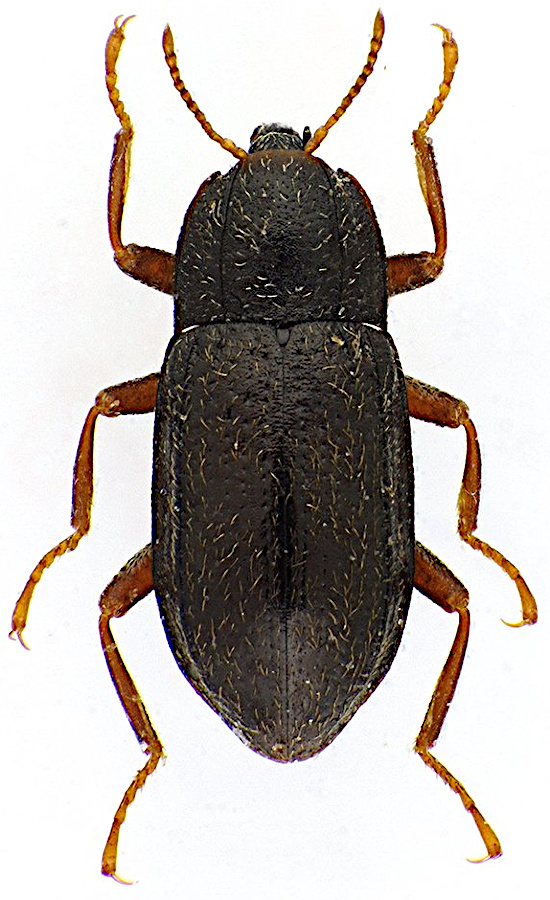
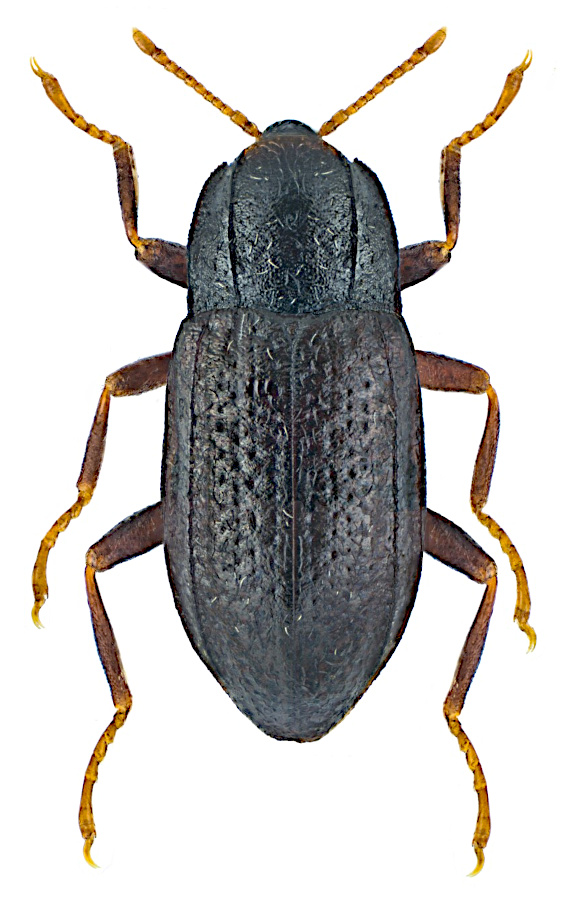
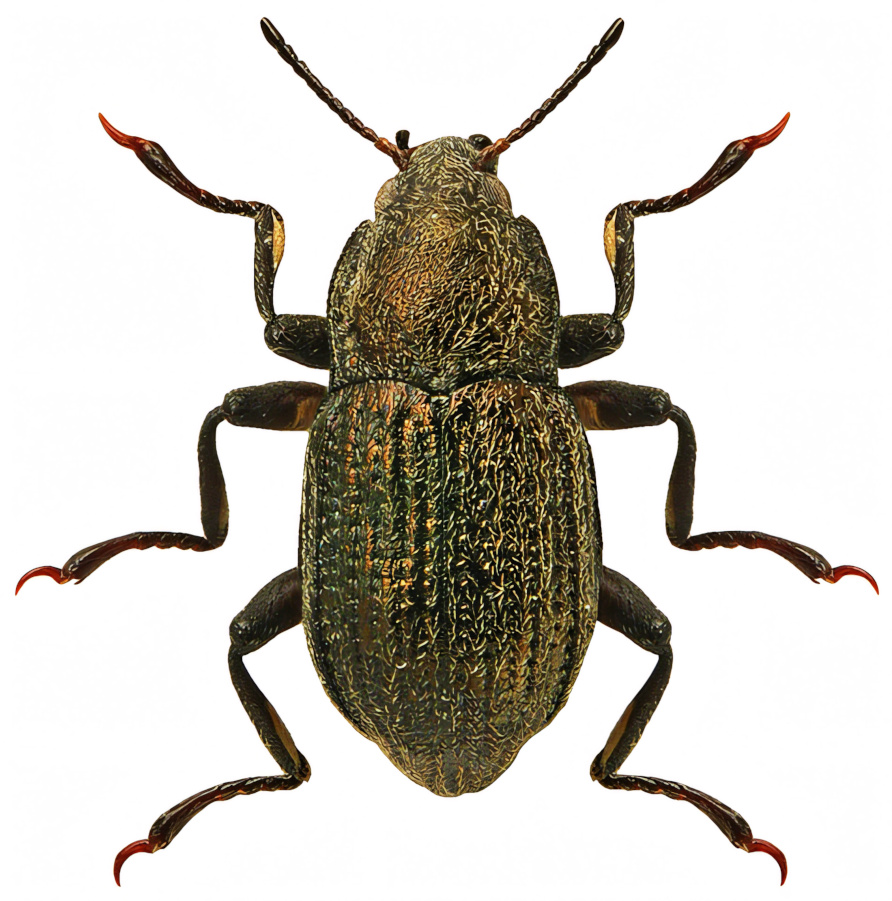
| Stenelmina (Mulsant & Rey, 1872) |
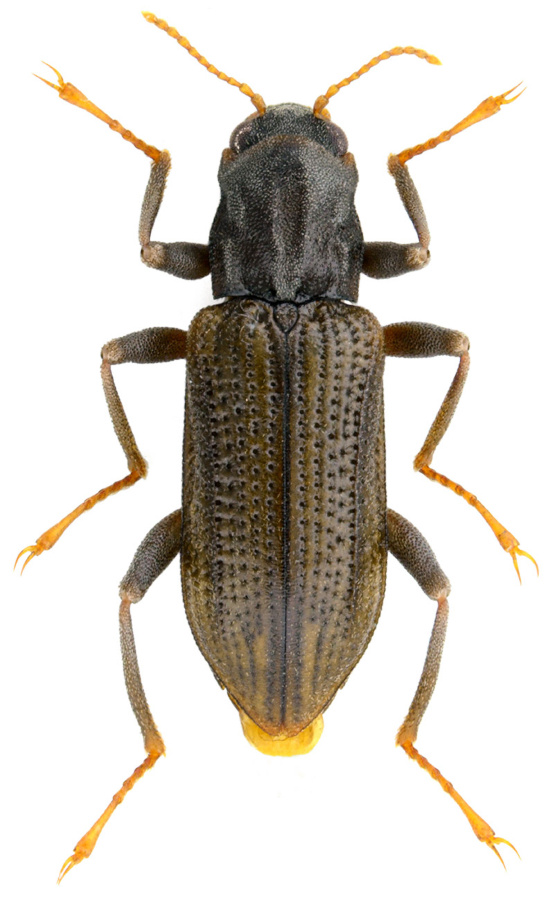
Macronychini (Gistel, 1848) |