The Family Atlas |
| Processing Status: | ||
| 22 / 22 | 100% | |
| Size of Species: 2.8 - 11.0 mm |
| Tarsal Formula: 5-5-5 |
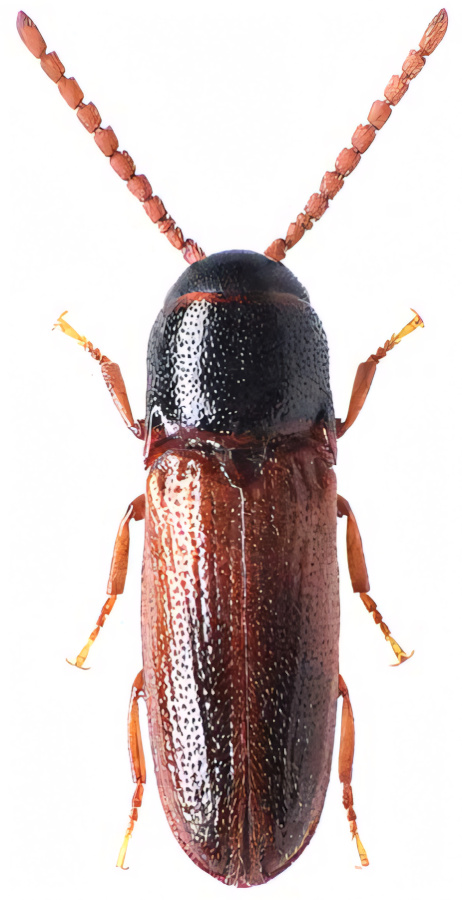
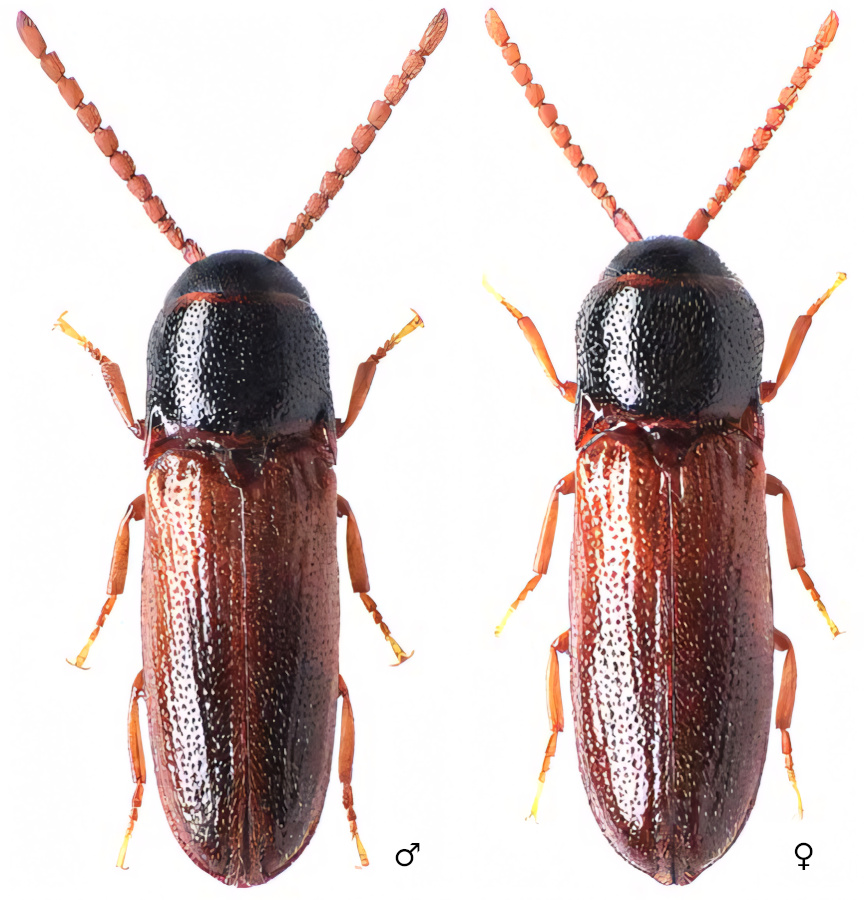
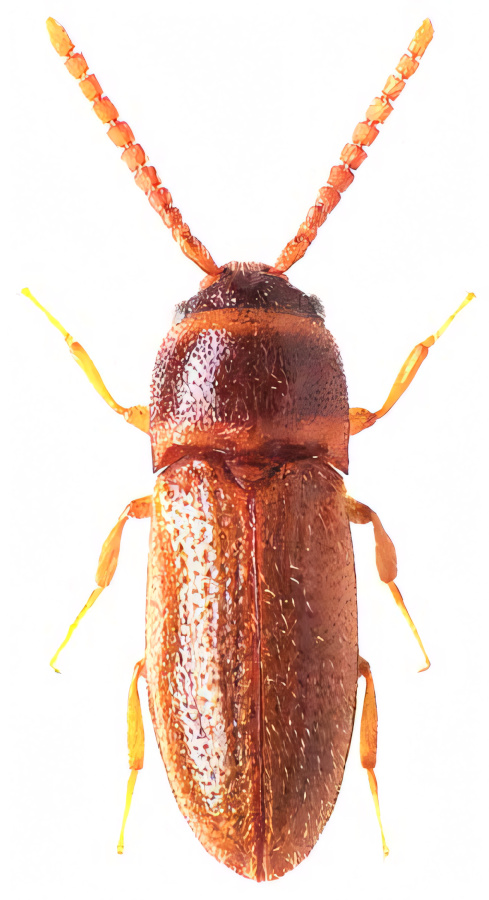
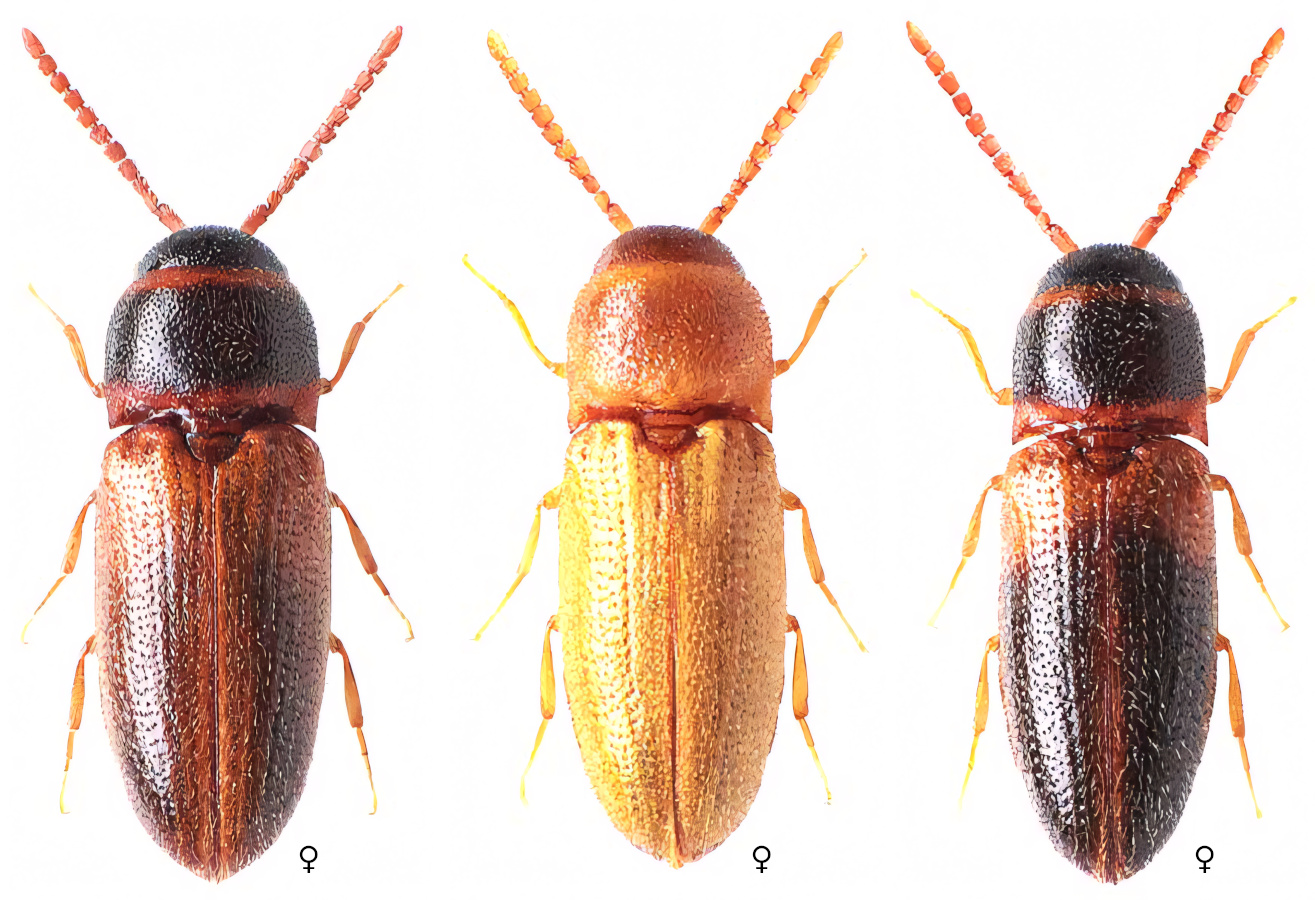
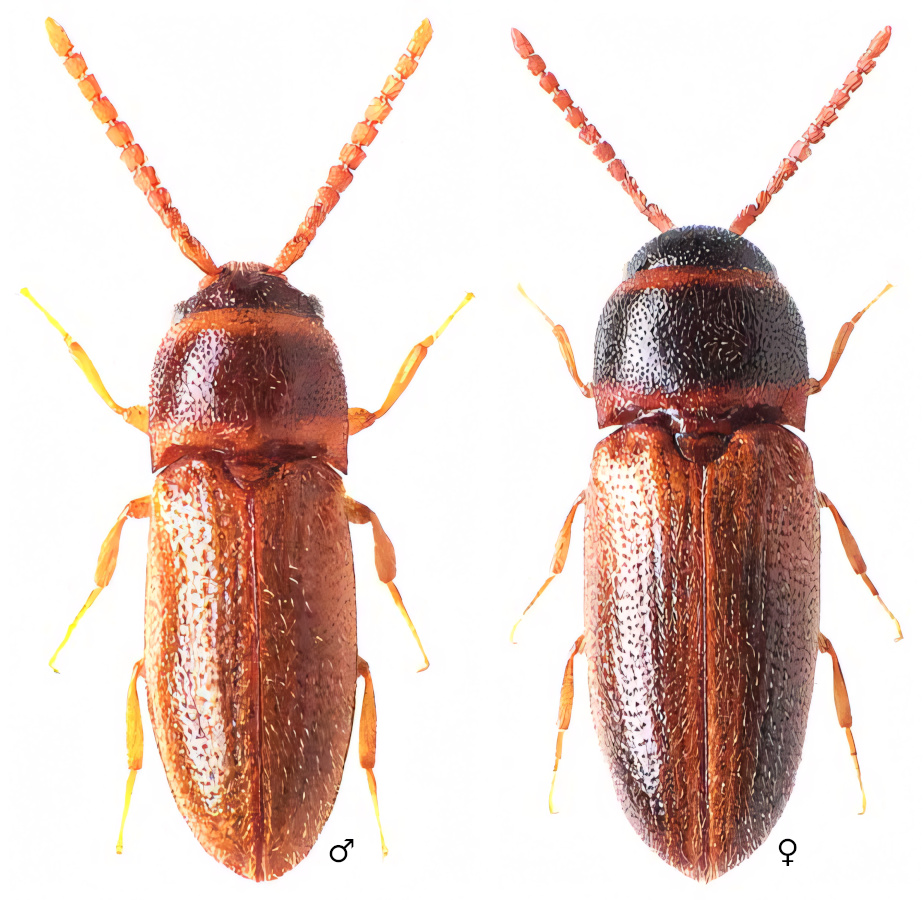
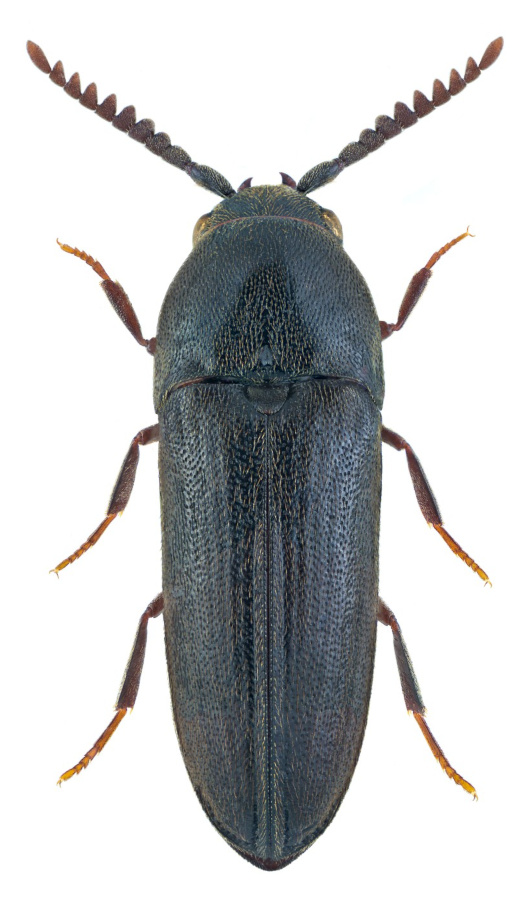
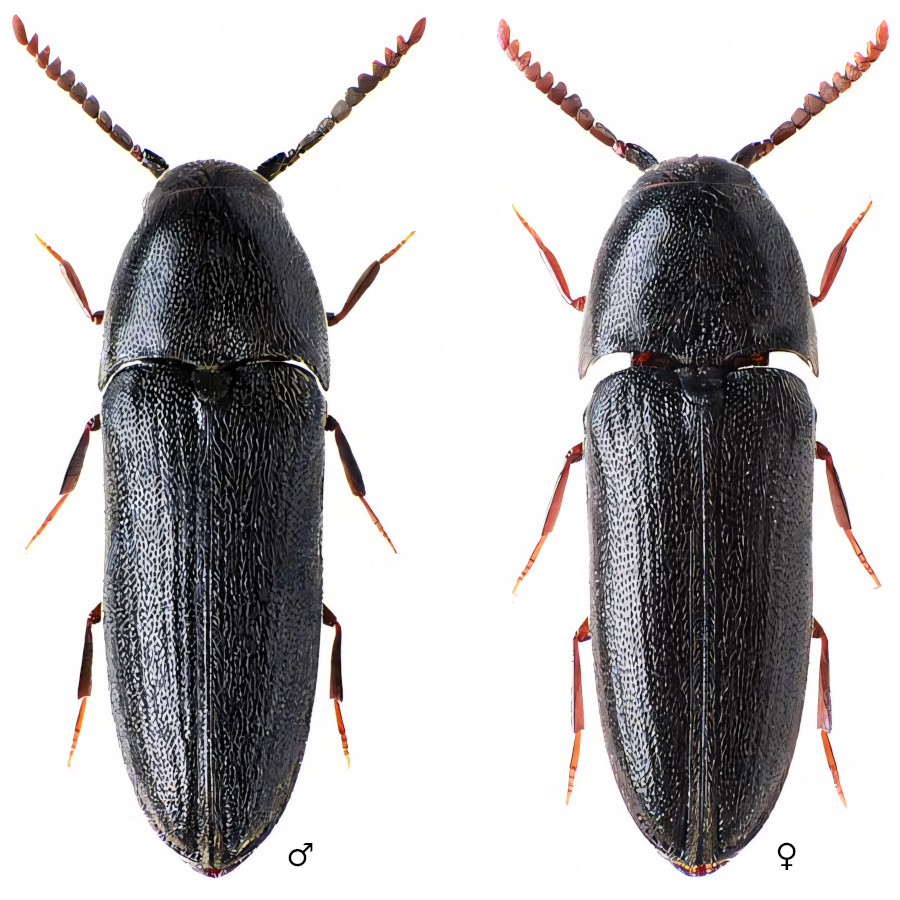
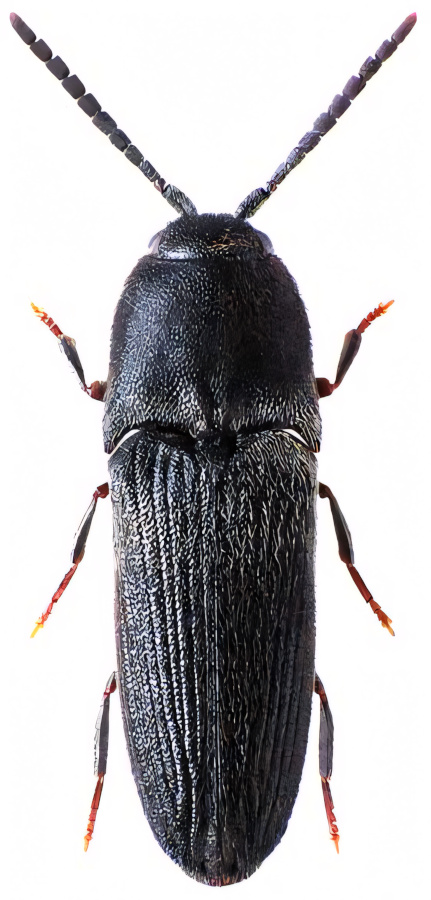
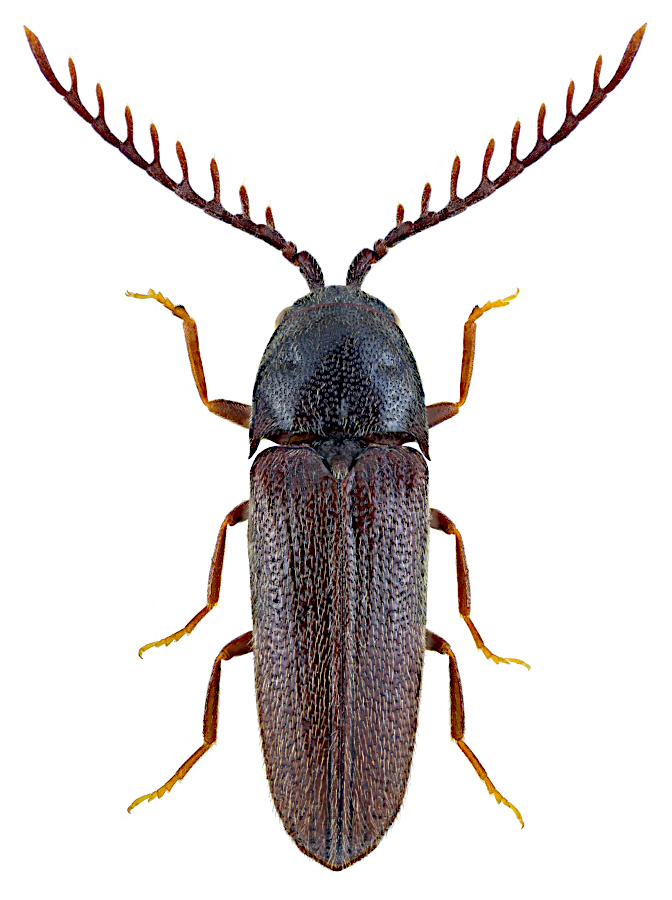
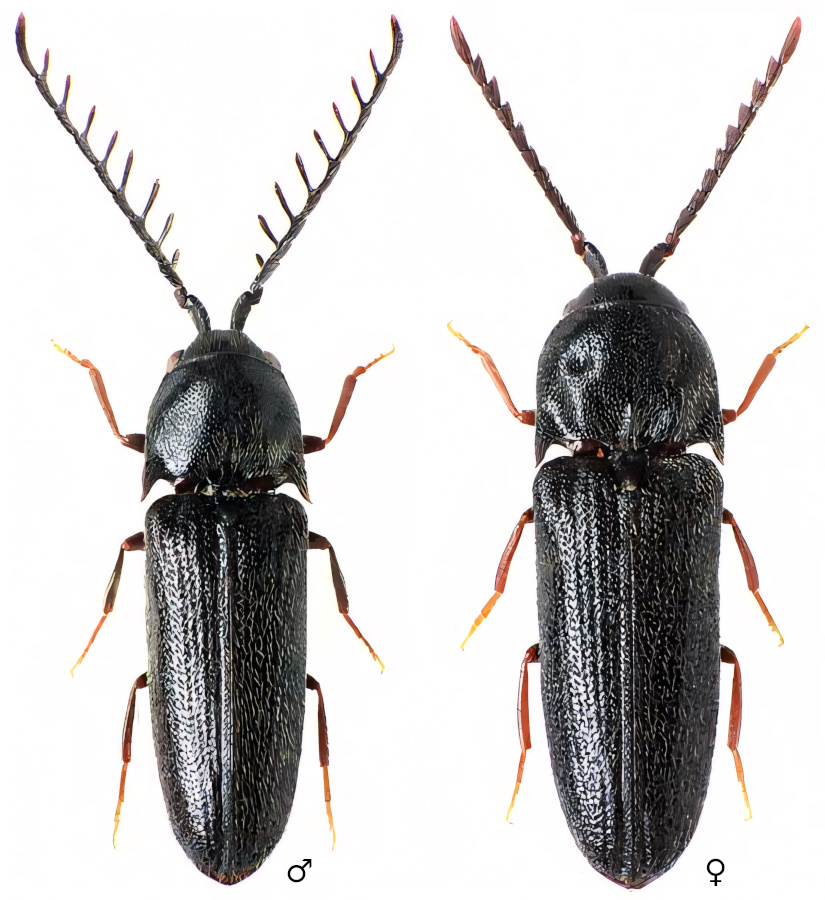
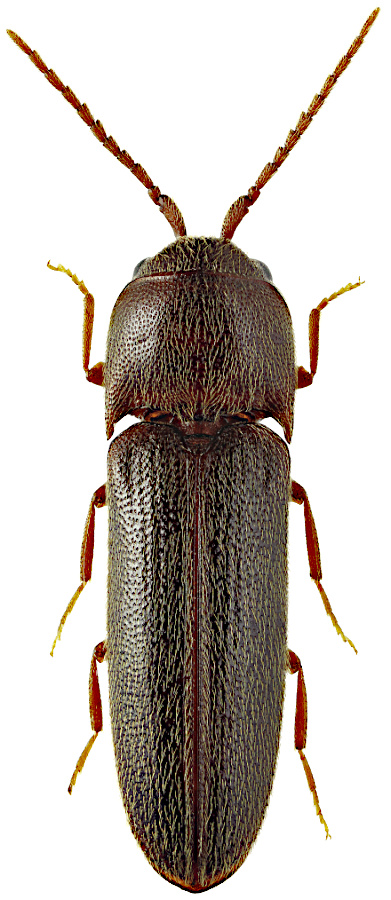
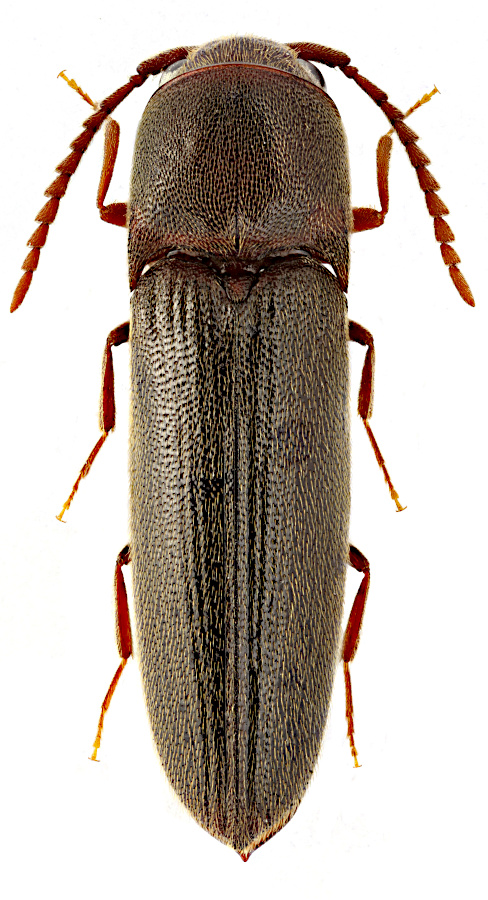
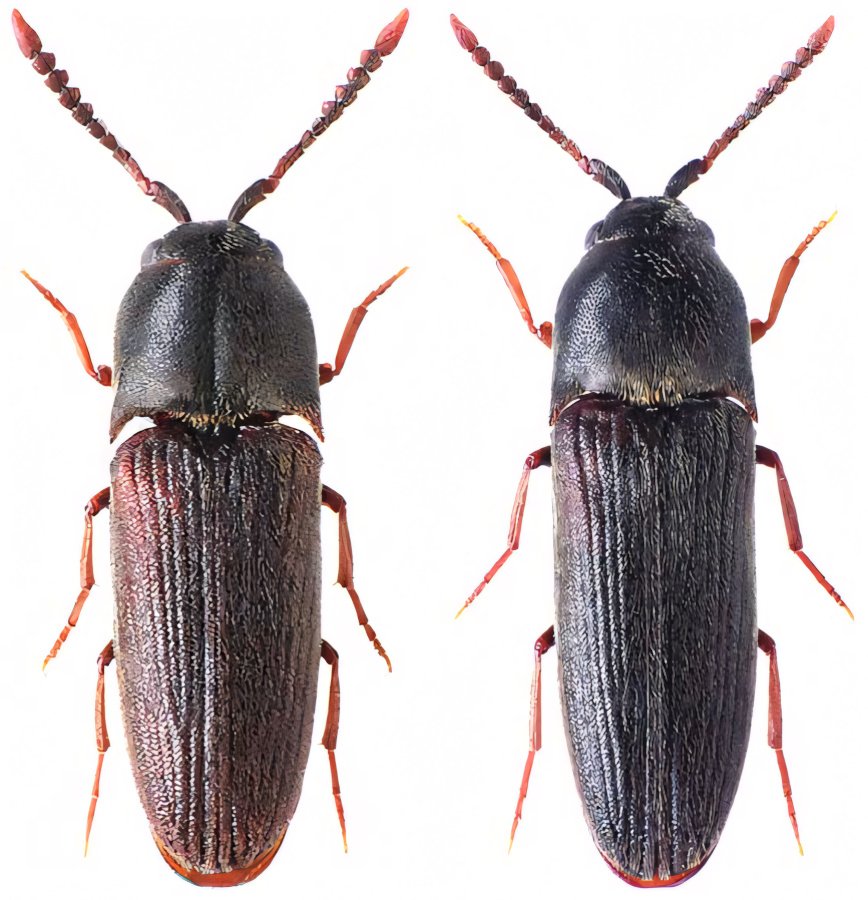
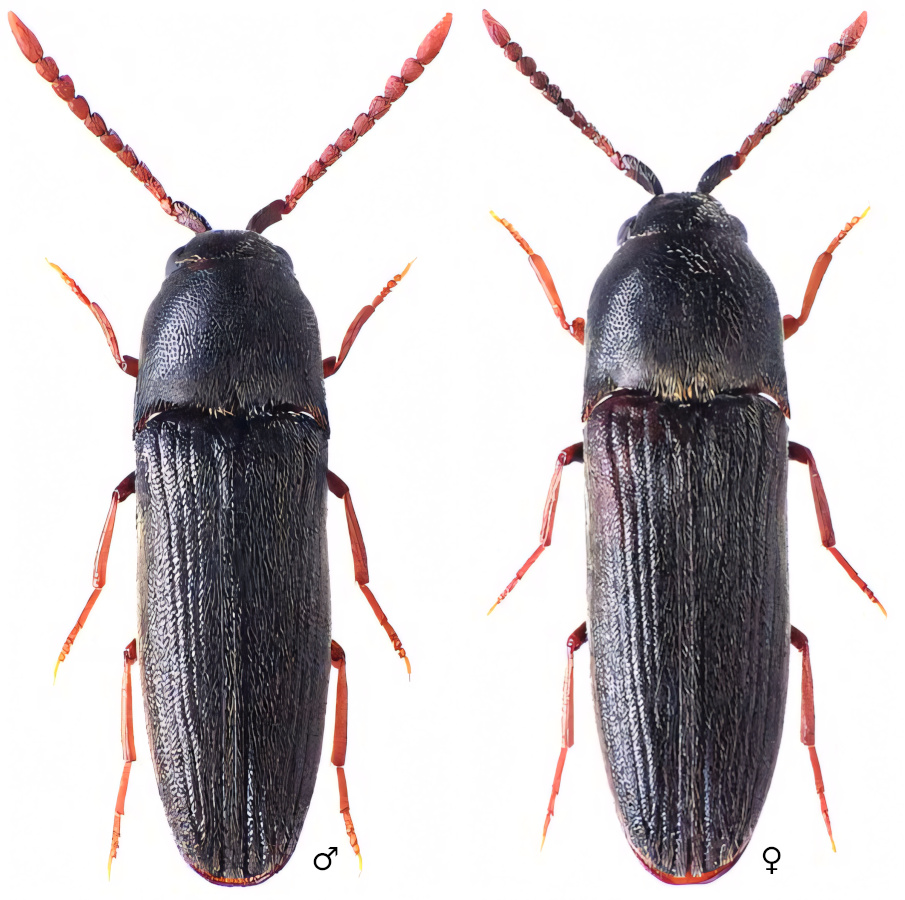
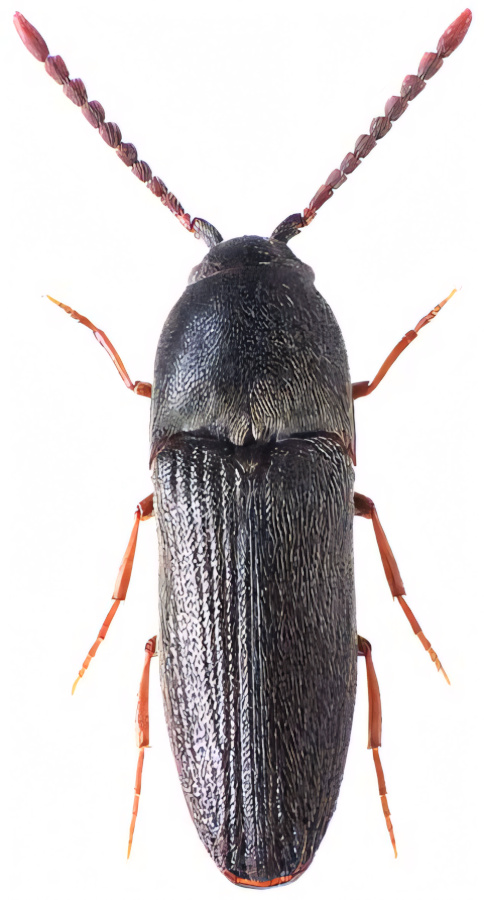
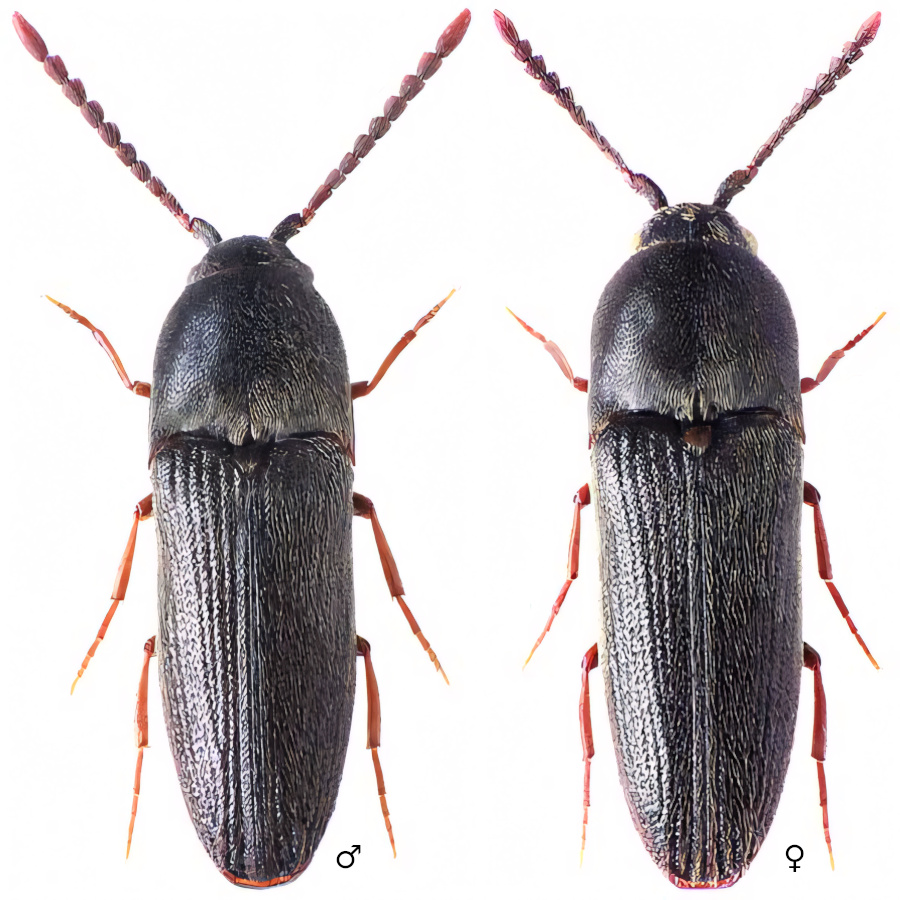
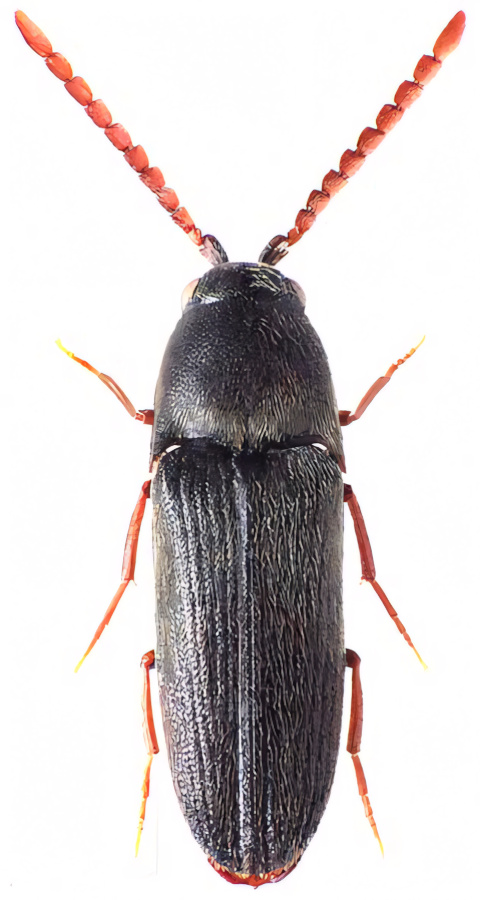
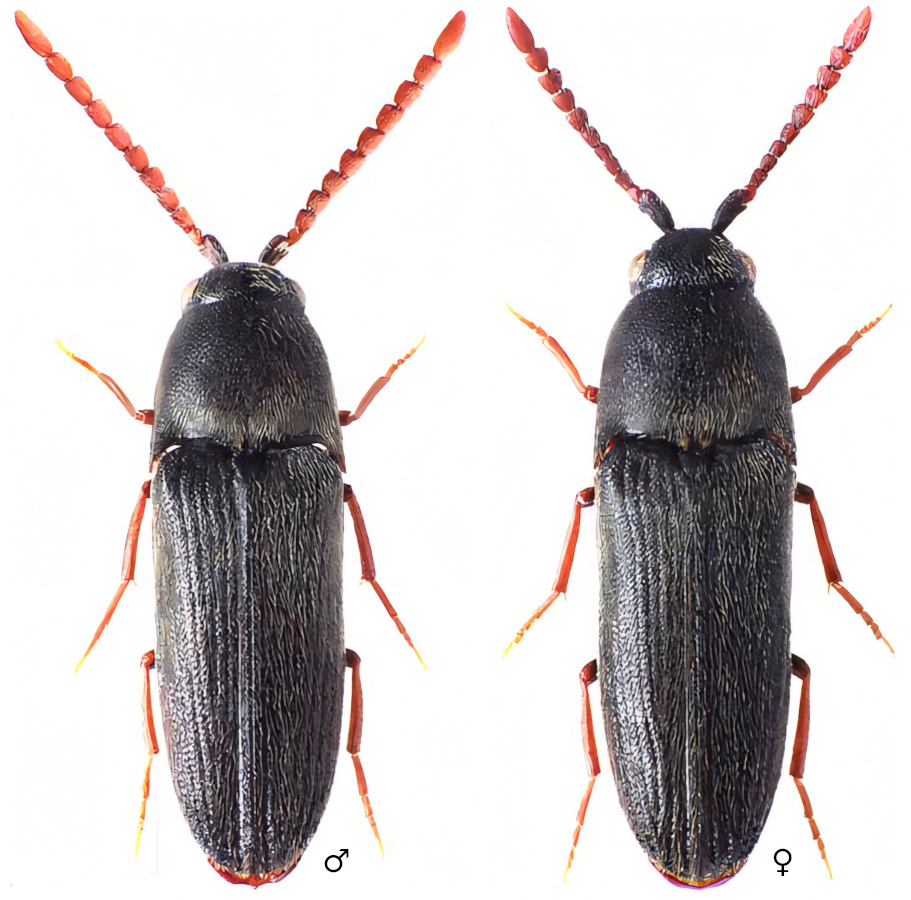
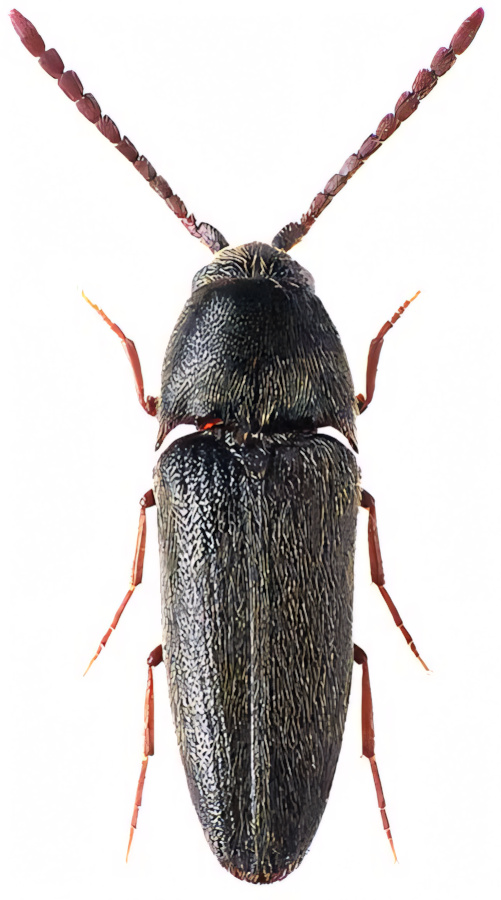
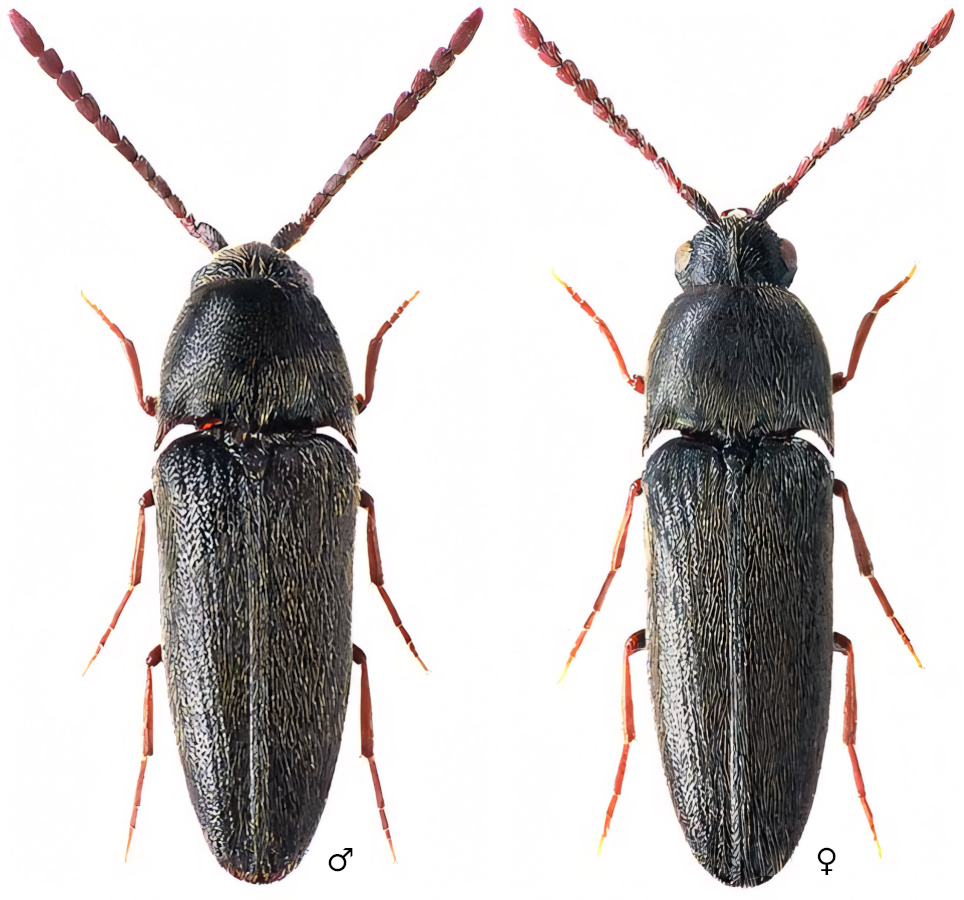
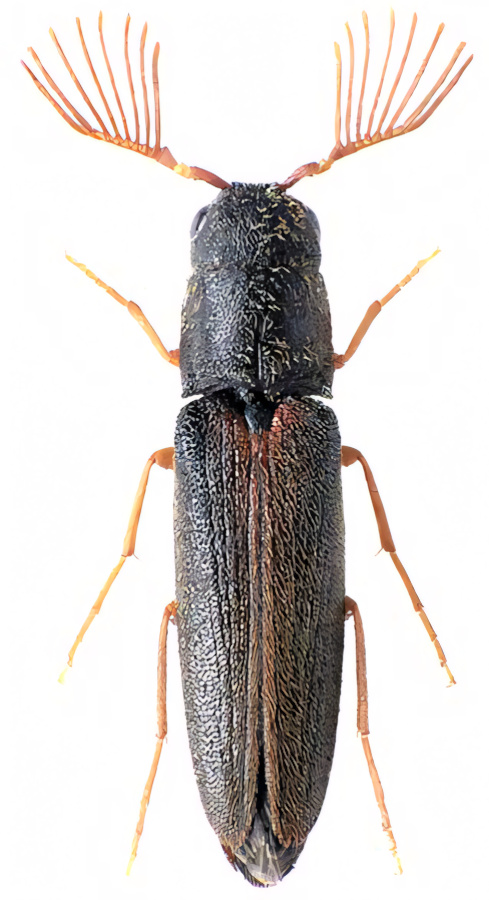
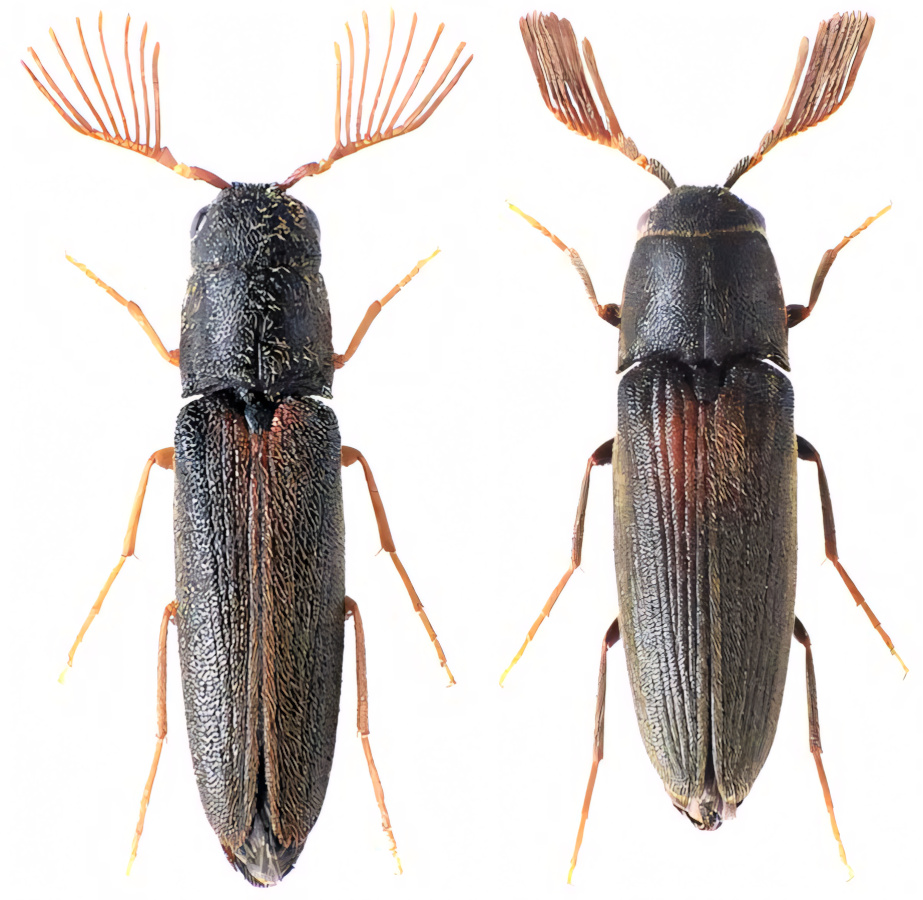
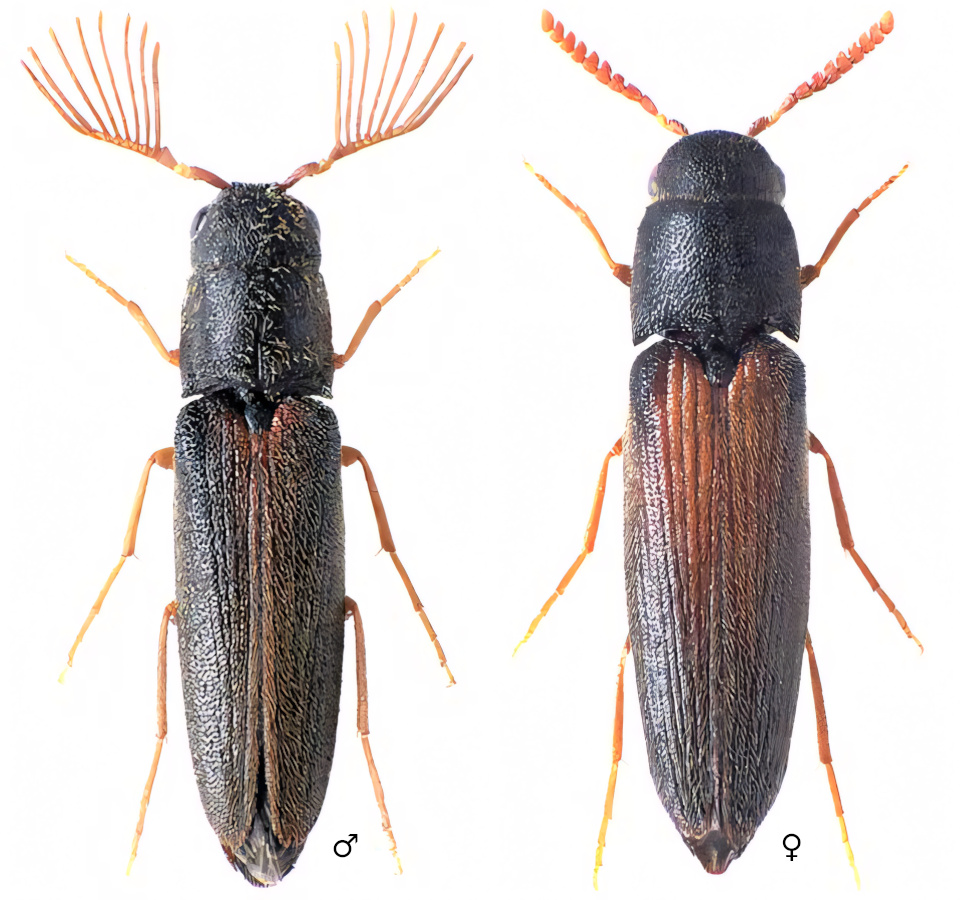
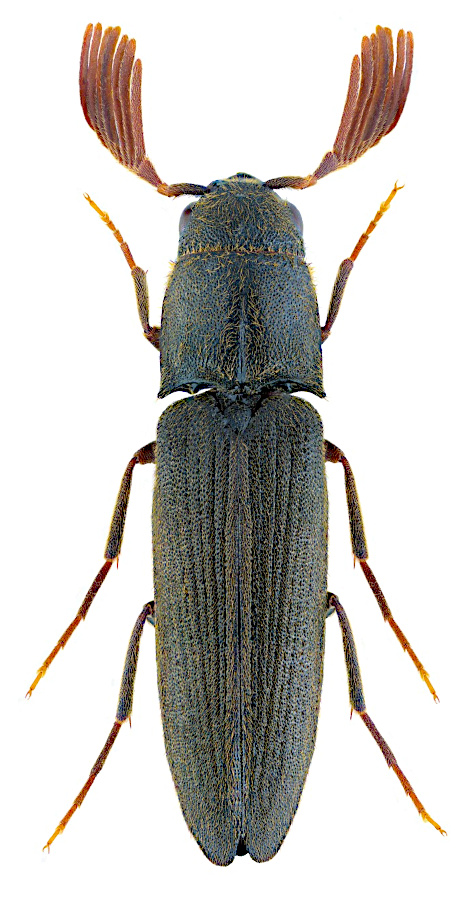
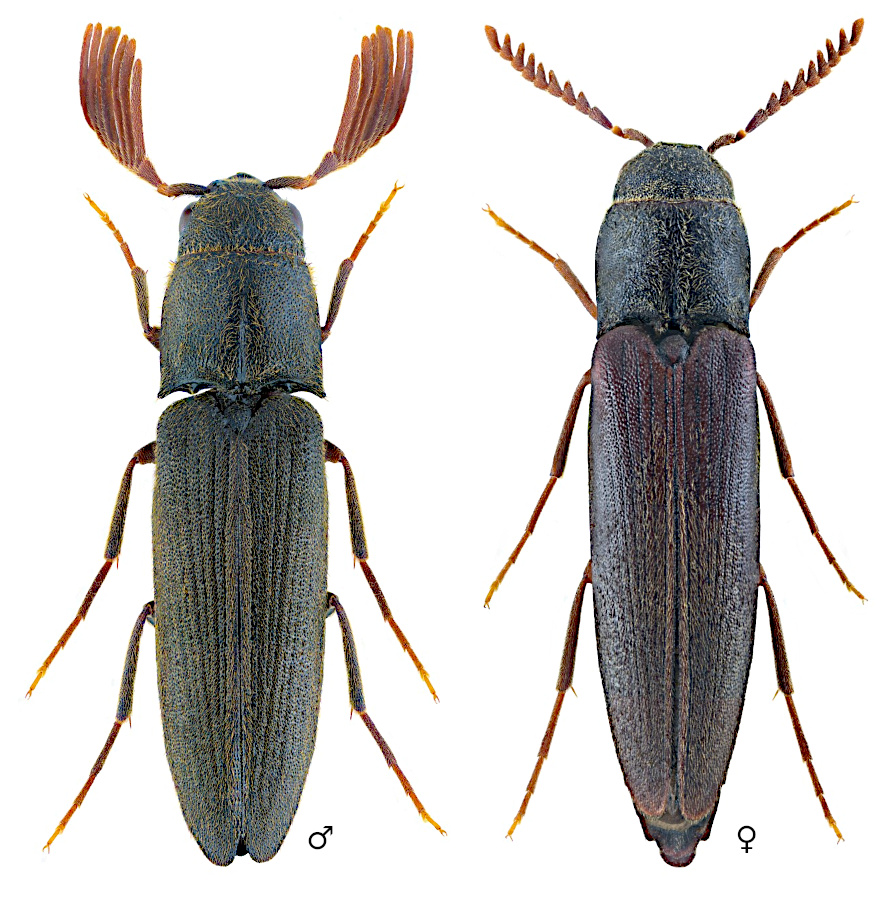
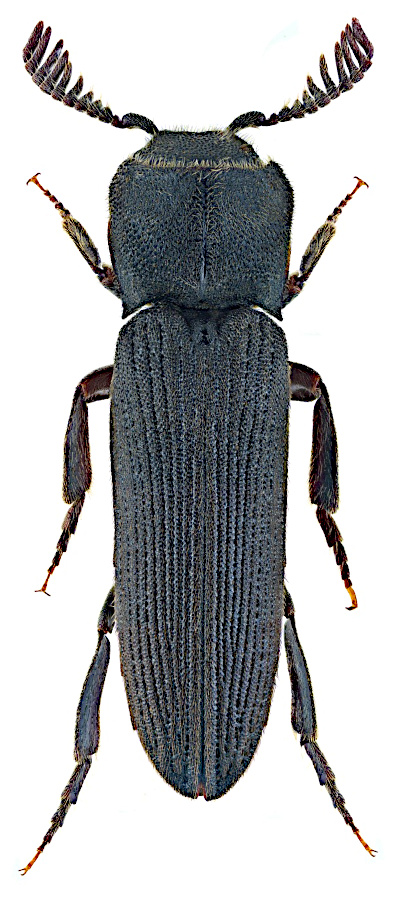
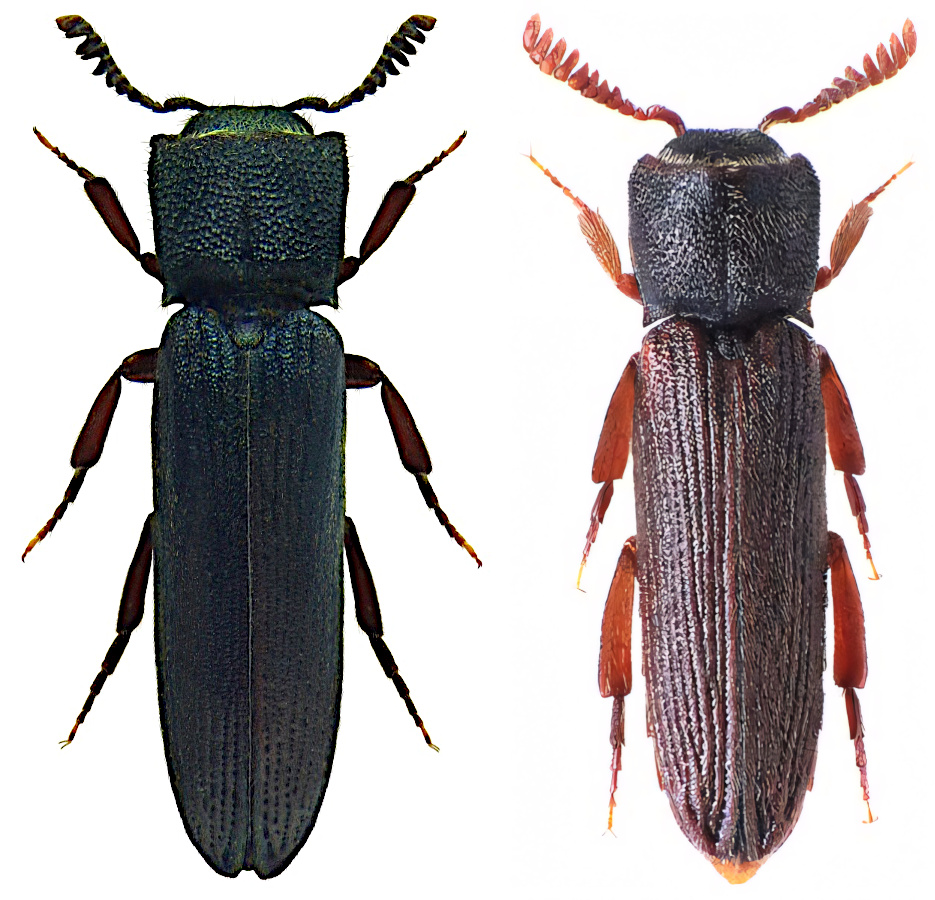
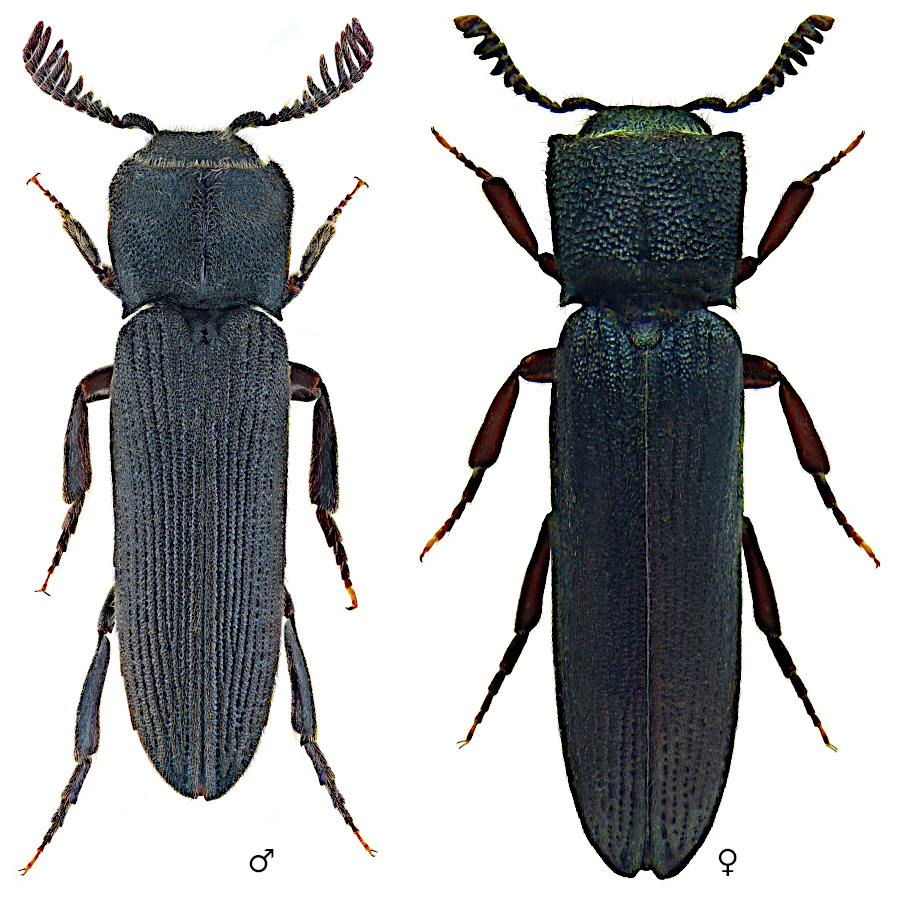
Eucnemidae are predominantly small to medium-sized beetles belonging to the superfamily Elateroidea, and are very similar in appearance to species of the family Elateridae. Their bodies are usually elongated, cylindrical to slightly flattened, often black, brown or metallic in colour, and covered with fine hairs or scales. Some species possess a jumping mechanism, similar to that found in the family Elateridae, enabling them to leap by a sudden movement of the thorax. The larvae are typically legless; they develop in decaying or disturbed wood, often in the presence of fungi, and are thought to feed on a liquid diet – they break down woody material enzymatically and absorb the dissolved nutrients. Adults are found on the surface of tree trunks, stumps or in tree hollows; they are short-lived and difficult to detect. Many species are nocturnal and are attracted to light. The Eucnemidae are important bioindicators of the health and continuity of natural forest ecosystems, whilst most of our species are rare and threatened. Globally, this is a species-rich family, whose diversity increases significantly towards the tropics.
Number of Species:
| World | 1 700 | |
| Palaearctic Region | 140 |
| Europe | 42 | |
| Central Europe | 25 |
 |
Family Card |
Eucnemidae (Eschscholtz, 1829) |
Eucneminae (Eschscholtz, 1829) |
Eucnemini (Eschscholtz, 1829) |






Macrulacinae (Fleutiaux, 1922) |
Euryptychini (Mamaev, 1976) |
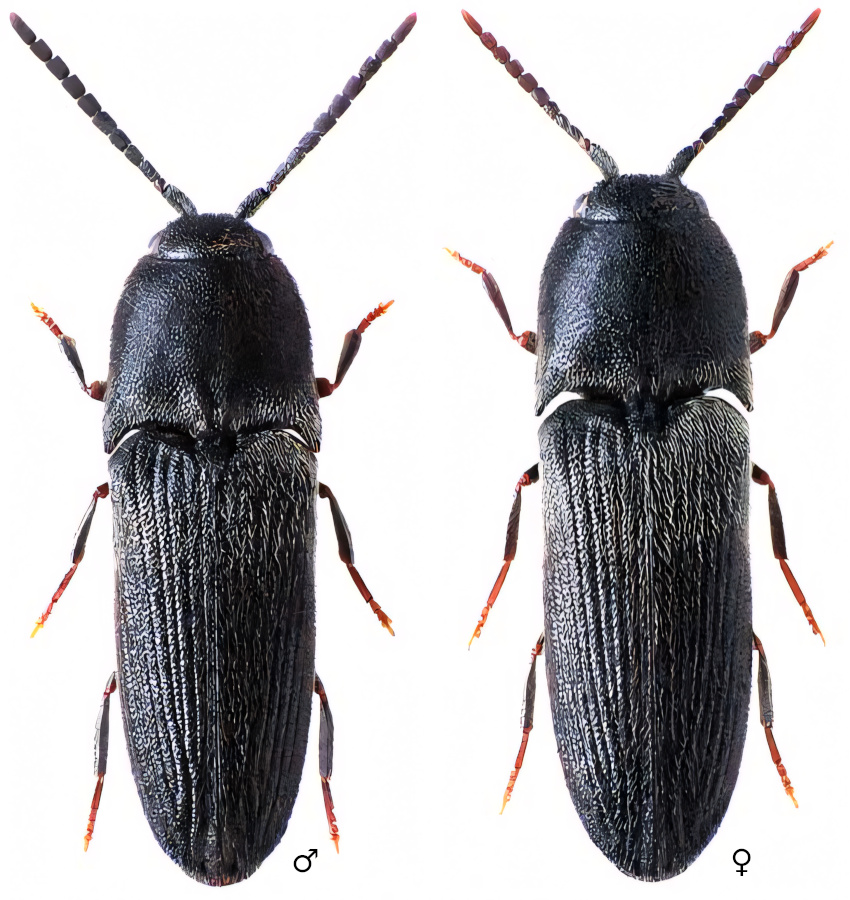
Nematodini (Leiler, 1976) |
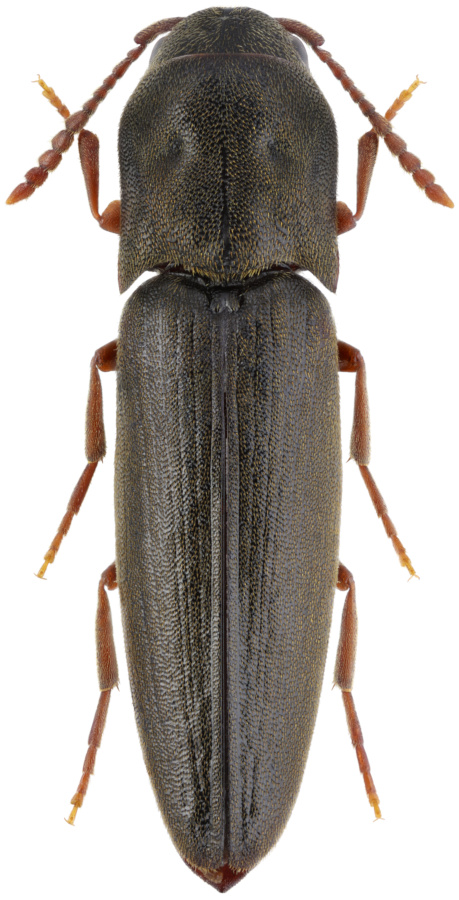
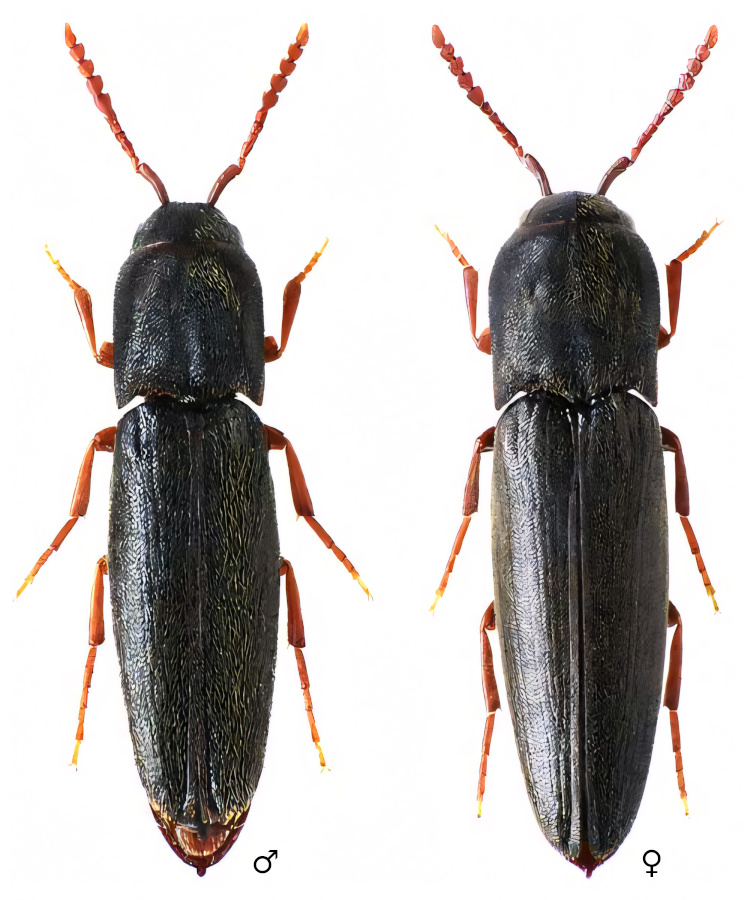
Melasinae (Fleming, 1821) |
Calyptocerini (Muona, 1993) |
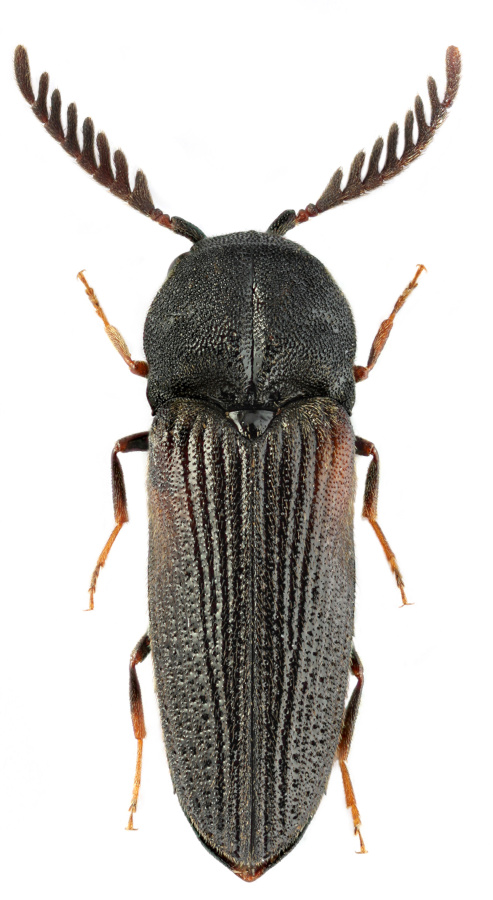
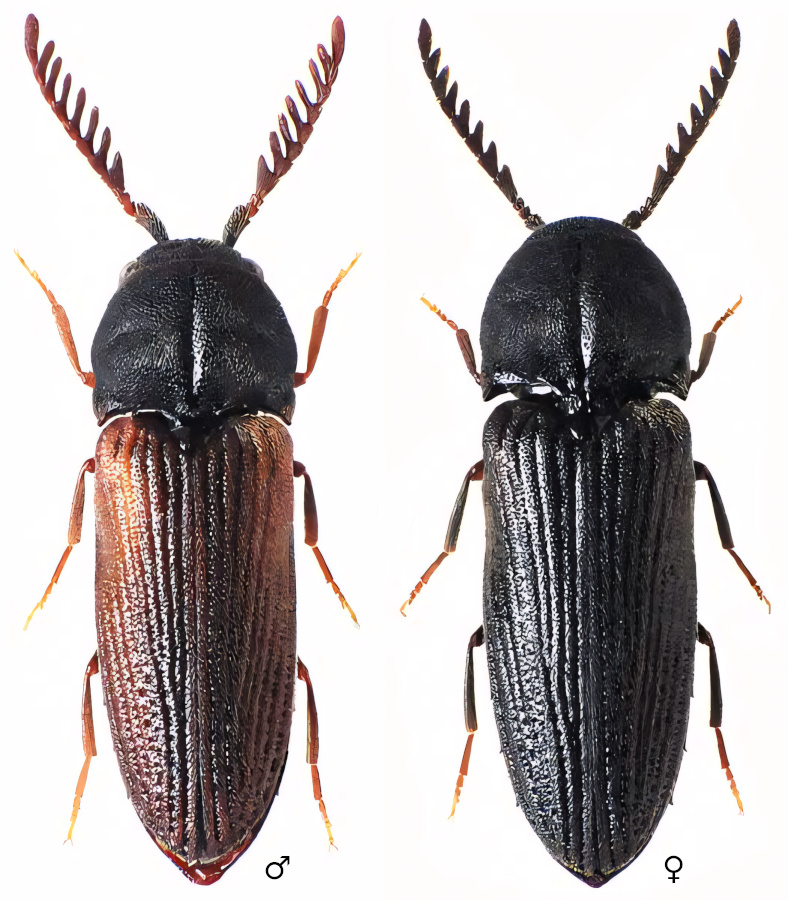
Dirhagini (Reitter, 1911) |
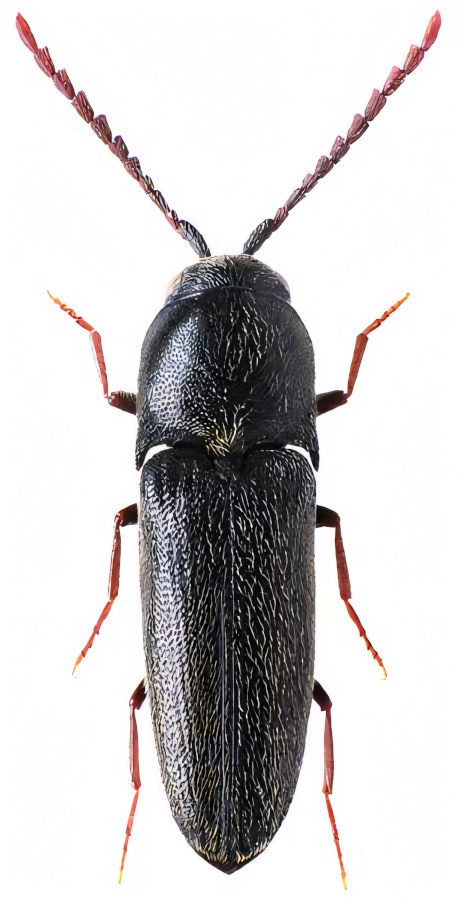
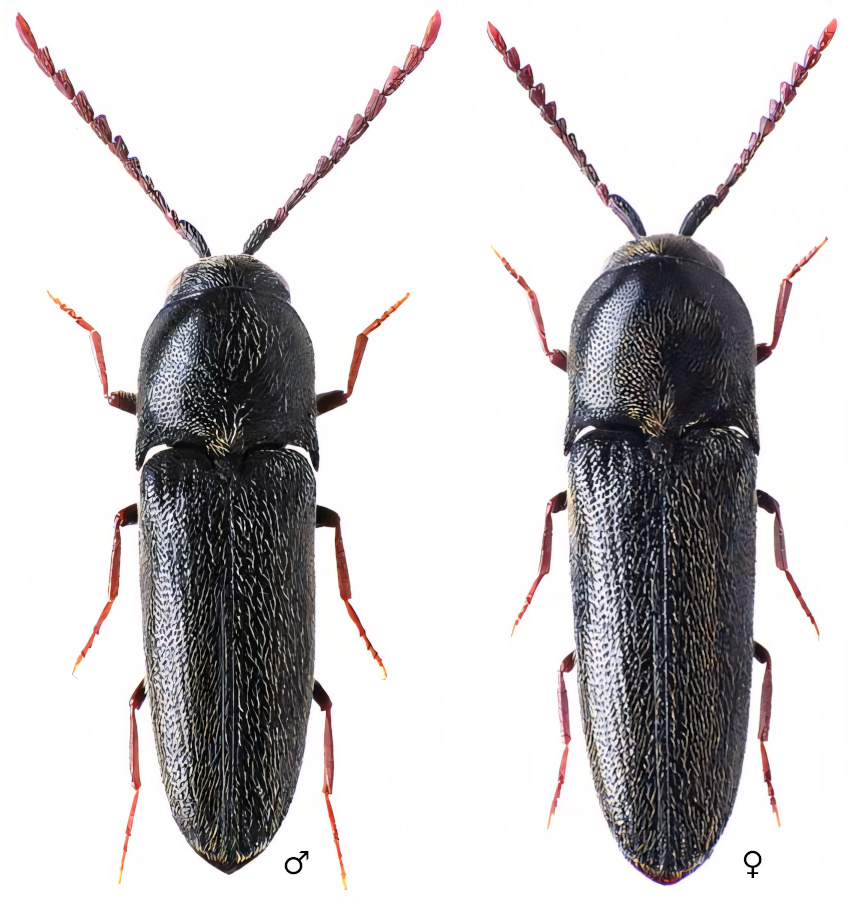
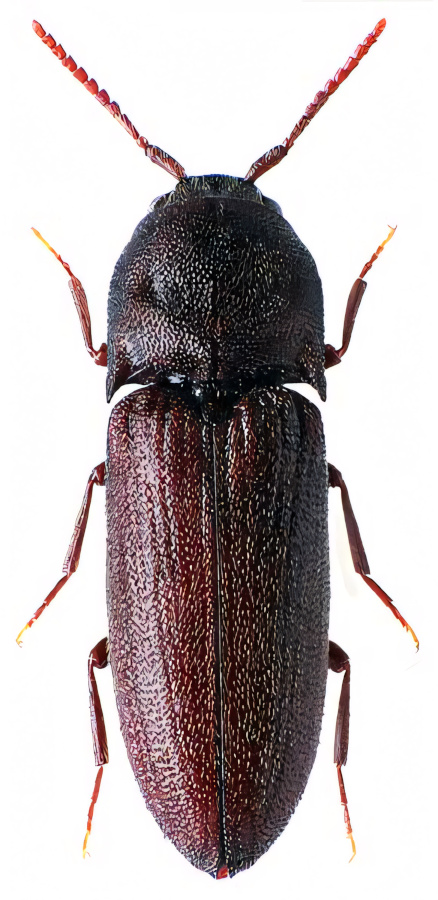
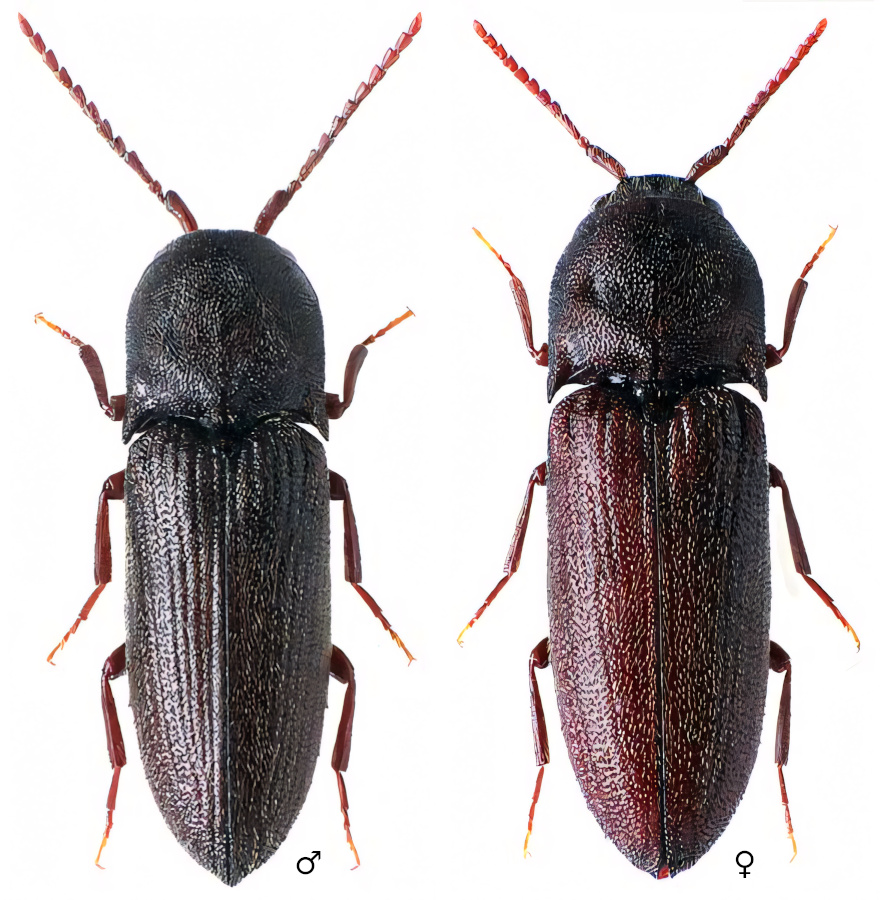
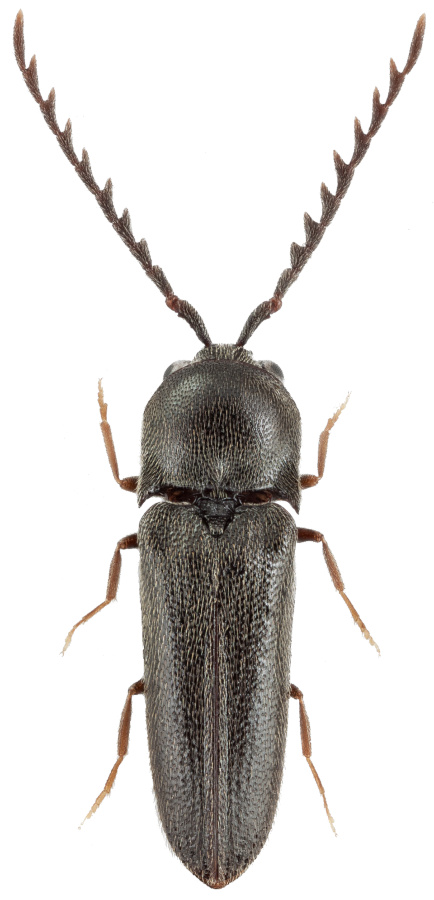

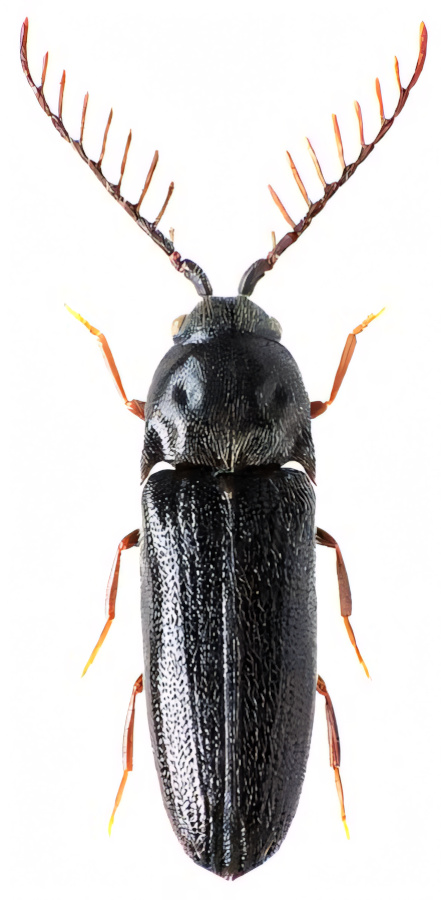
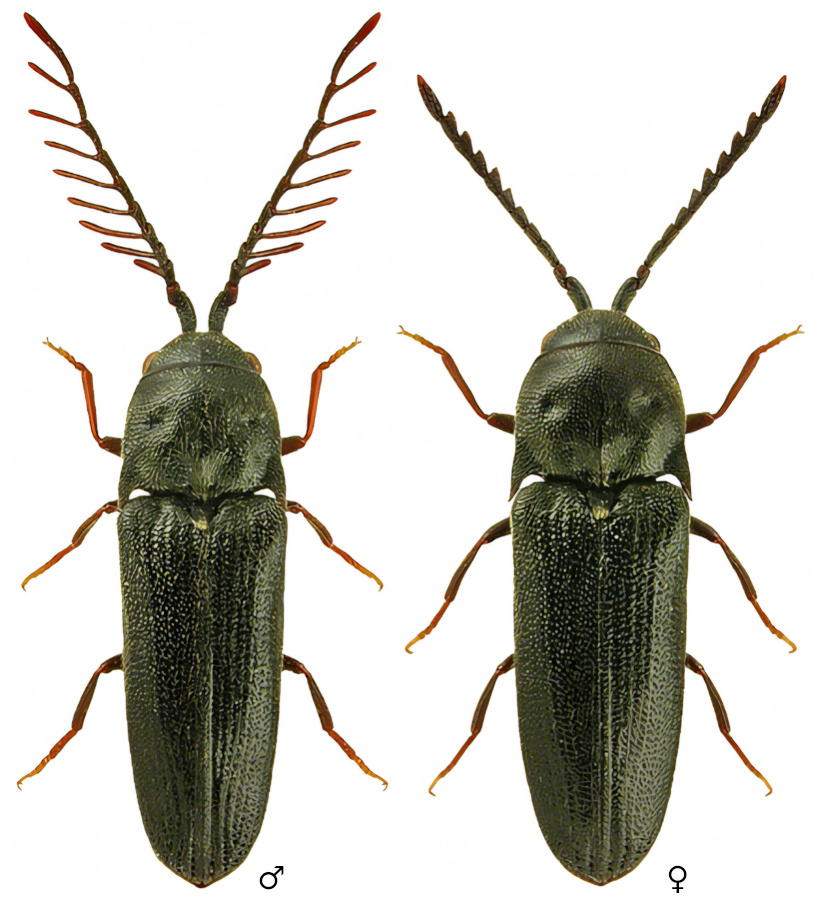
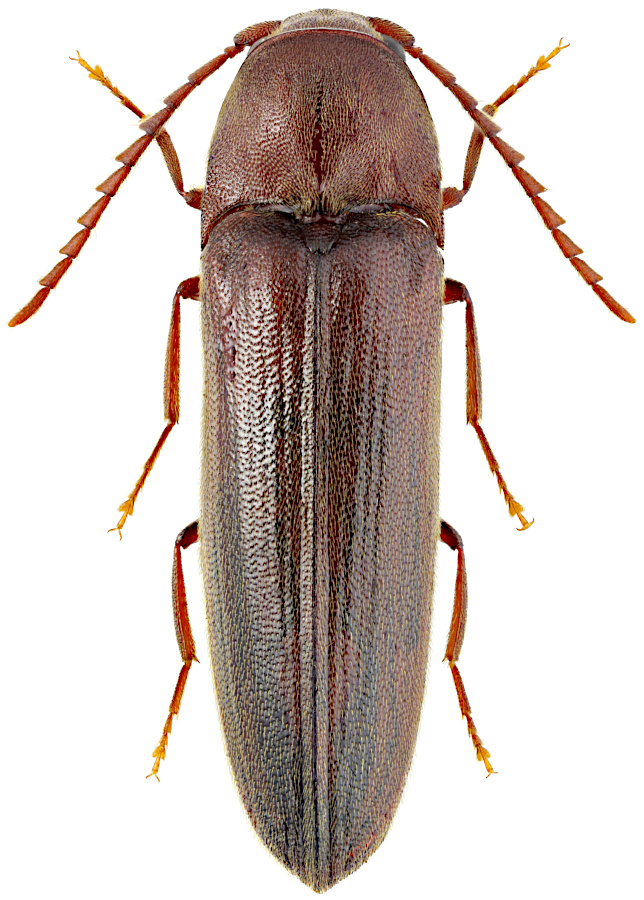
Epiphanini (Muona, 1993) |
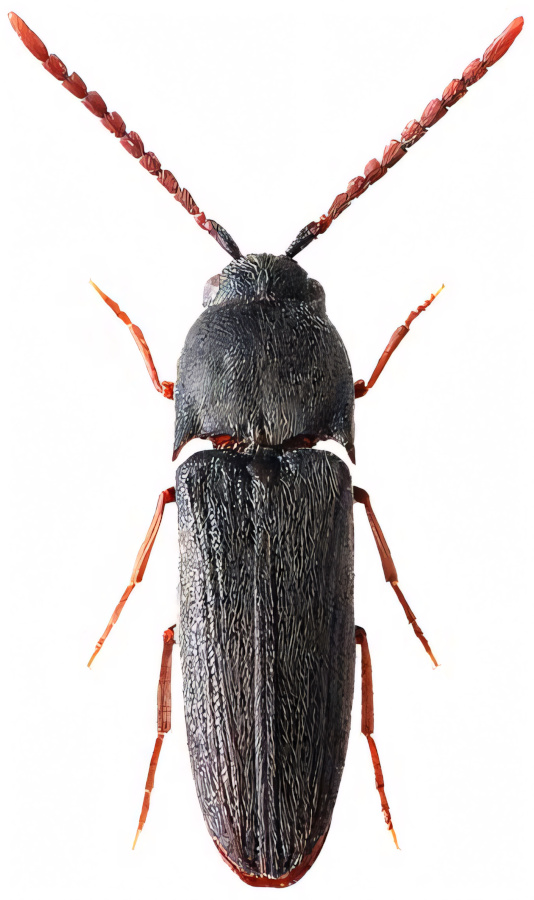
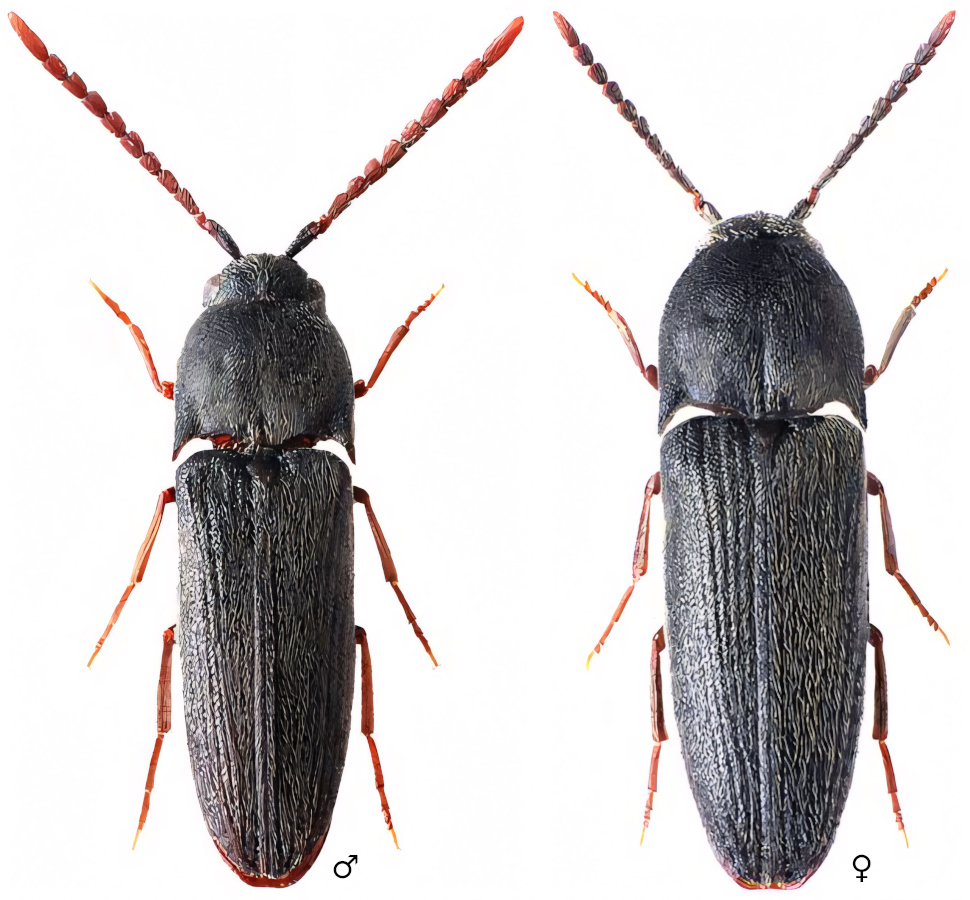
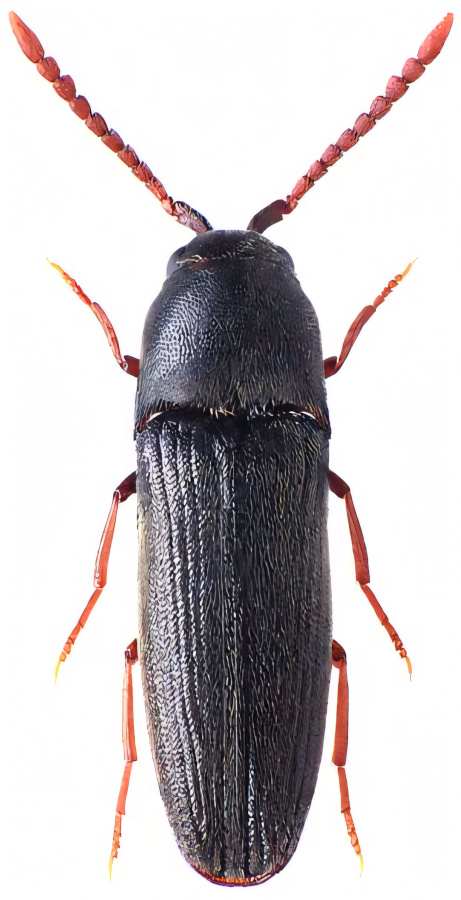
Melasini (Fleming, 1821) |
| Melasina (Fleming, 1821) |
Xylobiini (Reitter, 1911) |