The Family Atlas |
| Processing Status: | ||
| 5 / 5 | 100% | |
| Size of Species: 2.5 - 4.4 mm |
| Tarsal Formula: 5-5-5 |
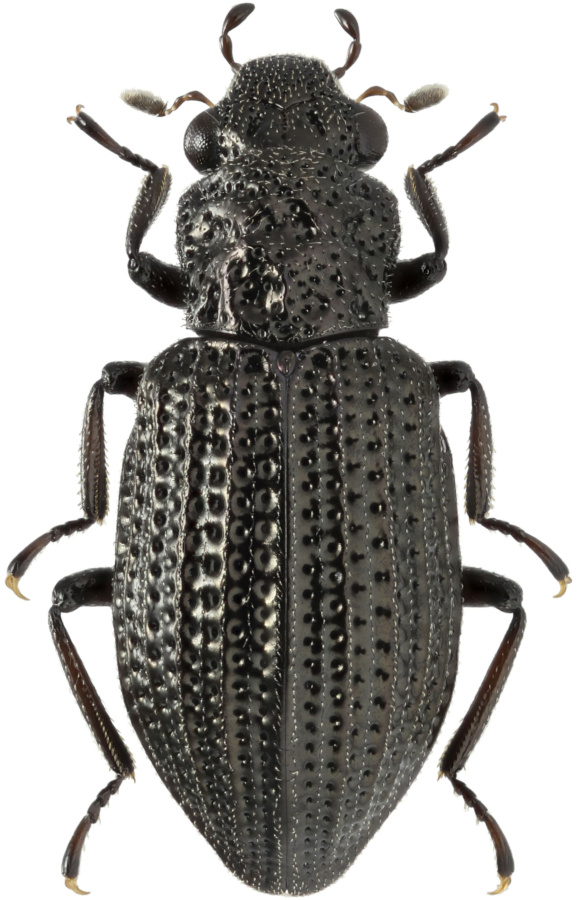
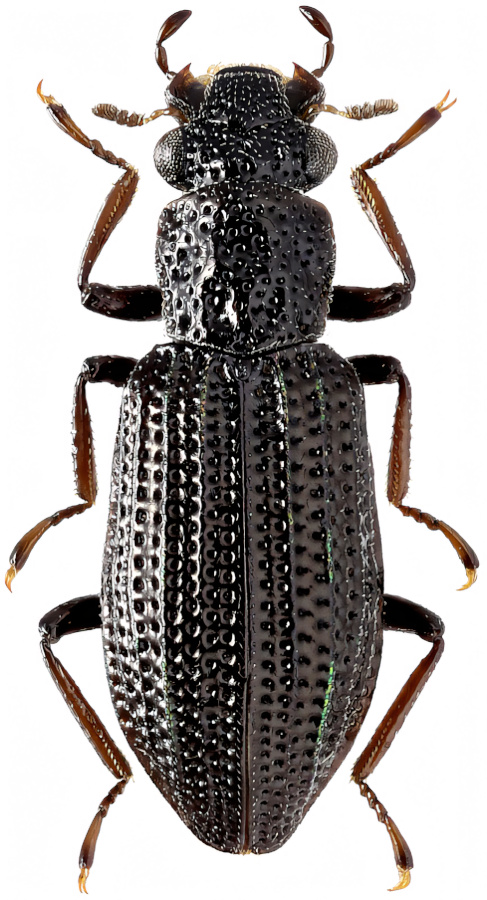
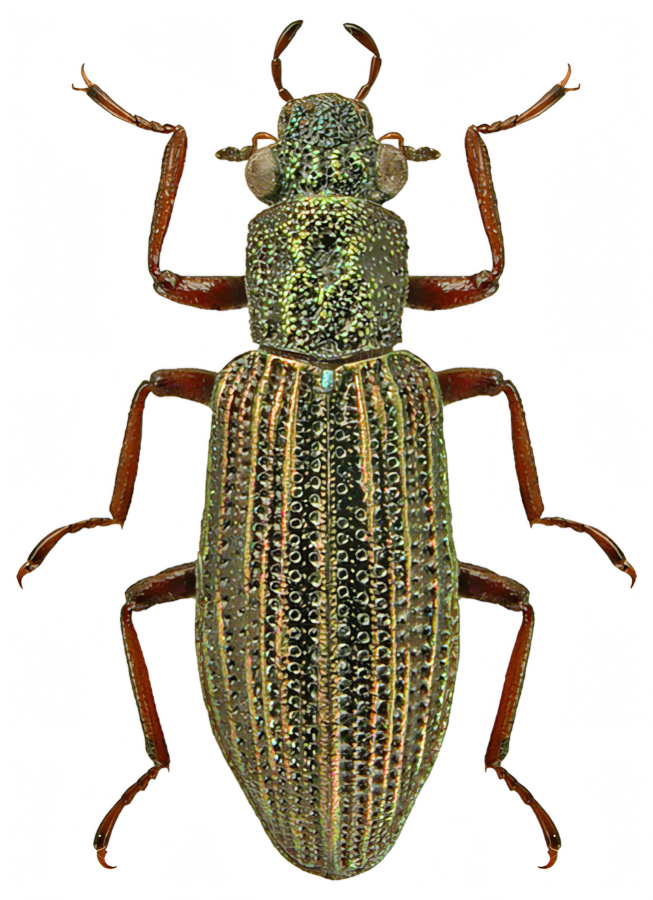
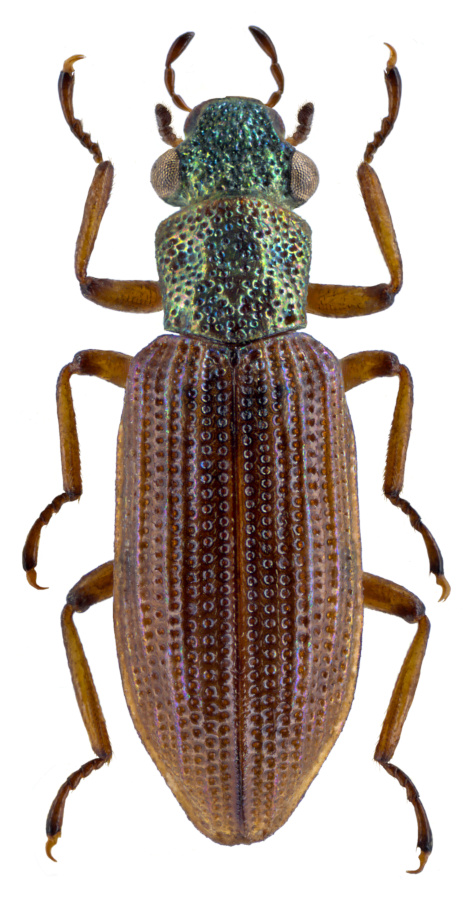
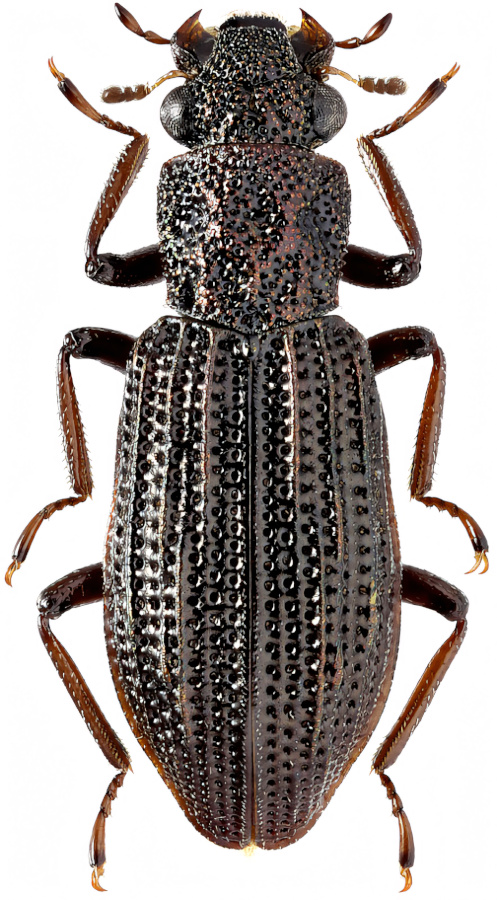
The family Hydrochidae represents a small but evolutionarily very ancient group of aquatic beetles. It comprises a single extant genus, Hydrochus, within which approximately 180 species are currently described, distributed throughout the world. These inconspicuous beetles, reaching a maximum length of just a few millimetres, are characterised by an elongated, heavily structured body with strikingly protruding hemispherical eyes and a rough, often metallic-looking surface. The beetles primarily inhabit still or slow-flowing waters with dense vegetation, a muddy or sandy bottom and an abundance of organic debris. Although they are dependent on aquatic environments, they are poor swimmers. Rather than actively paddling, adults prefer to move slowly by crawling over submerged plants and detritus, whilst the larvae live in the benthos. Adults breathe via an air bubble attached to the underside of their body, whilst the larvae are adapted to life on the bottom. For a long time, Hydrochidae were considered merely a subfamily of the family Hydrophilidae, but modern morphological and molecular studies have confirmed their separate status. Fossil finds indicate that the evolutionary lineage of this family already existed in the Mesozoic era.
Number of Species:
| World | 180 | |
| Palaearctic Region | 28 |
| Europe | 19 | |
| Central Europe | 8 |
 |
Family Card |
HYDROCHIDAE (Thomson, 1859) |