The Family Atlas |
| Processing Status: | ||
| 3 / 3 | 100% | |
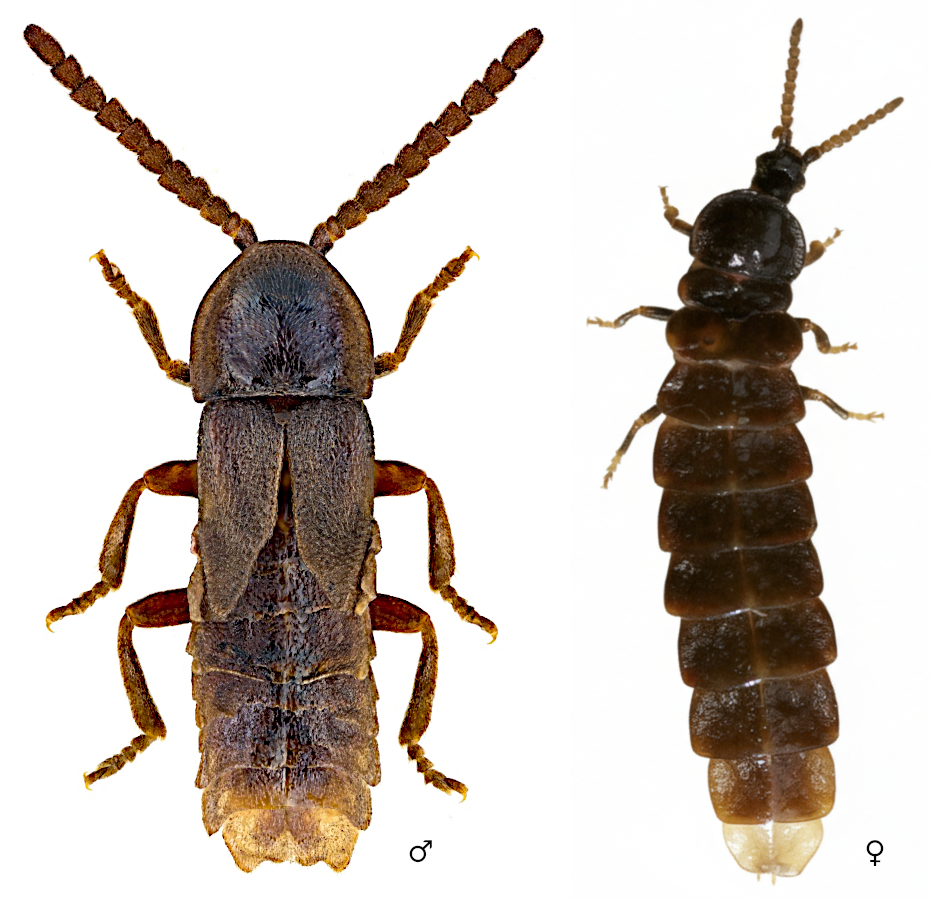
| Size of Species: 6 - 12 mm (♂), 10 - 23 mm (♀) |
| Tarsal Formula: 5-5-5 |
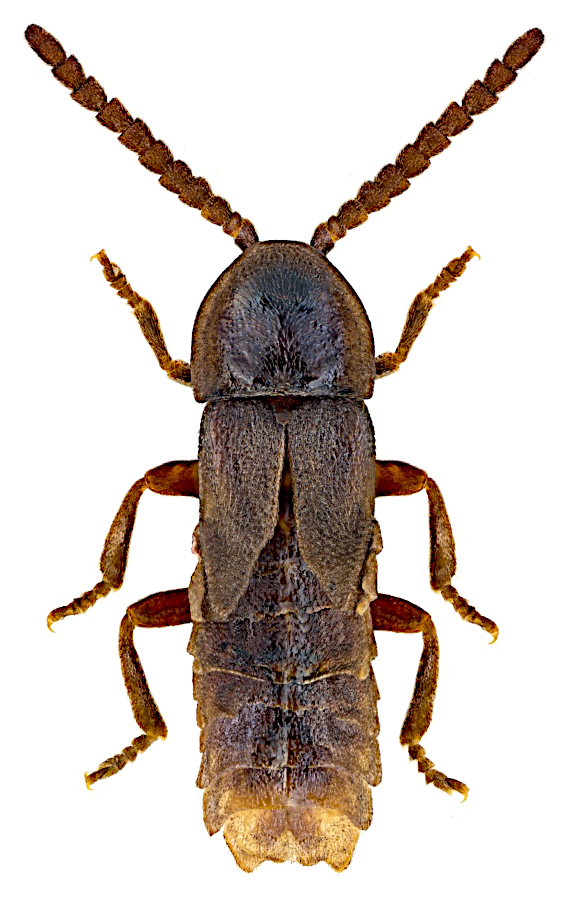
The family Lampyridae, known as fireflies, comprises a group of soft-bodied beetles renowned for their ability to produce active bioluminescence. This ability, based on the enzymatic oxidation of luciferin with the involvement of luciferase, serves primarily for communication during courtship, and in some species also for defence or to attract prey. Light is produced by the larvae, pupae and, in many species, the adults. Fireflies are a cosmopolitan family, with the greatest species diversity found in the tropics and subtropics. In temperate zones, including the Czech Republic, they are less numerous but ecologically and culturally significant. A typical feature of the family is marked sexual dimorphism, with males usually winged and resembling common beetles, whilst the females of many species are wingless, with a body shape similar to that of the larvae. Whilst males are usually winged and fly actively, females are often larval-like, wingless, and attract mates with their glow. The larvae are predatory, living mainly in the soil or leaf litter and hunting soft-bodied invertebrates. Adults often do not feed or feed only on nectar and pollen. Fireflies inhabit mainly damp habitats – meadows, forest edges, scrubland and wetlands in both temperate and tropical zones. They are characterised by great morphological diversity – differing in the shape of their antennae, photoreceptors and the degree of neoteny (larval-like features in adults).
Number of Species:
| World | 2 400 | |
| Palaearctic Region | 180 |
| Europe | 65 | |
| Central Europe | 5 |
 |
Family Card |
LAMPYRIDAE (Rafinesque, 1815) |
Lamprohizinae (Kazantsev, 2010) |
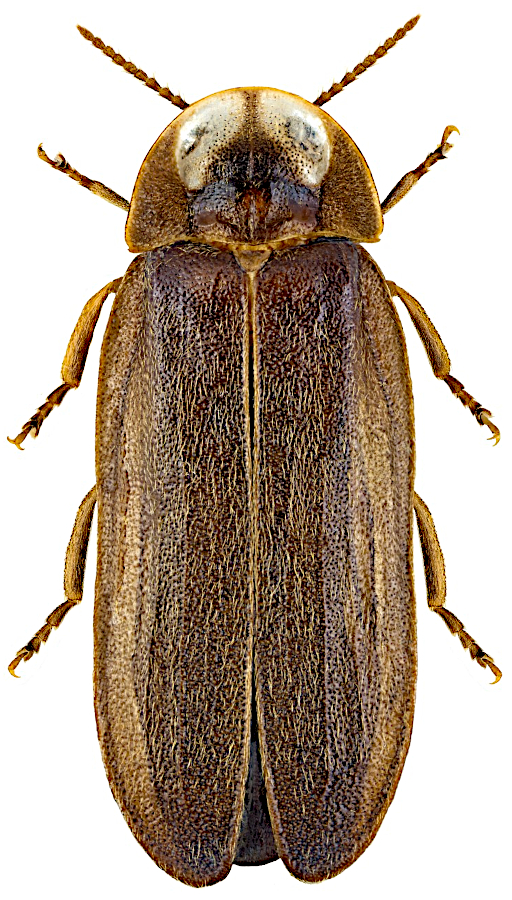




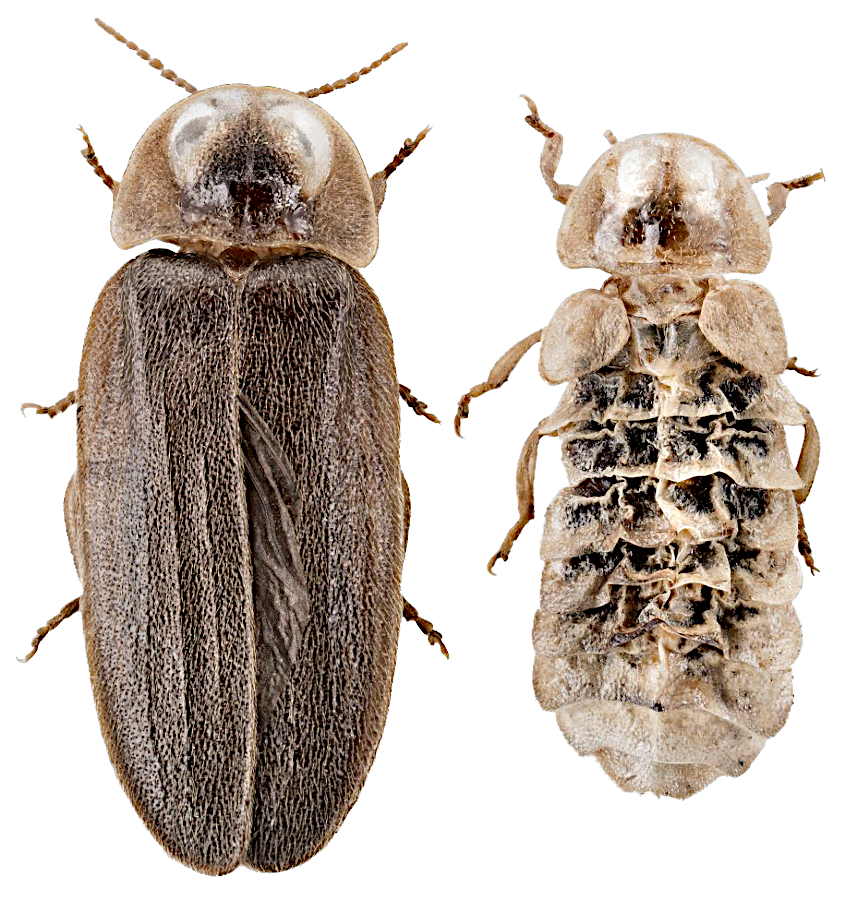


Lampyrinae (Rafinesque, 1815) |
Lampyrini (Rafinesque, 1815) |
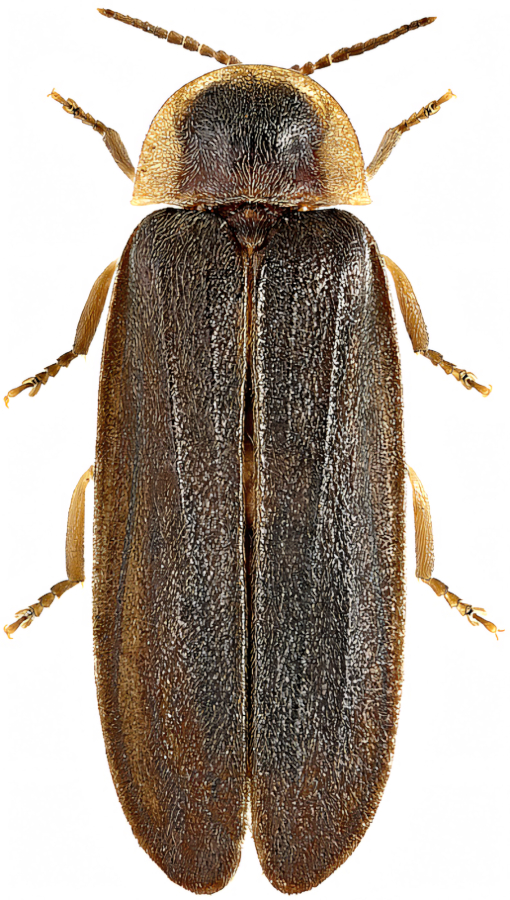
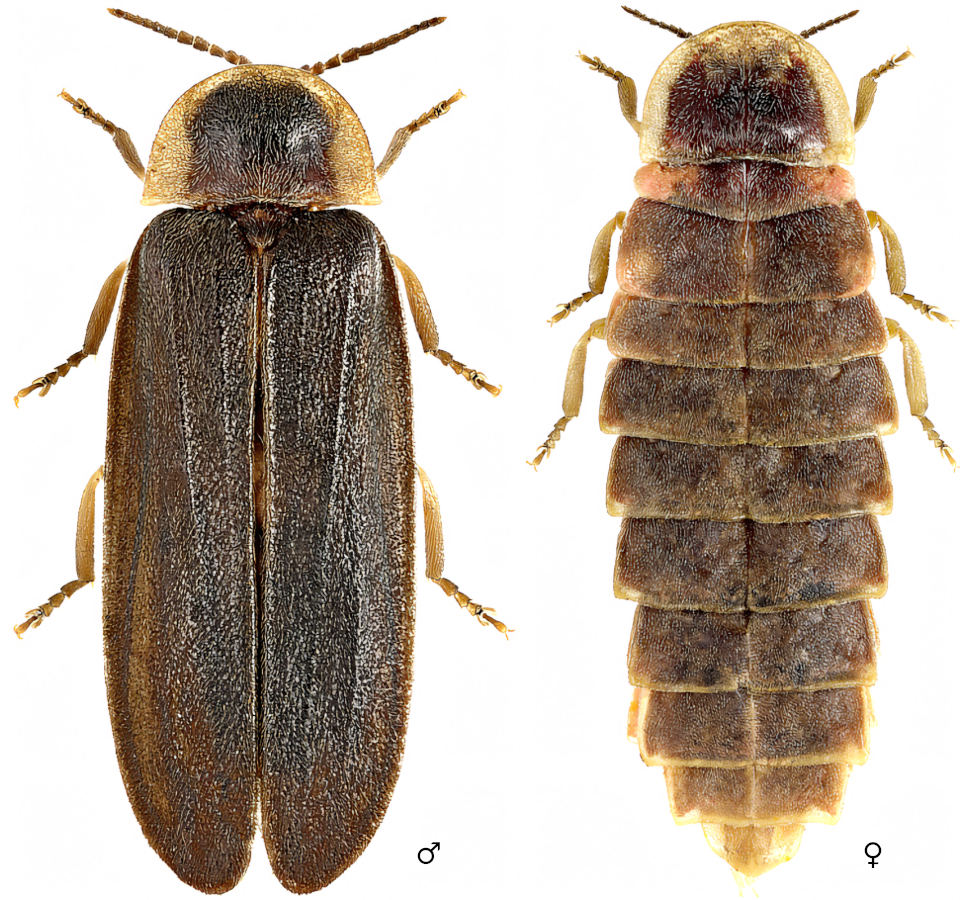
Lucidotini (Lacordaire, 1857) |
| Photinina (J.L. LeConte, 1881) |