The Family Atlas |
| Processing Status: | ||
| 7 / 7 | 100% | |
| Size of Species: 5 - 75 mm |
| Tarsal Formula: 5-5-5 |
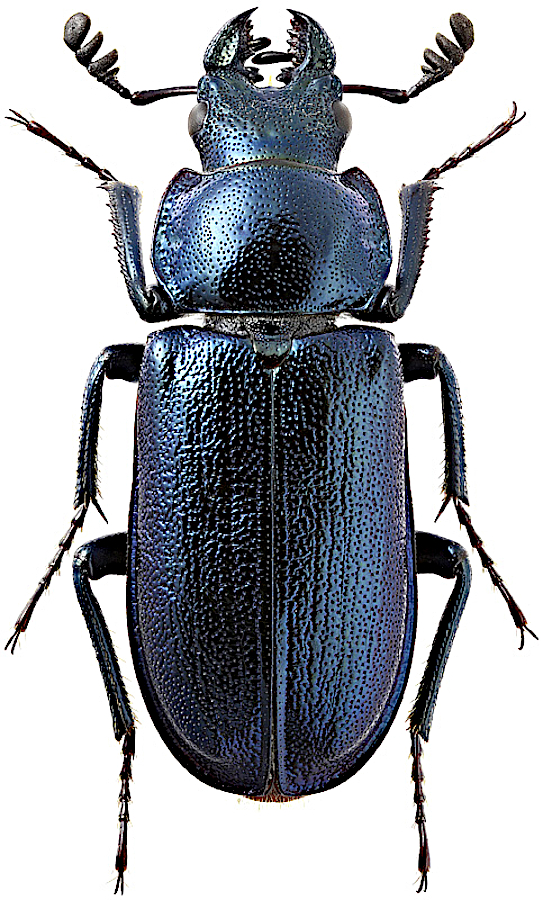
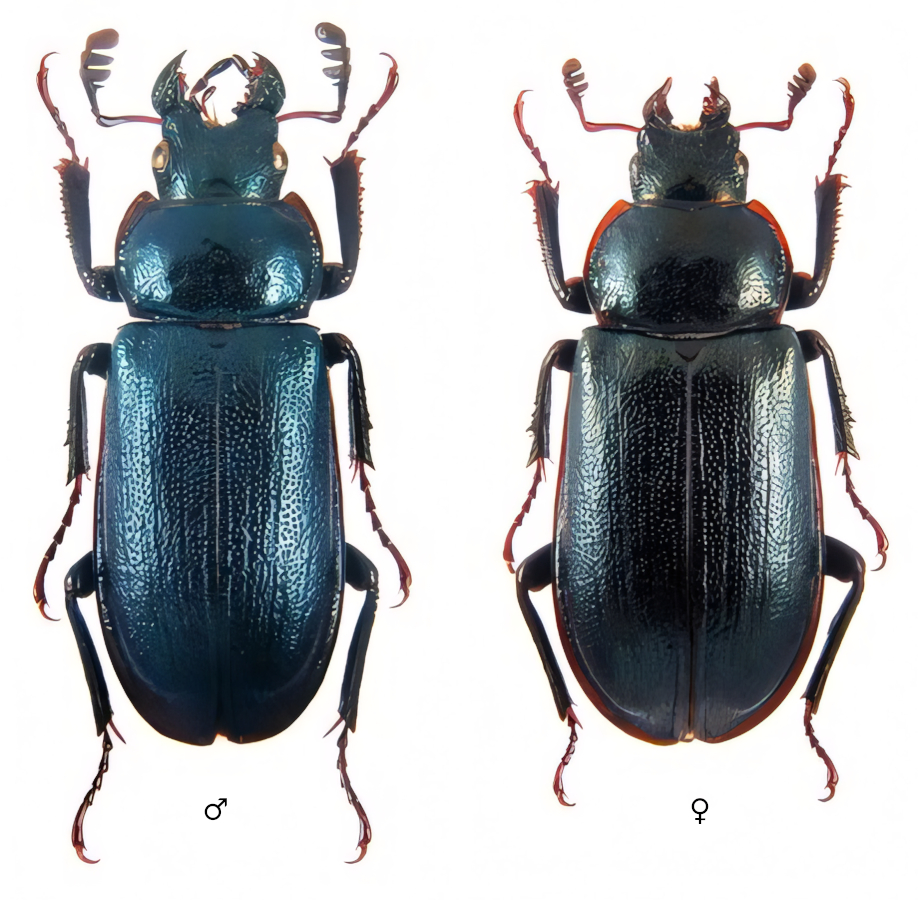
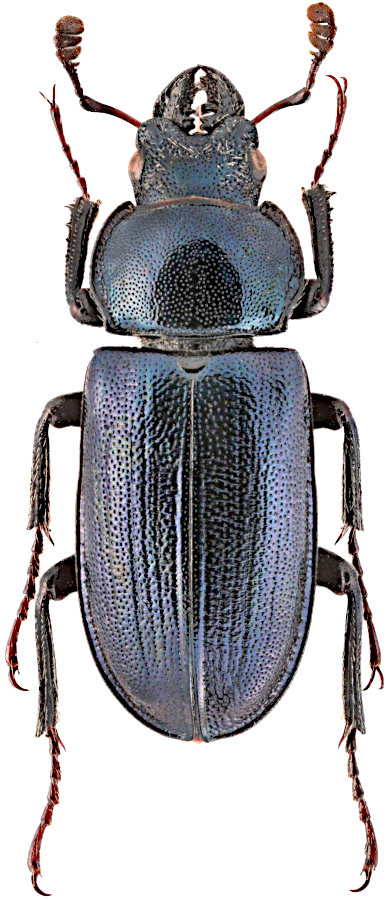
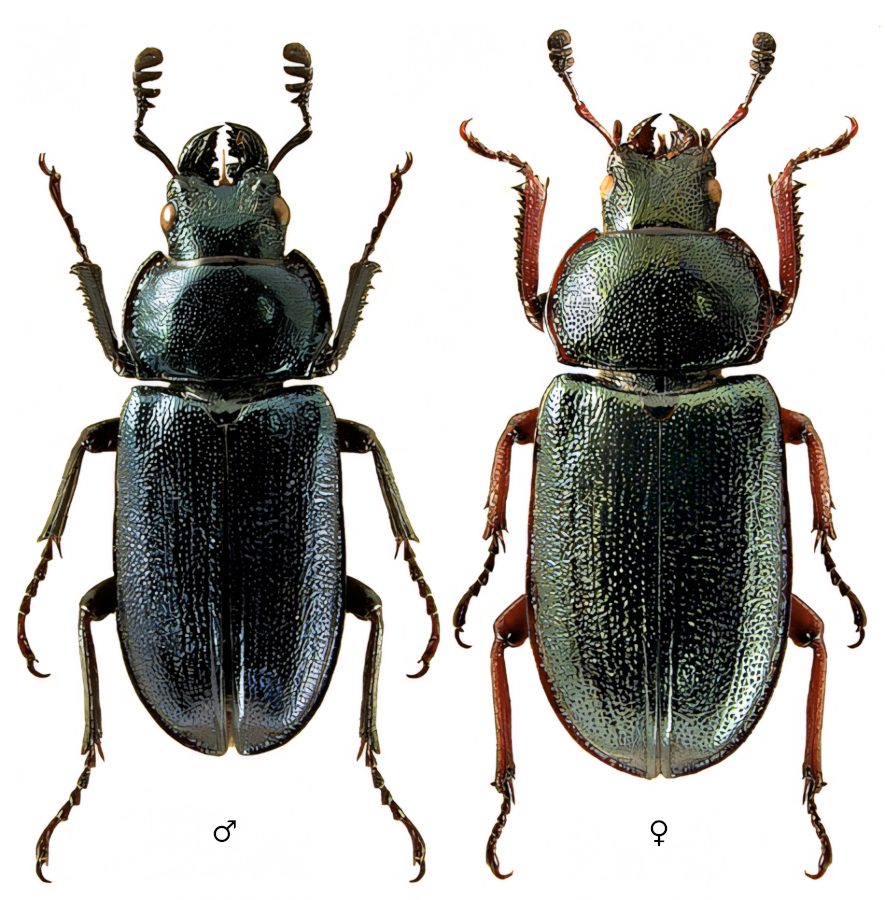
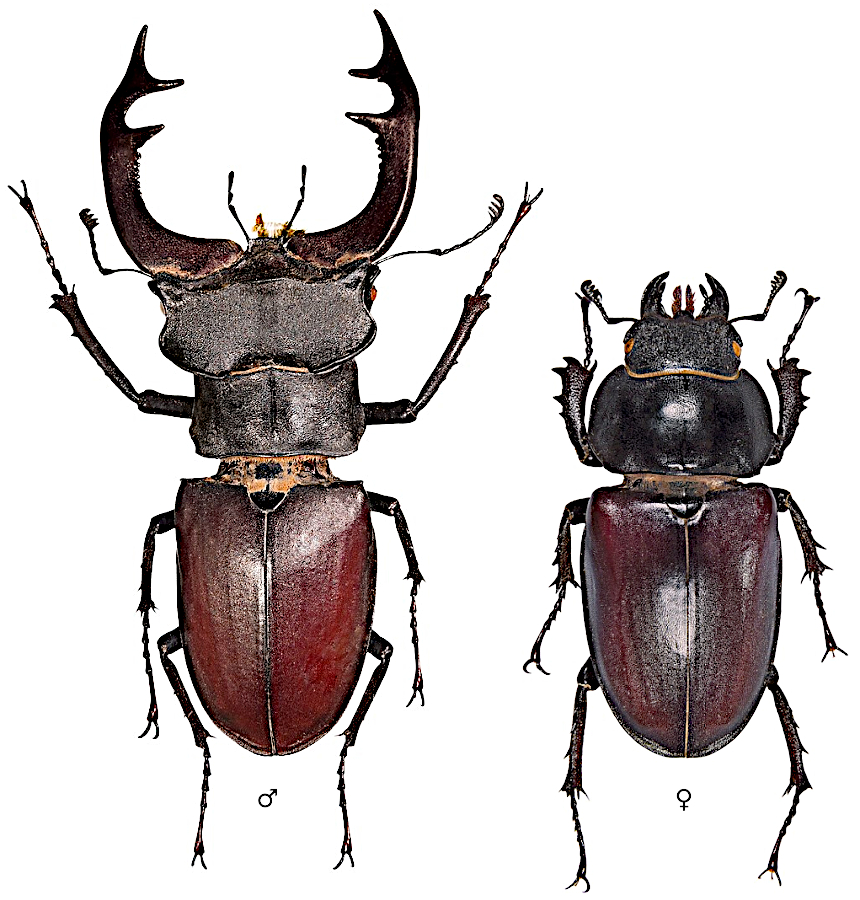
The family Lucanidae is one of the most distinctive and well-known groups of beetles. A typical feature of many species is the strikingly enlarged mandibles of the males, resembling a stag’s antlers, from which they derive their Czech and English names (‘roháči’, ‘stag beetles’). They are predominantly saproxylic beetles, whose life cycle is closely linked to the decaying wood of old trees. The larvae develop over several years within decaying trunks, stumps or root systems of both deciduous and coniferous trees. Stag beetles play an irreplaceable role in forest ecosystems as primary decomposers of hardwood and are key bioindicators of the health of old deciduous stands and primeval forest habitats. Adult beetles feed on nectar and tree sap, whilst the larvae are xylophagous – they develop within the decaying wood of various trees, where they slowly consume it. The family is considered one of the oldest groups within the superfamily Scarabaeoidea, a fact also confirmed by fossil remains from the Cretaceous period.
Number of Species:
| World | 1 843 | |
| Palaearctic Region | 380 |
| Europe | 26 | |
| Central Europe | 7 |
 |
Family Card |
LUCANIDAE (Latreille, 1804) |
Aesalinae (W.S. Macleay, 1819) |
Aesalini (W.S. Macleay, 1819) |
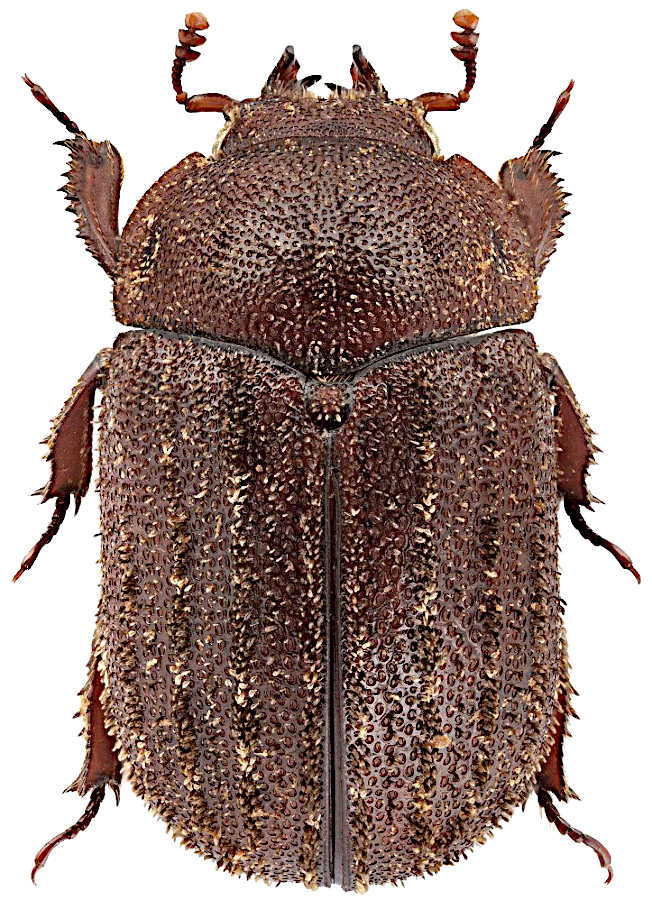




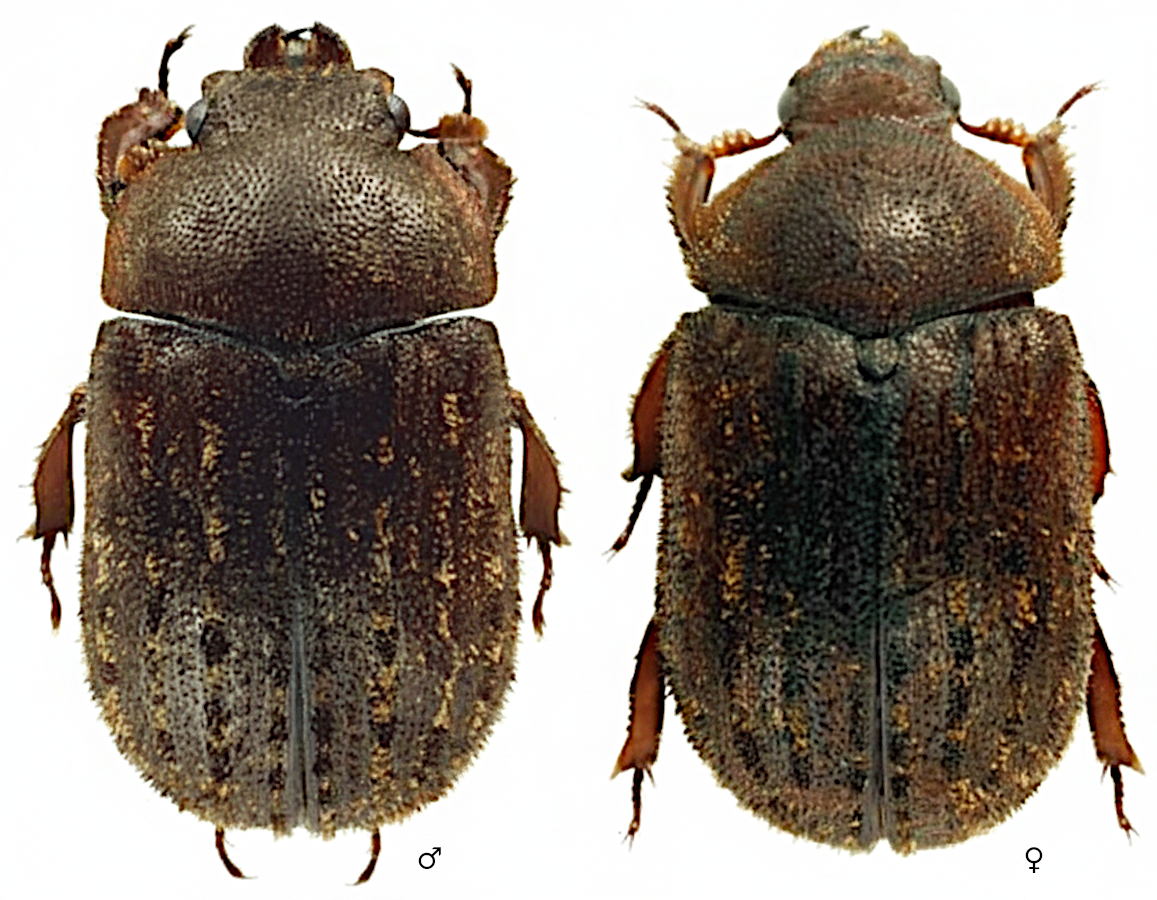

Syndesinae (W.S. Macleay, 1819) |
Ceruchini (Jacquelin du Val, 1859) |
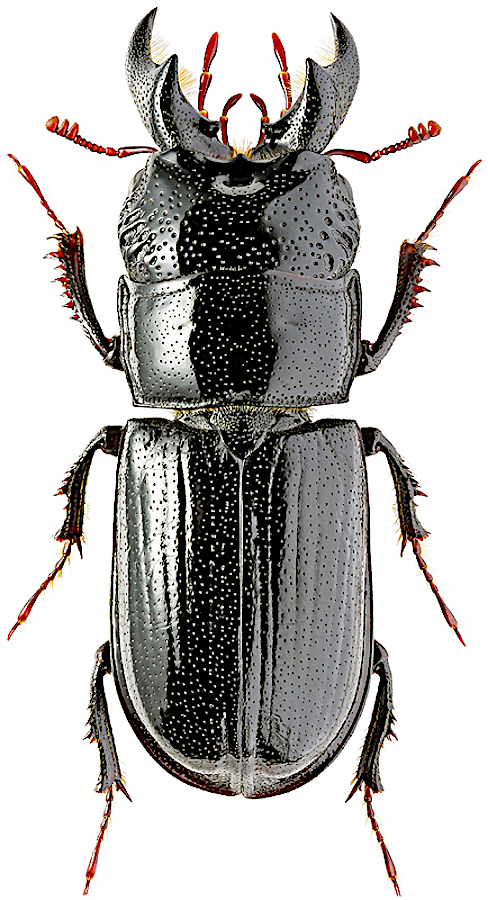
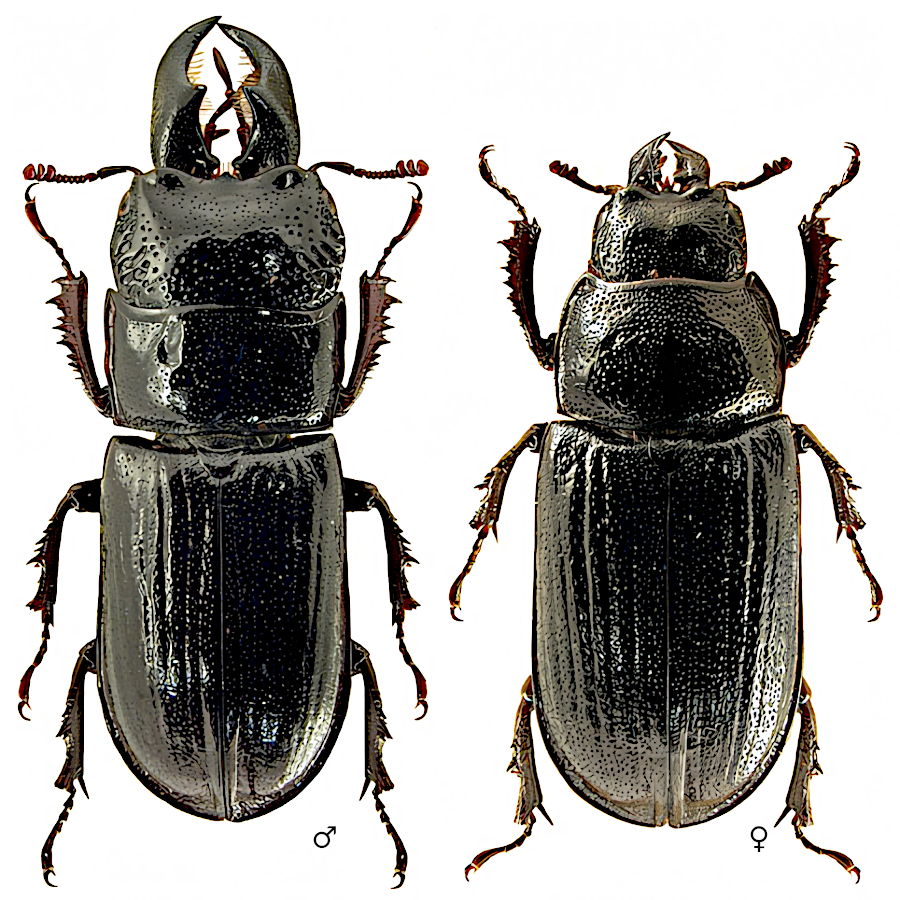
Sinodendrini (Mulsant, 1842) |
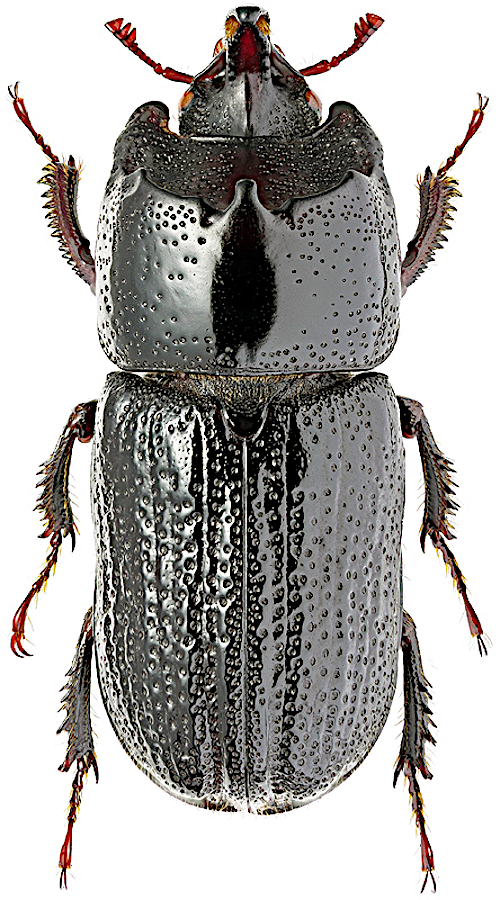
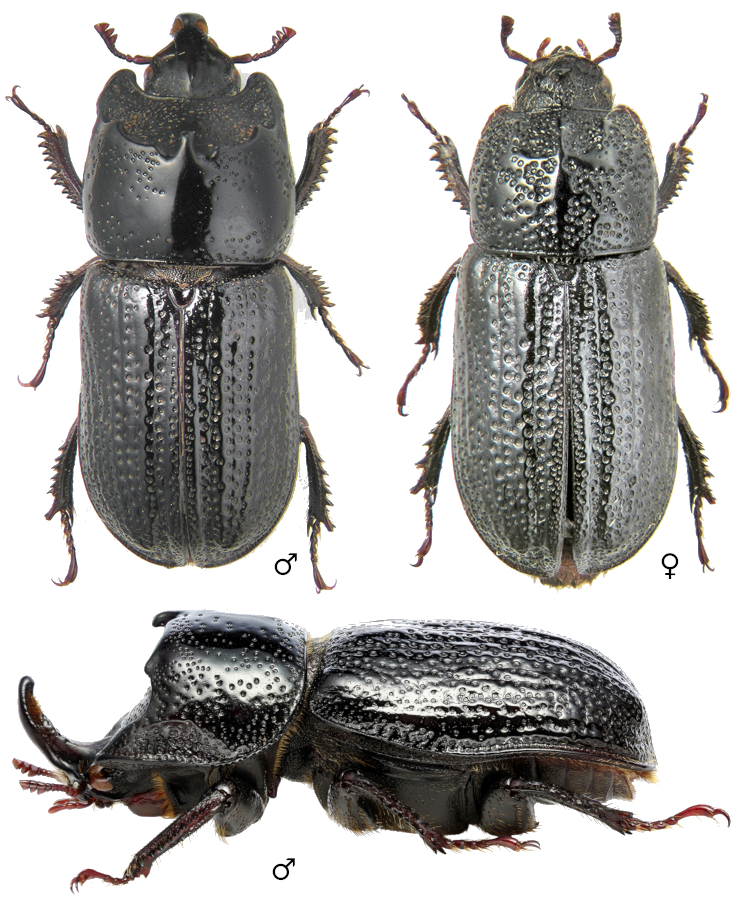
Lucaninae (Latreille, 1804) |
Dorcini (Parry, 1864) |
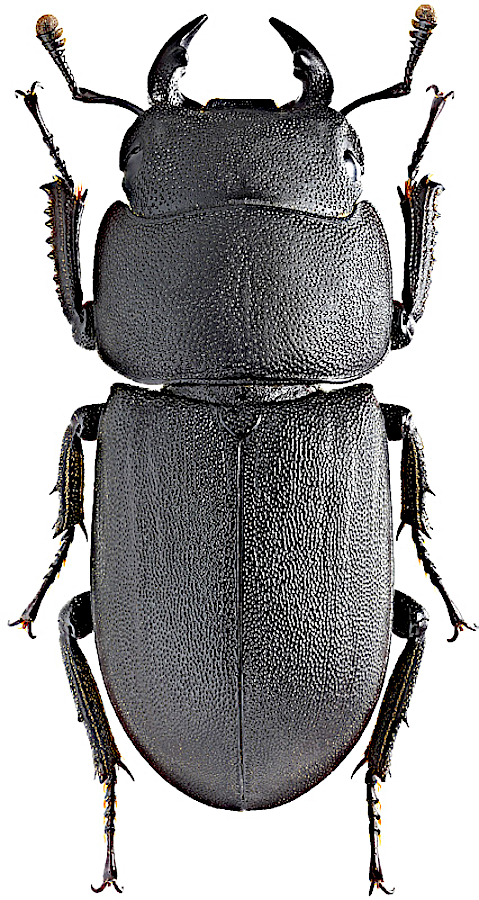
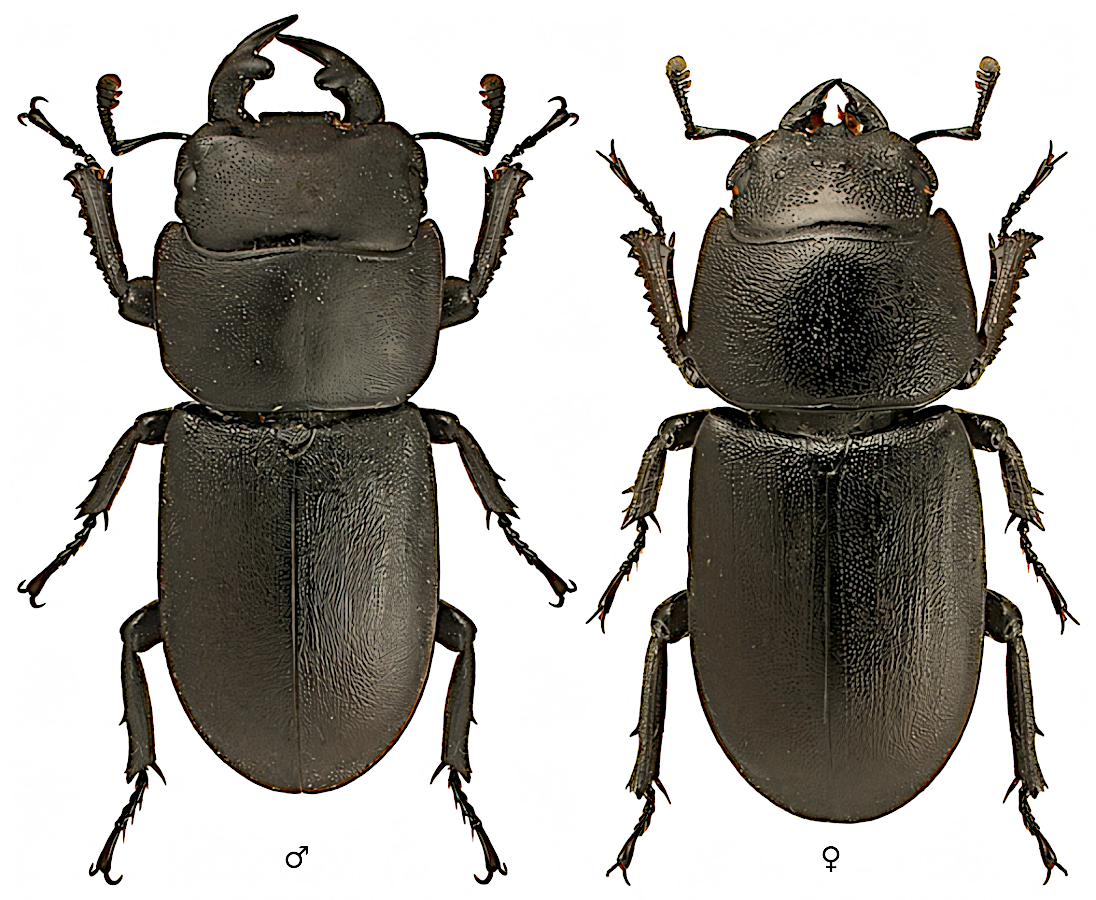
Lucanini (Latreille, 1804) |
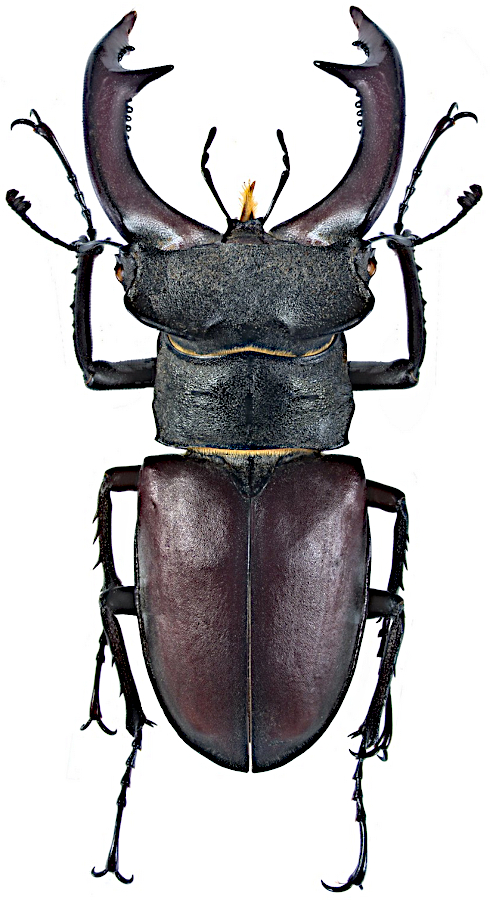
Platycerini (Mulsant, 1842) |