The Family Atlas |
| Processing Status: | ||
| 3 / 3 | 100% | |
| Size of Species: 1.2 - 2.1 mm |
| Tarsal Formula: 5-5-5 (♀), 5-5-4 (♂; except for certain species of Aspidiphorus) |
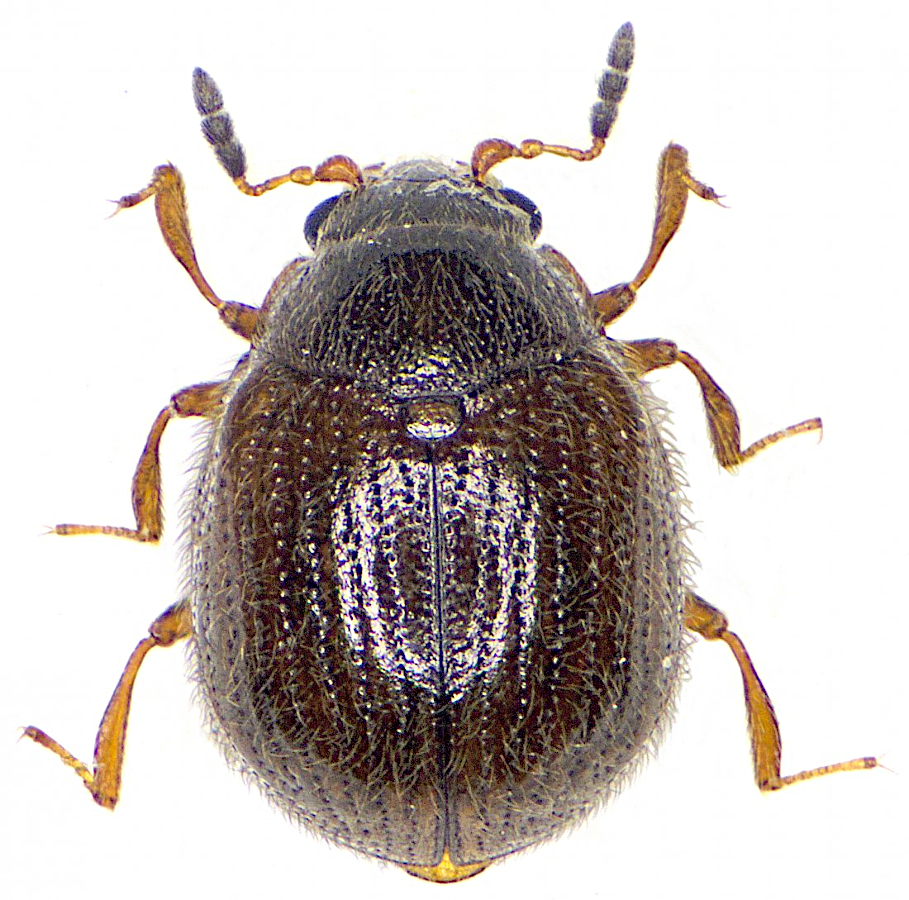
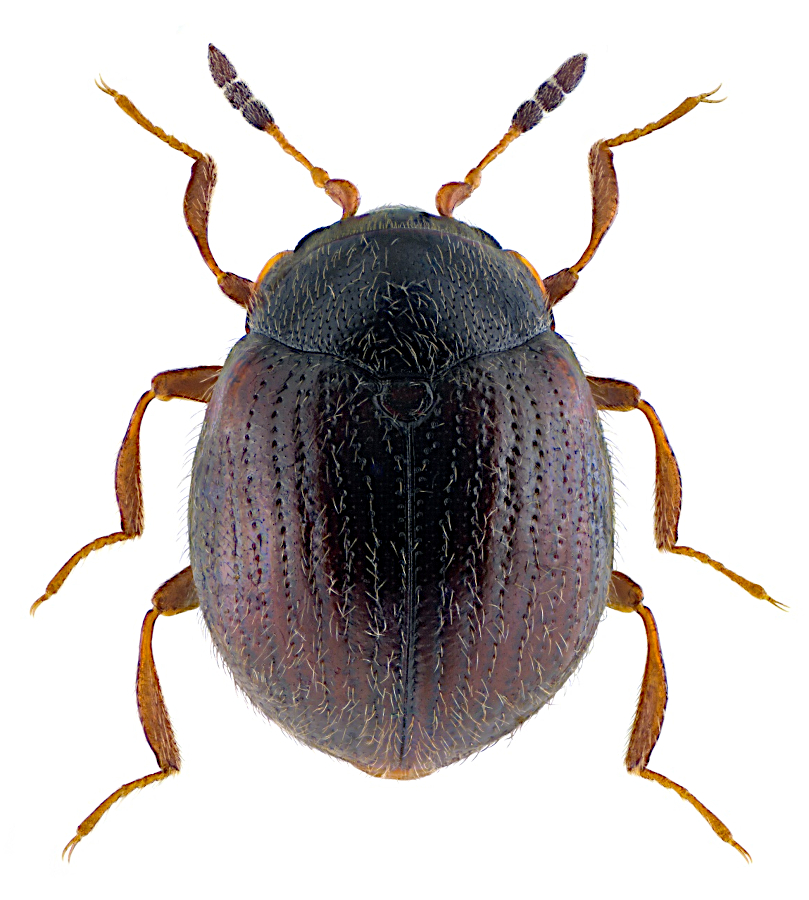
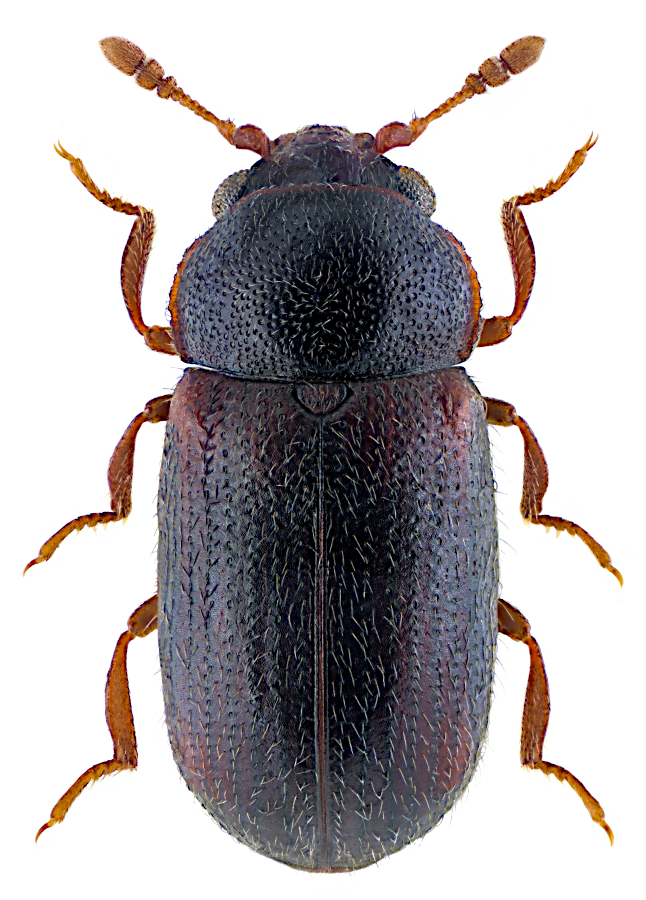
The Sphindidae are tiny, strikingly adapted beetles whose entire life cycle is inextricably linked to slime moulds (Myxomycetes) – a fascinating group of organisms on the borderline between fungi and animals. This small and specialised family comprises approximately 69 species worldwide, divided into 6 subfamilies and 9 extant genera, occurring in all zoogeographical regions of the world. Due to their dietary specialisation, they inhabit primarily damp habitats with an abundance of decomposing organic matter, where their food is naturally found. Both adults and larvae are obligate myxomycophages, meaning they feed exclusively on slime moulds – consuming both the plasmodium and the fruiting bodies and spores. They play an important role in ecosystems as part of decomposition processes and food chains. Due to their cryptic lifestyle, miniature size (1–3 mm) and hidden habitats (decaying wood, litter layer, damp bark), they are among the least studied families of beetles. In the Czech Republic, only three species have been confirmed to date, with records being rare and scattered. The fossil record dates back to the Early Cretaceous (Lebanese amber, approx. 130 million years ago), which demonstrates the evolutionary stability and archaic nature of the family.
Number of Species:
| World | 69 | |
| Palaearctic Region | 17 |
| Europe | 5 | |
| Central Europe | 4 |
 |
Family Card |
SPHINDIDAE (Jacquelin du Val, 1860) |
Sphindinae (Jacquelin du Val, 1860) |