
Coleoptera > Adephaga > Hydradephaga > Dytiscoidea > Hygrobiidae
- LAT: Paelobiidae (Erichson, 1837)
- LAT: Pelobiidae
(variant form, used in some older sources, resulting from a misspelling)
- CZ: Plovatcovití
- SK: Plovákovité (Plovatcovité)
- PL: Pluskolec (Mokrzelicowate)
- DE/AT/CH: Feuchtkäfer (Schlammschwimmer)
- CH: Dytique d'Hermann
- HU: Harmatbogarak (Pocsolyaúszó-félék)
- EN: The screech beetles (Squeak beetles)
- RU: Gigrobiidy (Gigrobiids)
The name of the family Hygrobiidae is derived from the name of a single genus, Hygrobia. The name of the genus Hygrobia originated in Greek:
- ύγρος (hýgros) = moist, wet
- βίος (bíos) = life
The name therefore literally means "living in moisture" or "wet-loving life", a direct reference to the aquatic (aquatic) habitat of these beetles, which inhabit stagnant waters with rich muddy bottoms.
History
The family Hygrobiidae is a relict family, meaning that it represents a small remaining group after flourishing in the distant past. It is a very small family, comprising only one genus Hygrobia and approximately six living species worldwide.
Historically, these beetles were sometimes either placed in another, formerly used family, Paelobiidae, or were considered closely related or even included within the broader Dytiscidae, with which they form a sister group and share a similar way of life.
The name Hygrobiidae was formalized by Régimbart in 1878 (or 1879), but the name Paelobiidae had previously been used by Erichson, 1837. In modern taxonomy, there is debate about the priority of the name. Although Paelobiidae has an earlier date, the name Hygrobiidae was much more widespread until recently. Evolutionarily, they probably separated from other Hydradephaga around the time of the initial breakup of Pangea.
Morphology
Representatives of the family Hygrobiidae are medium-sized beetles. Globally, body length ranges from approximately 8.0 to 11.0 mm. However, third instar larvae can be longer, up to 18 mm in some species.
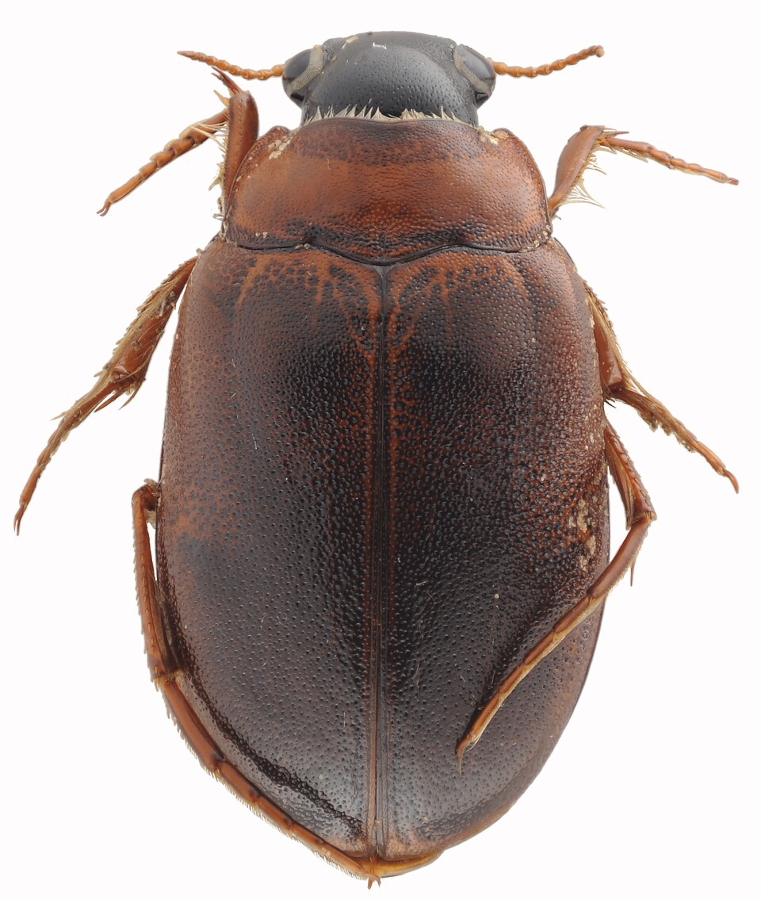
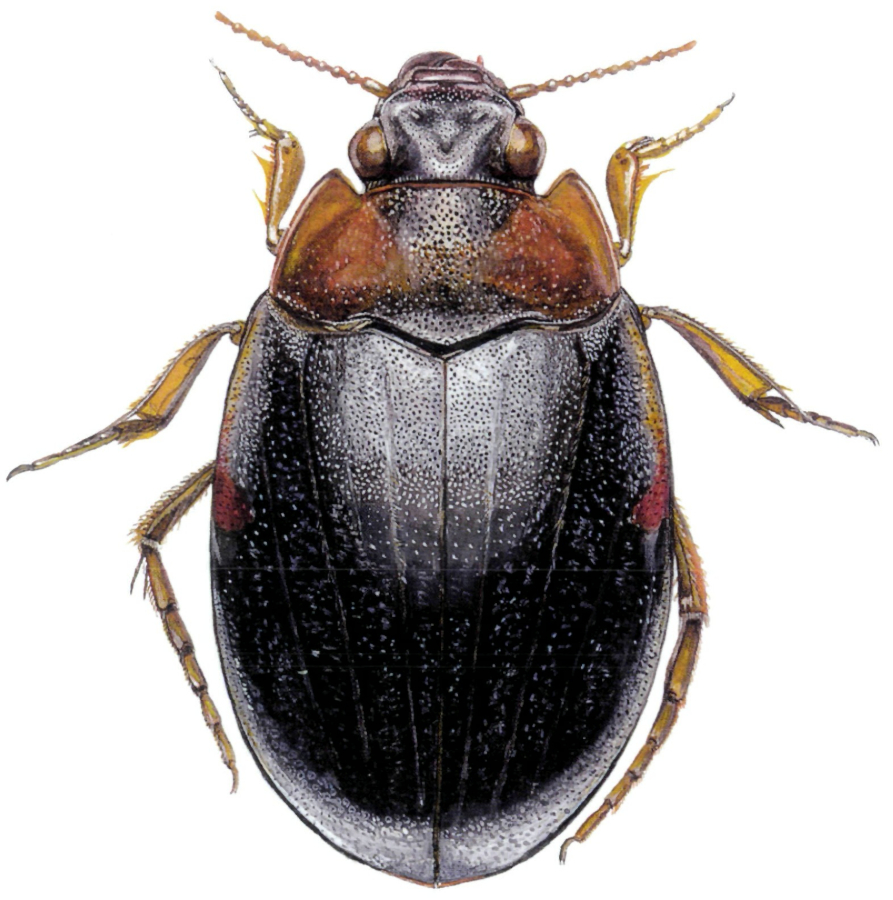
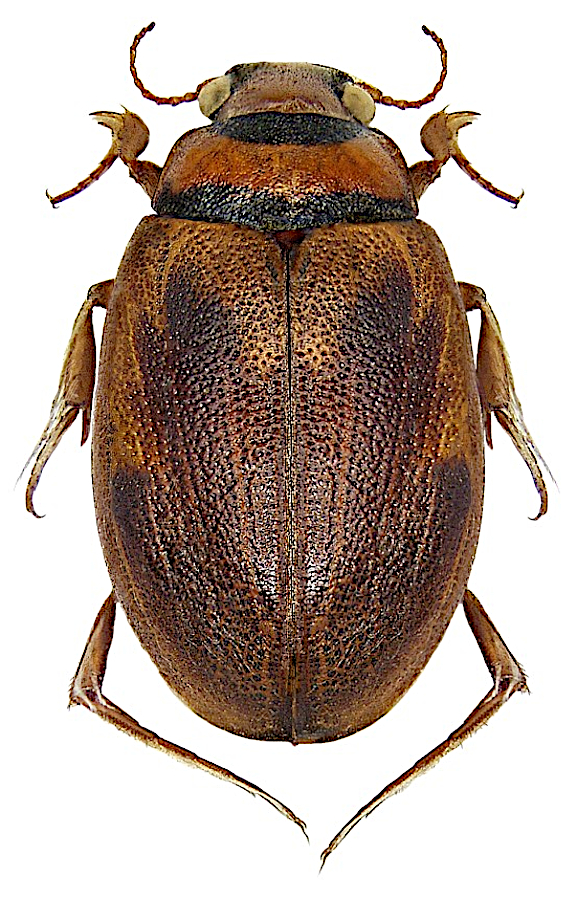
The body is oval, distinctly convex (highly convex) and clearly adapted to life in mud at the bottom of standing waters. The dorsal side of our single species is brownish-yellow to reddish-brown. In other species, the colouration may be yellow, yellow-black or black. The distinctive feature is the conspicuously protruding (bulging) compound eyes. The elytra have deep rows of spots, and the body (especially on the underside) is covered with short, dense hairs that serve to retain a layer of air for breathing underwater (similar to some Hydrophilidae or Dytiscidae).
The legs are adapted for movement in mud and on the bottom. They are relatively long and slender, but unlike divers, they are not heavily flattened and are equipped with quills for open water swimming. A typical feature is the large, paddle-shaped claws on the feet, which aid in climbing in the mud. All legs move alternately when swimming (not synchronously as in Dytiscidae). The antennae are 11-jointed. It has well-developed blanched hind wings. The distinctive feature is the expanded base of the hind coxae, which partially cover the first sternites of the hindwing, and the strongly toothed edge of the tarsi.
A specialized stridulatory apparatus is present in Hygrobiidae. Both sexes stridulate by rubbing the last posterior article against the margin of the scutes. On contact, they produce an audible "whistling/squeaking" sound. Stridulation is probably used as a defence mechanism.
Bionomy
Representatives of the family Hygrobiidae are strictly aquatic (aquatic) beetles. They live especially in standing waters with rich vegetation cover, such as ponds, pools, marshes and shallow parts of lakes. They are strongly attached to muddy bottoms, where they reside in mud and detritus, and rarely swim in the water column. This attachment is mainly due to their way of life and movement. They do not prefer strong flowing waters and avoid brackish/saline conditions. In the Czech Republic and Europe they are typically found in lowland and upland habitats, in other areas they can also be found in peat bogs (some Australian species have specific peat populations). Our single species (Hygrobia hermanni) is considered critically endangered, inhabiting shallow pools in the alluvium of large lowland rivers.
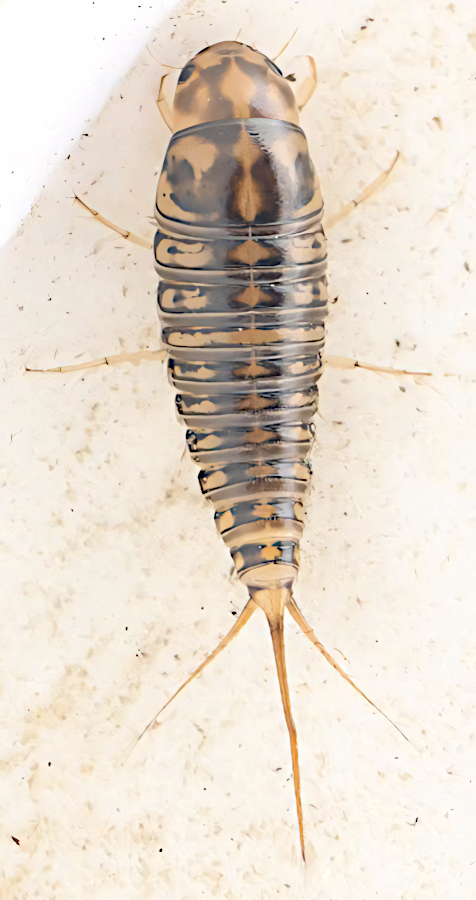
The larvae are similar to those of divers, but have a conspicuously thickened anterior body and 3 long, giant appendages at the end of the rump. Representatives of Hygrobiidae have predatory larvae, while adults feed differently. The larvae are predatory, living in the mud at the bottom of bodies of water and preying on small aquatic invertebrates, especially threadworms (Tubificidae), mosquito larvae (Chironomidae) and other worms. Their body is equipped with thick tentacles with channels through which they inject digestive enzymes into their prey and then suck out the digested fluids.
Unlike larvae, adults feed primarily on detritus (organic decay material) or are herbivorous (herbivores). However, they do not disdain a fleshy diet. They are mainly active at night. Adults replenish their air supply (stored under the scrubs and in the hairs) by raising the tip of their tail above the surface. Larvae breathe through tracheal gills on the underside of the thorax and anterior part of the rump.
Females lay their eggs on aquatic plants and cover them with a rostrum. Larvae pupate out of the water in cells excavated in the mud at the edge of the water body. Imago overwinter in the mud on the bottom.
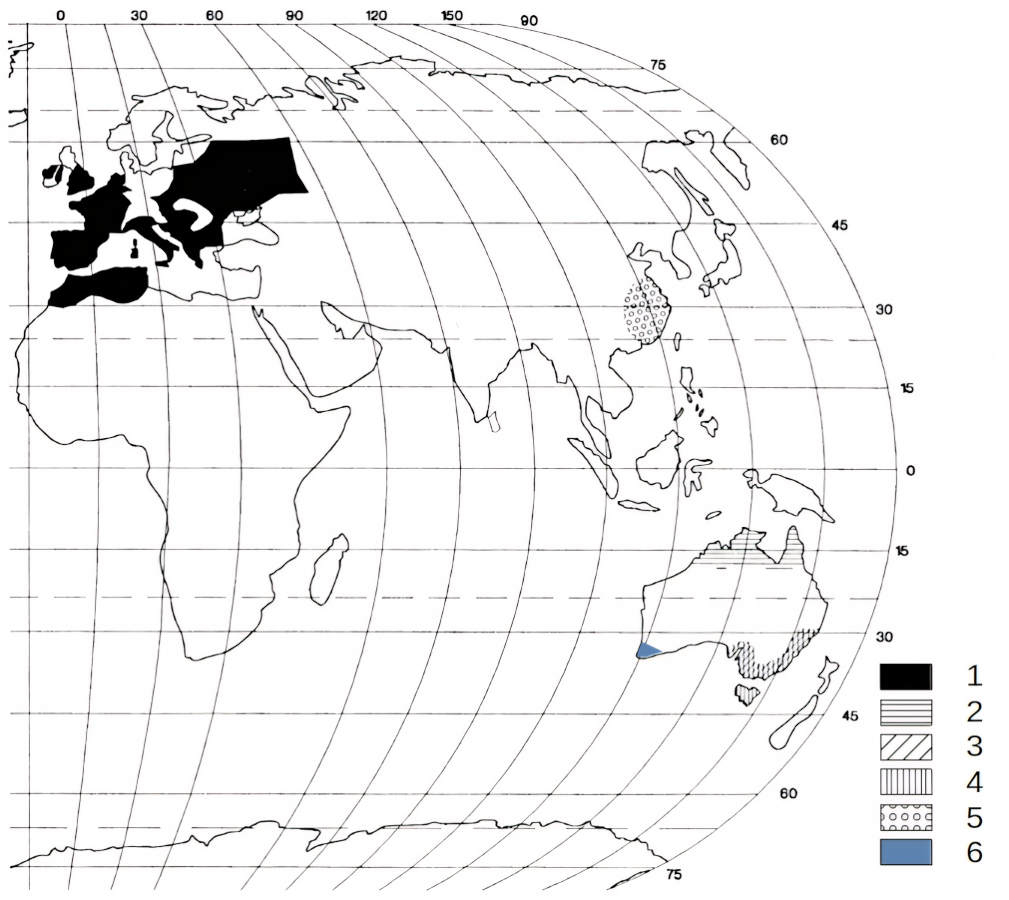
Our only species, and the only European species, is known from western, central and southern Europe, North Africa and Israel.
Approximate numbers of representatives of selected taxonomic units in each region
| Taxonomic unit |
Region | |||||||||
| Czech republic |
Central Europe |
Europe | Afrotropical | Australian | Nearctic | Neotropical | Oriental | Palaearctic | World | |
| Subfamily | 0 | 0 | 0 | 0 | 0 | 0 | 0 | 0 | 0 | 0 |
| Tribus | 0 | 0 | 0 | 0 | 0 | 0 | 0 | 0 | 0 | 0 |
| Genus | 1 | 1 | 1 | 0 | 1 | 0 | 0 | 0 | 1 | 1 |
| Species | 1 | 1 | 1 | 0 | 4 | 0 | 0 | 0 | 2 | 6 |
Recent distribution of Hygrobiidae species in the world
Largest and Smallest
The family Hygrobiidae is monotypic, containing only the genus Hygrobia. Only about 6 recent species are known worldwide. Most species are similar in size (8-11 mm).
Rarest
Rarity is often due to restricted range and habitat requirements. The family is generally relict and includes species with small distributions (endemics), for example Hygrobia davidi is only known from China. Its rarity is due to its strict association with lowland, stagnant and clear waters with muddy bottoms, which are under severe anthropogenic pressure worldwide.
Hygrobia hermanni is considered regionally extinct (RE) or at least critically endangered (CR) in the Czech Republic (depending on the source and year of assessment).
Attractions
- Stridulation. The sound is produced by rubbing the edge of the 7th abdominal sternite against the fillet on the underside of the scutes.
- Phylogenetic position: the Hygrobiidae are a phylogenetically key family that fills the gap between the families Haliplidae and Dytiscidae. Molecular studies show that the Hygrobiidae are a monophyletic unit and related closely to the Dytiscidae, Amphizoidae and Aspidytidae (i.e., they have a special position among the hydradephages). The evolutionary history with disjunctions between the Palearctic and Australasian branches shows interesting biogeographic features (age of clades, distribution different from common Holarctic patterns).
- Fossil records: fossil species have been found, such as the extinct †Hygrobia cretzschmari from the Tertiary.
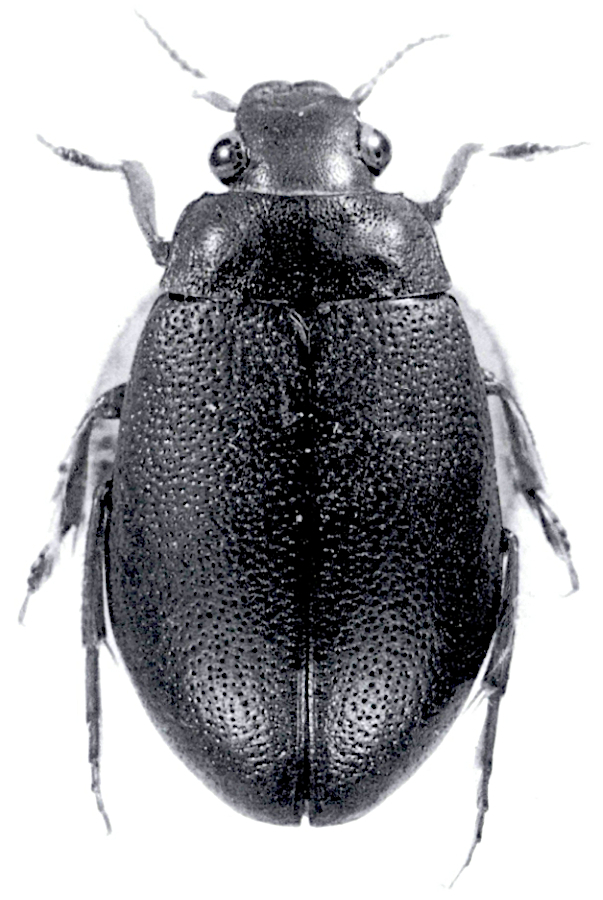
Examples of world representatives of the family

Examples of Czech representatives of the family

- Beutel R., Leschen R.: Handbook of Zoology, Arthropoda: Insecta, Coleoptera: Beetles, Ed. 2, Volume 1: Morphology and Systematics (Archostemata, Adephaga, Myxophaga, Polyphaga partim), Walter de Gruyter GmbH, Berlin/Boston, 2016
- Bouchard P.: The Book of Beetles, A Lifesize Guide to Six Hundred of Nature’s GEMS, Ivy Press, East Sussex, 2014
- Boukal D., Boukal M., Fikáček M., Hájek J., Klečka J., Skalický S., Šťastný J., Trávníček D.: Katalog vodních brouků České republiky / Catalogue of water beetles of the Czech Republic, Klapalekiana, 43 (Suppl.): 1-289, 2007, Česká společnost entomologická, 2007
- Dlouhý F.: Brouci, Soustavný popis nejdůležitějších českých brouků s návodem, kterak zakládati sbírky broukův. 2. vydání, Nakladatel I. L. Kober, Praha, 1912
- Hájek J.: Folia Heyrovskyana: Coleoptera: Sphaeriusidae, Gyrinidae, Haliplidae, Noteridae, Paelobiidae, Icones insectorum Europae centralis, Series B, 9: 1-13, 31 October 2007, Nakladatelství Kabourek, Zlín, 2007
- Hůrka K.: Brouci České a Slovenské republiky, -, Nakladatelství Kabourek, Zlín, 2017
- Klapálek F.: Atlas brouků středoevropských, část 1, Nakladatel I. L. Kober, Praha, 1903
- Kliment J.: Čeští brouci, Dílo o broucích Čech, Moravy a Slezka, Vydal autor, 1899
