The Family Atlas |
| Processing Status: | ||
| 88 / 88 | 100% | |
| Size of Species: 1 - 9 mm |
| Tarsal Formula: typically 4-4-4, some species 3-3-3 |
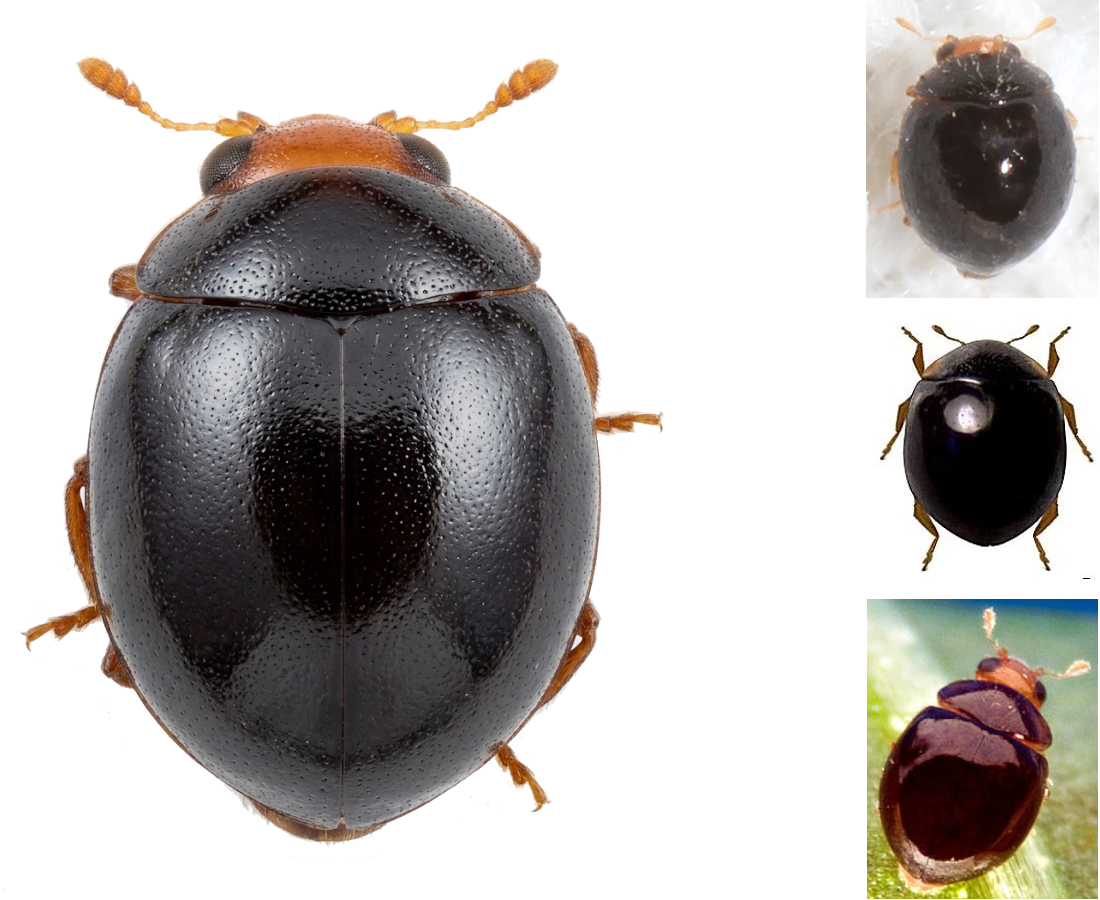
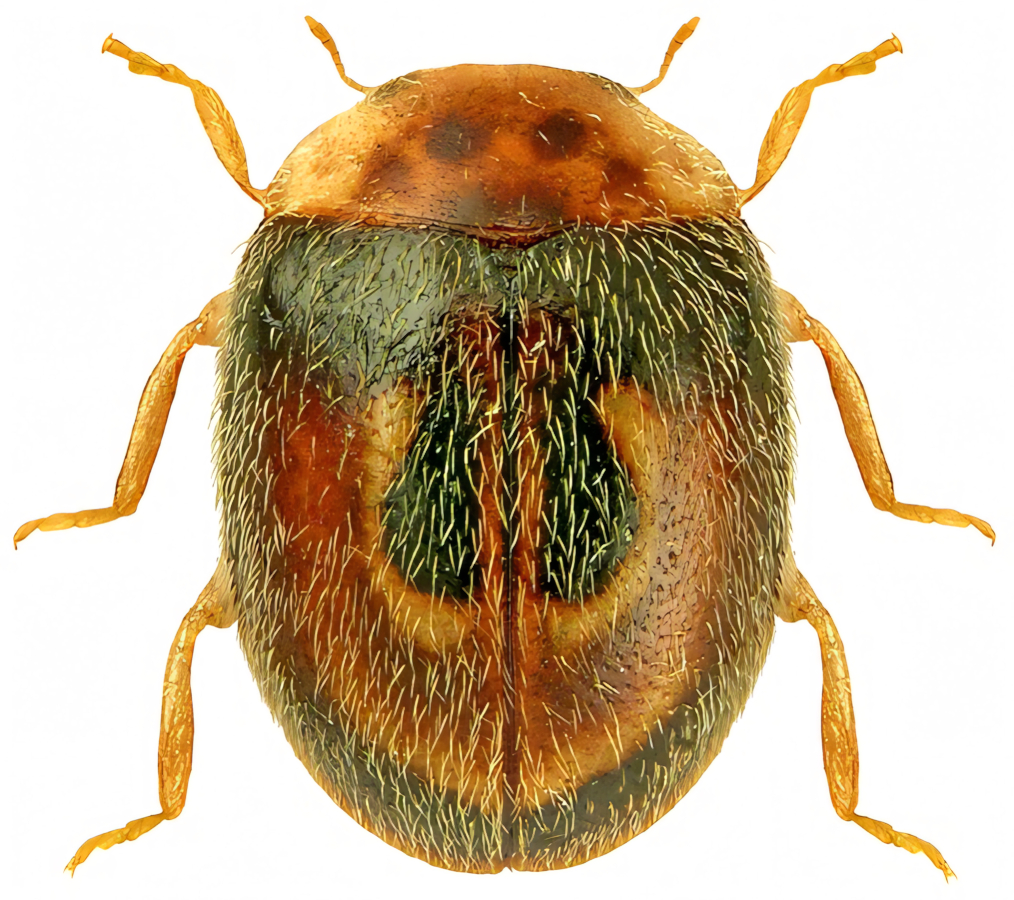
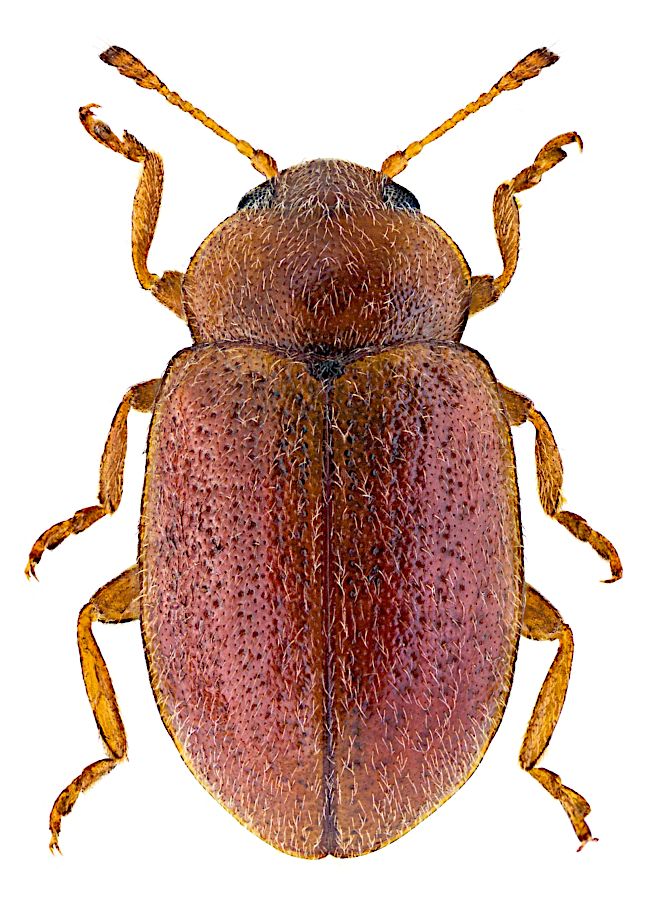
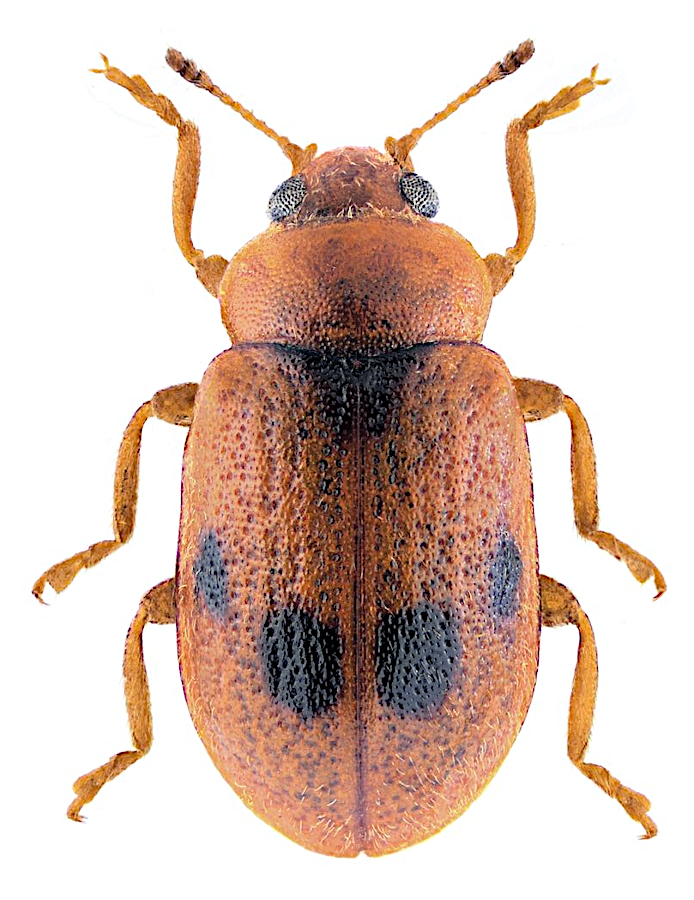
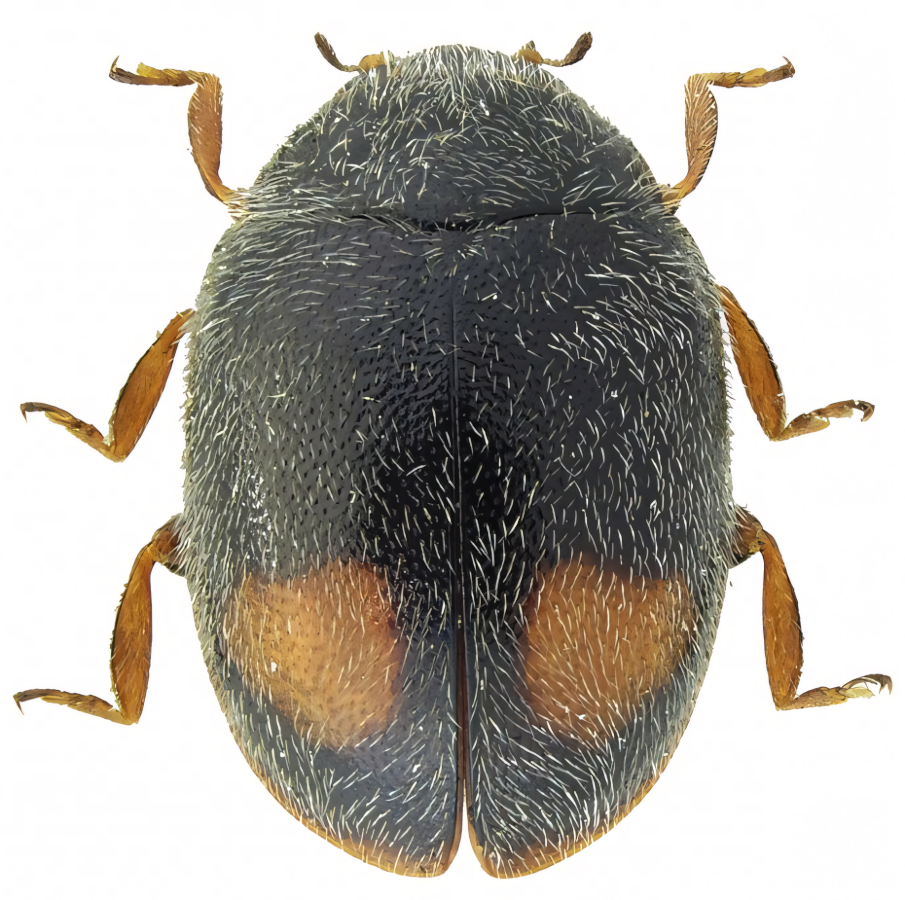
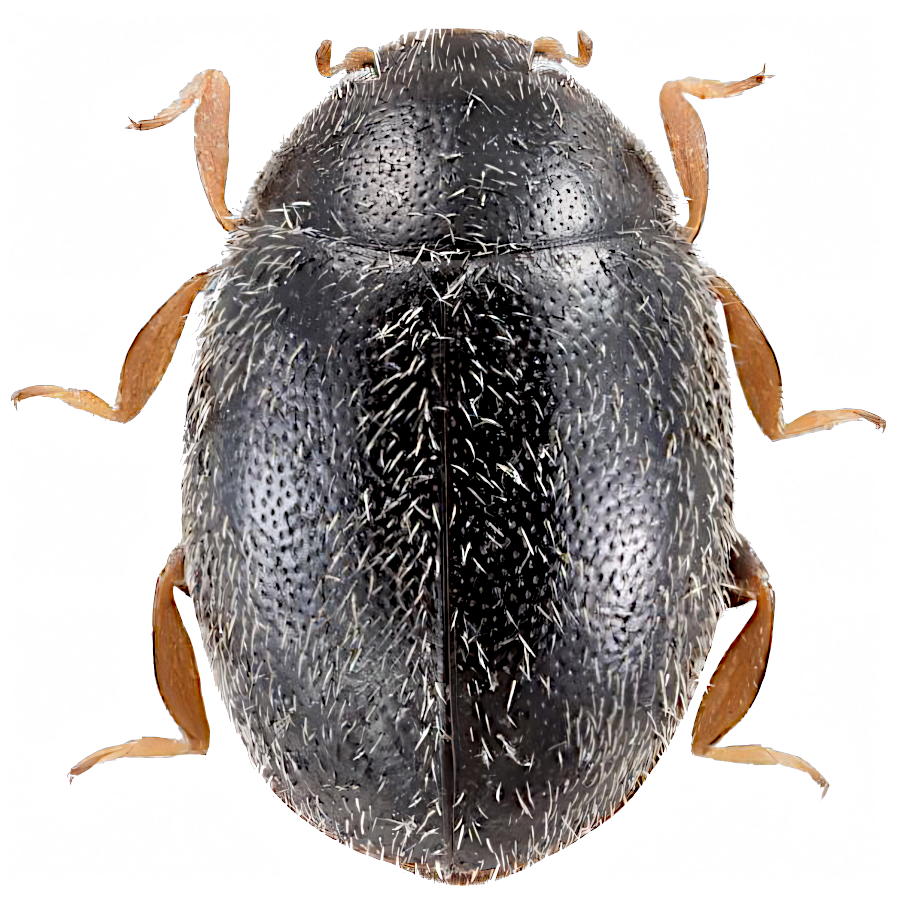
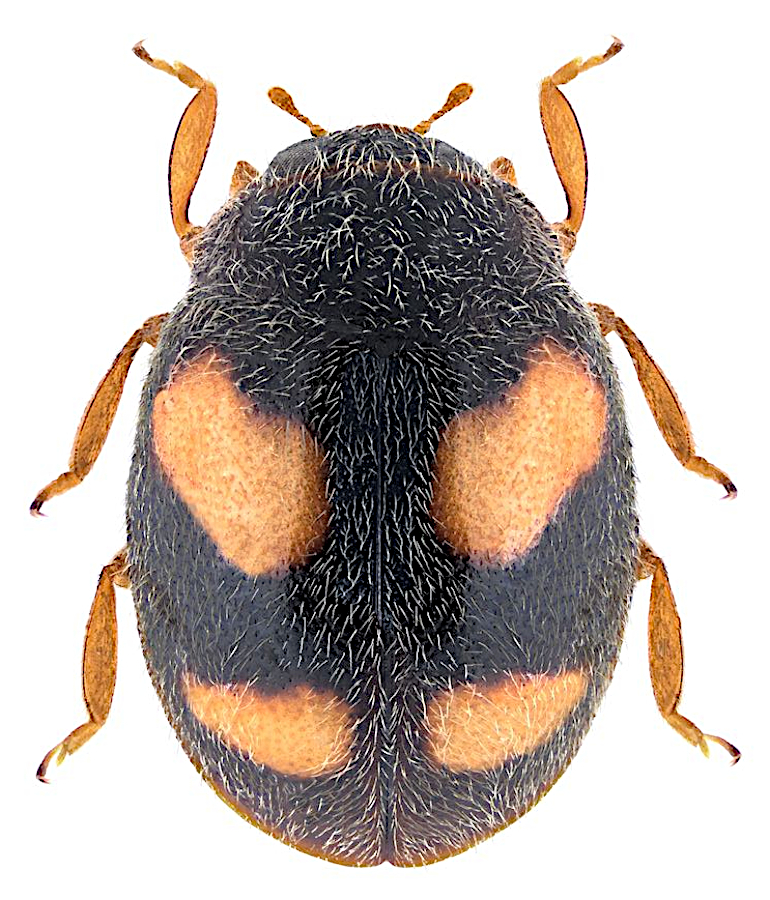
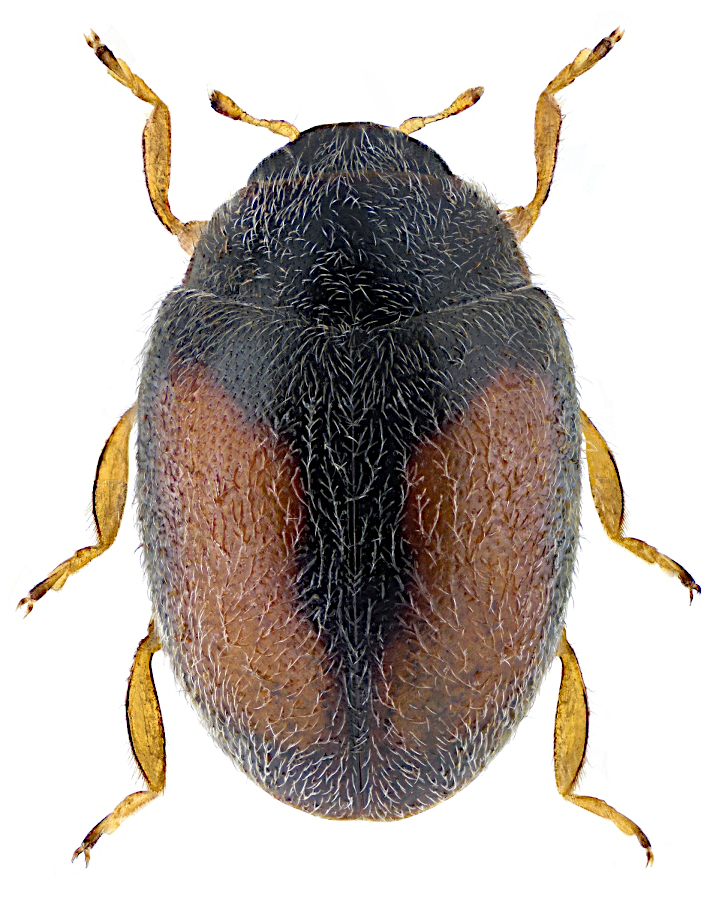
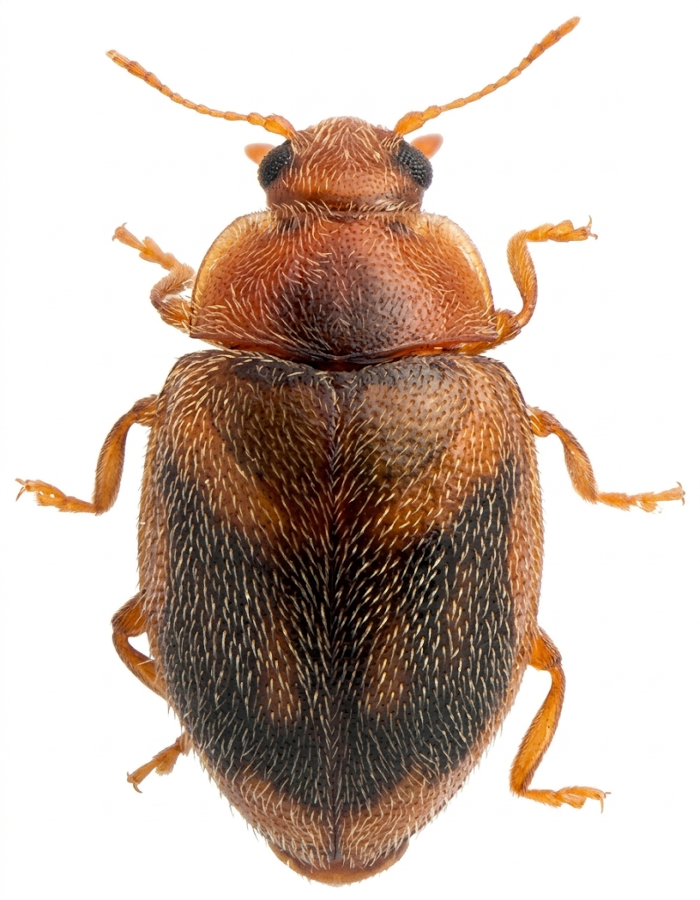
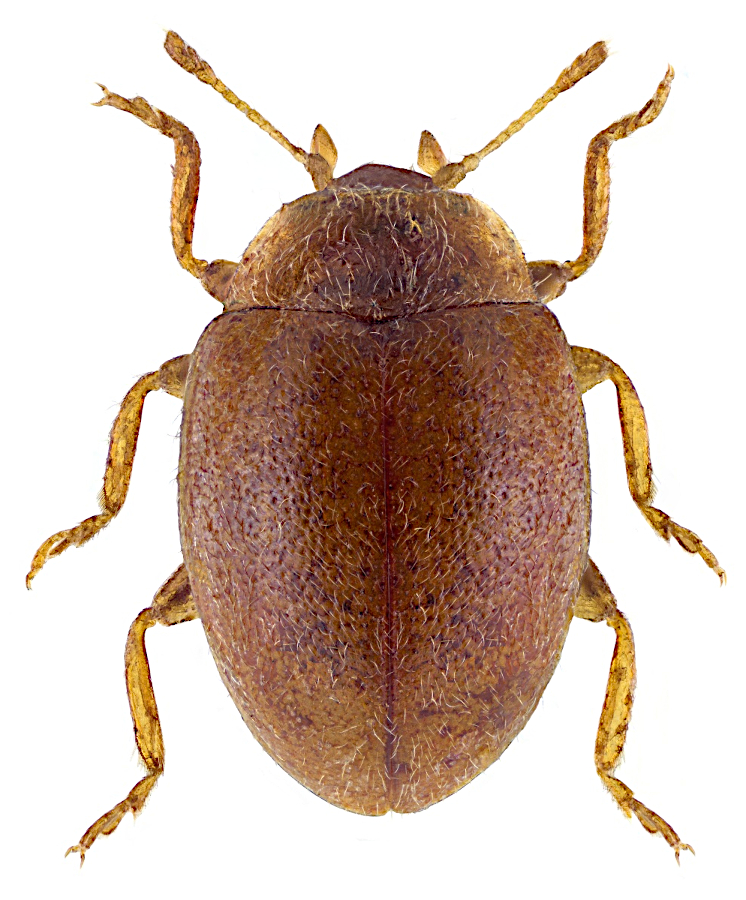
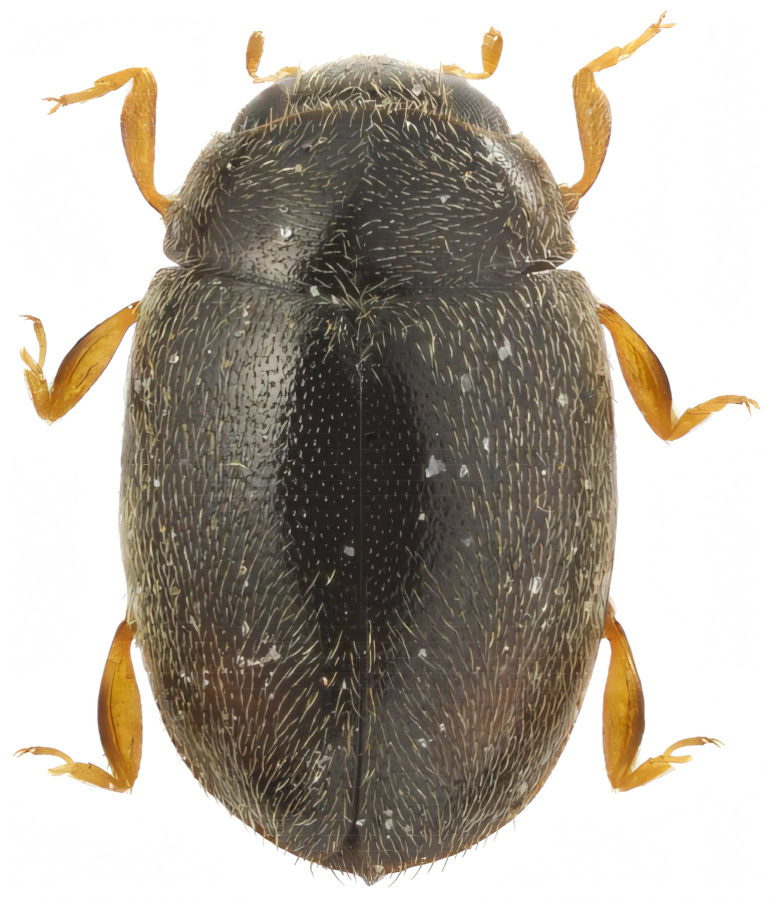
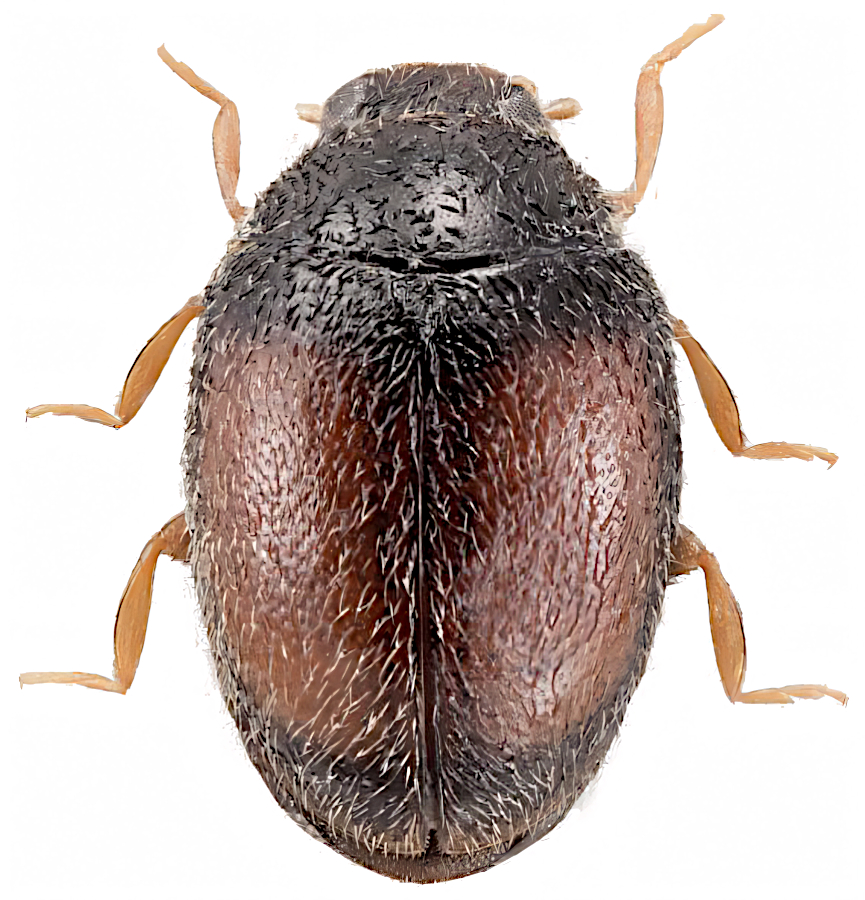
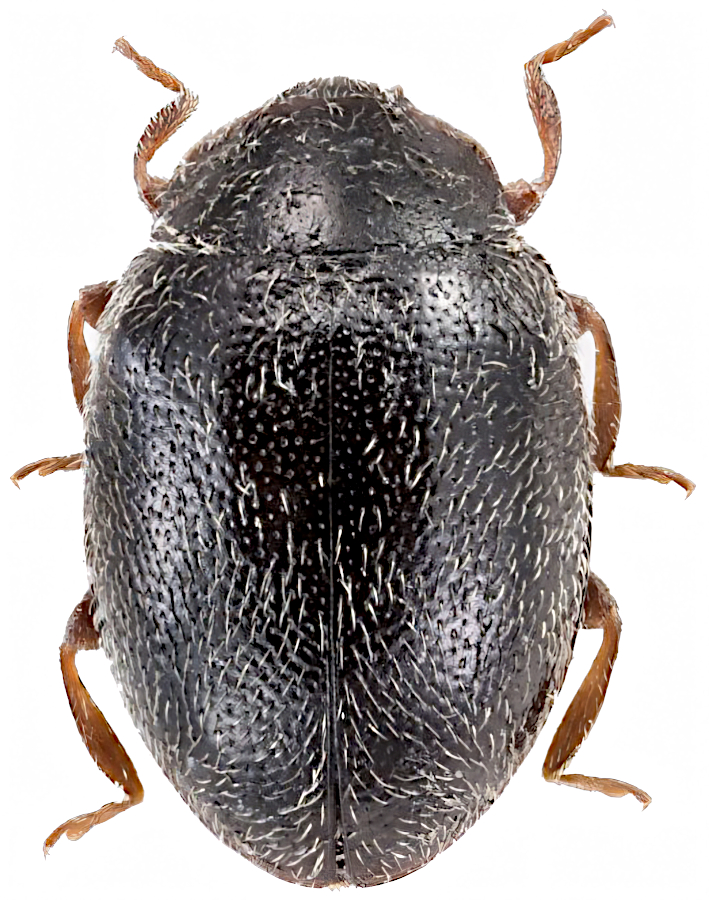
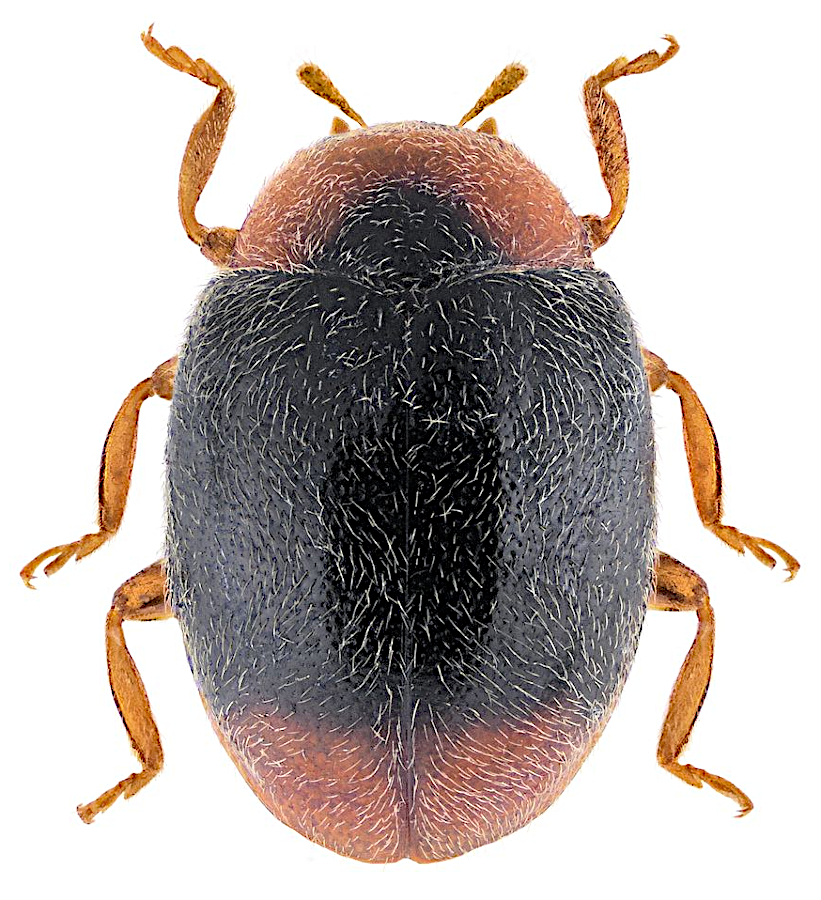
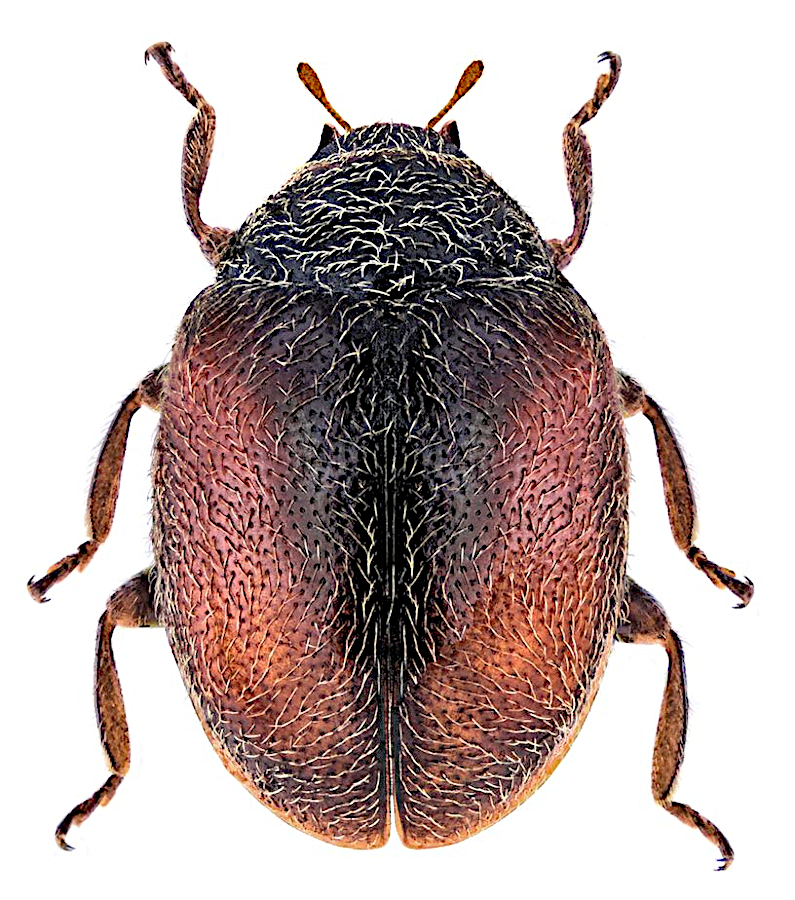
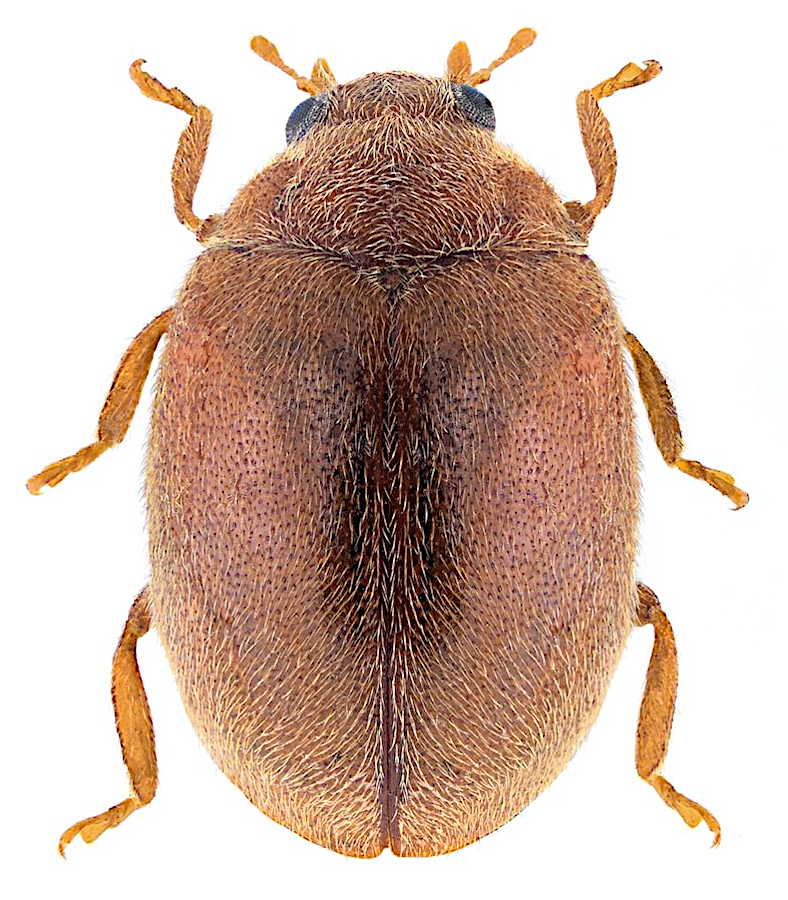
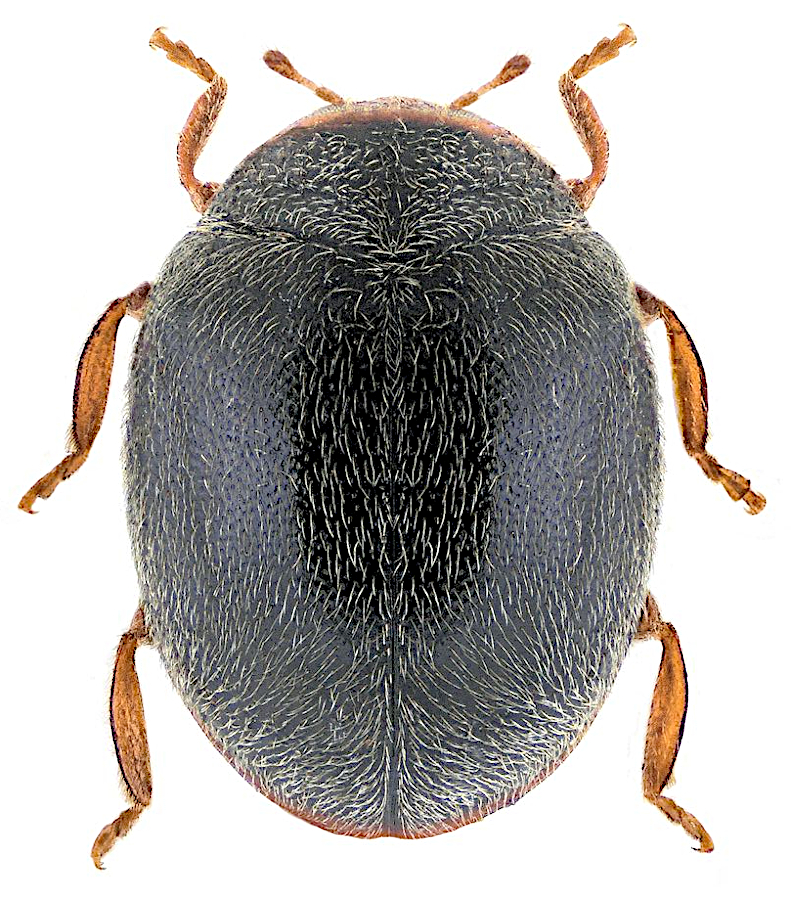
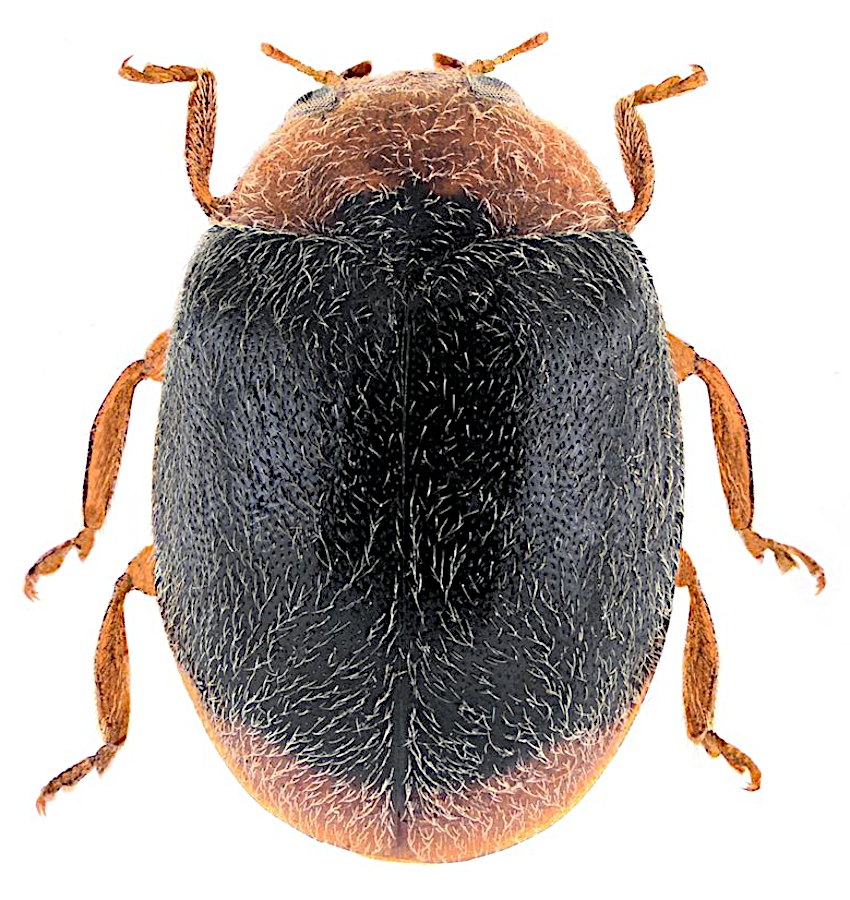
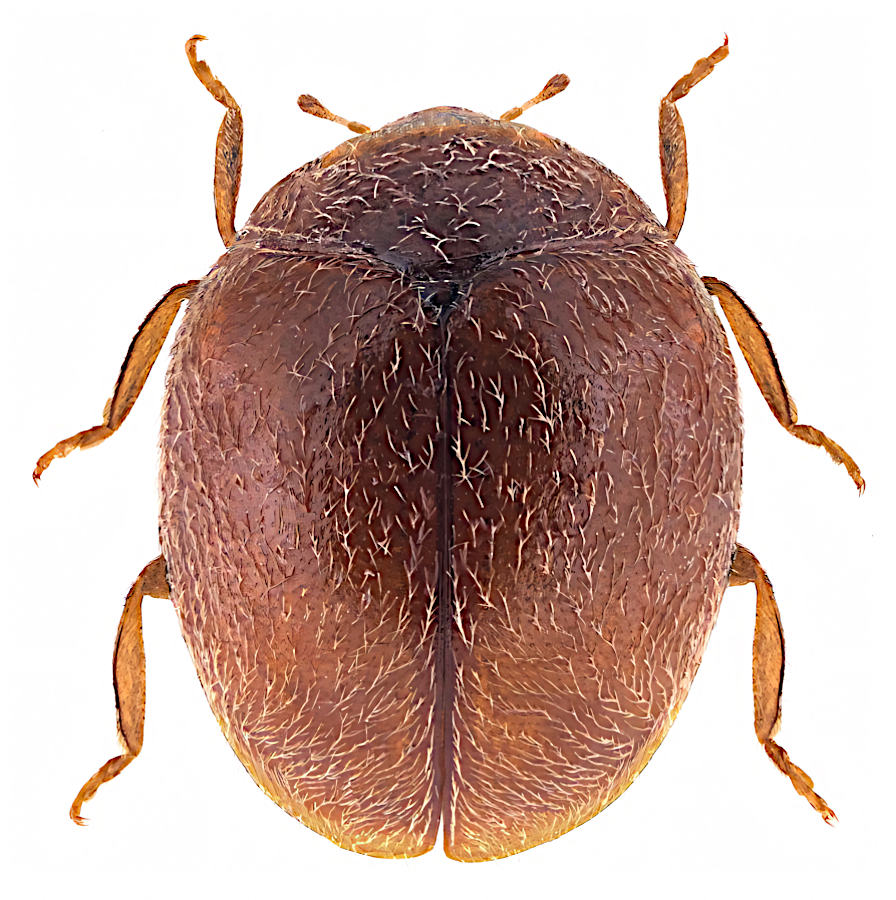
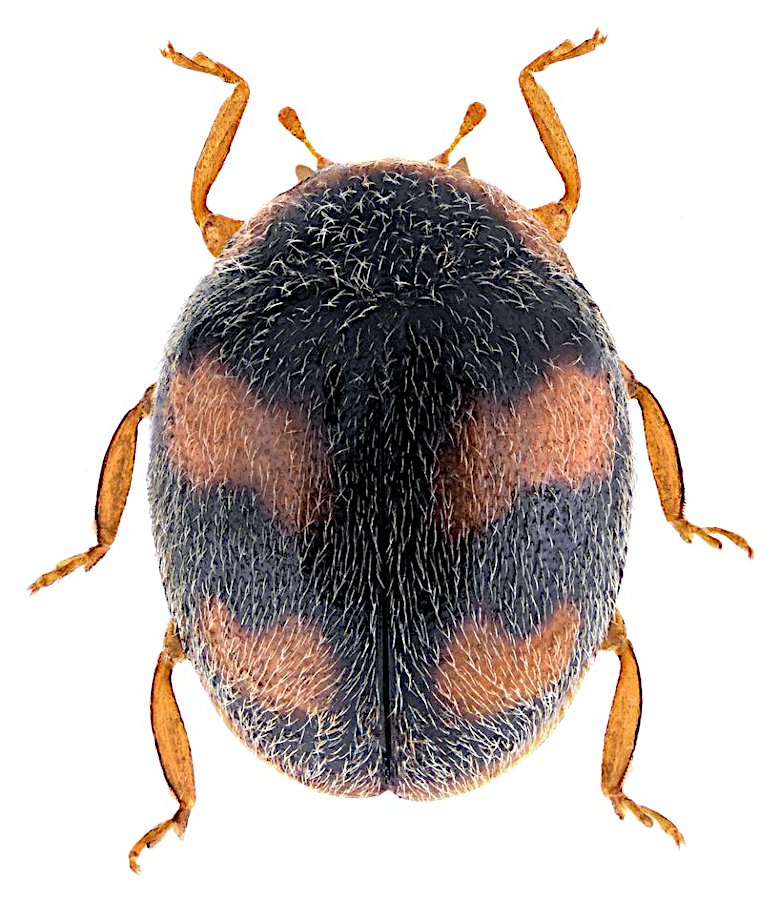
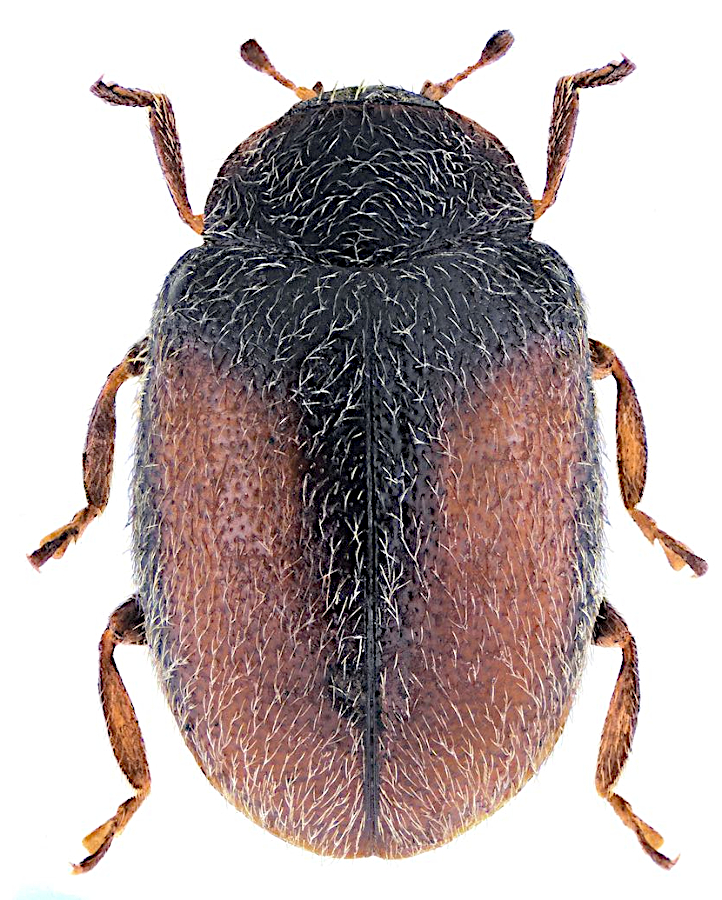
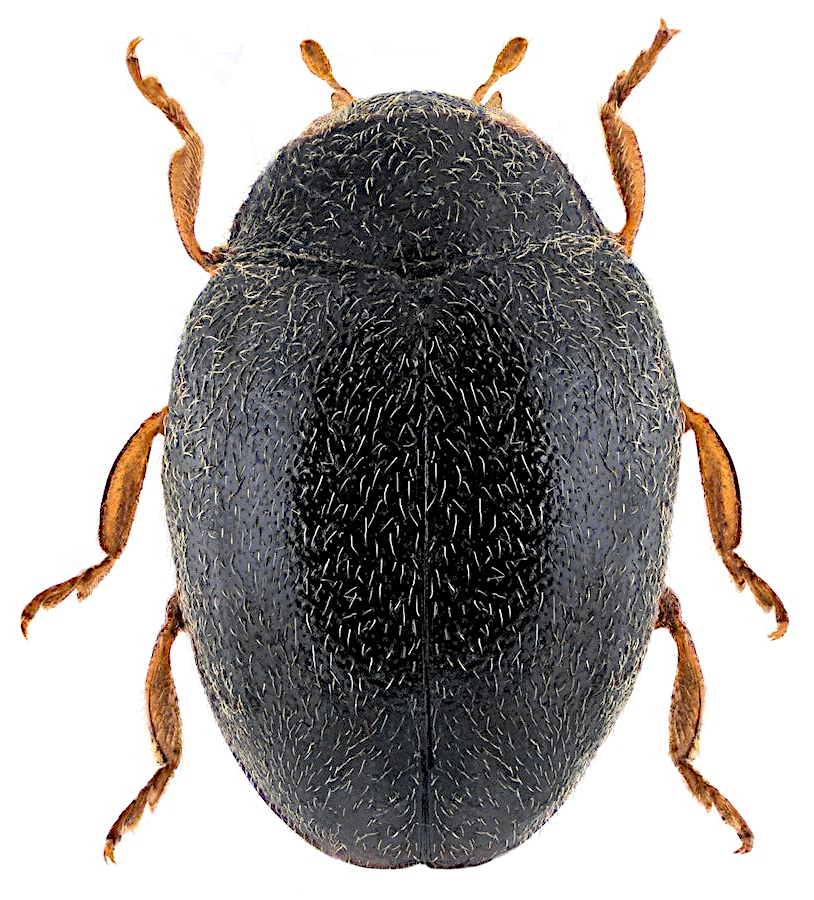
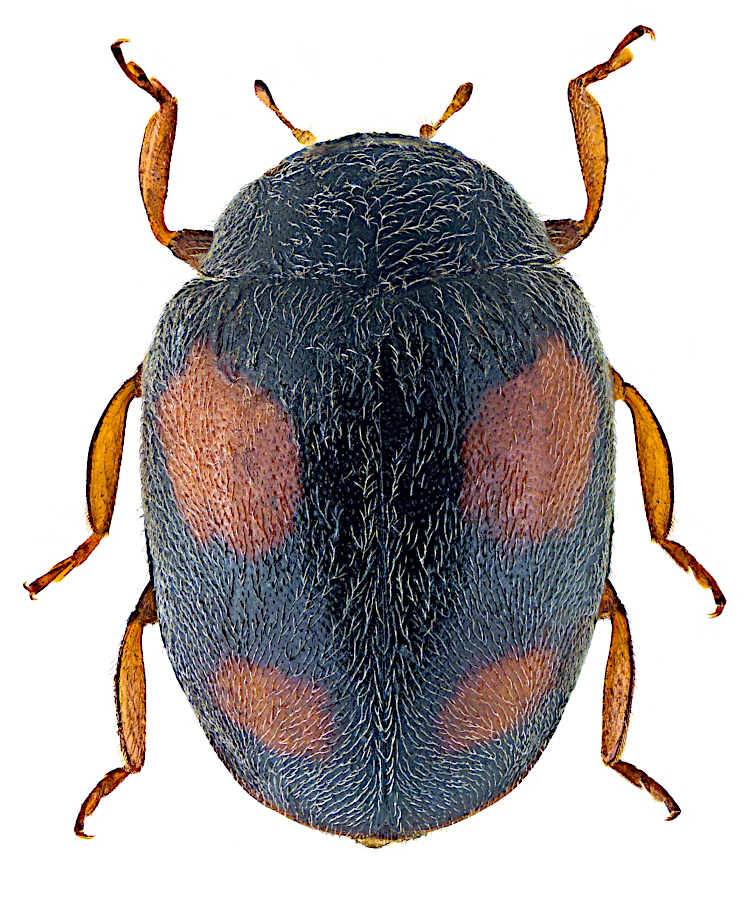
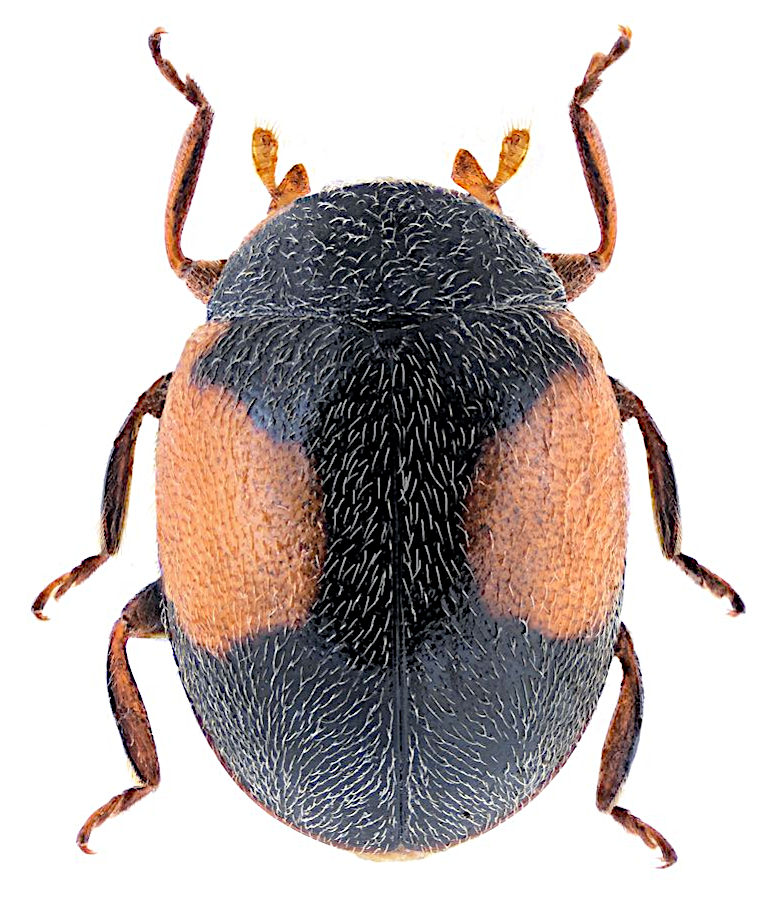
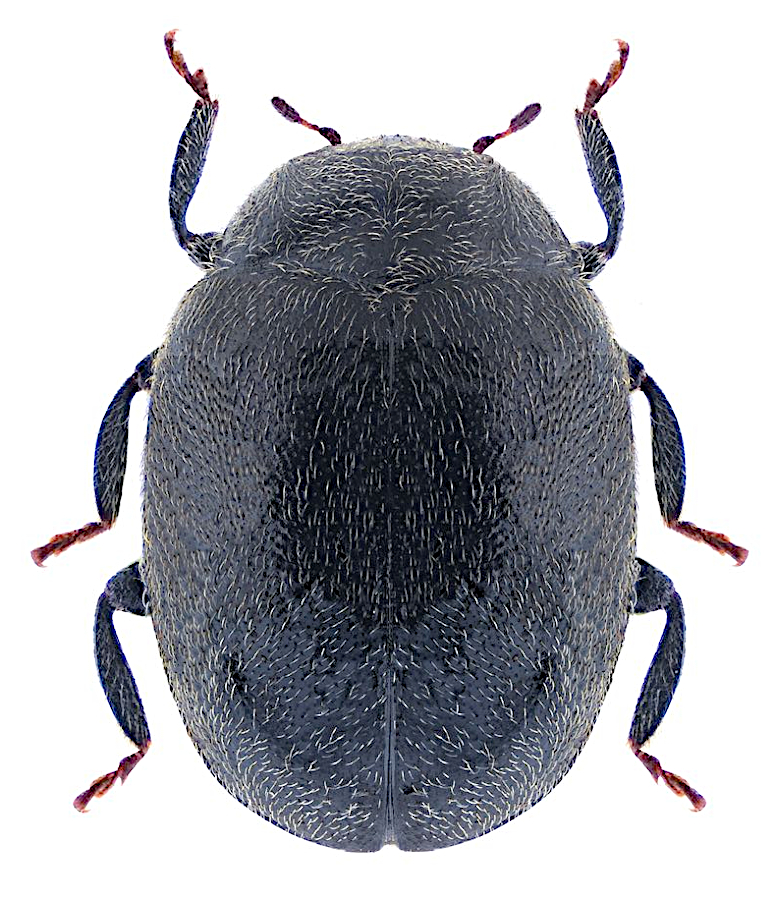
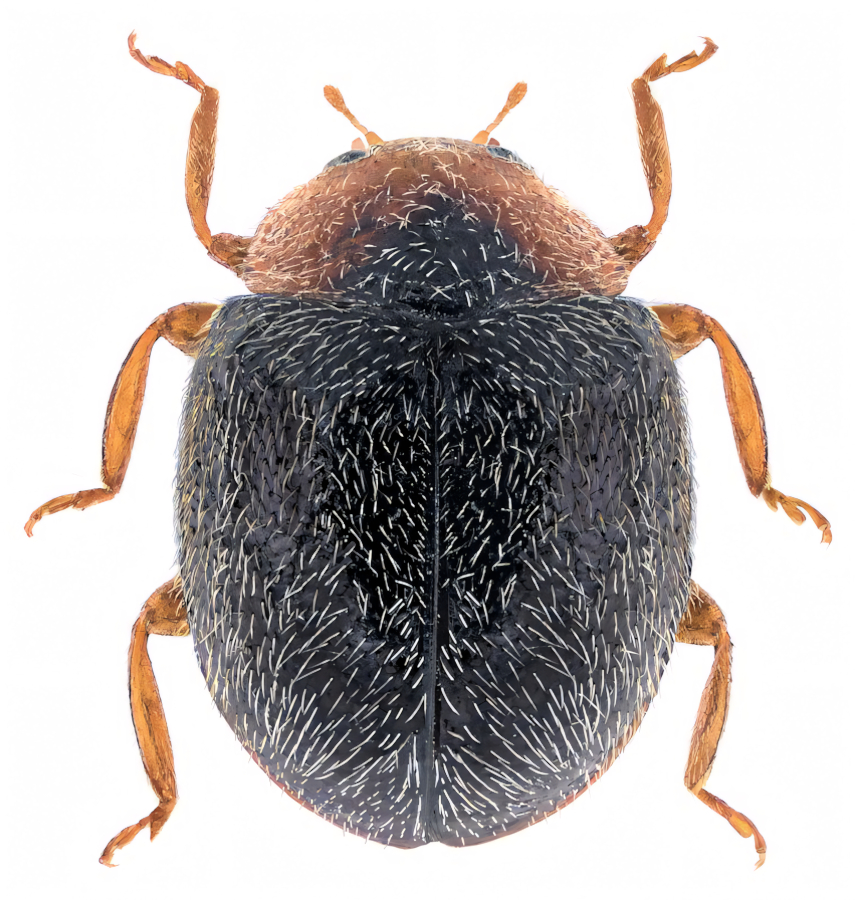
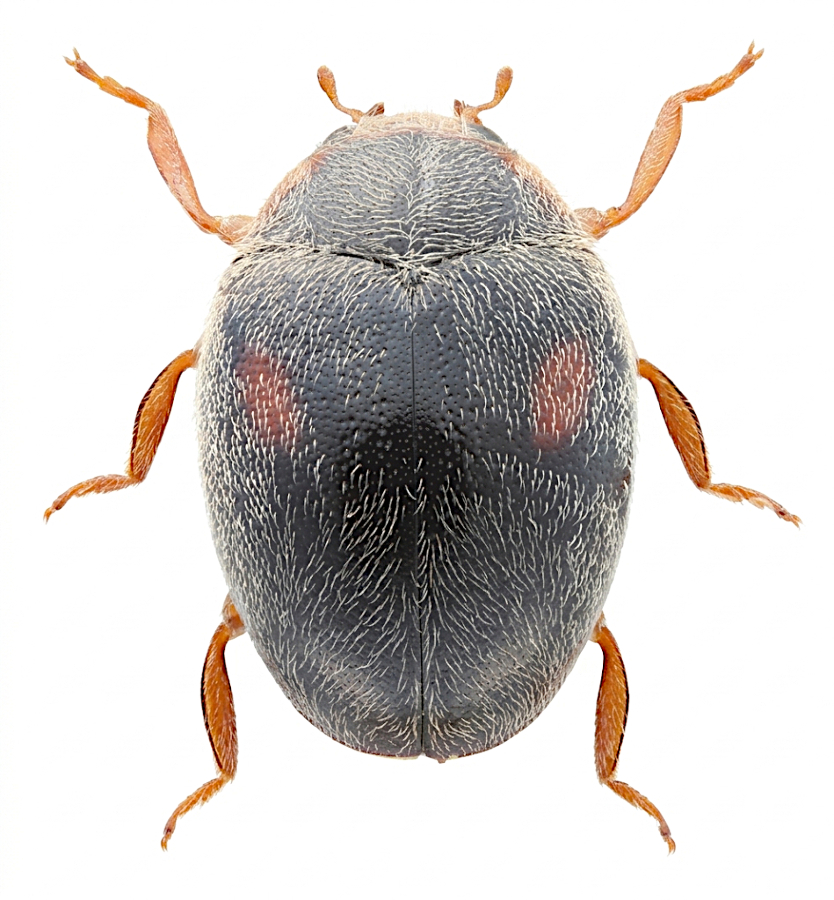
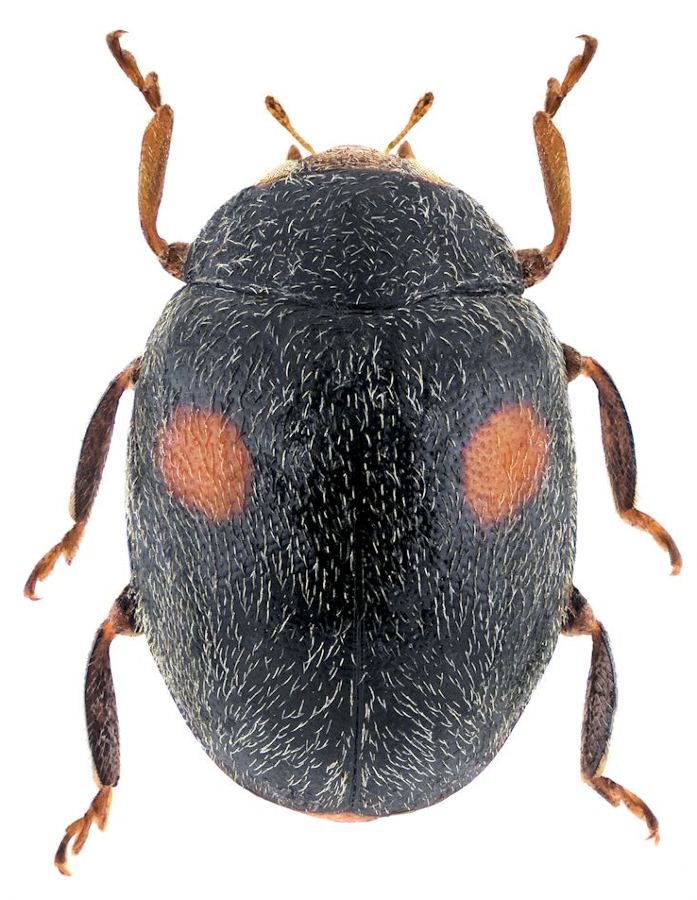
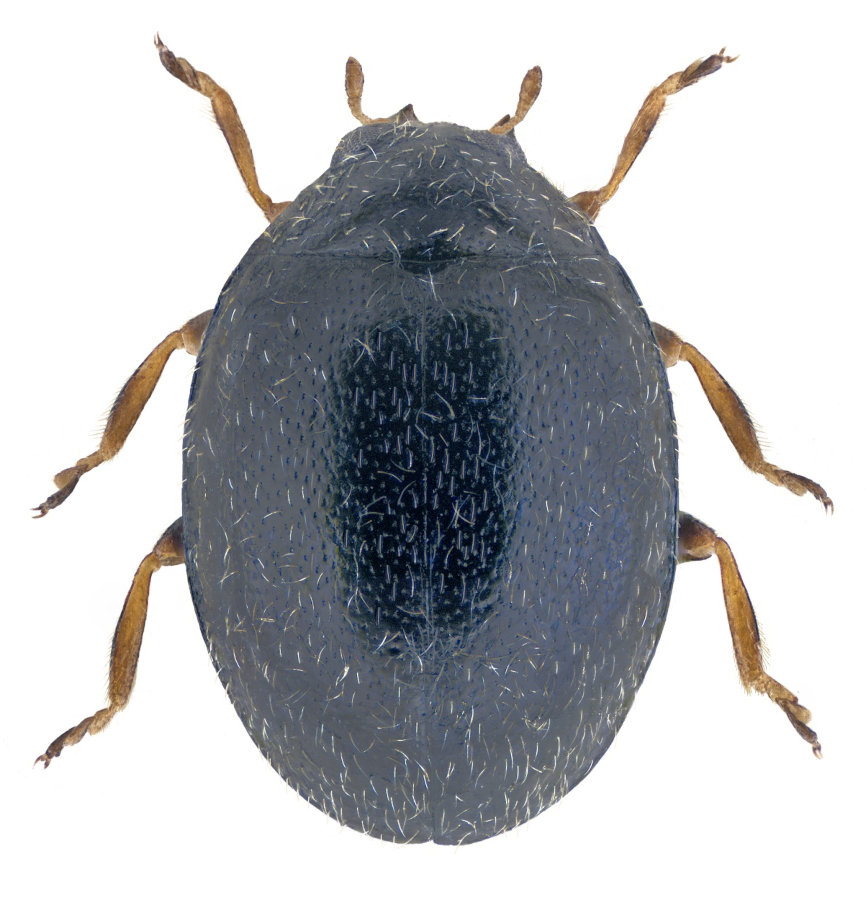
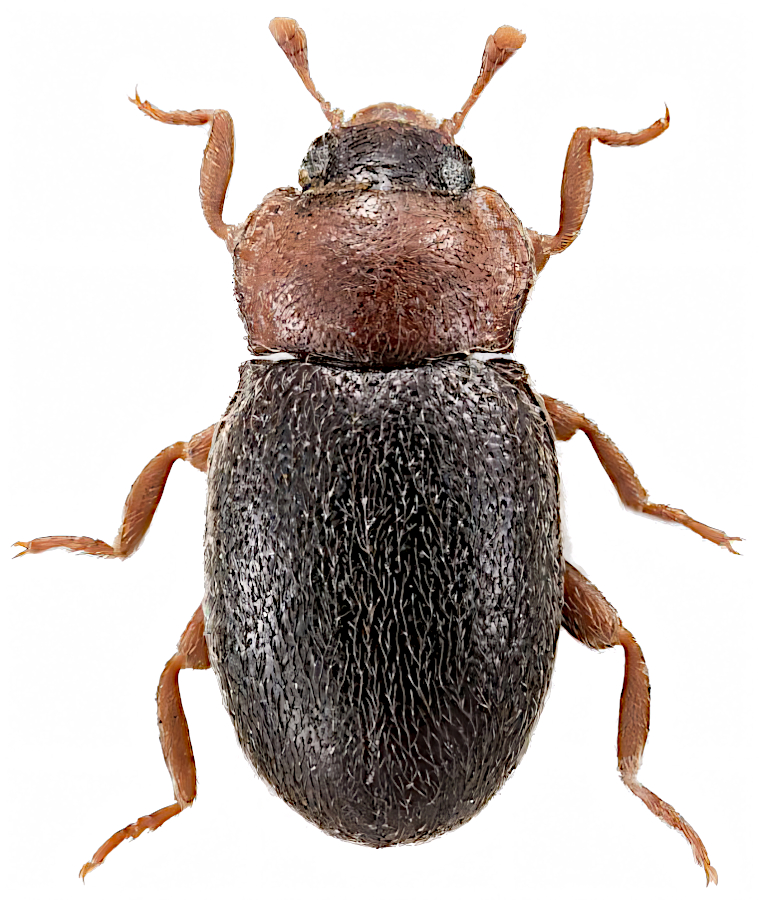
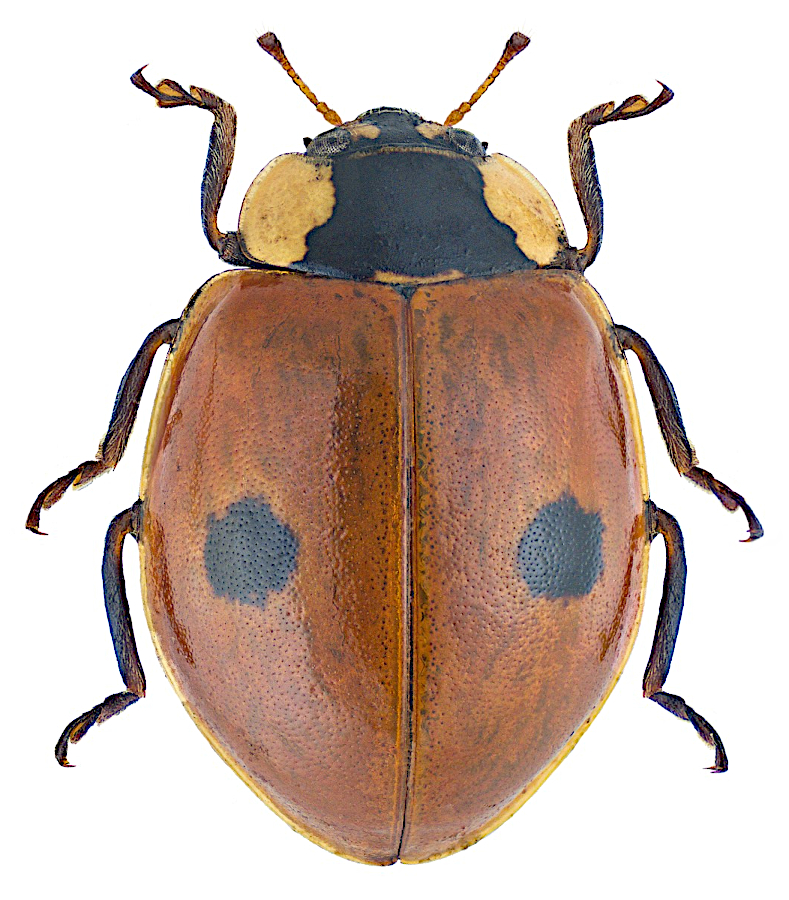
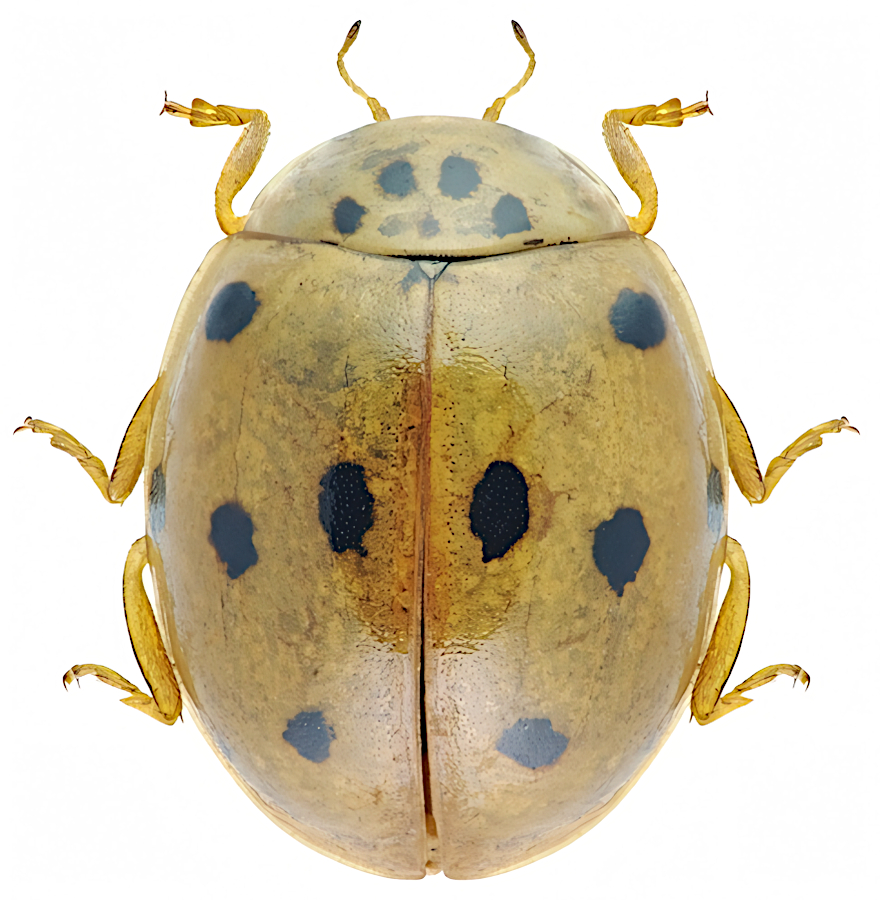
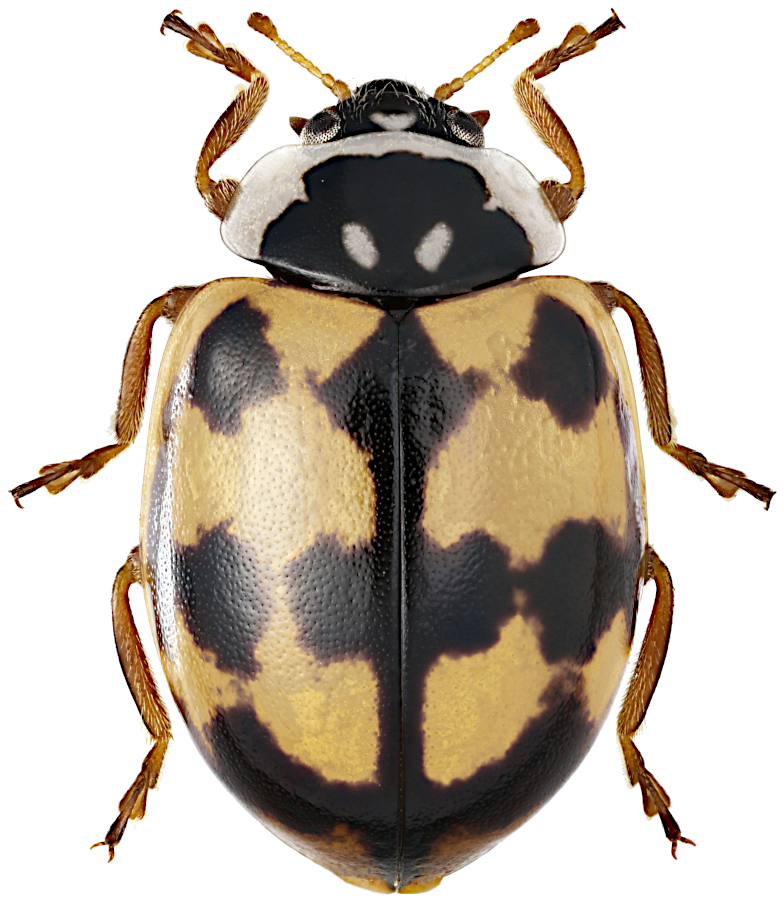
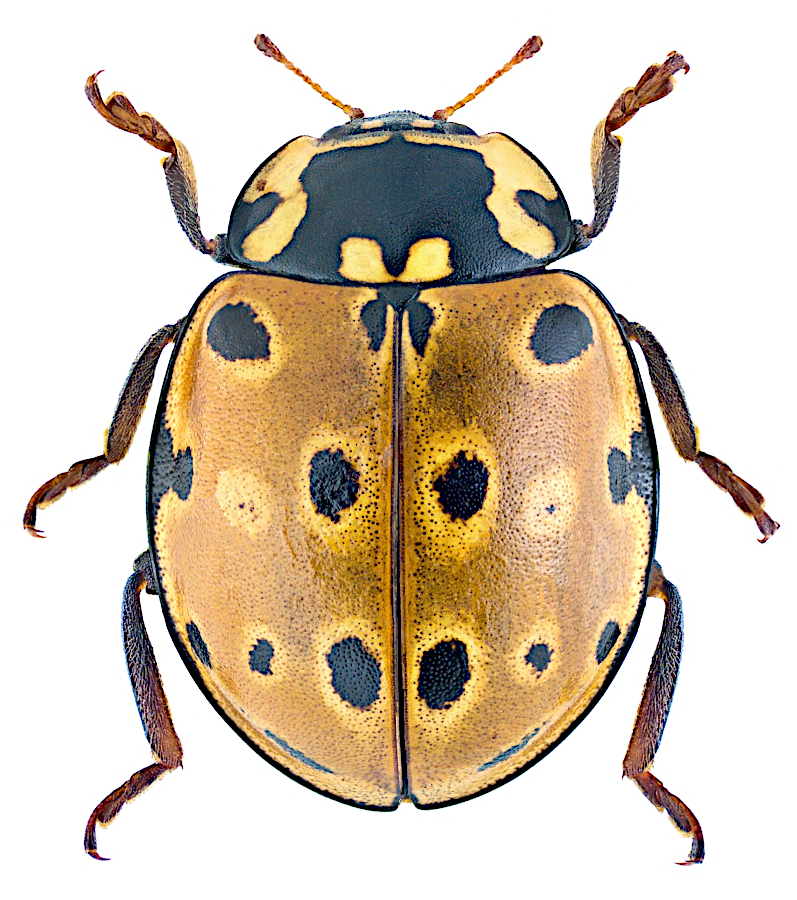
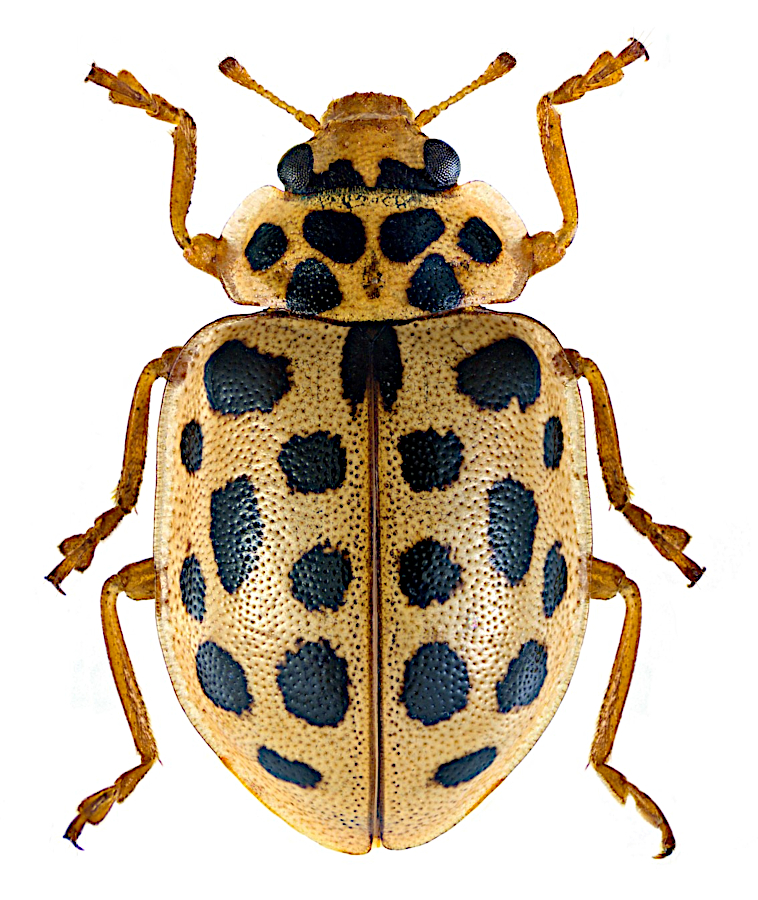
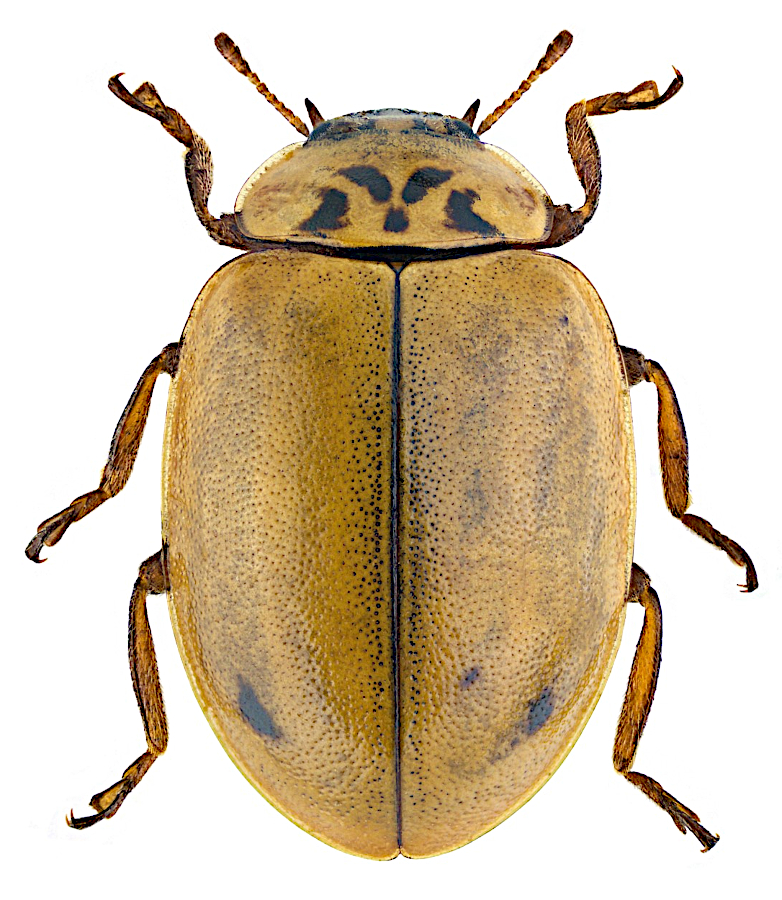
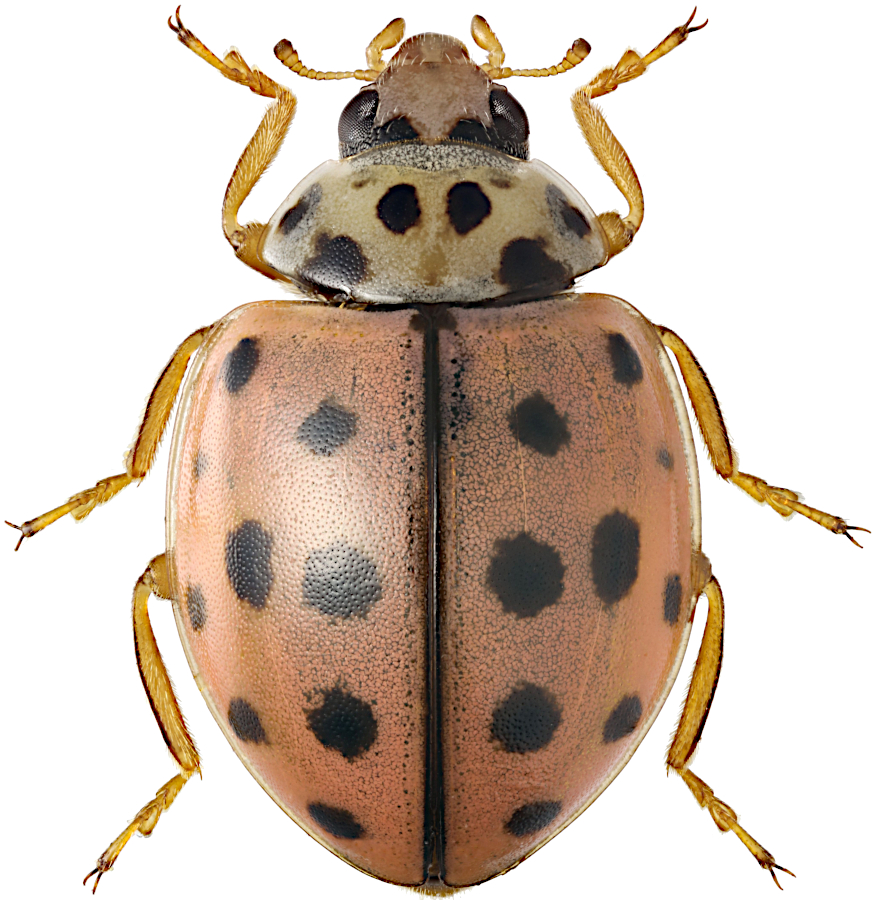
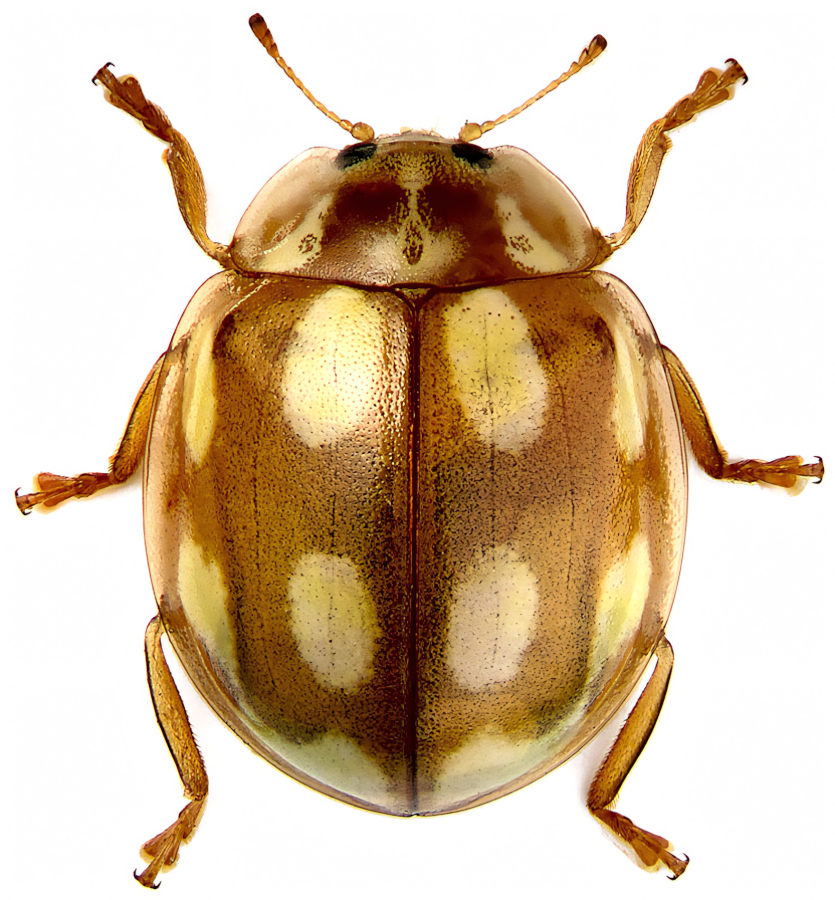
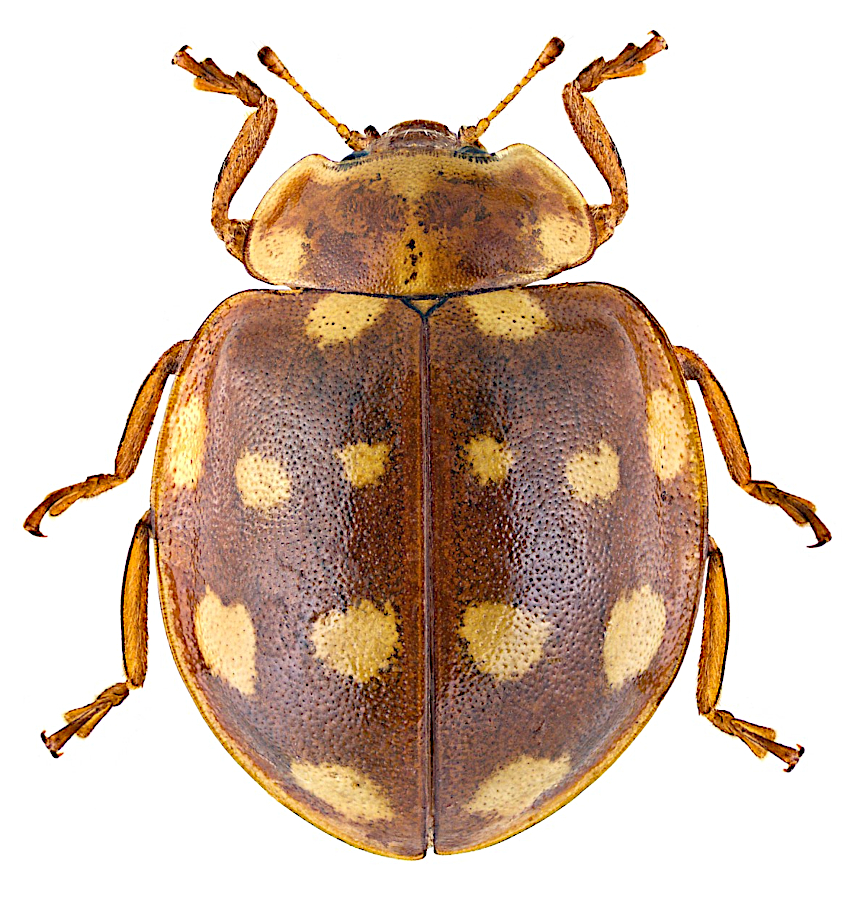
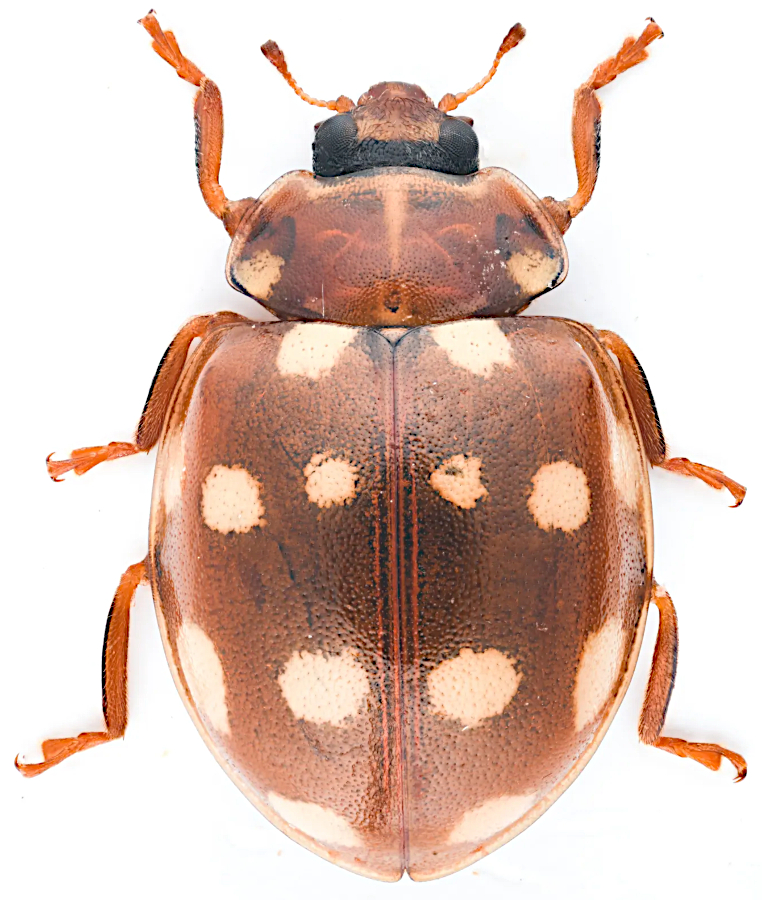
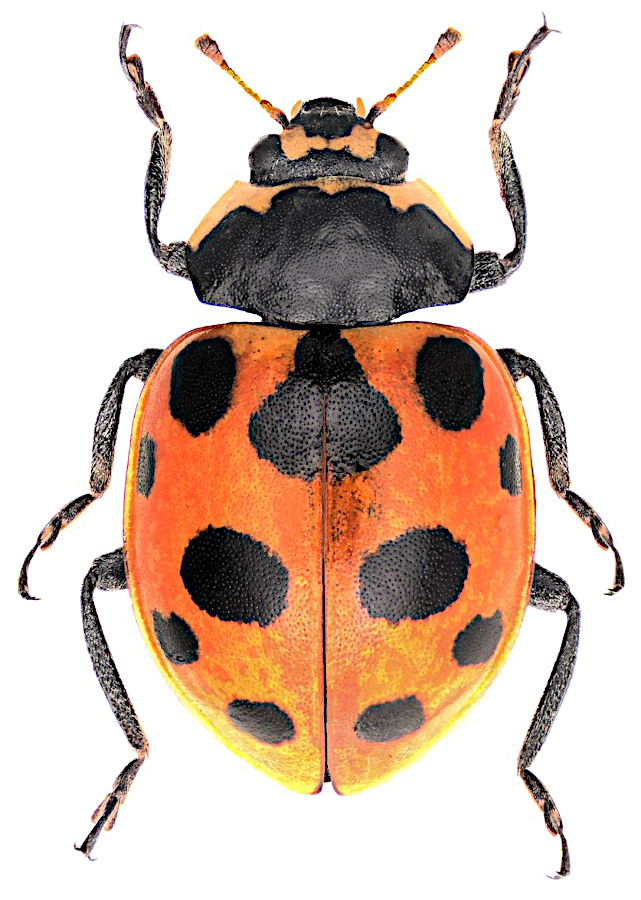
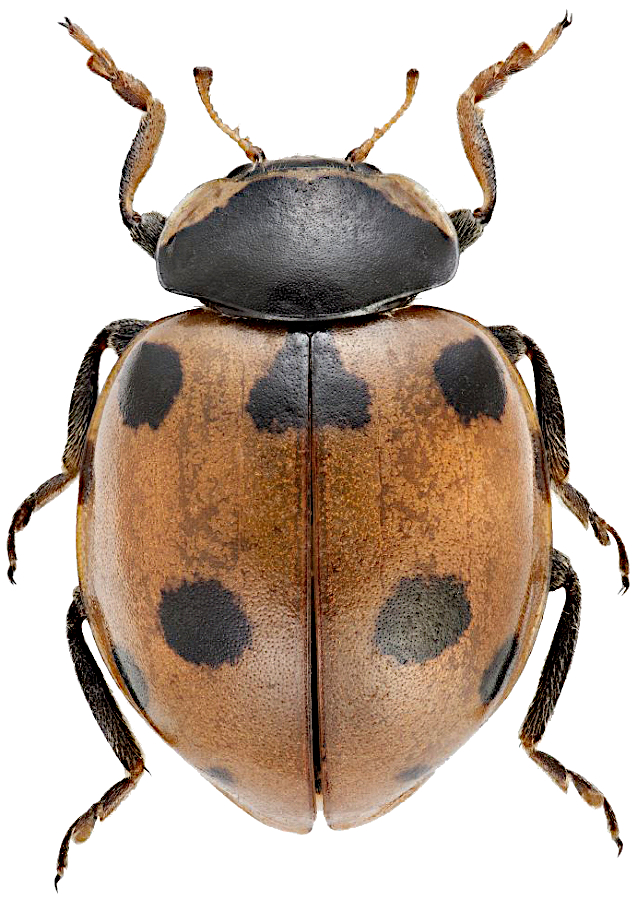
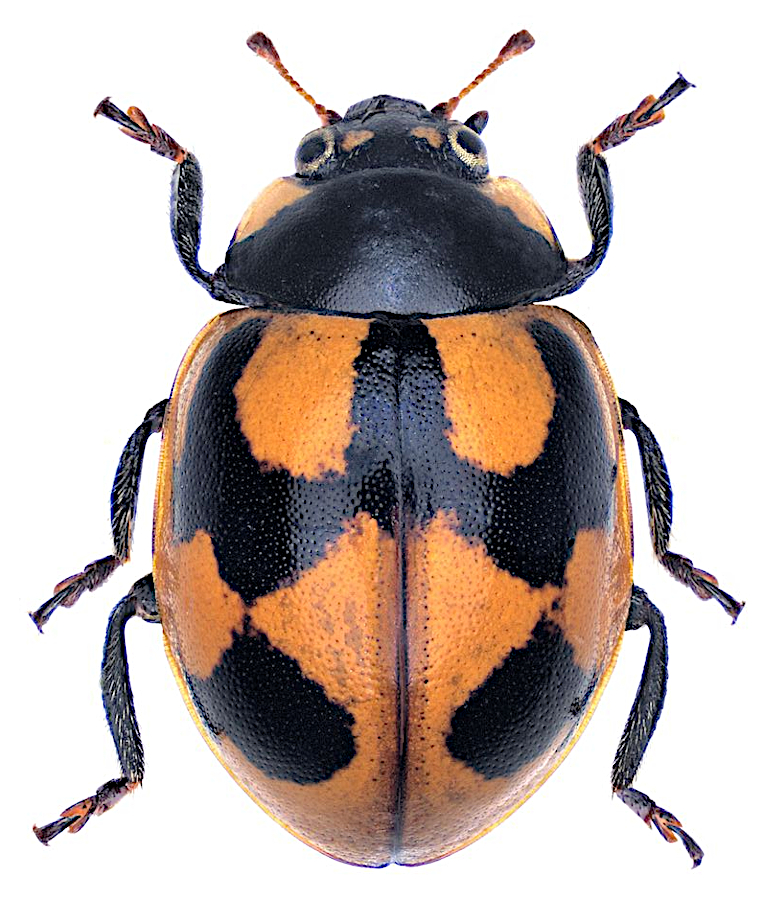
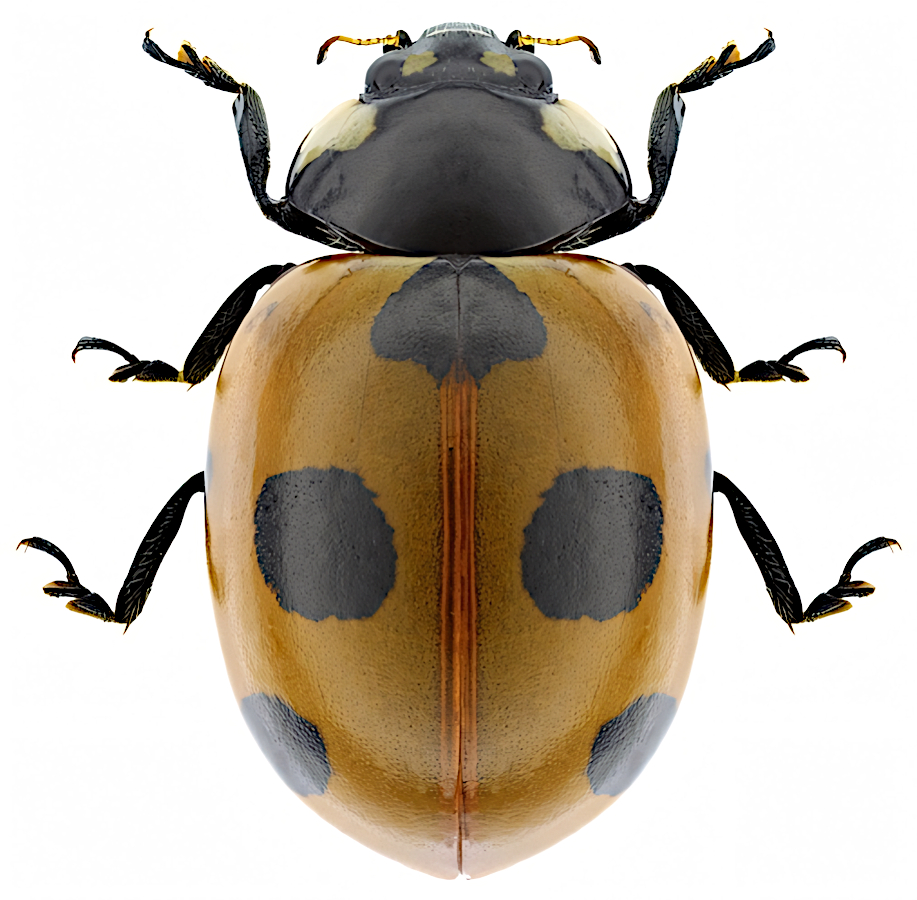
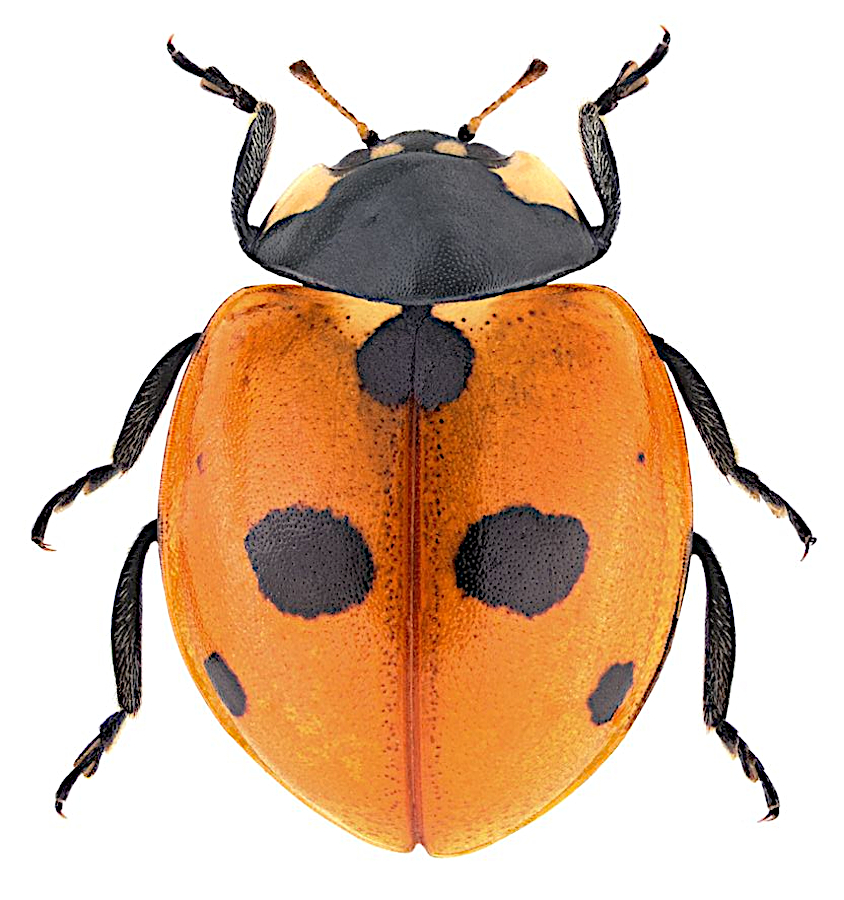
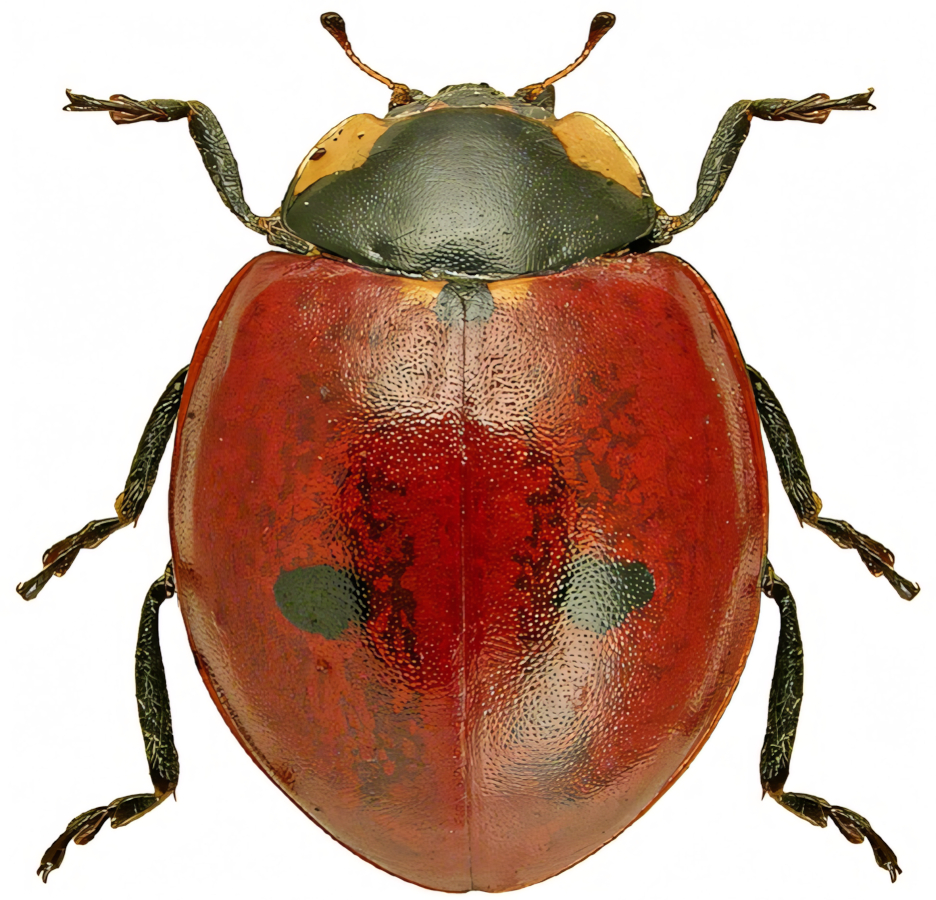
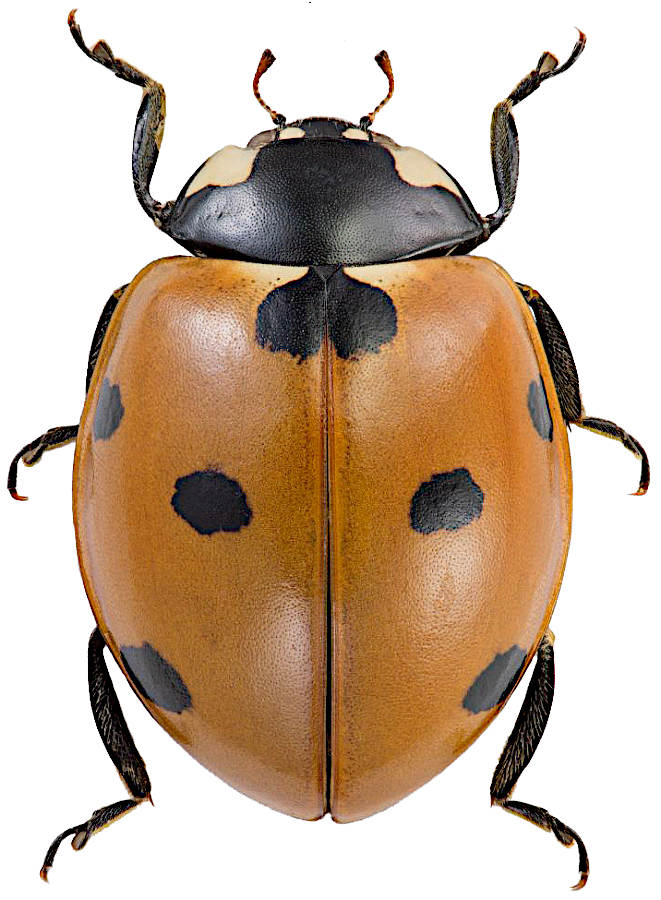
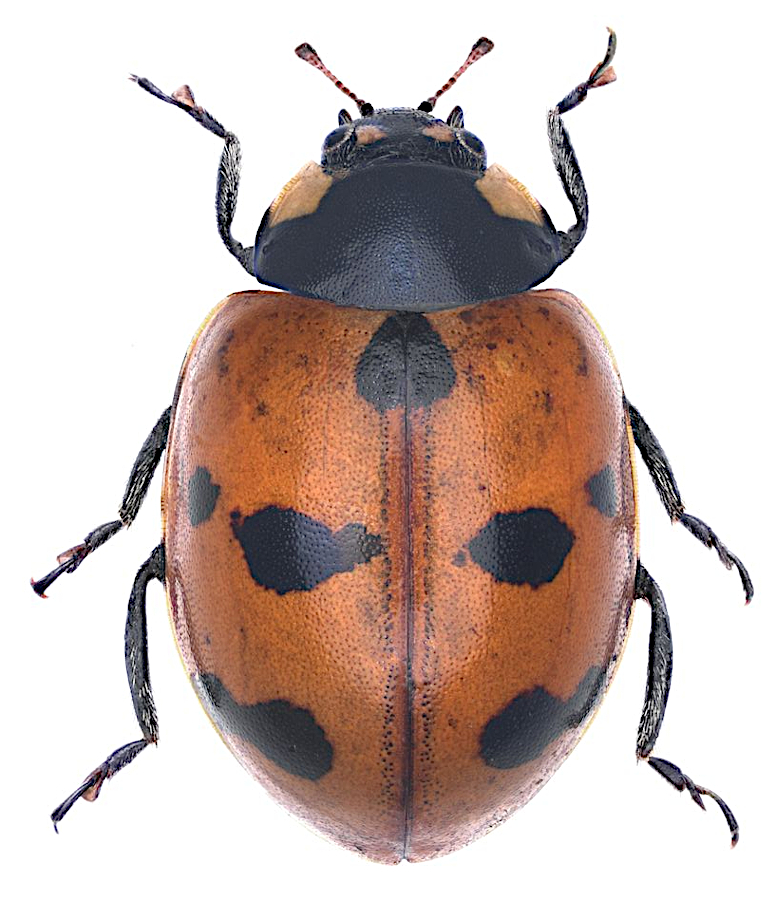
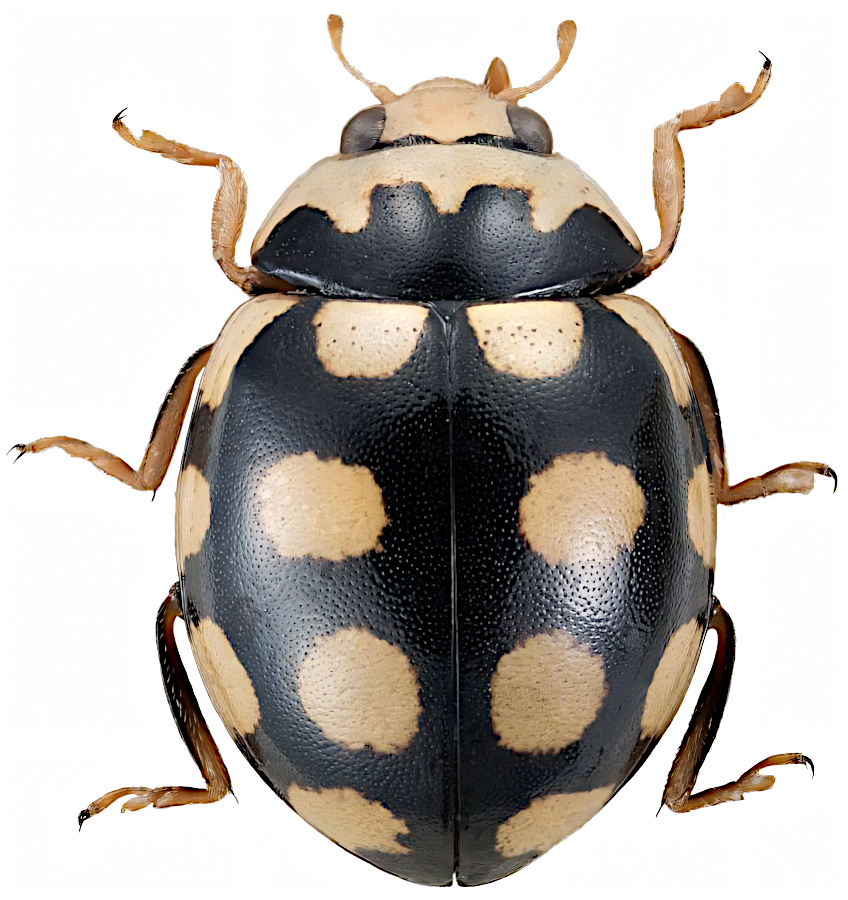
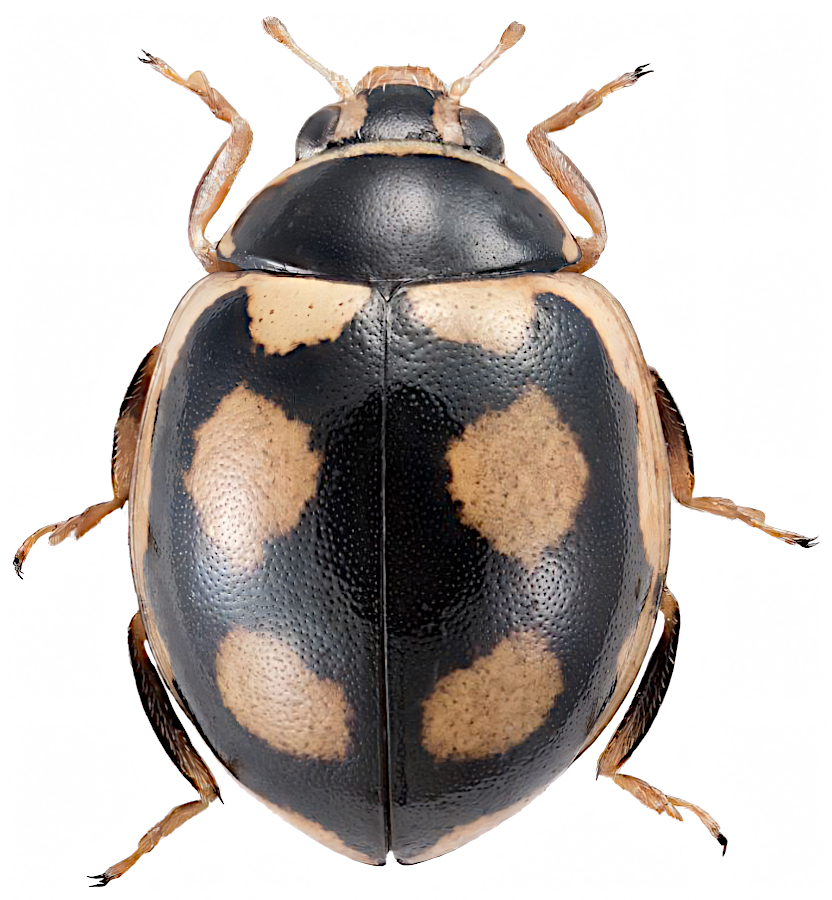
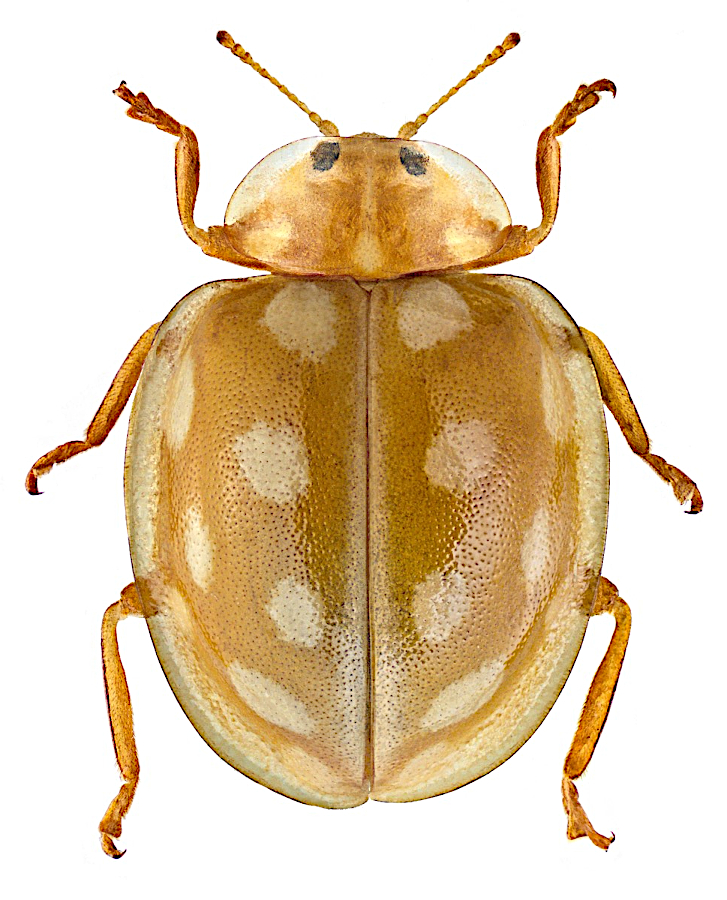
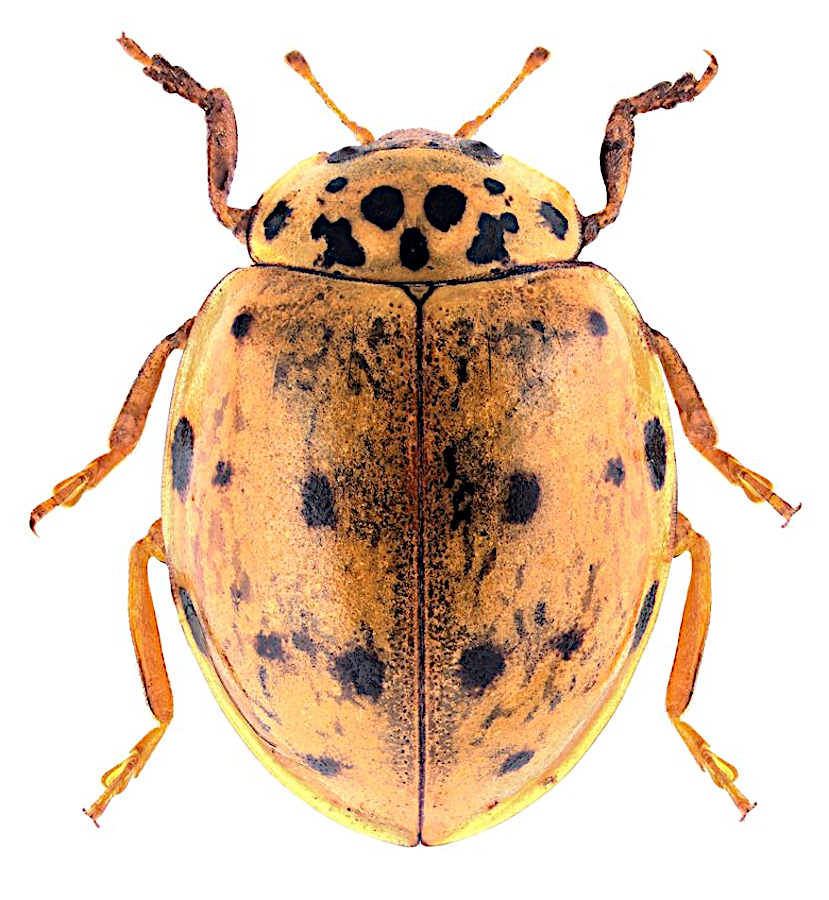
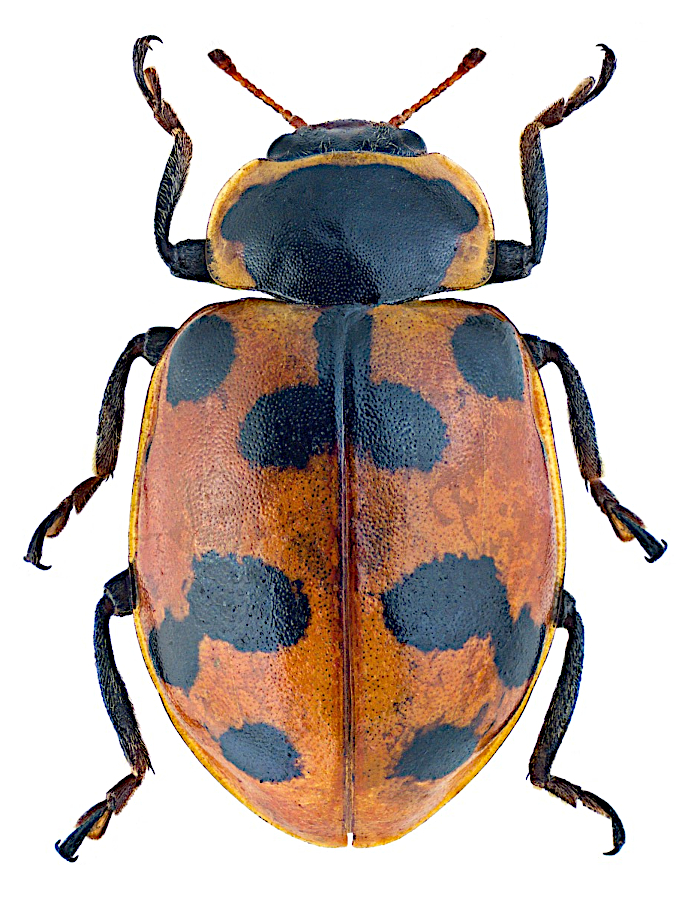
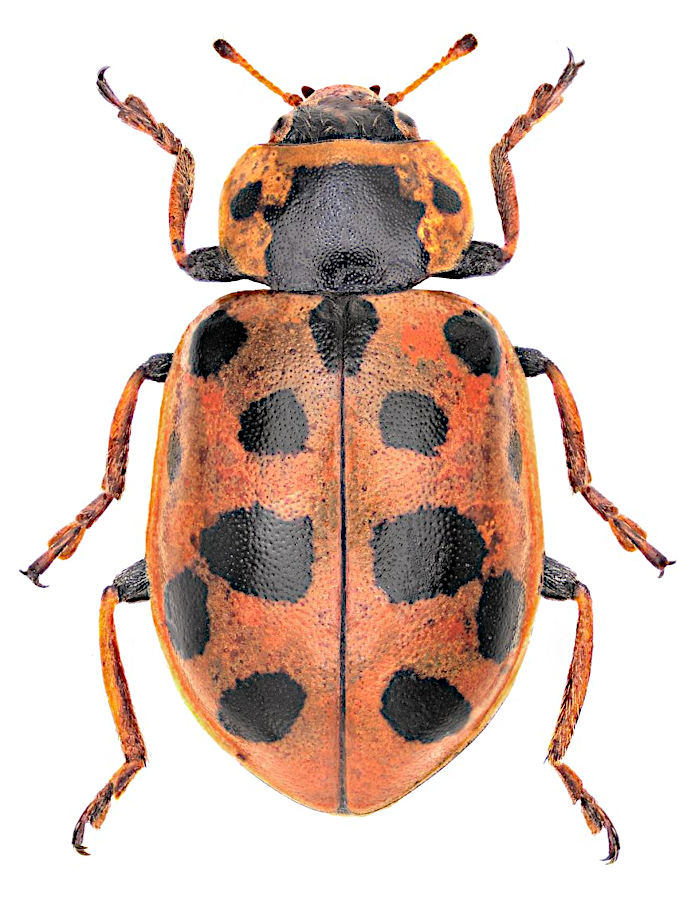
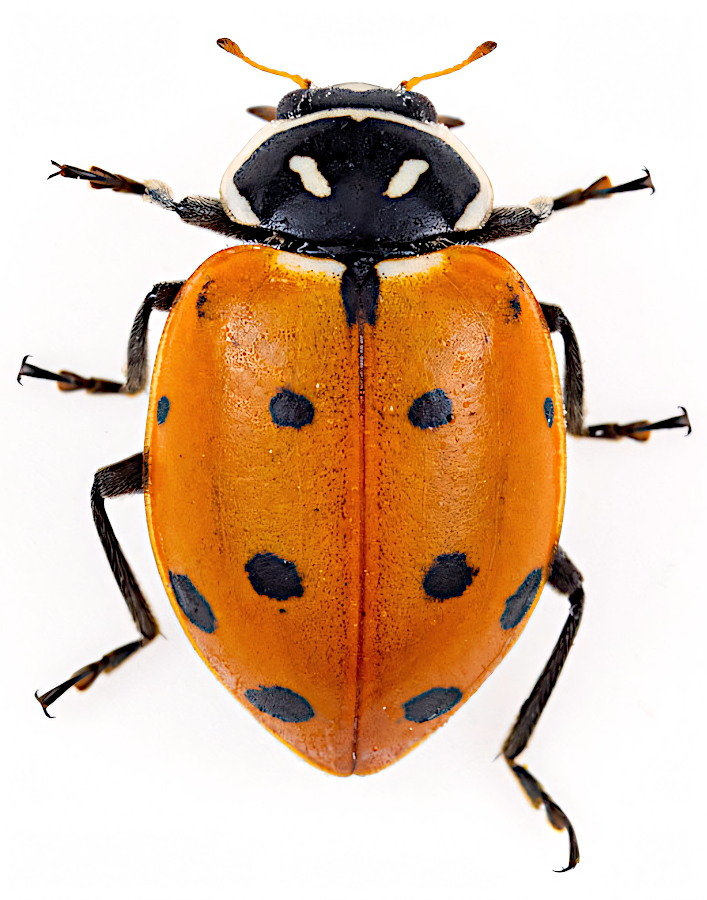
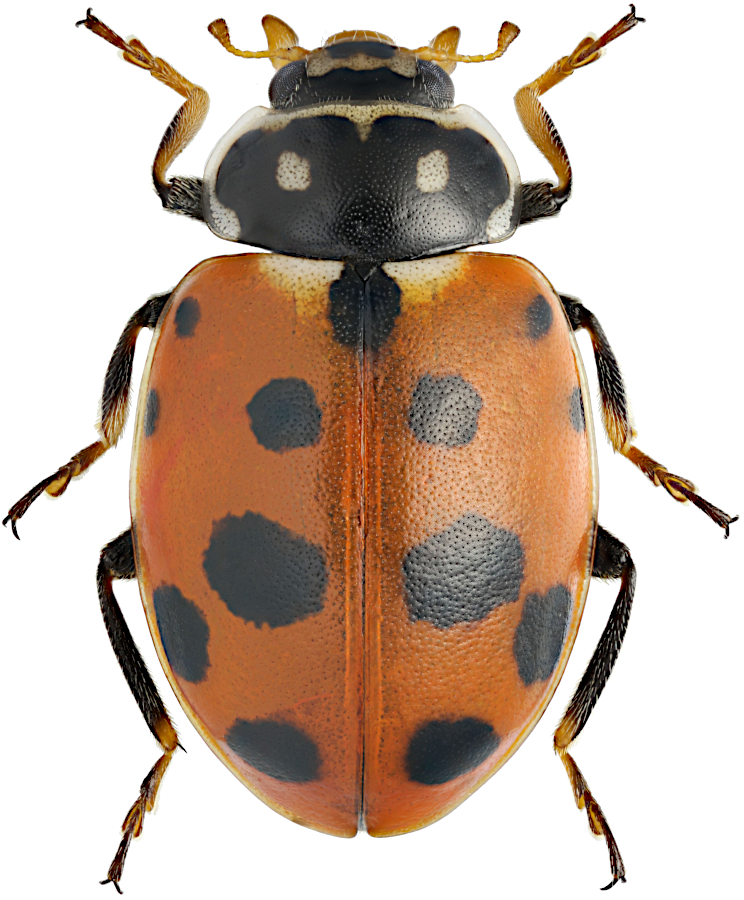
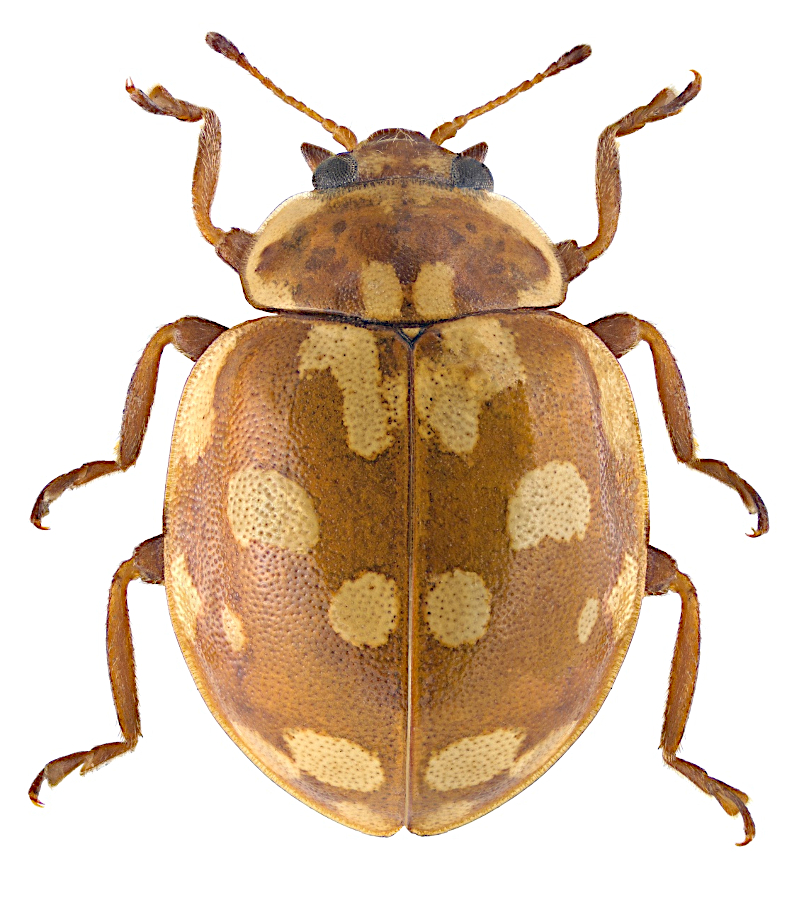
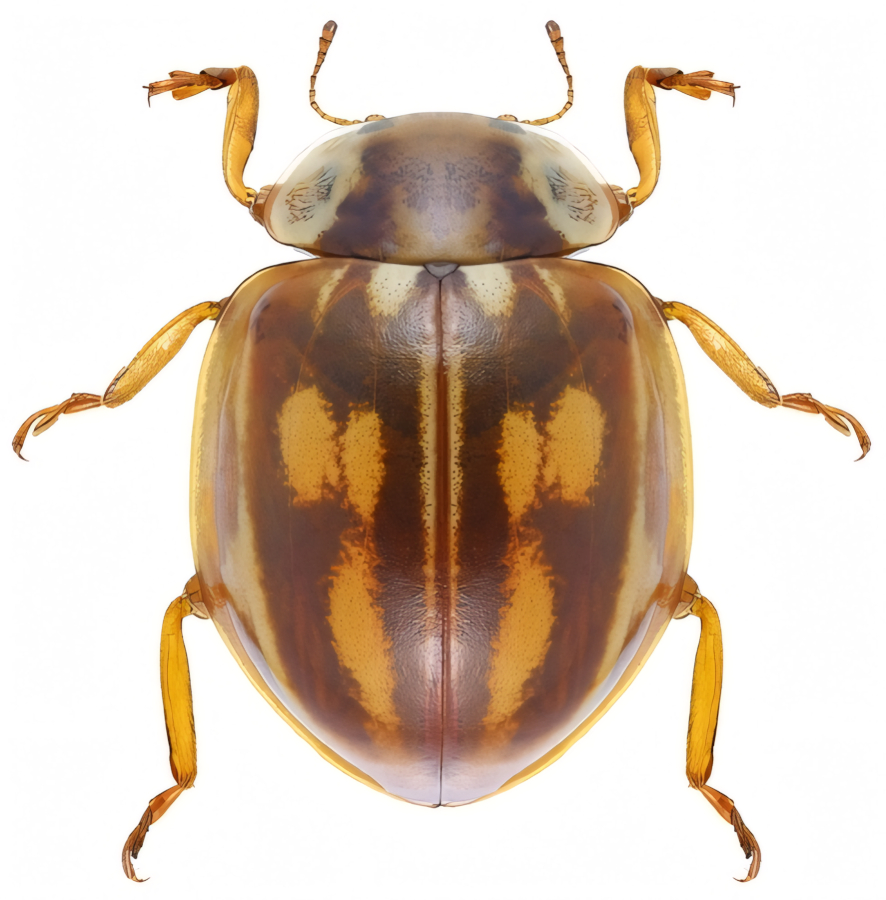
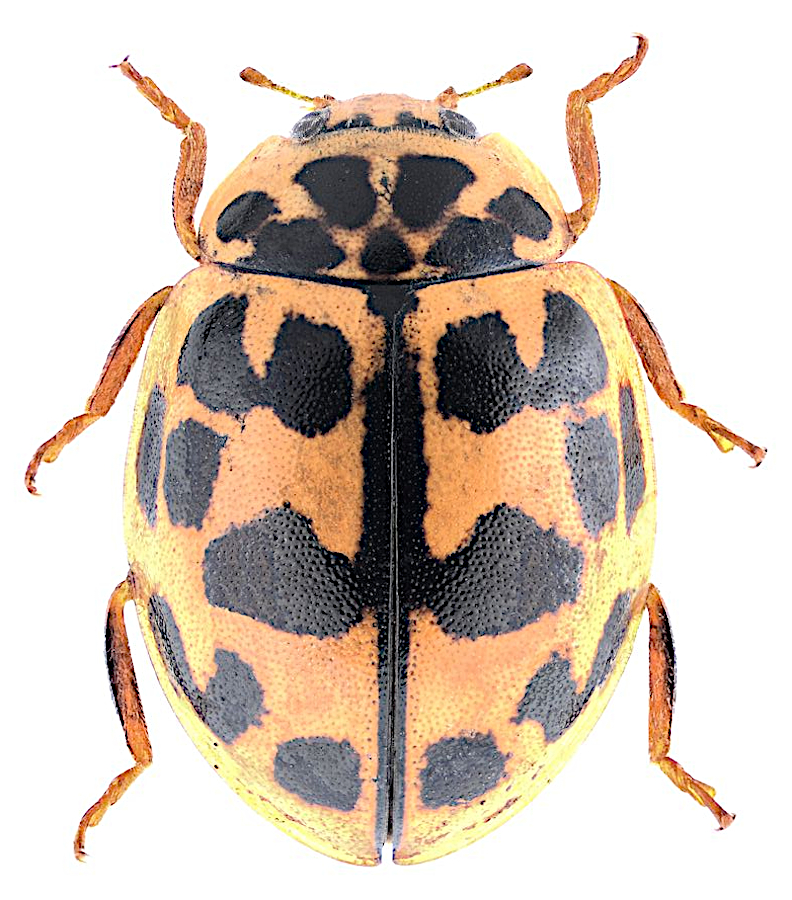
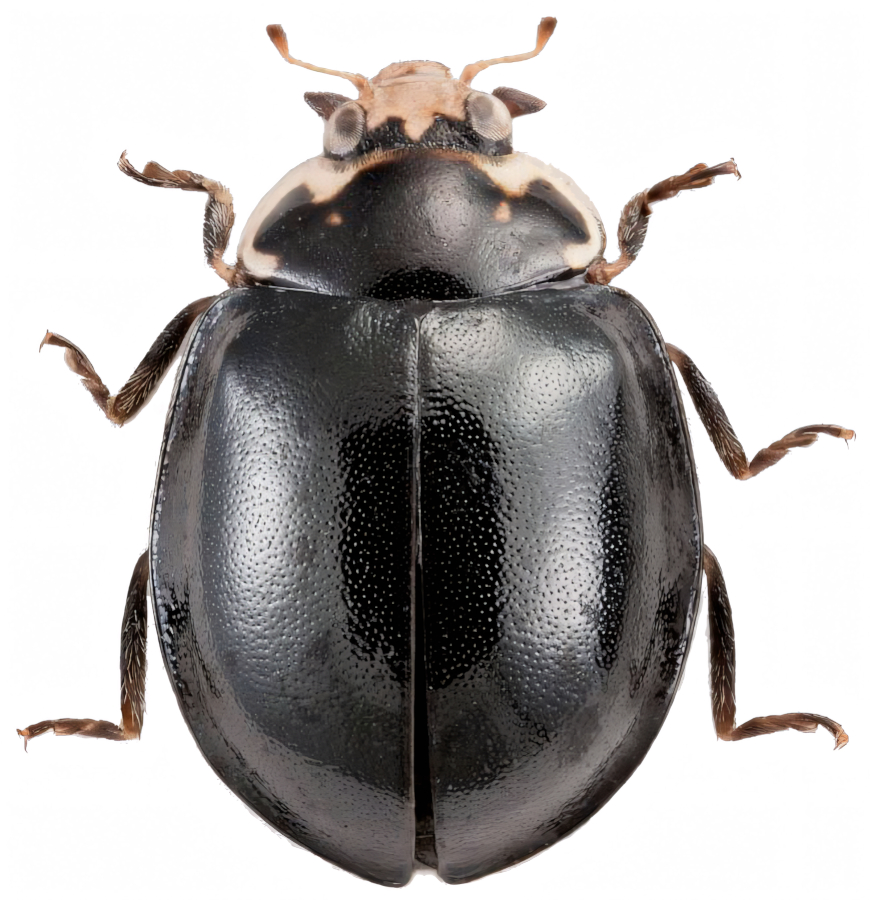
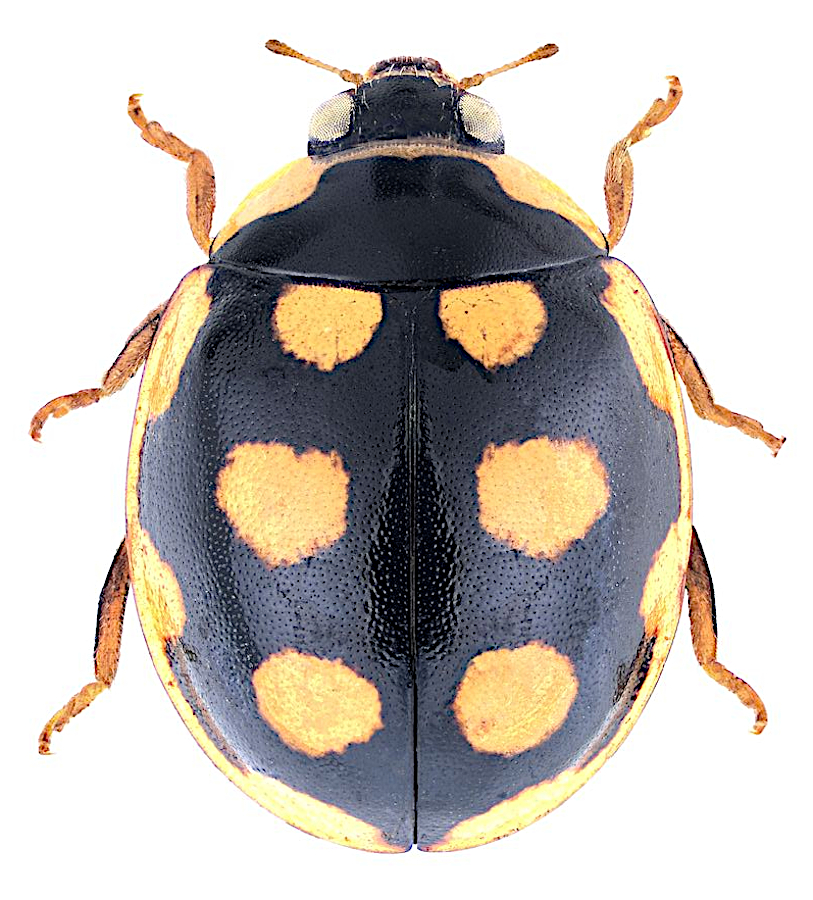
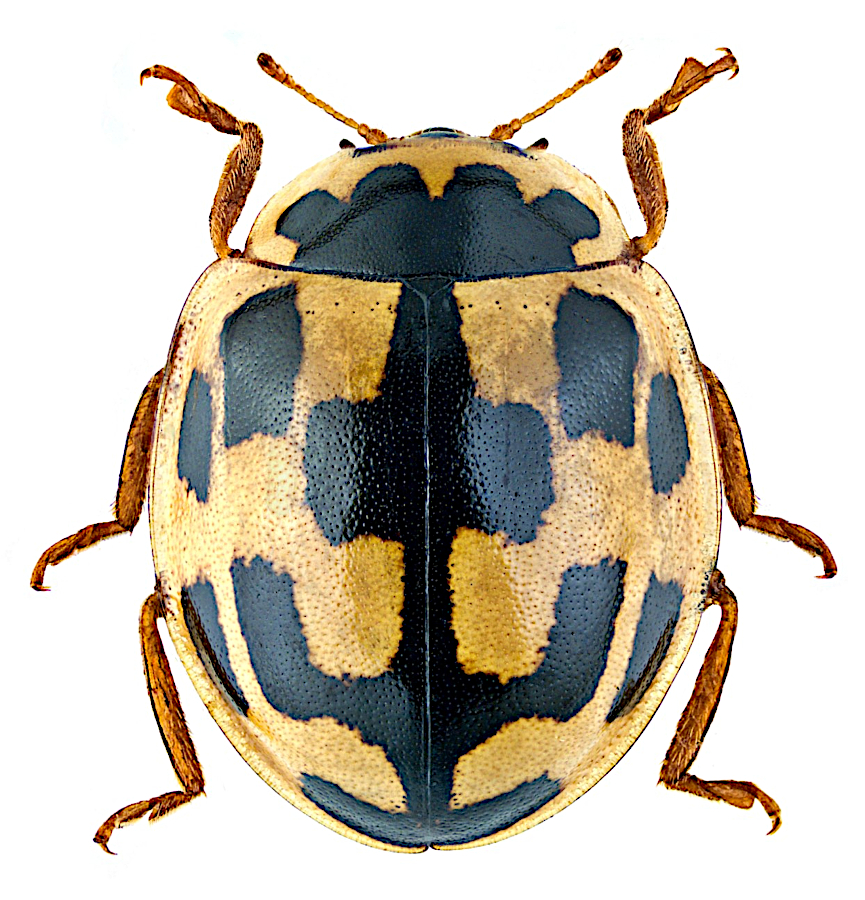
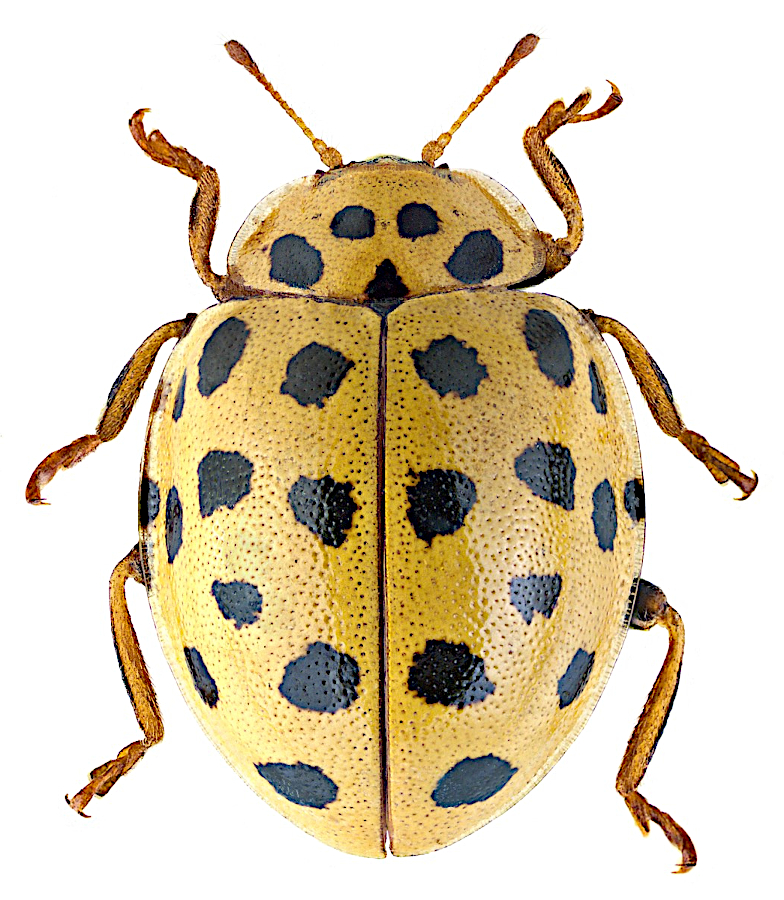
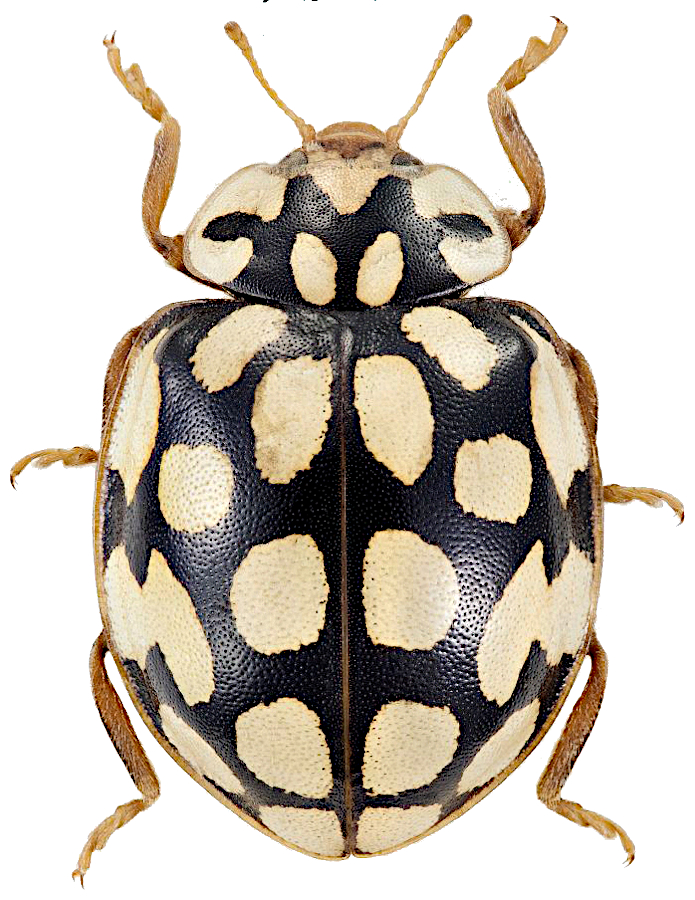
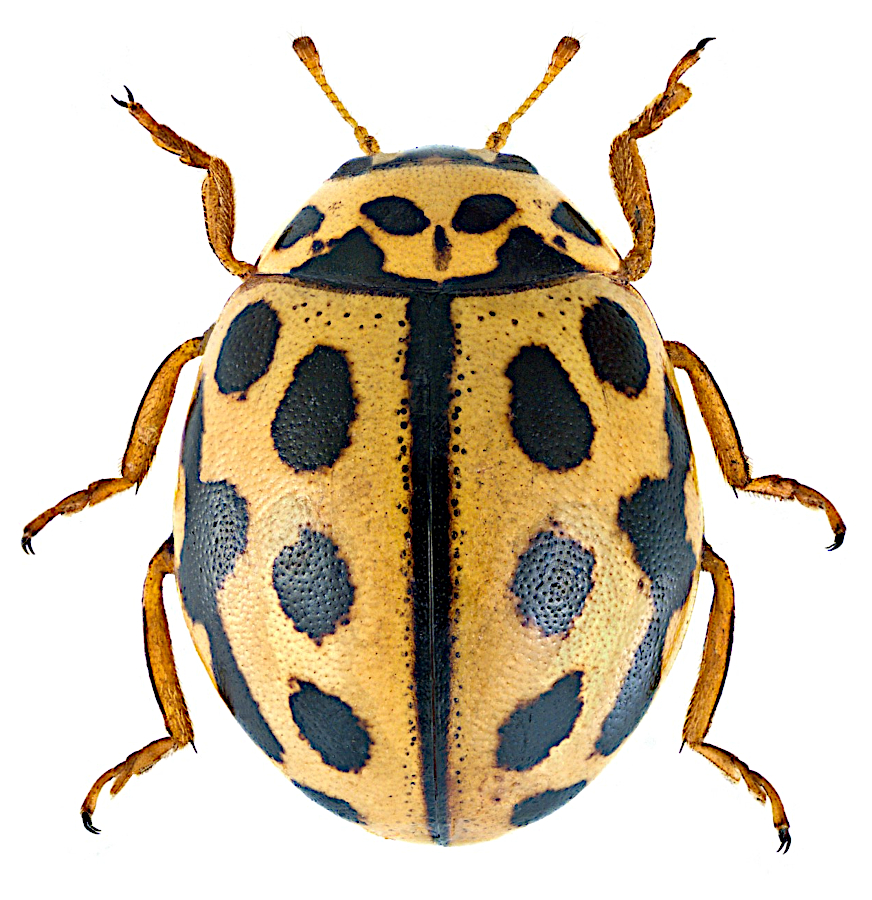
Ladybirds (Coccinellidae) are a family of small to medium-sized beetles found throughout the world. Members of this family are characterised by a hemispherical to oval body with domed elytra, short, club-shaped antennae and distinctive variegated colouration, predominantly red, orange, yellow or black, which serves as an aposematic warning signal. The vast majority of ladybirds are predatory – both adults and larvae feed on aphids, scale insects, mealybugs, thrips or mites, and are therefore regarded as some of the most useful beetles in agriculture and horticulture, where they play a key role in biological plant protection. A smaller proportion of the family has evolved a different way of life: some species feed mainly on moulds, fungi or pollen, whilst members of the subfamily Epilachninae are herbivorous and may therefore cause damage to cultivated plants. Both adults and larvae possess effective defence mechanisms, including the secretion of yellow haemolymph from their legs, which contains bitter and toxic alkaloids. Owing to their predatory behaviour, they are of considerable ecological and economic importance, and some species are actively utilised in biological plant protection.
Number of Species:
| World | 6 500 | |
| Palaearctic Region | 600 |
| Europe | 245 | |
| Central Europe | 105 |
 |
Family Card |
COCCINELLIDAE (Latreille, 1807) |
Coccinellinae (Latreille, 1807) |
Azyini (Mulsant, 1850) |
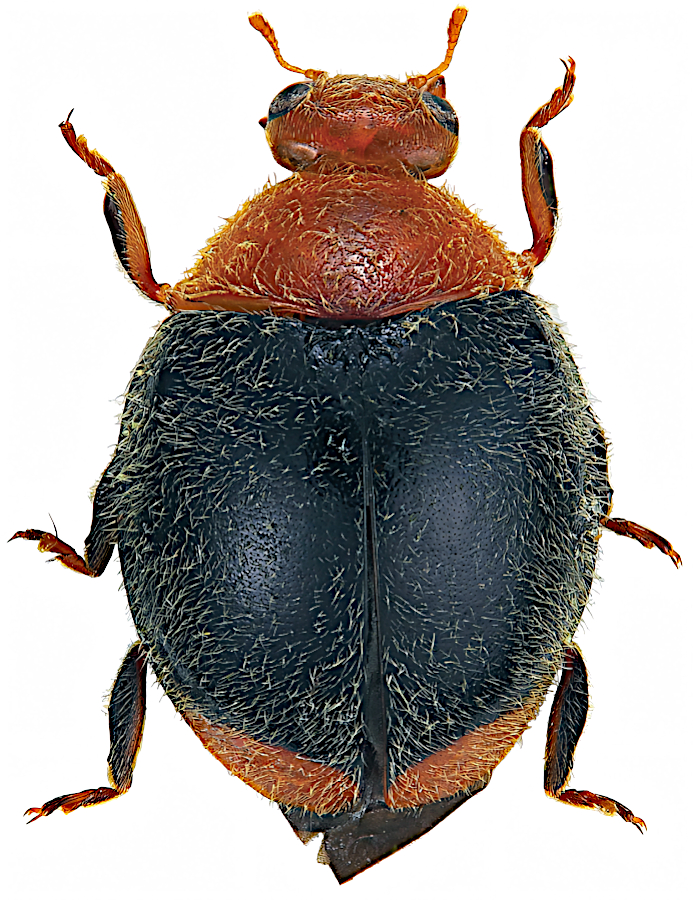


Chilocorini (Mulsant, 1846) |
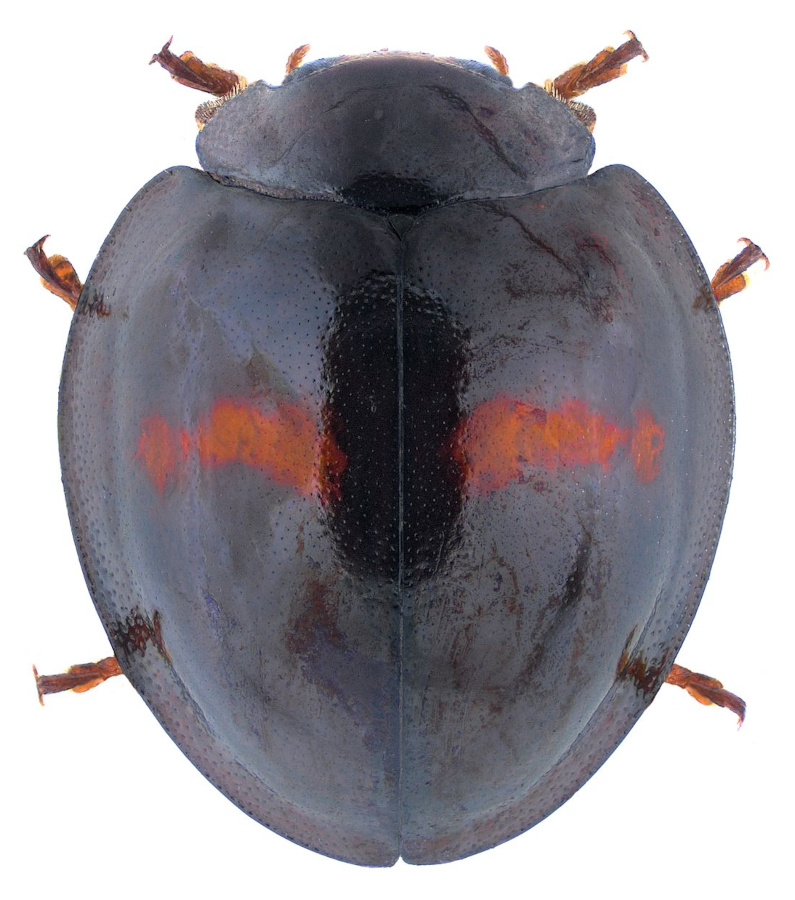
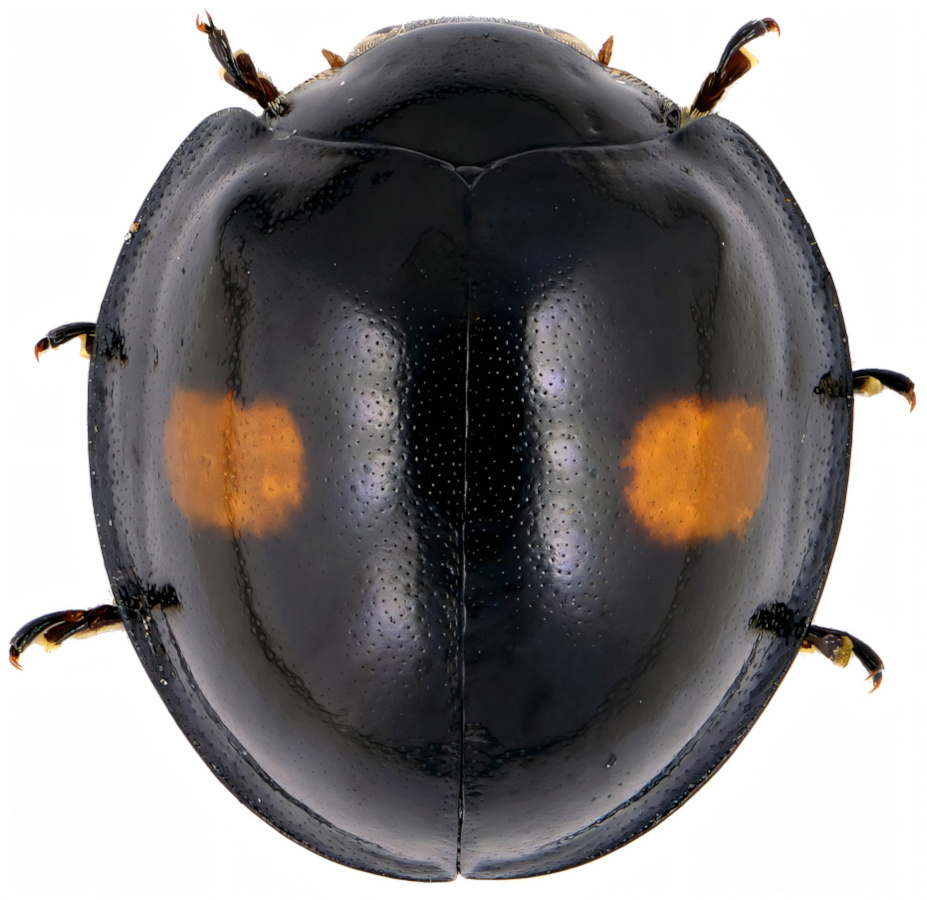
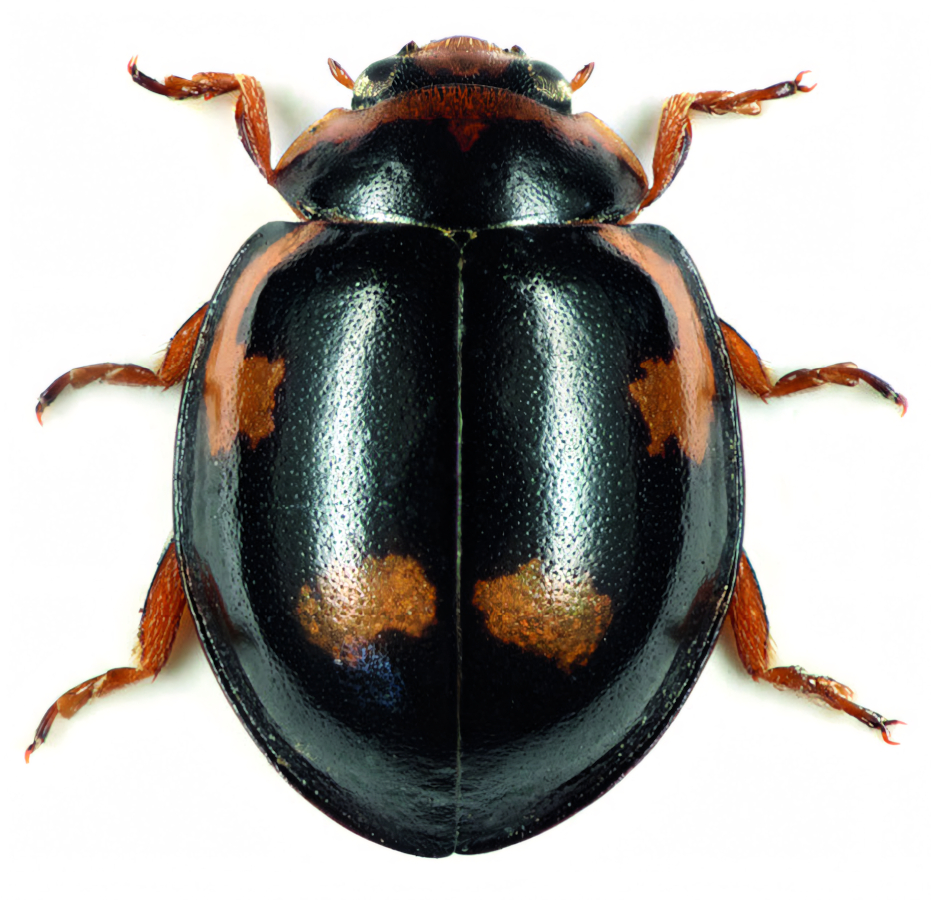
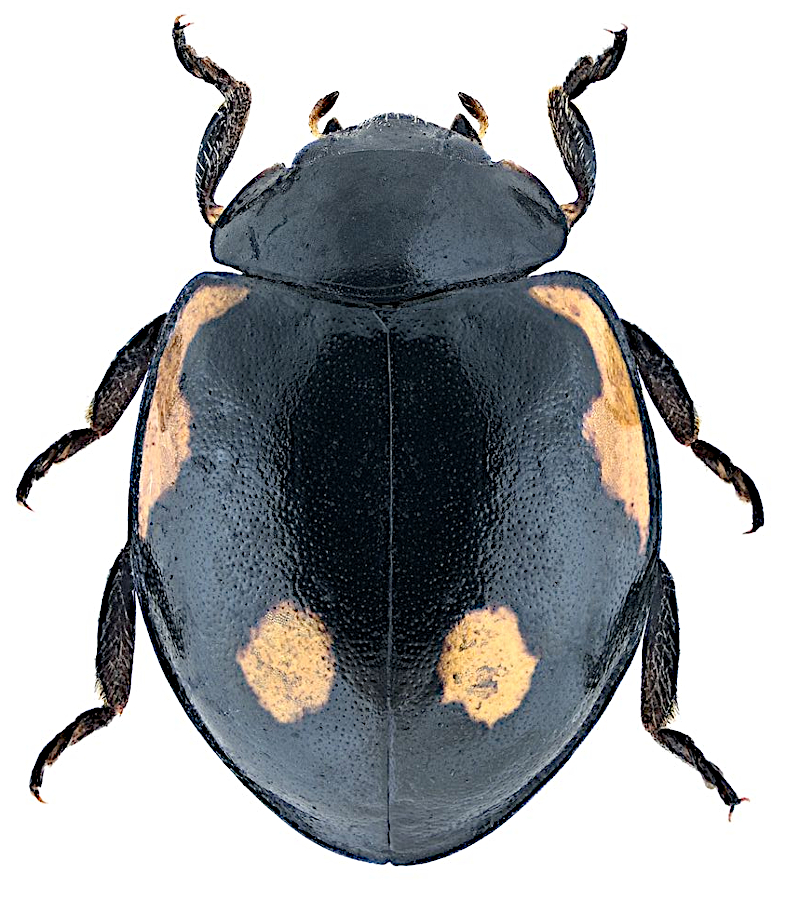
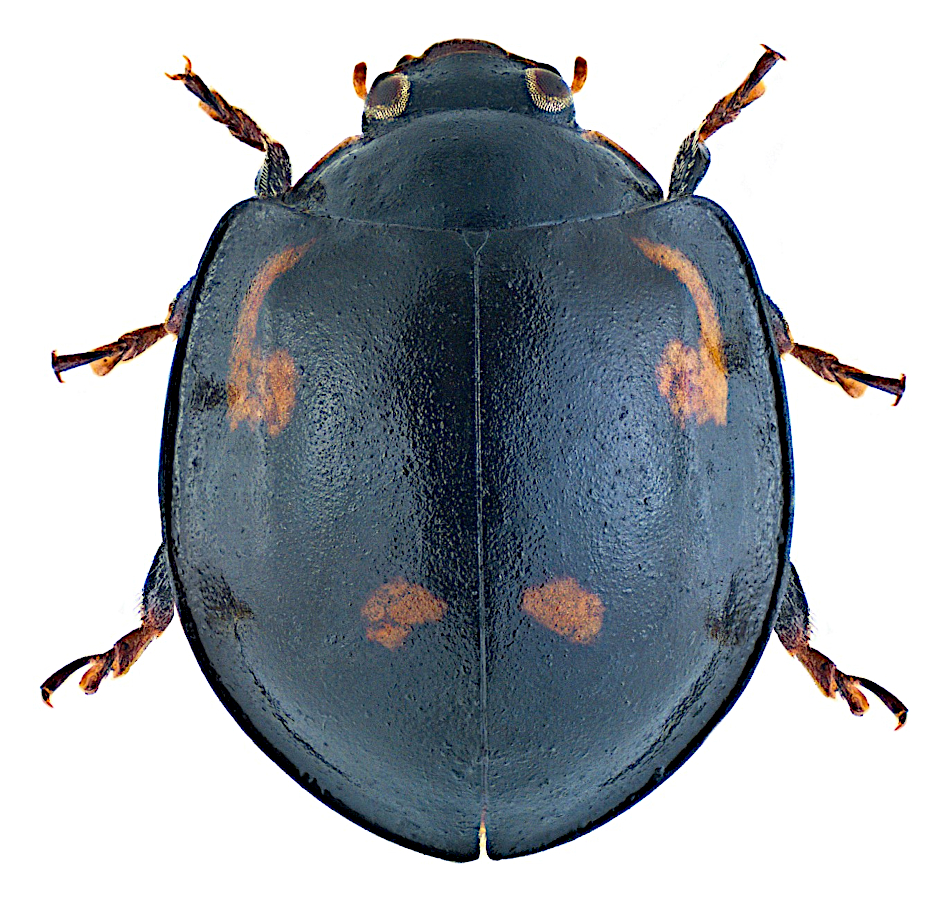
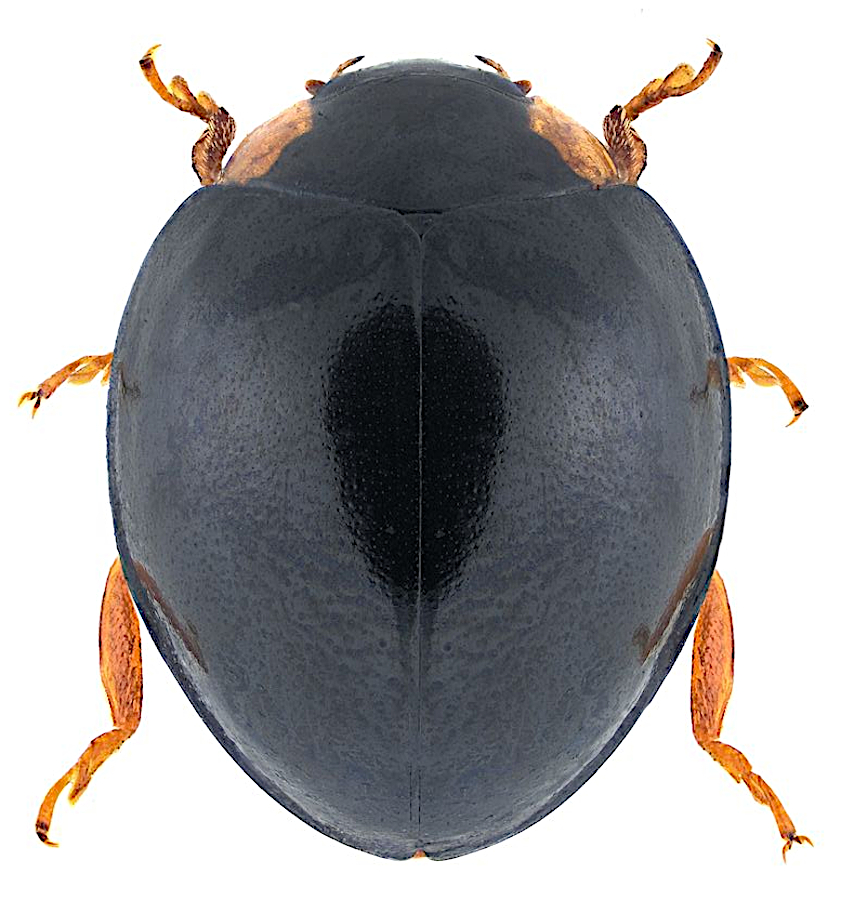
Coccidulini (Mulsant, 1846) |

Coccinellini (Latreille, 1807) |

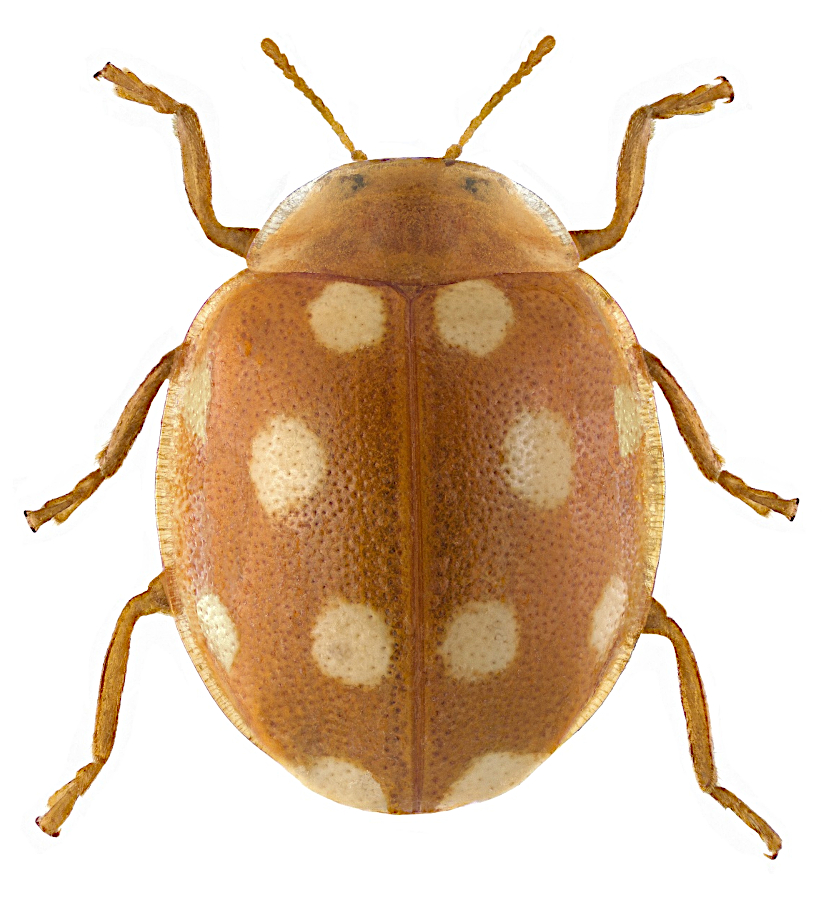
Epilachnini (Mulsant, 1846) |
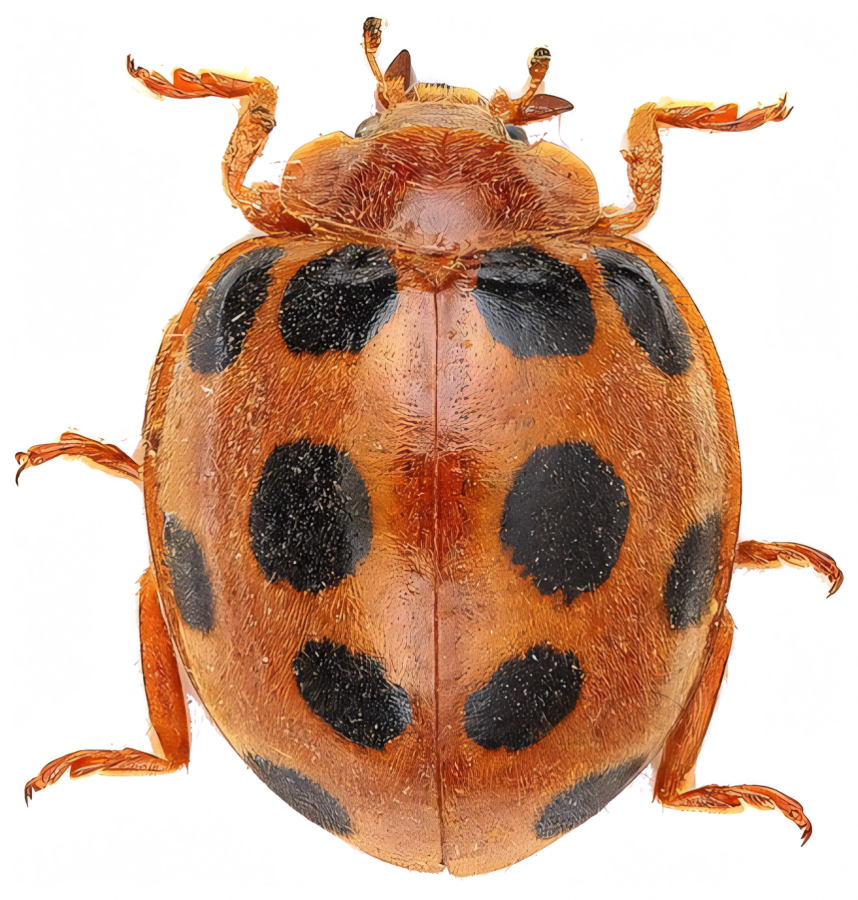
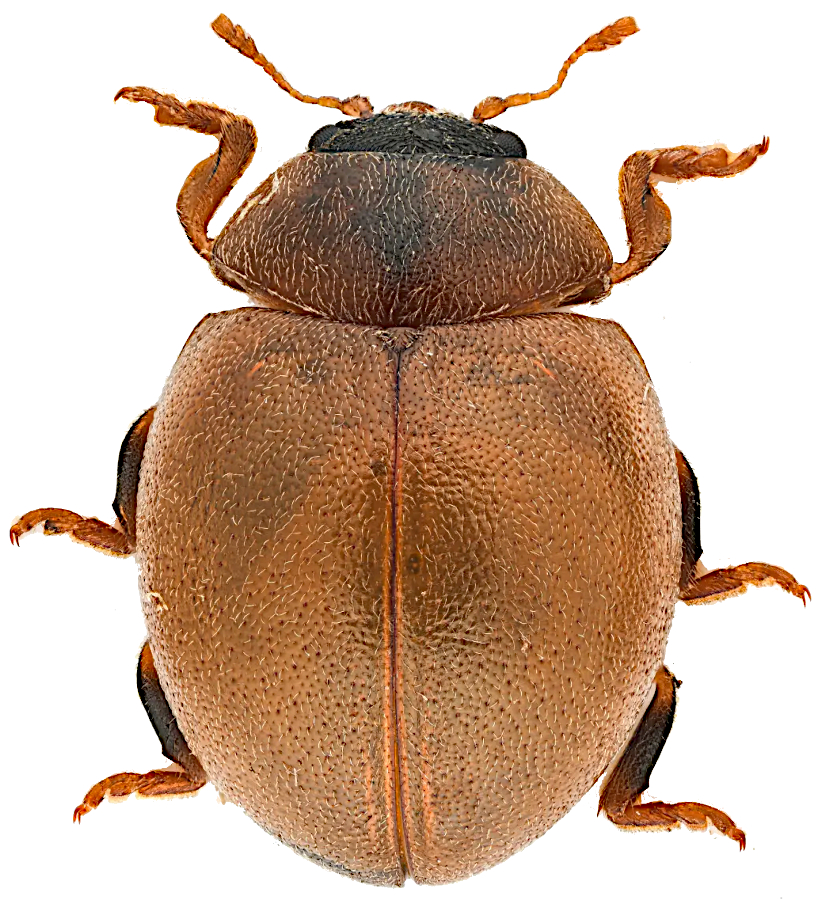
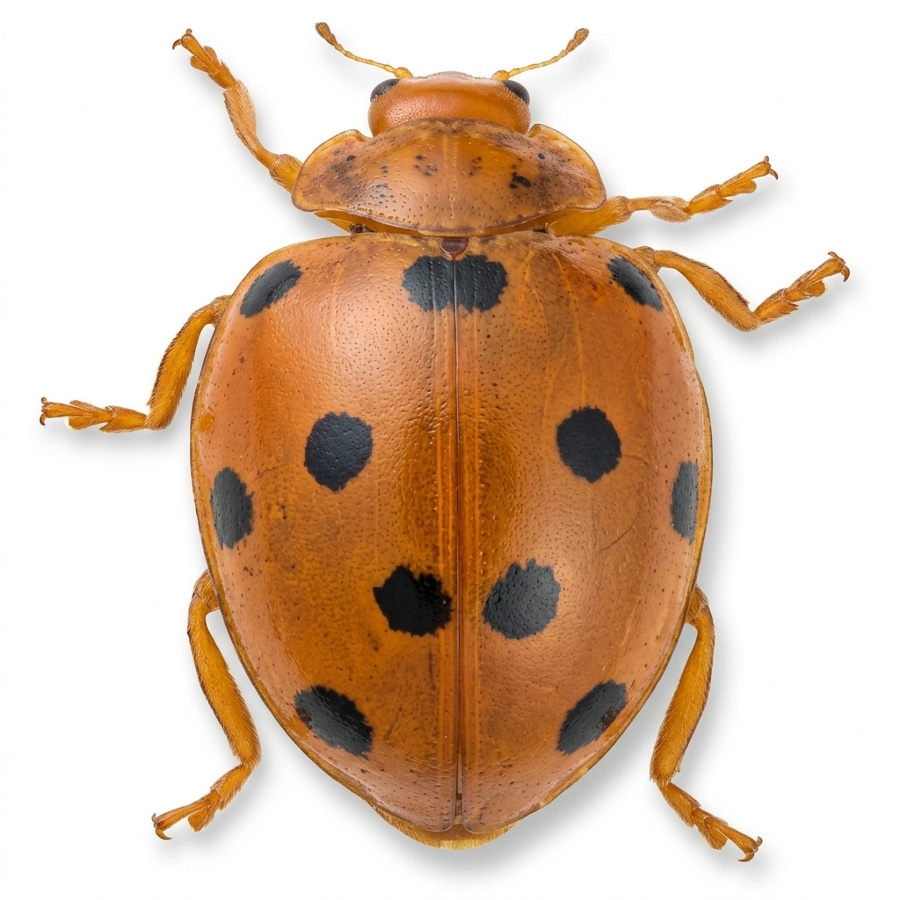
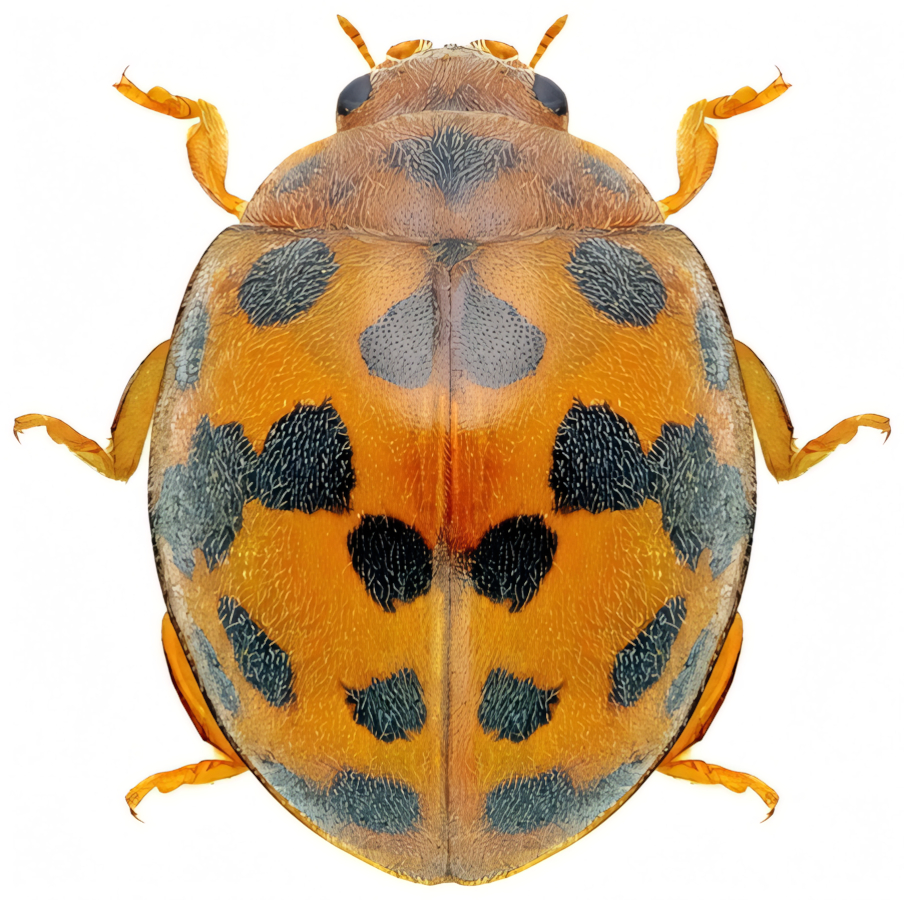
Hyperaspidini (Mulsant, 1846) |
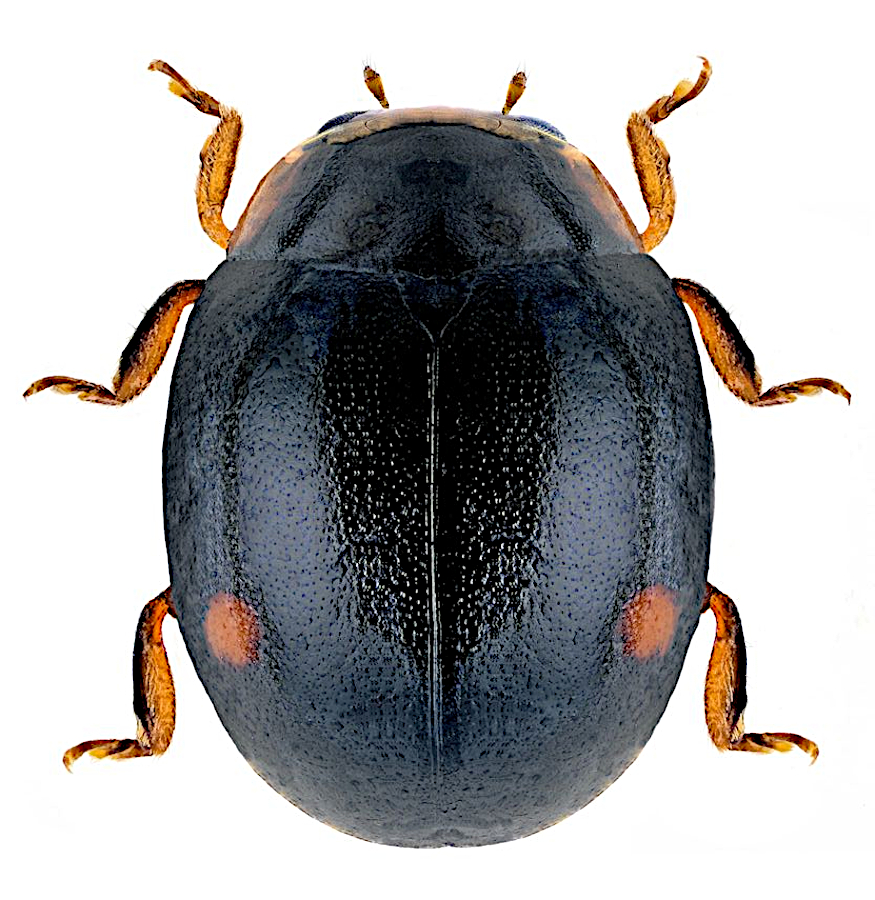
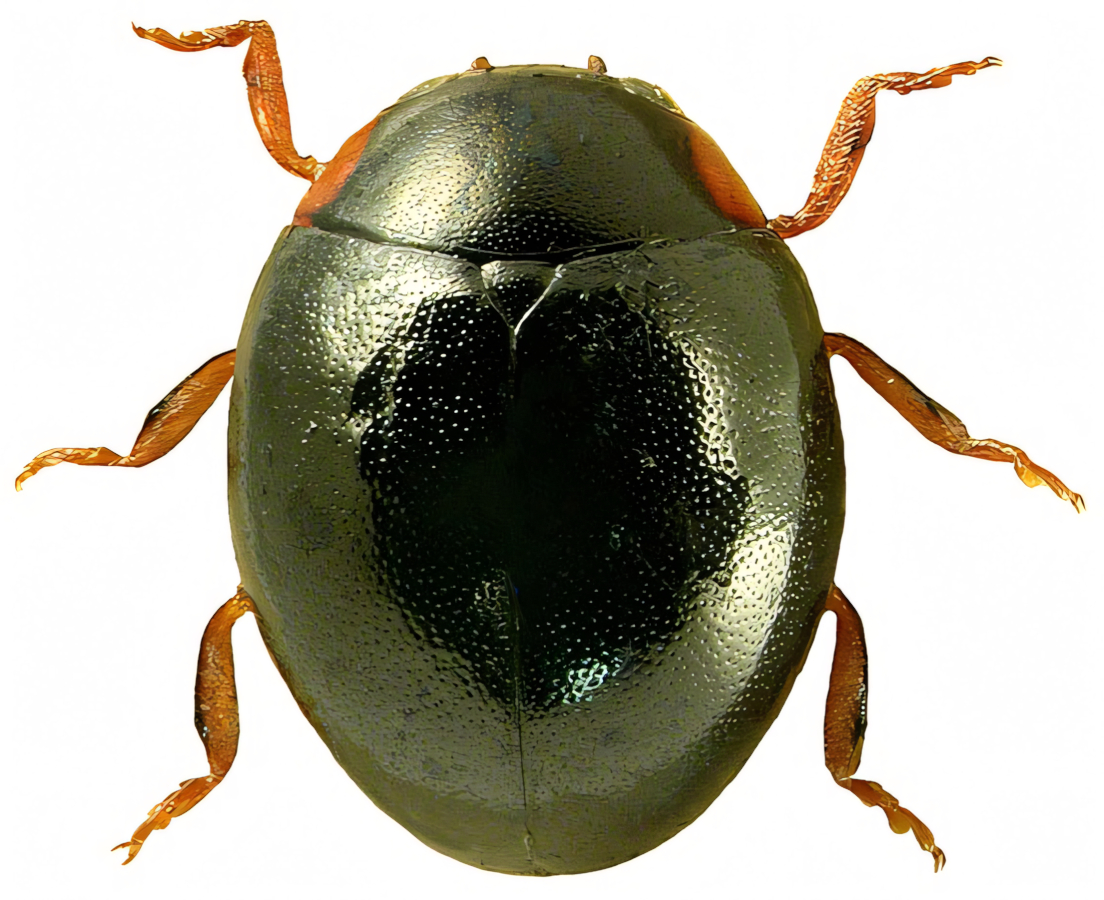
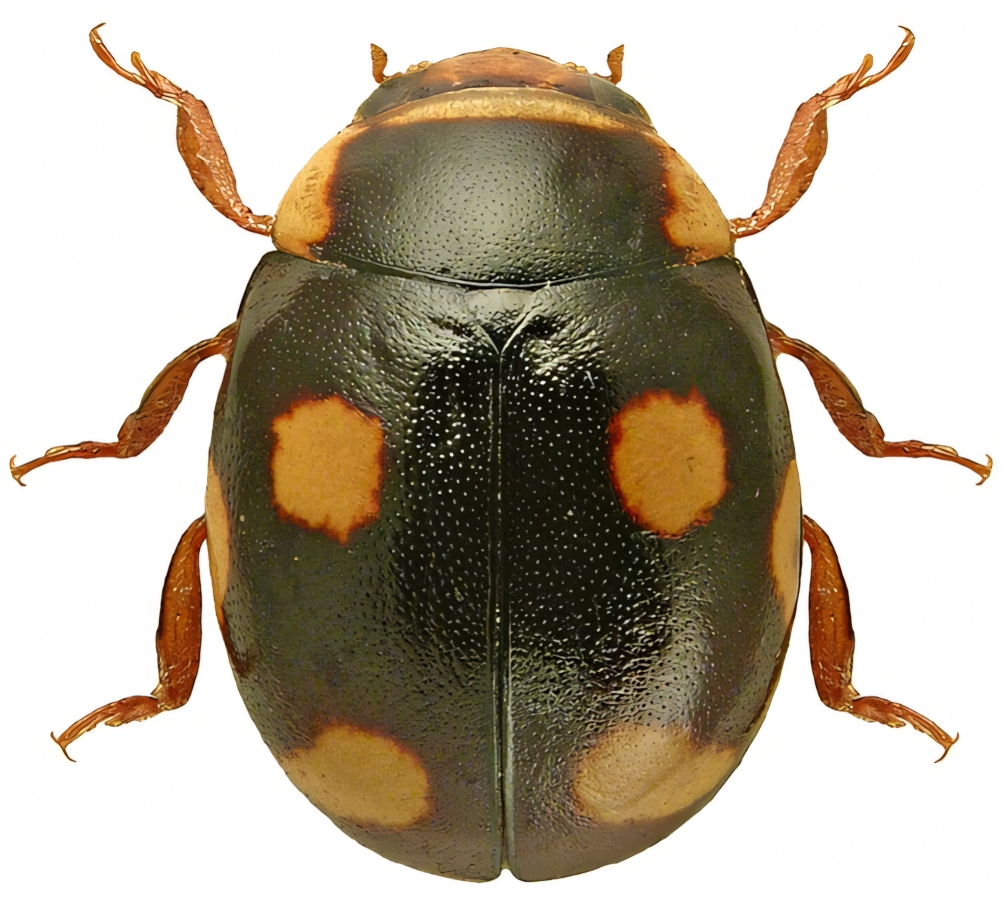
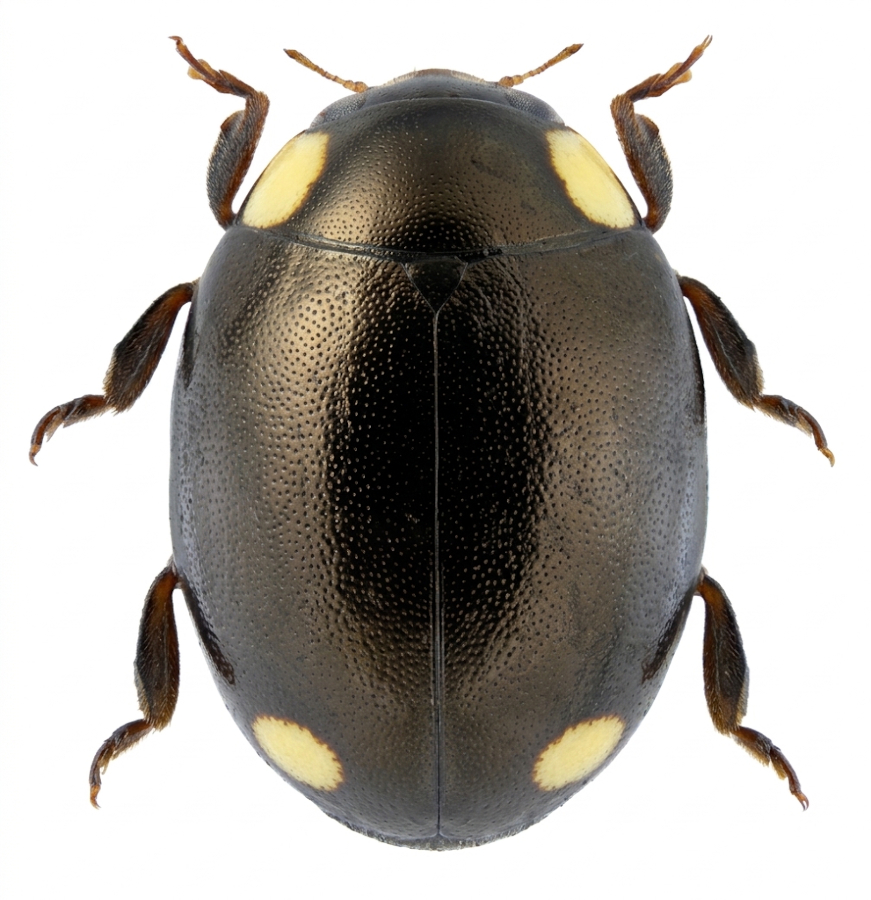
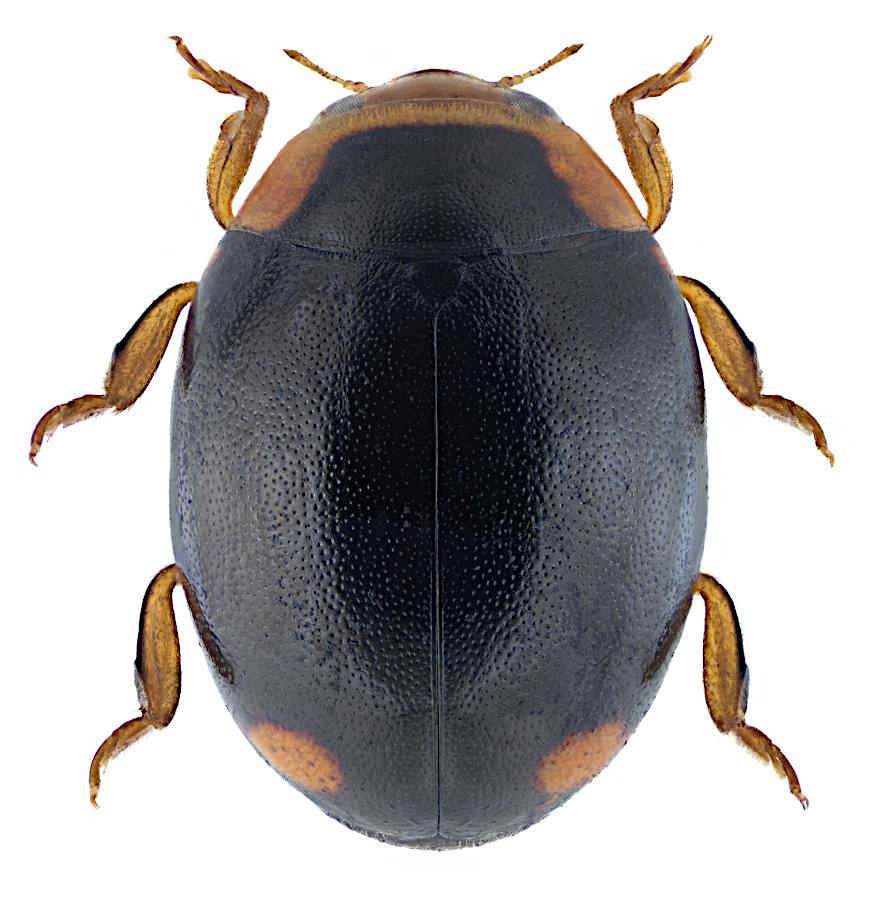
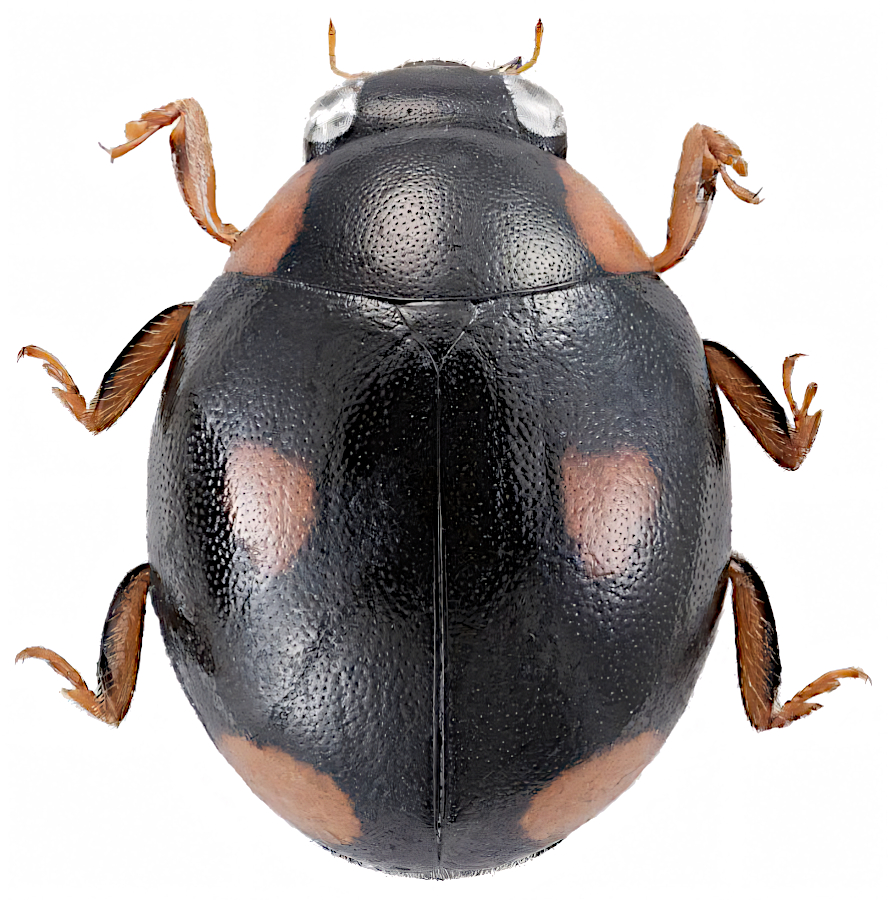
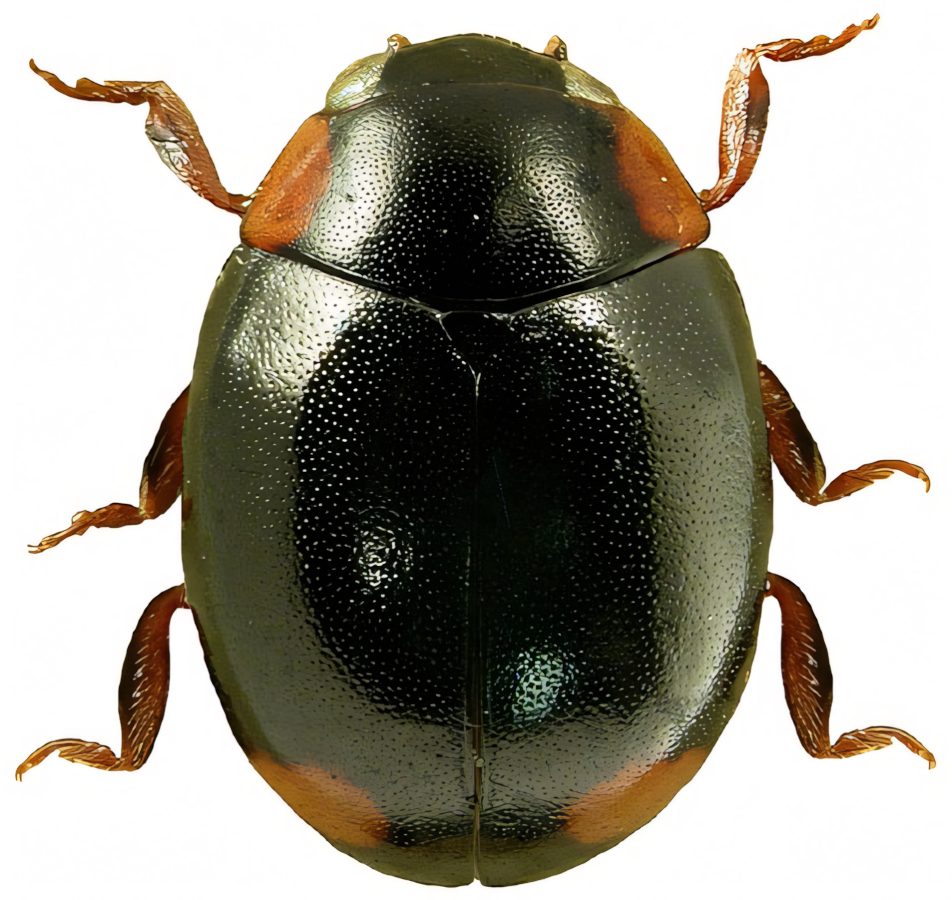
Noviini (Mulsant, 1846) |
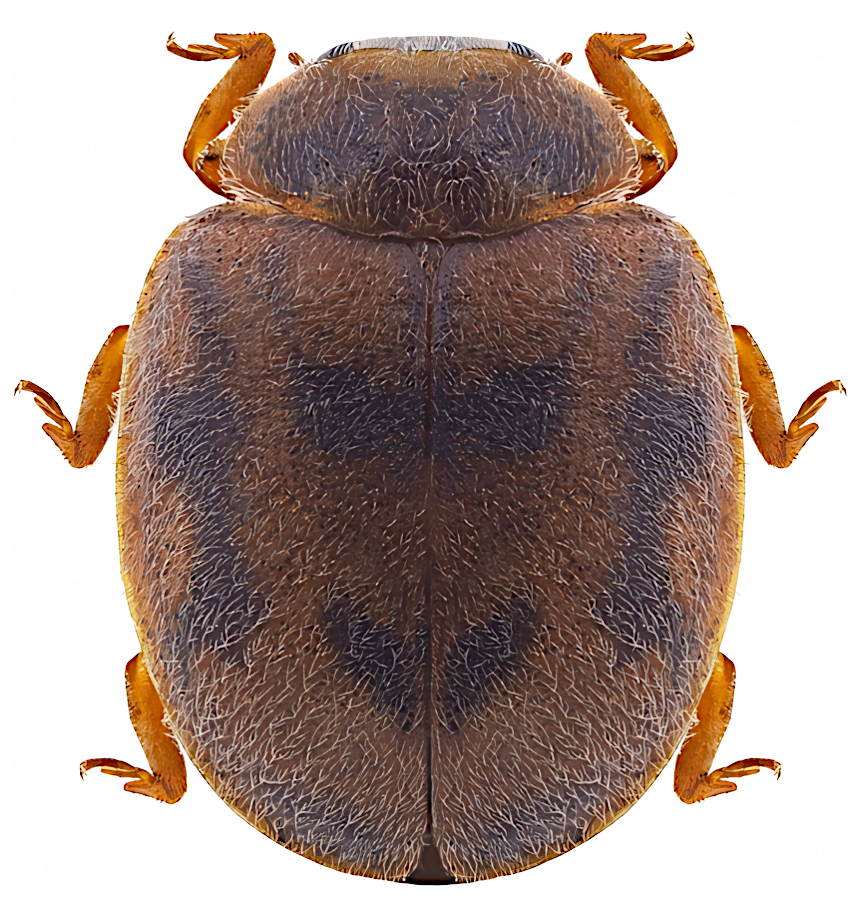
Platynaspidini (Mulsant, 1846) |
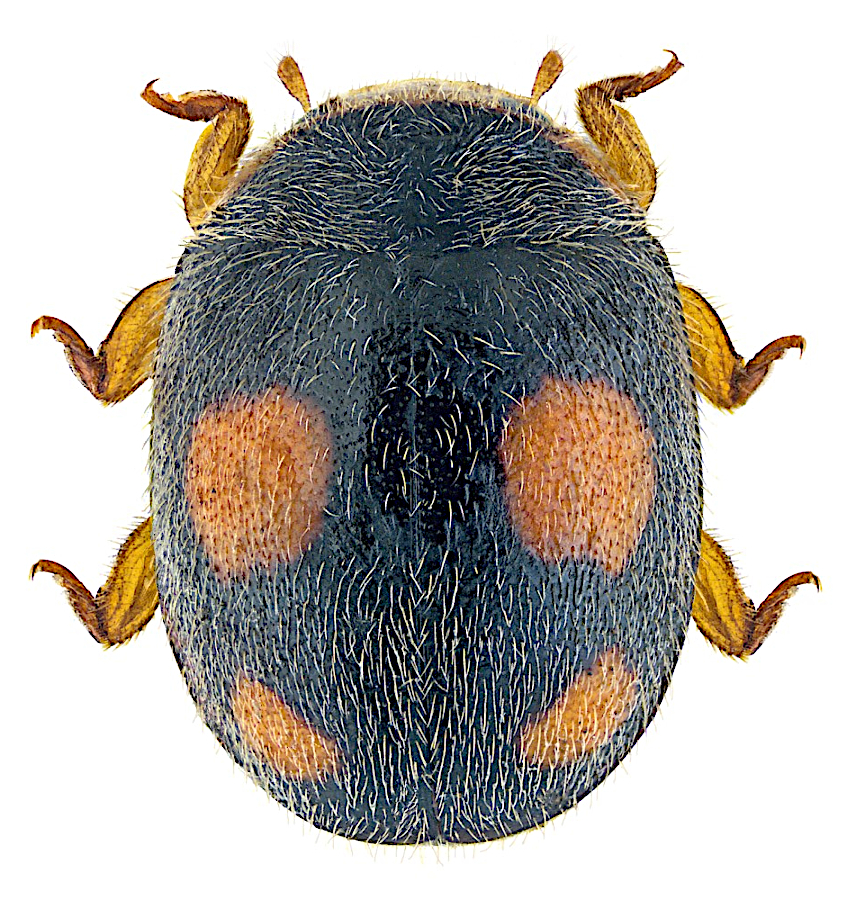
Microweiseinae (Leng, 1920)) |
Serangiini (Blackwelder, 1945) |