Preparation is another activity that is unavoidable when studying deeper beetles. It is an activity in which we prepare the beetle's body so that it is sufficiently and long-term protected, retains its characteristic appearance, is easy to observe, study and identify and, last but not least, looks aesthetically interesting. In preparation we exercise our attention to detail and very often our patience.
There are basically three types of preparation:
- placement in fixative fluid
- preservation by drying
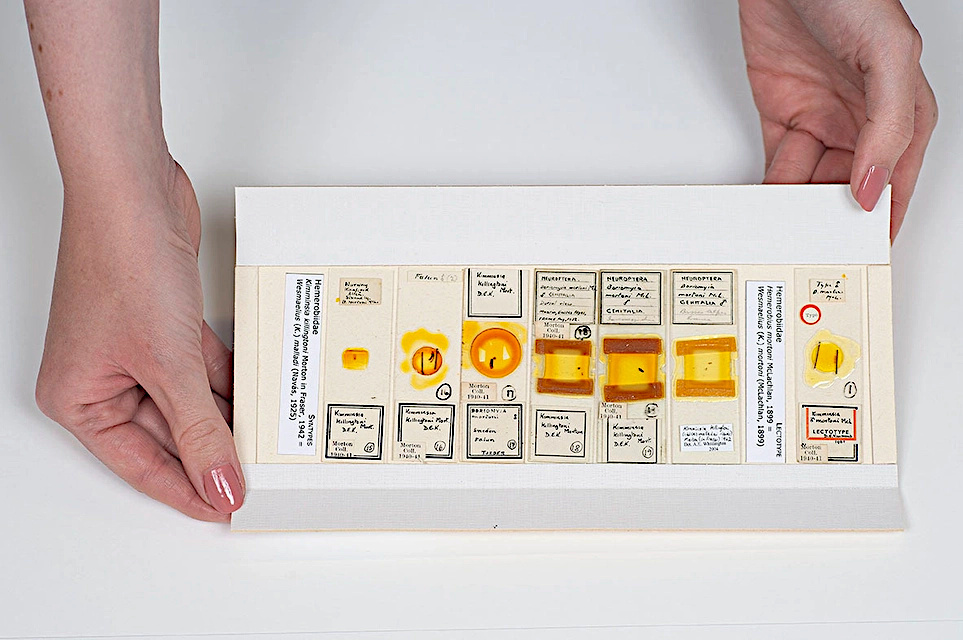
- preparation of a microscopic slide
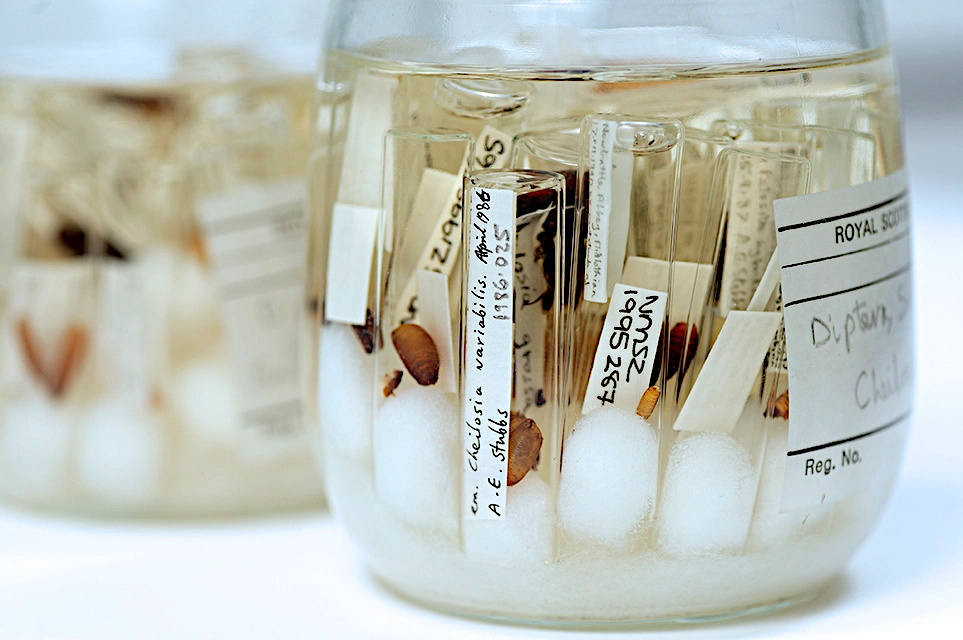
Fixation in preservative fluid is done to a lesser extent in beetles. These are mostly special cases, for example when using molecular methods (DNA studies) or when making partial microscopic preparations of organs that would be degraded by drying. The most commonly used preservation fluids are ethanol (70-95% solution) and formaldehyde (4-10% solution).
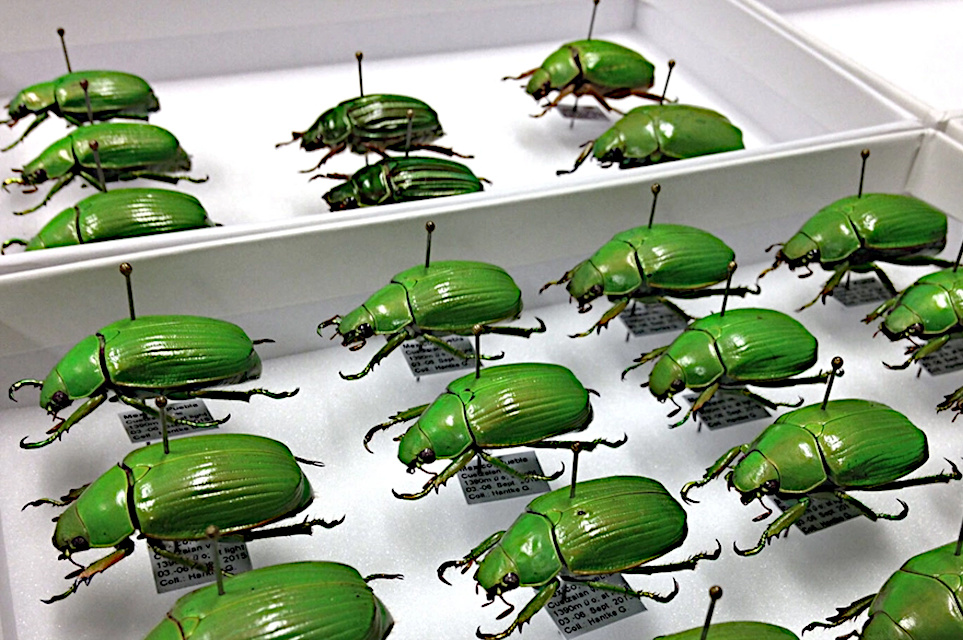
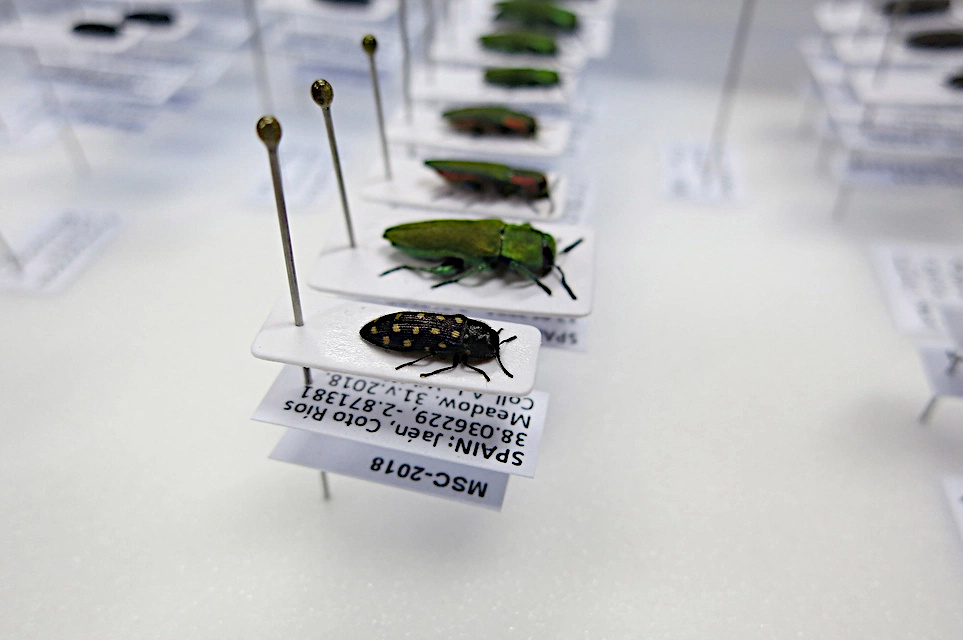
Preservation by desiccation is the absolutely predominant method of preparation in beetles. Depending on the method used, the beetle is prepared to the final shape. It is then fixed, if necessary, and allowed to dry completely. During this process, all the water evaporates from the body, the internal organs shrink and only the hard chitinous shell remains.
The microscopic preparation is either used to study a particular detail of the beetle body (e.g. the wings) or the whole specimen is processed in this way by enclosing it in a chamber. The chamber may either be filled with air or the specimen is sealed in the chamber with a fixative medium. Examples of fixation media include glycerin, glycerin gelatin, chloral hydrate-based media, polyvinyl alcohol-based media, Canadian balsam, or synthetic resins.
In the following chapters we will deal mainly with preservation by drying and partly also with the preparation of microscopic slides.
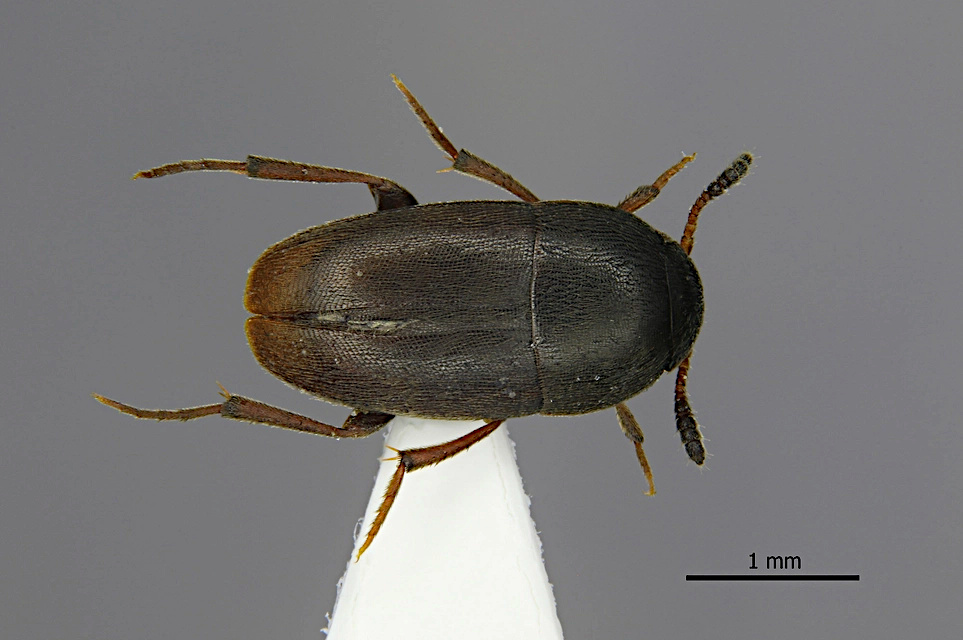
The following images illustrate various methods of insect preparation: